How one of the East End’s fastest-growing real estate empires went from record-setting acquisitions and… Read More →
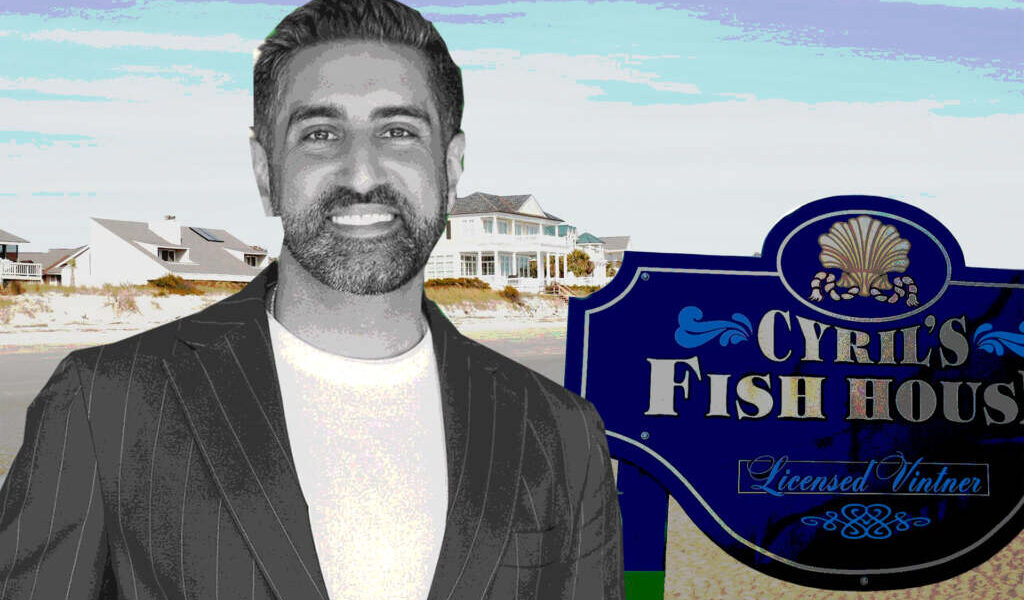

How one of the East End’s fastest-growing real estate empires went from record-setting acquisitions and… Read More →
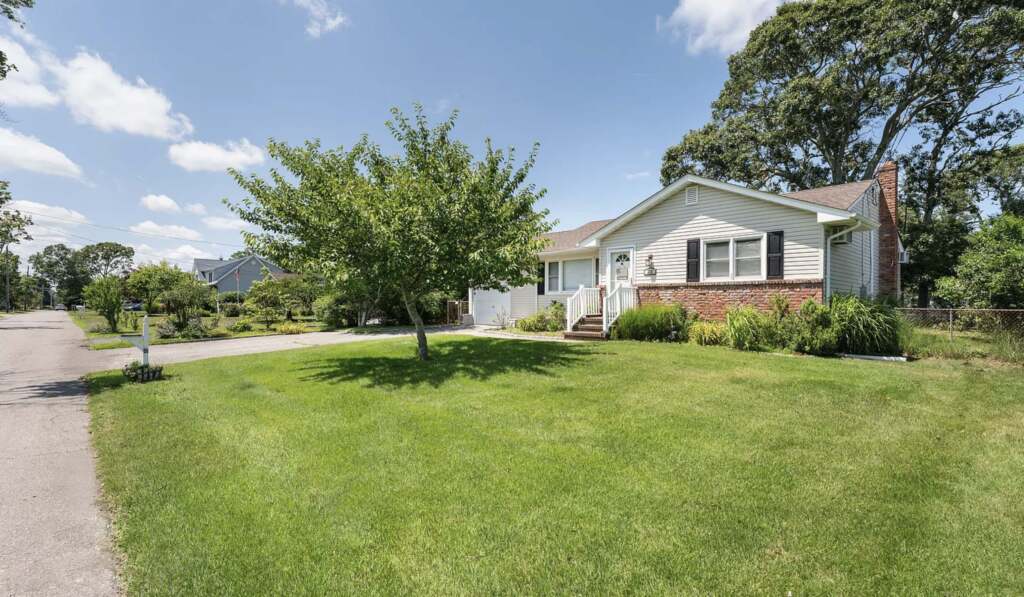
Affordable opportunities remain, but buyers will need to move quickly as inventory continues to shrink… Read More →

Your guide to the must-see Hamptons events, performances, fundraisers, and summer traditions happening across the… Read More →

New East End series brings influential voices in politics, culture, business and literature to Southampton,… Read More →

The second annual Southampton event brings more than 300 showcases, renowned designers from around the… Read More →
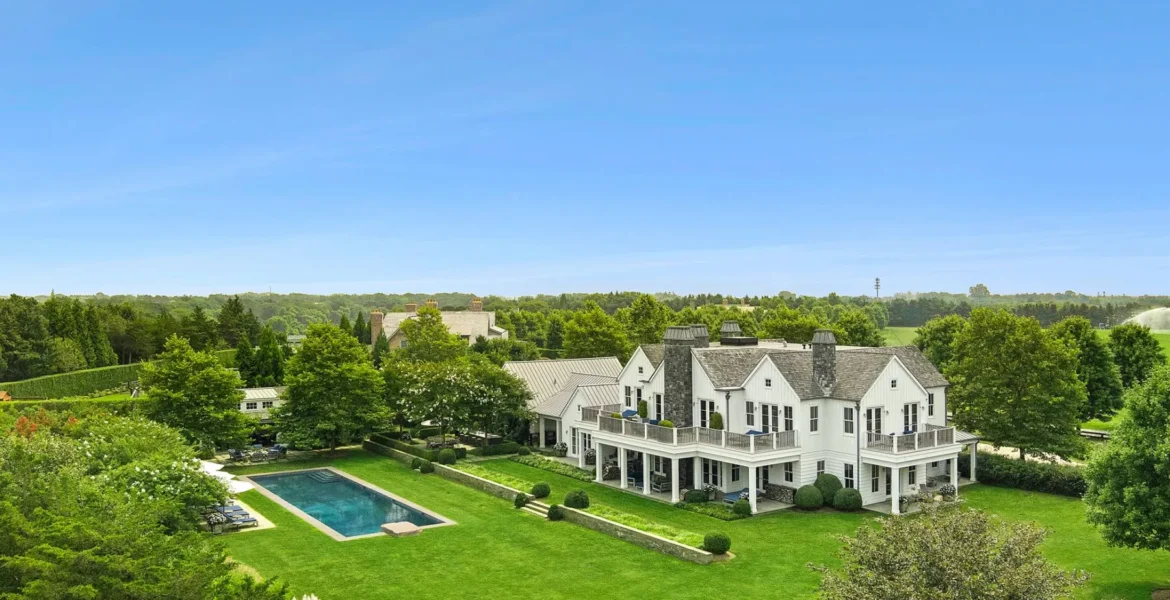
Designed from the ground up, the 12,500-square-foot estate known as Skyfall blends timeless architecture, resort-style… Read More →

In her new one-woman show, Rosie O’Donnell blends comedy, family, grief, Ireland and Donald Trump… Read More →

Commack-raised entertainer brings deeply personal solo performance exploring loss, motherhood, reinvention and starting over after… Read More →
National Weather Service warns swimmers across Long Island’s south shore, including East End beaches, of… Read More →

Evelyn Alexander Wildlife Rescue Center brings rehabilitated raptors to Landcraft Garden Foundation for a family-friendly… Read More →
Jeremy Morton seemed like he’d unlocked the code to the Hamptons fantasy. Picture it: a massive East Hampton estate, the kind with an infinity pool, a shiny gym, and a pool house bigger than most people’s apartments. His social life was a blur of galas and Instagram-worthy getaways — thanks in no small part to his wife, Brooke, who turned their jet-setting into a steady stream of FOMO-inducing posts from St. Tropez, Greece, Burning Man, you name it. They looked like a couple who’d hacked one of the country’s toughest, glitziest real estate scenes.
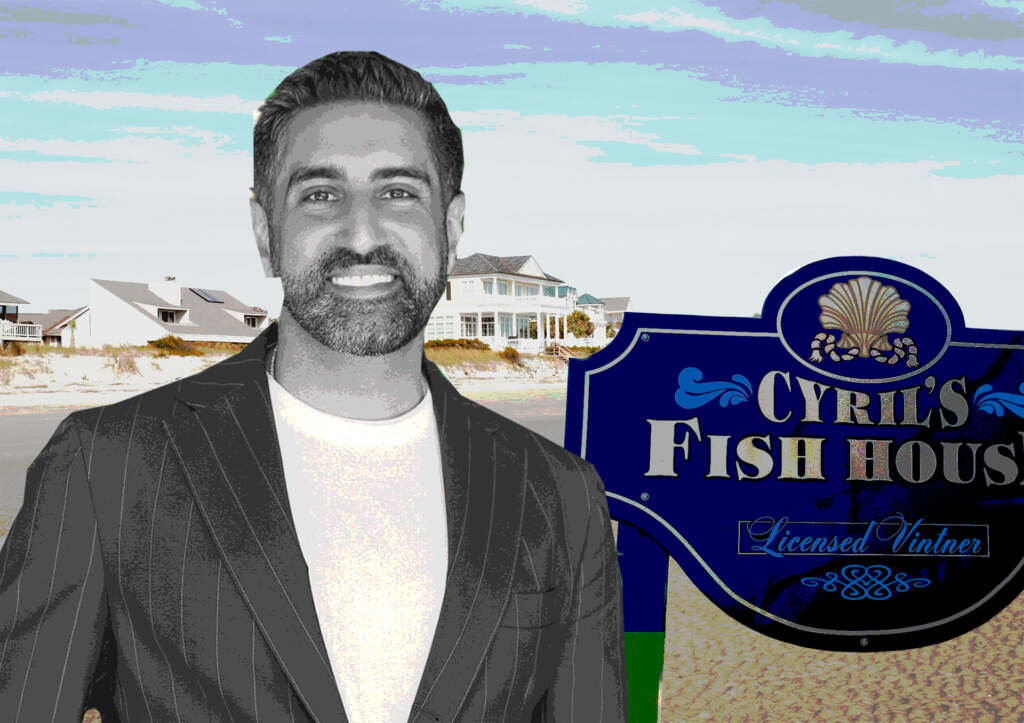
But take a step back from all that glamour, and you start to see the cracks. Morton’s rise — fast, splashy, and fueled by ever-bigger bets — wasn’t exactly built on bedrock. Lately, the financial pressure’s been piling up.
It’s interesting how quickly he got here. In less than a decade, Morton became the talk of the East End, collecting a portfolio of homes, restaurants, hotels, and storefronts that, at its peak, edged toward $100 million by the public records. The crown jewel came in 2025: he dropped $30 million on Sag Harbor’s most famous corner — 2 Main Street and 22 Long Island Avenue — shattering records for Hamptons retail and putting himself right in the center of the action. Suddenly, everyone was watching.
If he relished the attention, he didn’t let on. Morton acted almost shy under those spotlights—at least, as much as you can be while making eight-figure deals.
Here’s the thing about Hamptons developers: There’s always one chasing a jackpot. It’s the land of high-stakes dreamers, sure, but most end up learning the hard way that cash is king and luck is fickle. Housing’s expensive, buyers flake, costs balloon, and everyone’s up against endless zoning headaches and an off-season that’ll steamroll thin budgets. To really make it here? Deep pockets and a risk appetite are just the starting line.
That was the club Morton wanted in on. He started in 2016, flipping empty plots into slick spec homes. That first run didn’t end well — money ran dry before the paint could. Lenders swooped in and grabbed what was left.
But Morton wasn’t the disappearing type. After the stumble, he came back swinging: bigger ambitions, bigger bets.
In 2019, he picked up Cyril’s Fish House — a local legend that’d sat empty for years — and turned it into Morty’s Oyster Stand. He brought chef Sam Talbot on board, which pretty much guaranteed buzz all summer. Morty’s hit every Hamptons “where to eat” list and, for a moment, became that place everyone had to try.
And he didn’t stop there. Morton scooped up Ruschmeyer’s, a Montauk favorite, plus Rick’s Crabby Cowboy Cafe and a handful of retail properties in Water Mill and Southampton. Meanwhile, he kept building fancy homes across the East End.
For a few seasons, it all worked. Homes sold for big profits. Some investors cashed out and got exactly what they came for. He made it look easy — until it wasn’t.
Morton’s empire started getting complicated, fast. Deals were stitched together from different loans, layered partnerships, and properties tangled as collateral for more debt. Projects got bigger, budgets blew up, and nothing ever seemed to finish on schedule.
Then came the real drama. Several restaurants hit walls with liquor licenses. Zoning boards dug in their heels. Large-scale projects dragged through approval processes that would test anyone’s patience. Lenders gave deadlines that didn’t match practical delays. Pretty soon, the pressure was everywhere — and so was the debt.
In the last couple of years, things started to unravel. Lawsuits and liens stacked up. Subcontractors chased him for bills tied to projects that had run out of steam. Loans got messy — properties cross-collateralized so that when one deal wobbled, the others teetered too. Some creditors pushed to get at his own East Hampton house.
Suddenly, Morton had to sell. Some properties went quietly; others ended up in new hands under much less glamorous circumstances. Revenue at his main company tanked as the wheels came off the development machine.
Then the big blow: this May, he lost the famed Sag Harbor property to Mavik Capital after missing payment deadlines. The biggest prize was gone.
It’s an old dance in the Hamptons — big dreams, bigger risks, beautiful properties that become cautionary tales. This market rewards hustle and vision, but it eats the unprepared alive. It moves slowly, and it’s expensive.
Morton’s journey is a crash course in that lesson. He shot from obscurity to front-of-the-pack aggressive investor. And just as fast, when financing got tricky and the realities of building in the Hamptons kicked in, it all started to slide.
He’s pushing back, of course — disputing the lawsuits, insisting that the real story’s more complicated, that deals are getting worked out, and that it’s not over yet. Some of those cases are still running, and nobody knows where it’ll all land.
So, does Morton get another act? Or does his once-supercharged climb remain a chapter closed in the Hamptons playbook? For now, the answer’s up in the salty summer air.