The Bridgehampton catering favorite brings East End ingredients, farm-fresh turkeys, inventive sides and homemade desserts… Read More →



The Bridgehampton catering favorite brings East End ingredients, farm-fresh turkeys, inventive sides and homemade desserts… Read More →

Rich suede, supple leather, and bohemian rock ’n’ roll details set the tone for the… Read More →
The former social studies teacher and soccer coach posed as a teenage boy on Snapchat… Read More →
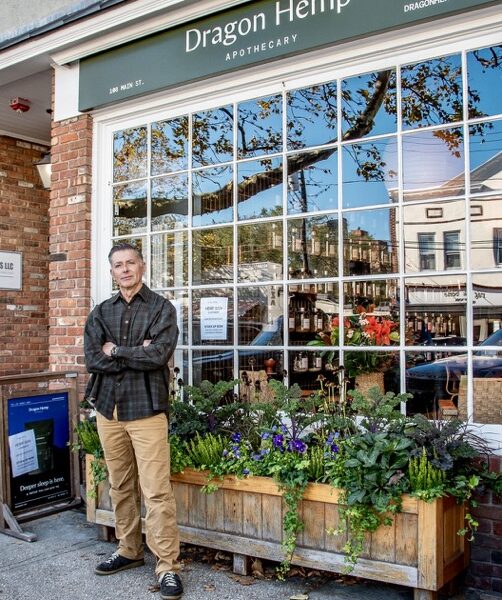
Kevin Menard’s Main Street wellness shop is preparing to close by Dec. 11, leaving loyal… Read More →

Forget the basic Hamptons sweatshirt. This autumn, while everyone is here for pumpkin patches and… Read More →

The 11th annual festival, Oct. 21-22, will honor Anthony Anderson, Kate Walsh and Denée Benton,… Read More →
From Benedict Cumberbatch in Frankenstein to The Rocky Horror Picture Show, An American Werewolf in… Read More →
A lucky lottery player turned a $50,000 prize into a six-figure payday in Monday’s drawing.… Read More →

From Southampton’s Halloween pet parade and Sag Harbor’s Ragamuffin Parade to costume parties at Wölffer… Read More →
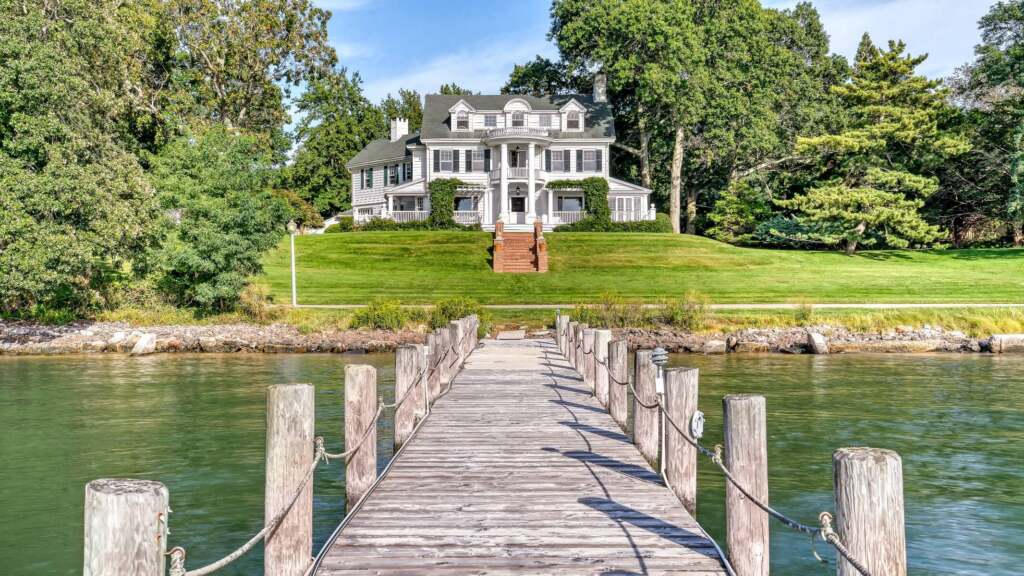
Let’s talk about Shelter Island — the kind of place you go to get away,… Read More →
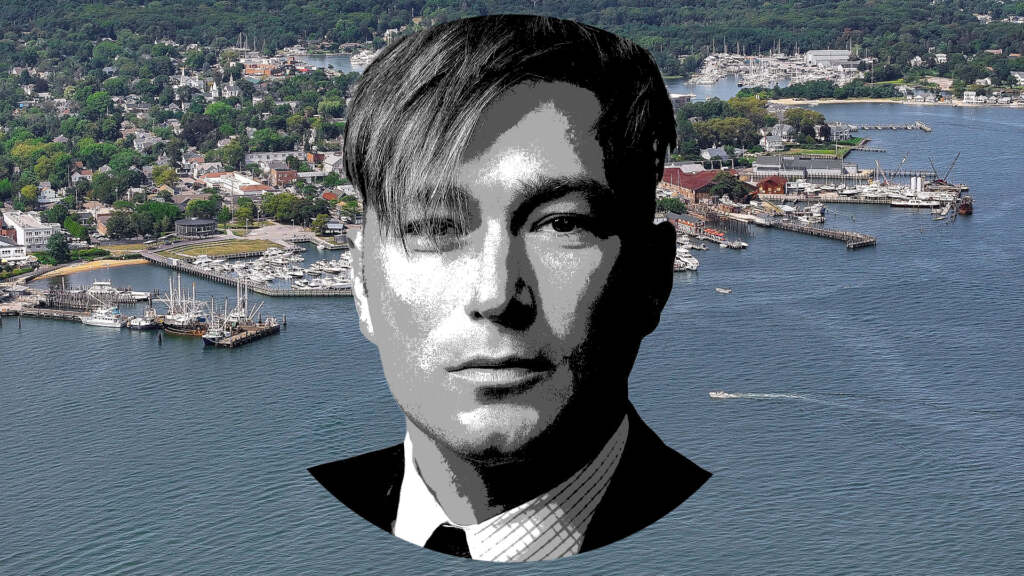
Out on the North Fork, the signs went up before most folks even recognized the name.
Big, black placards with the Soloviev Group logo started popping up — at vineyard gates, beside old barns, along the edges of cornfields. Quiet, almost matter-of-fact, but hard to miss if you drove those country roads. At first, they just marked new ownership. Then, bit by bit, they started to feel ominous — physical hints that someone big was piecing together a private empire in one of Long Island’s last pockets of resistance.
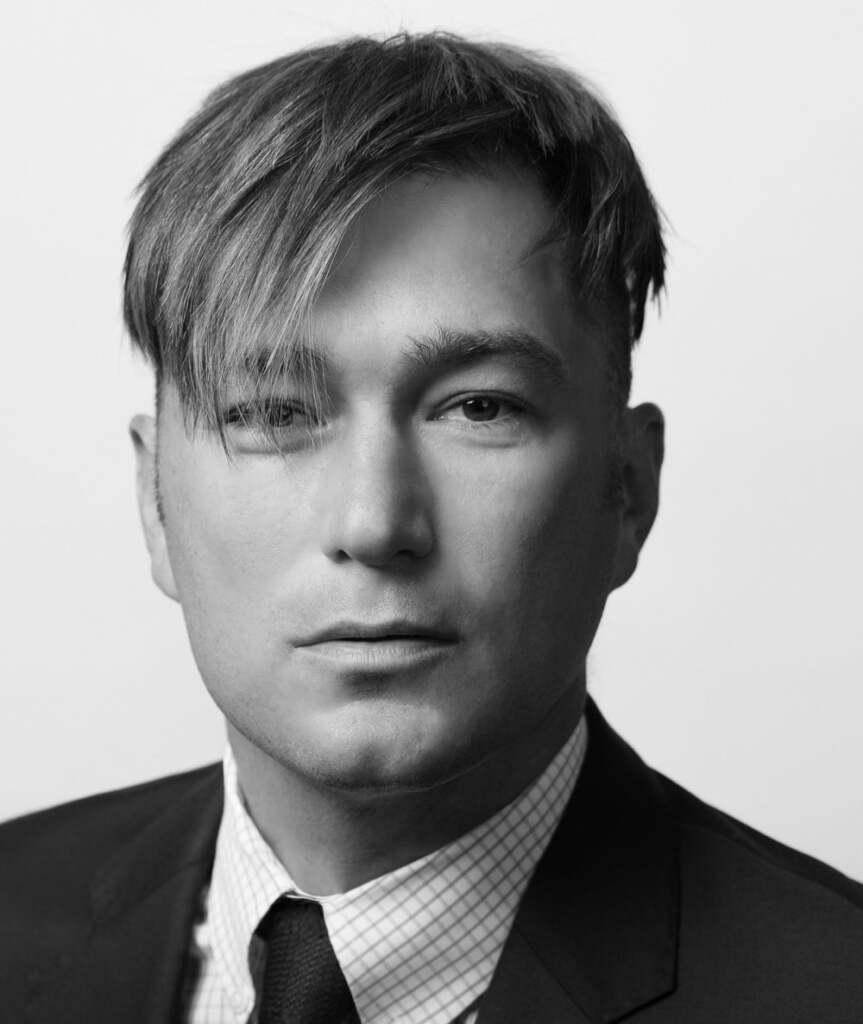
That someone is Stefan Soloviev. 51; his father was Sheldon Solow, skyscraper mogul and one of the original Manhattan power brokers. Stefan’s been busy building more than family — he’s got over 20 kids, by the way — and amassing huge swaths of real estate from the city out to Suffolk County. Lately, though, he’s focused on the North Fork, scooping up more than a thousand acres: vineyards, working farmland, hotels, a vineyard or two, storefronts, and prime Shelter Island haunts. The list now includes Peconic Bay Vineyards, a handful of hospitality spots, retail nooks, and a patchwork of untouched land that, for now, waits quietly.
It’s made him powerful out east. But popular? Not exactly.
The North Fork has always had its own version of a velvet rope — a blend of old farm families, preservation laws, and a let’s-not-get-too-fancy ethos. They left the glitz to the Hamptons, kept the farm stands and clam shacks, and let the rest of the world chase luxury condos elsewhere. Here, the biggest worry wasn’t who bought the summer home next door, but what would happen if a single investor started buying everything.
It happened faster than locals expected. Soloviev’s takeover of Shelter Island mainstays — The Chequit, Jack’s Marine, even the one pharmacy — raised eyebrows. When the pharmacy stopped handling prescriptions, the small-town grumbling turned into real concern. People started asking: was this how you lost a community’s backbone? To a billionaire’s bottom line?
Then, the development rumors started. Soloviev floated plans to build luxury homes on one of the last untouched waterfront spreads. Conservation deals would keep some fields open, but, honestly, development on that scale? It felt like the first act in the “Hamptons-ification” of the North Fork — a slow drift toward exactly what everyone moved here to avoid.
But for Soloviev, land isn’t just money — it’s an obsession. The guy owns more than 600,000 acres scattered across the country: wheat fields in Kansas, vineyards out here, freight railroads, hotels, office towers. He manages his own fiefdom of “regions,” and North Fork happens to be another tile in his real-life Monopoly set.
His outsized life doesn’t slow him down. The press loves the stories — 20-plus kids, dramatic relationships, older children already learning to run the empire. His family bounces between business meetings and dinner tables and back again.
Visionary? Empire-builder? It depends on who you ask. No one argues this: Stefan Soloviev has changed the game.
This part of Long Island is still mostly farmland and fishing shacks, with more grapevines than yoga studios. The wild card now: what happens once one player owns this much? Do you get to keep the charm, or do the storybook towns start to vanish, replaced by something sleeker, emptier?
Right now, Soloviev is still at it—signing deeds, eyeing new deals, making bets that won’t pay off for decades. What people out here wonder is simple: will he become the North Fork’s unlikely savior, or be remembered as the billionaire who rewrote its story? Ask again in a few years, when the dust settles—or when another black sign quietly appears along some quiet stretch of road.