From a major waterfront celebration to Broadway performers, autumn festivals and a few unexpected outings,… Read More →



From a major waterfront celebration to Broadway performers, autumn festivals and a few unexpected outings,… Read More →

From big-name performers to local celebrations and a few unexpected outings, here’s where to go… Read More →

With deer mating season underway, AAA warns Hamptons and North Fork drivers to stay alert… Read More →
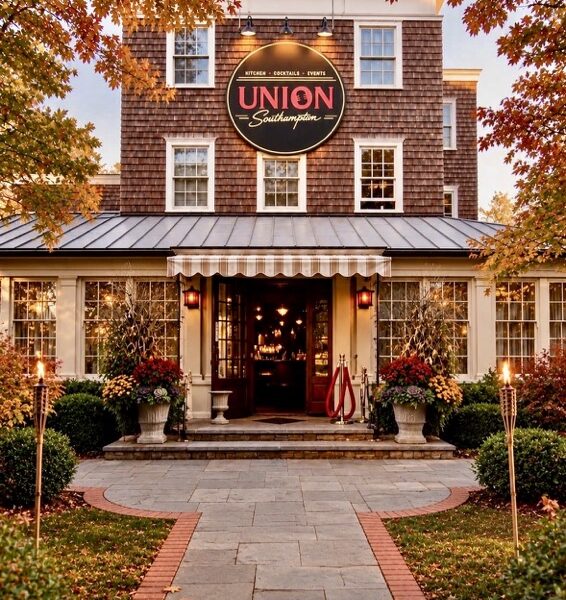
Union finds a new Southampton home, CVS Pharmacy prepares to open at Bridgehampton’s new Target,… Read More →
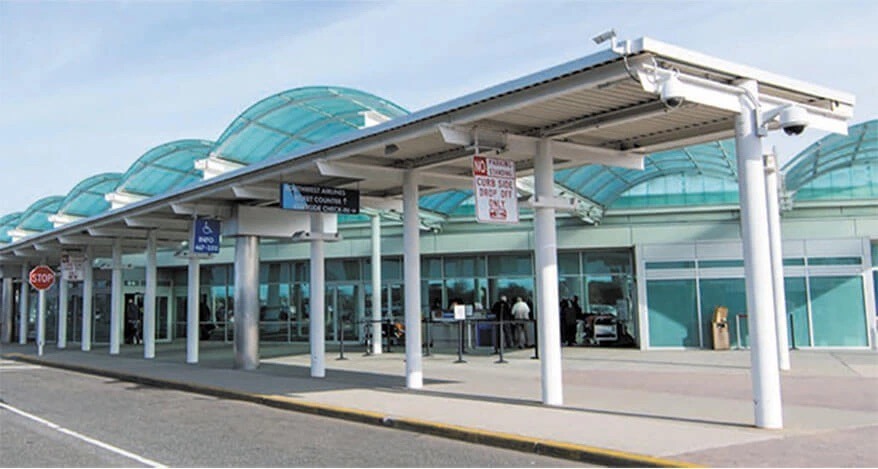
The Ronkonkoma airport, owned and operated by the Town of Islip, takes the No. 1… Read More →

The bestselling author and clinical psychologist brings her approach to conscious parenting to Ross School… Read More →

The brothers, whose crimes extended to the Hamptons, face sentencing Oct. 27. Prosecutors cite at… Read More →

From ‘The Studio’ co-creator Alex Gregory, the new series explores wealth, ambition and the relationships… Read More →

The East Hampton reception brought together art, wine and philanthropy, with wines from Ridley Scott’s… Read More →

Hundreds of people and their canine companions made their way from Mulford Farm to the… Read More →
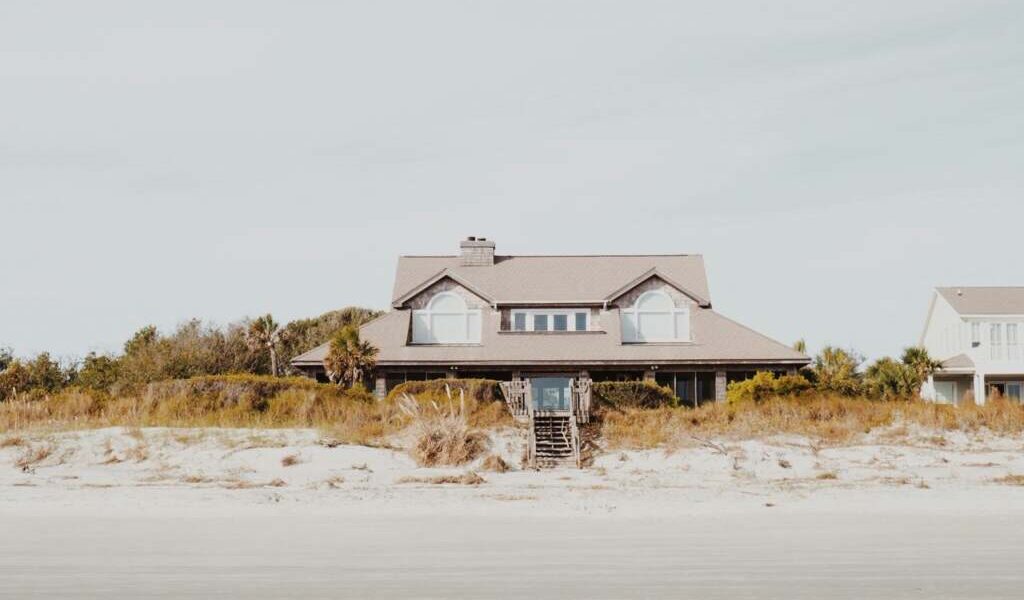
Everyone loves a headline about a record-breaking waterfront estate in the Hamptons, but that’s just the surface. This past quarter, the real story was all about the middle — the buyers with deep enough pockets for a million-dollar home, but not angling for the McMansions.
Data from Miller Samuel and Streetmatrix puts it plainly: folks buying homes priced just over $1 million — but well below the highest tiers — made up the biggest chunk of sales across both the Hamptons and the North Fork. Yeah, overall sales slowed, but people looking to trade up didn’t lose steam. They’re actually driving the action now, and that’s where buyers see the real value.

Take the Hamptons. Out of roughly 1,200 homes sold last quarter, about 68 percent went for between $1 million and $5 million. That segment just overtook the top-end luxury market, which had held center stage earlier in the year. Meanwhile, sales above $5 million dropped, making up less than 18 percent of deals (they had been at 20 percent the previous quarter).
The North Fork is right in step. Over half its 113 sales topped $1 million — a record on its own. If you narrow it down, nearly 45 percent were between $1 million and $2 million, a clear sign that the middle market is gaining serious strength.
This wave of mid-tier purchases did funny things to the numbers. On the North Fork, the average sale price soared almost 12 percent from last year, hitting a record $1.7 million. But the median price actually dropped over 10 percent to $980,000. What does that mean? Bigger, pricier homes are selling, but it’s not signaling a big drop in values — just a shift in the types of homes changing hands.
The Hamptons stats are more direct. Median price jumped over 16 percent to $2.2 million, and the average nudged up 3 percent to $3.4 million. That’s four straight quarters of double-digit median price growth. The buyers are still there, even though there are fewer deals overall.
Why do the prices keep rising? It’s not just demand; it’s also about what’s for sale. New construction and bigger, expanded homes are coming online, and they’re listed higher, which pushes both median and average prices up.
Inventory — or the lack of it — is still a huge issue. Hamptons listings dropped almost 10 percent from last year, hovering around 1,160 available homes. Less supply means prices stay firm, even while sales activity slows.
On the North Fork, listings bumped up 5 percent this quarter, but honestly, it’s still tight — inventory sits more than 45 percent below its ten-year norm. Buyers just don’t have many choices.
Overall, sales are down. In the Hamptons, transactions fell 10 percent compared to last year’s same period, and North Fork sales slipped close to 3 percent. But that hasn’t scared off motivated buyers looking for good homes outside the wildest luxury stratosphere.
So, while the Hamptons’ trophy properties keep grabbing attention, the market’s real backbone is this broad group of affluent buyers — families, second-home dreamers, people chasing a certain lifestyle — settling into homes in that $1 to $5 million sweet spot. They’re the ones keeping the whole scene moving.
Right now, the hottest action isn’t up in the penthouses of the market. It’s happening right in the middle, where inventory stays tight, buyers are eager, and prices keep climbing — making the East End a market people can’t stop watching.
The highlights by Jonathan Miller:
Housing prices reached new highs as sales remained constrained by limited supply.
• Median and average sales prices rose to new highs, continuing to outpace inflation
• Sales slipped year over year despite a modest gain in listing inventory
• Listing discount reflected a price premium across the market
• Bidding wars returned above the 50% threshold, consistent with constrained sales and record prices.
• Luxury prices surged annually at nearly double the rate of the overall market
Tight Inventory Continues To Be The Primary Challenge.
• Tight inventory remains the core constraint, with listings down year over year in three of the past four quarters
• Median sales price jumped to the third-highest level on record
• Sales activity declined for the third consecutive quarter despite high compensation and profits on Wall Street
• Quarterly sales were below the decade average, reflecting persistent supply shortages
• Listing inventory fell well below the ten-year average
• The $1M–$5M “middle” market dominated with a record share
Listing inventory remains significantly constrained.
• Price trends were mixed as sales slipped from year-ago levels, yet average sales price reached the highest on record
• Listing inventory rose modestly but remained roughly half the second quarter average for the decade
• The sale of luxury properties fell sharply, with less pressure coming from the Hamptons
• Although there were only a handful of sales, the median sales price of condos surged to a new record
To learn more, visit www.housingnotes.com.