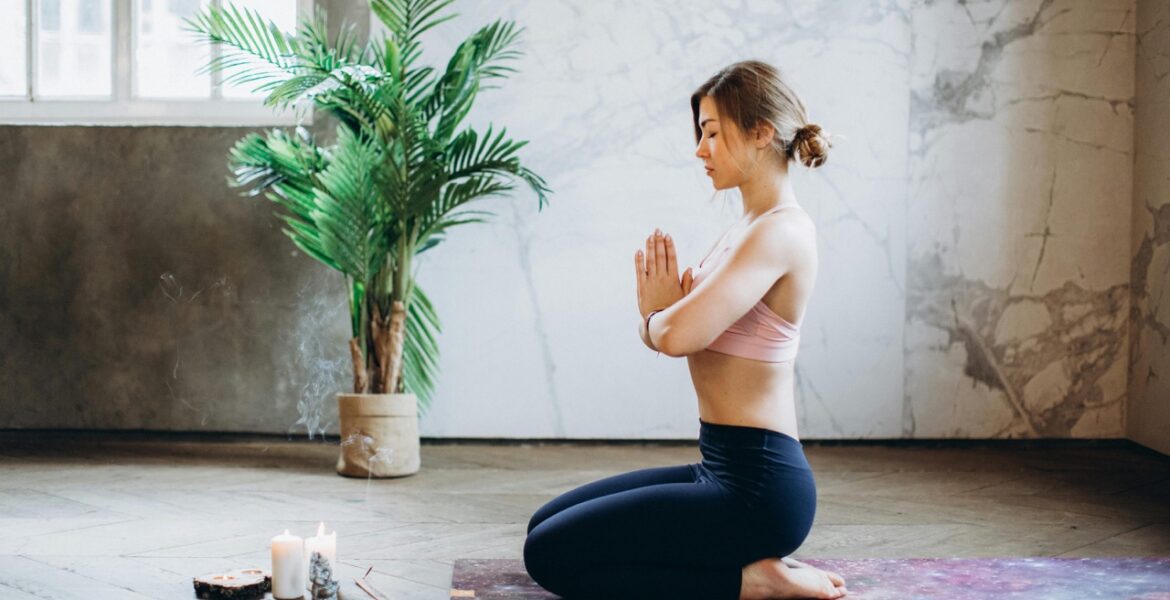
In today’s fast-paced world, sleep often suffers due to busy schedules, stress, and overstimulation. However, a good night’s rest is essential for health, clarity, and emotional balance. Meditation offers a gentle and effective way to calm the mind, release tension, and prepare the body for deep, restorative sleep. By incorporating a few simple practices into your evening routine, you can turn bedtime into a peaceful ritual.
Here are three meditation techniques to help you drift into rest with ease.
Mindfulness Meditation
Mindfulness encourages you to be fully present. It helps you focus on your breath while allowing thoughts to come and go without judgment. Practicing this before bed can ease anxious thoughts and calm a racing mind.
How to practice:
- Sit or lie down in a comfortable position.
- Close your eyes and gently focus on your breathing.
- If your mind wanders, kindly notice it and return to your breath.
- Continue for 10 to 15 minutes, allowing your body to relax deeper.
- Mindfulness helps you let go of the day, making it easier to fall asleep.
- Guided Meditation
For beginners or anyone who finds silence intimidating, guided meditations are a great option. A teacher, recording, or app provides gentle direction, leading you through imagery, breathing exercises, or affirmations that help quiet the mind.
Benefits include:
- Reducing mental chatter
- Lowering stress and anxiety
- Establishing a calming routine that signals to the body that it’s time to rest
- Guided meditations are widely available online and can be customized for sleep, making them accessible for everyone.
Body Scan Meditation
Often, it’s not just the mind but also the body that keeps us awake. Body scan meditation helps release physical tension by guiding your awareness slowly from one part of the body to another.
How to practice:
- Lie comfortably in bed.
- Close your eyes and start with your toes, noticing and releasing any tension.
- Gradually move your focus upward—feet, legs, hips, abdomen, chest, arms, shoulders, neck, face—softening each area as you go.
Spend 10 to 30 minutes unwinding until your whole body feels relaxed.
The body scan not only relieves physical tightness but also creates a deep sense of grounding, ideal for drifting into sleep.
The Takeaway
Whether you choose mindfulness, guided practice, or a body scan, meditation can help you develop healthier sleep patterns and a calmer mind. By making bedtime a moment of stillness, you give yourself more than just rest; you create space for renewal.