The Bridgehampton catering favorite brings East End ingredients, farm-fresh turkeys, inventive sides and homemade desserts… Read More →



The Bridgehampton catering favorite brings East End ingredients, farm-fresh turkeys, inventive sides and homemade desserts… Read More →

Rich suede, supple leather, and bohemian rock ’n’ roll details set the tone for the… Read More →

The former social studies teacher and soccer coach posed as a teenage boy on Snapchat… Read More →
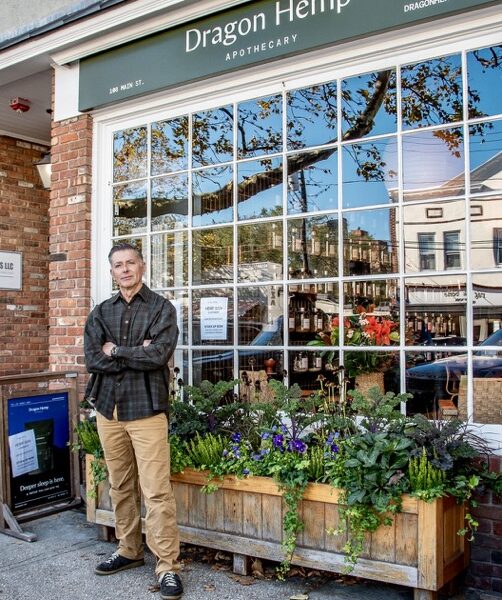
Kevin Menard’s Main Street wellness shop is preparing to close by Dec. 11, leaving loyal… Read More →
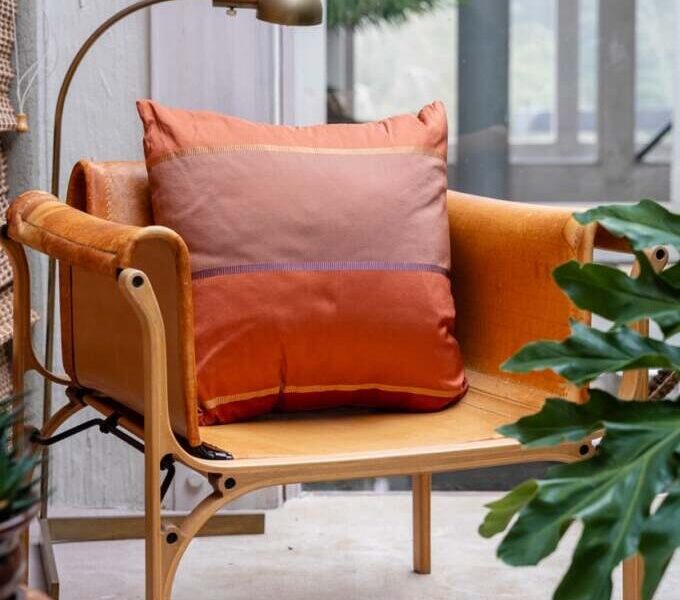
Forget the basic Hamptons sweatshirt. This autumn, while everyone is here for pumpkin patches and… Read More →

The 11th annual festival, Oct. 21-22, will honor Anthony Anderson, Kate Walsh and Denée Benton,… Read More →

From Benedict Cumberbatch in Frankenstein to The Rocky Horror Picture Show, An American Werewolf in… Read More →
A lucky lottery player turned a $50,000 prize into a six-figure payday in Monday’s drawing.… Read More →

From Southampton’s Halloween pet parade and Sag Harbor’s Ragamuffin Parade to costume parties at Wölffer… Read More →
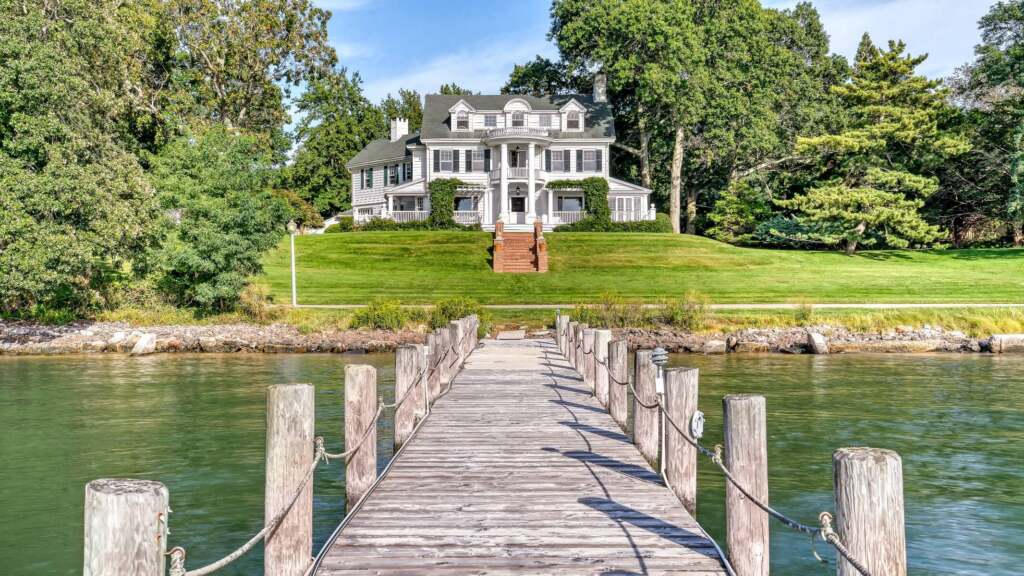
Let’s talk about Shelter Island — the kind of place you go to get away,… Read More →
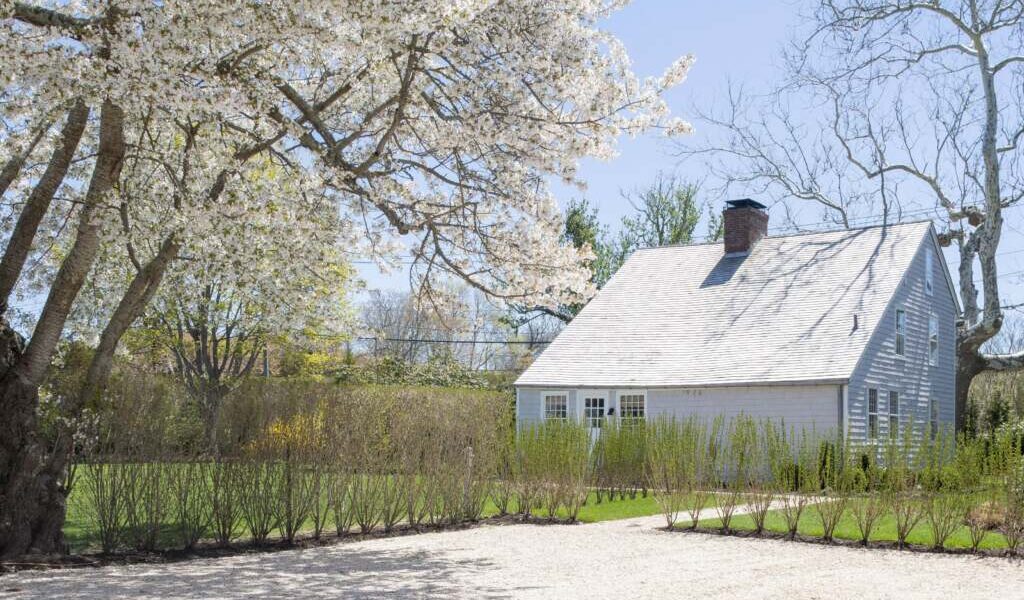
When you talk about the Hamptons, new houses are usually what everyone’s discussing.
You see sleek, modern homes popping up where potato fields used to be. Huge houses built to sell quickly often get bought even before the yard work is done. Developers are always trying to outdo each other with fancy wine rooms, health spas, and pool houses that look more like movie sets for drones than places people actually use every day.
But now and then, a place comes along that just doesn’t fit into all that.
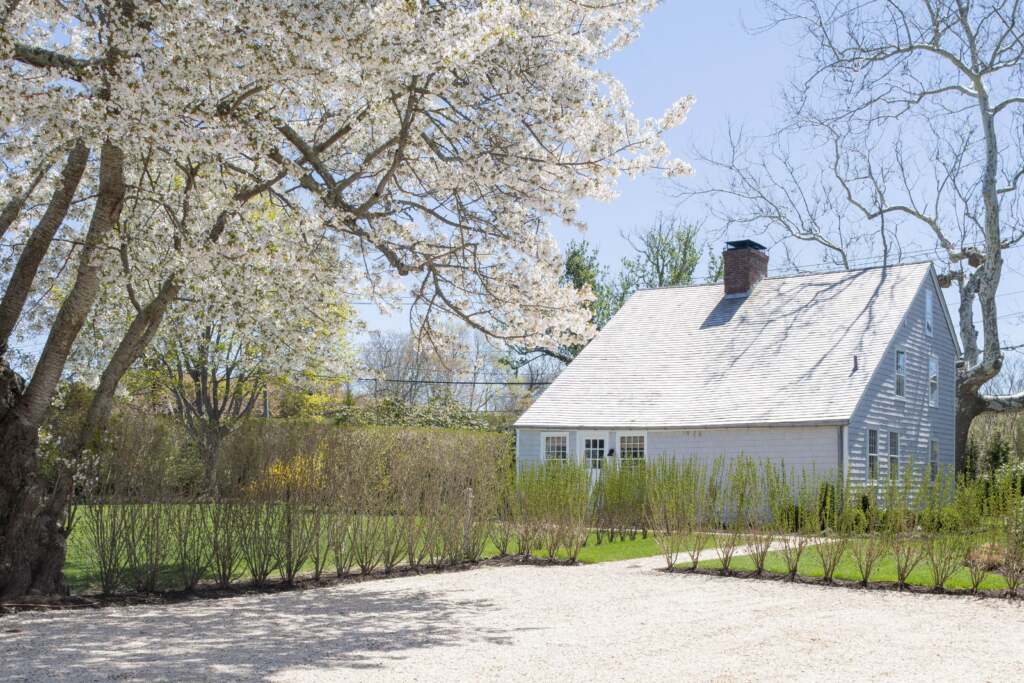
For example, a saltbox house in Sagaponack, almost 280 years old, just went up for sale at $4 million. It’s been completely fixed up, changed from the inside out, but they made sure to keep its original architectural charm, which is what made it special to begin with. It is represented by Adam Hofer of the Lorber Team at Douglas Elliman.
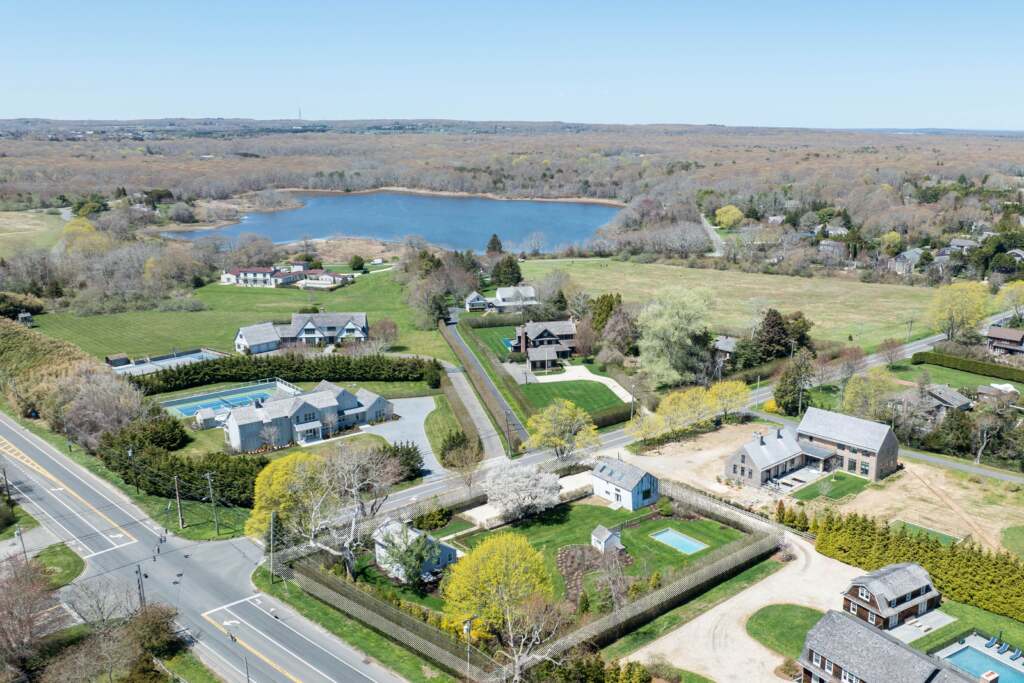
This three-bedroom home was built around 1750, long before America even declared its independence. It sits on almost an acre near Poxabogue Pond, in a very old and expensive part of the country that hasn’t changed much over time.
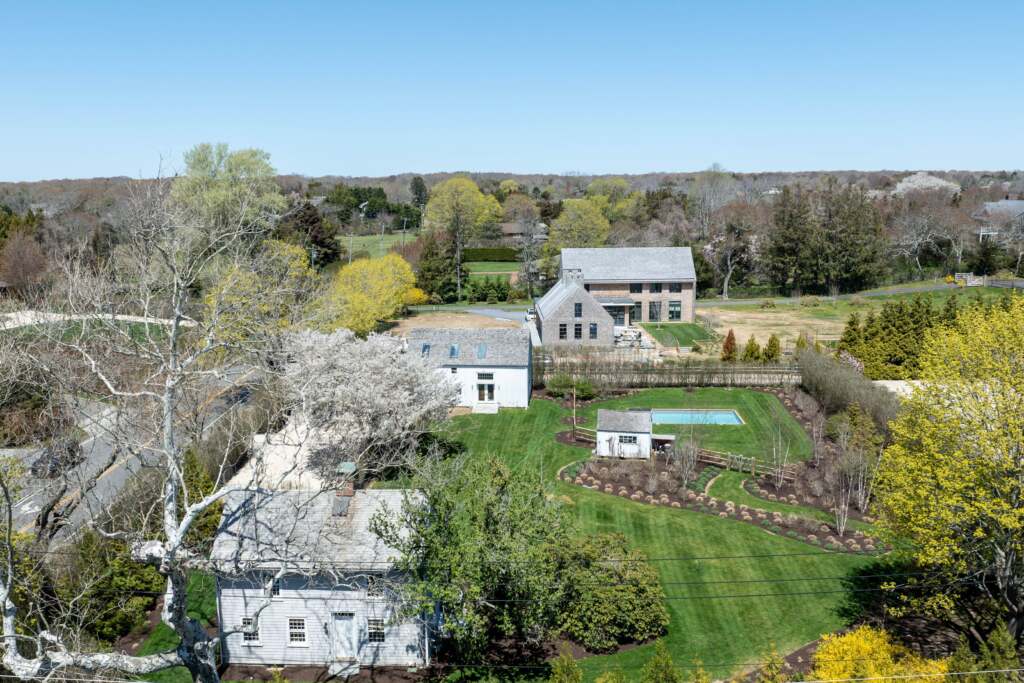
In the Hamptons, where bigger is usually seen as better, this property offers something you don’t find as often: a real sense of history.
And unlike a lot of old homes that need a ton of work and where you’re not sure how much it’ll cost to keep them up, this one is completely restored and ready to move into.
The recent renovation covered everything.
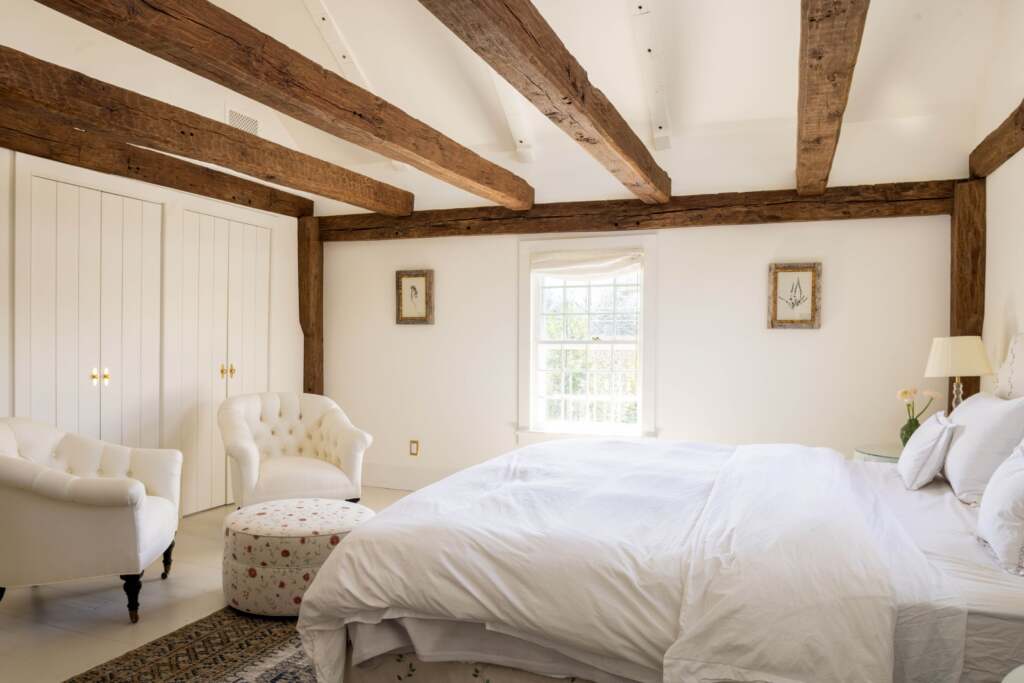
They carefully took out the house’s original main beams, fixed them up, and put them back. All the electrical, plumbing, heating, cooling, and insulation systems were thoroughly updated. Instead of replacing the windows, they restored them. The floors got a fresh look. They even added soundproofing between floors. So, what you get is a house that still looks like an 18th-century saltbox but works with all the modern comforts you’d expect in a luxury home today.
Finding that sweet spot—keeping the old feel without making it inconvenient to live in—is getting harder and harder for people who work on preserving old homes in the Hamptons.
Often, old houses are either updated so much they barely look old anymore, almost like new builds, or they’re kept so strictly traditional that they’re just not comfortable to live in. This place, though, seems to have hit a much rarer balance: it’s true to its history but also perfectly practical for today.
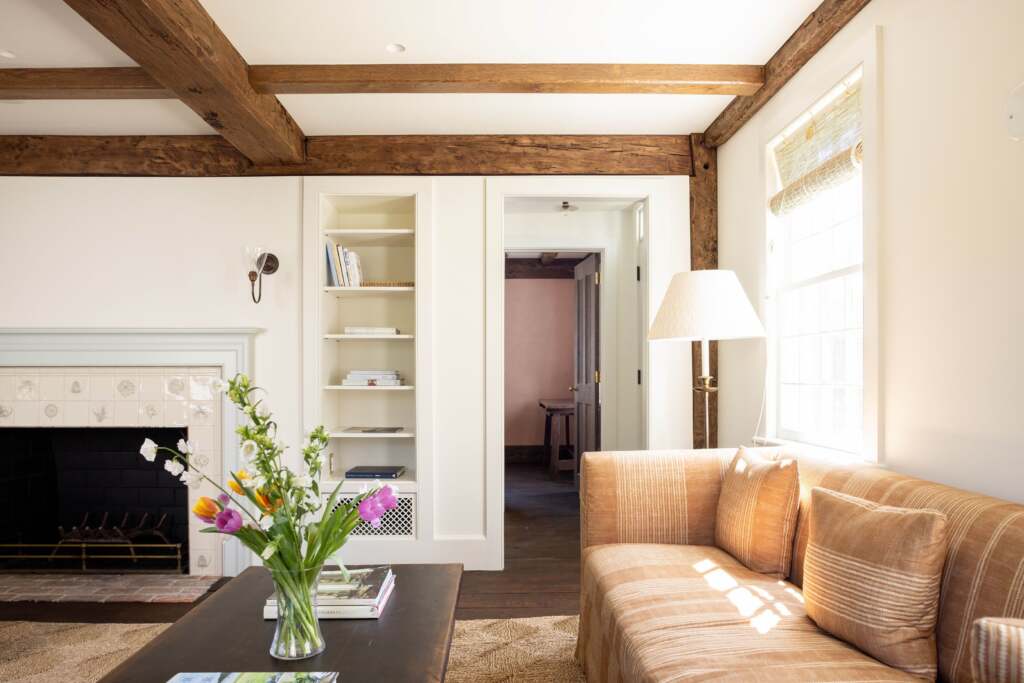
Inside, the house focuses a lot on rich textures and skilled workmanship, not just showing off.
You’ll see exposed beams, original fireplaces, old-style paneling, fixed-up mantels, solid oak doors with brass locks, custom wood details, and unpolished brass hardware. All these things make the inside feel calm, cozy, and very much connected to the house’s age, but without looking like some kitschy colonial theme park.
The kitchen mixes an old-fashioned look with fancy modern touches. It has Michelangelo marble counters, a Shaw farmhouse sink, and top-notch appliances from brands like Bertazzoni, Cooper Home, and Miele.
The bathrooms were redone with unique tiles and Lefroy Brooks fixtures. This keeps the old feel going while also giving you the high-quality finish that Hamptons buyers want these days.
Even the basement was carefully designed, with terra-cotta herringbone floors, custom-built storage, and extra space for guests. This makes the house more useful without messing with its original style.
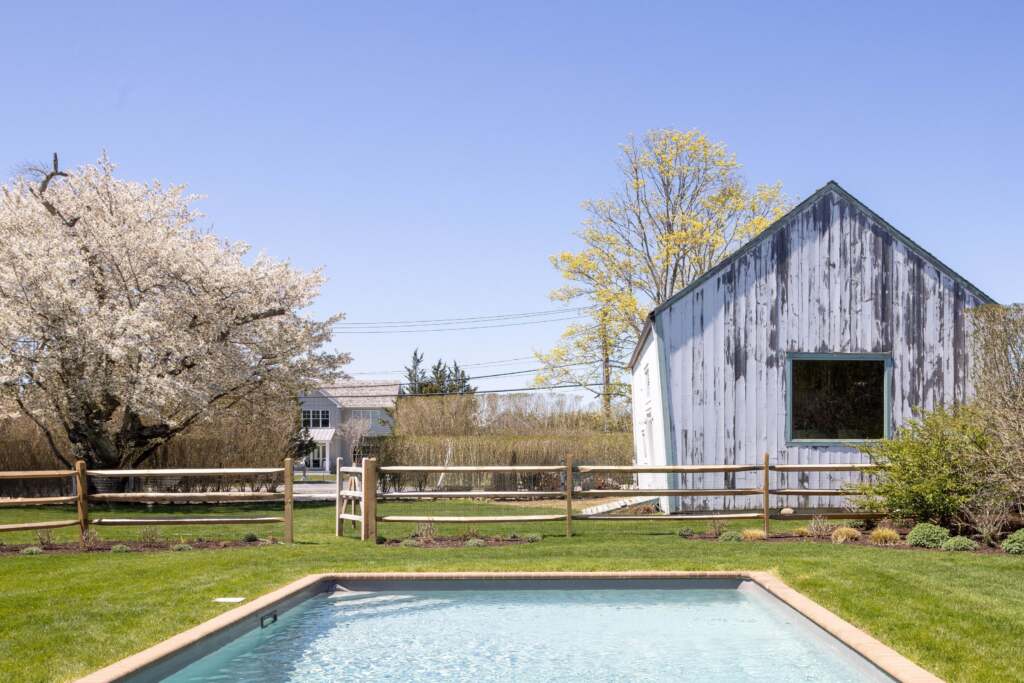
Outside, the almost one-acre yard has also been completely redone.
New grass and grown-up plants make the area around the main house look softer. And there’s an in-ground pool, which feels more understated and luxurious compared to the huge, resort-like pools you see everywhere else on the East End now.
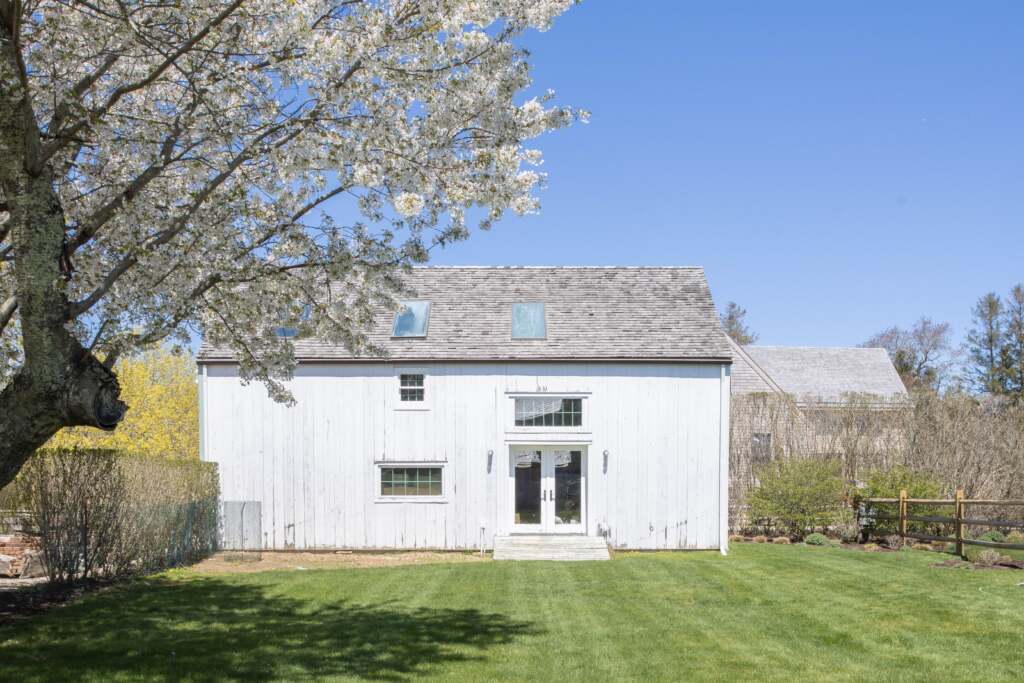
Maybe the most interesting part is the 1,500-square-foot barn right next to the pool.
Unlike the main house, they mostly left the barn as is during the renovation. This means it could become a guest house, a studio, a party spot, a big garage, or even another pool house later on. In today’s Hamptons market, where extra buildings that can be used for different things are super valuable, this untouched barn might end up being one of the best long-term features of the property.
This house is also coming up for sale at a time when things are really busy in Sagaponack.
Sagaponack has long been seen as one of America’s fanciest ZIP codes. It holds a special place in the Hamptons because it’s very private, right in the middle of everything, and has managed to avoid too much building. You don’t see many big businesses moving in. Old, historic homes are getting harder to find. And houses with a real architectural history rarely show up on the market ready for someone to just move in.
That shortage has kept buyers interested, even when the wider luxury market slows down sometimes.
But what makes this home so appealing isn’t just where it is or how much it costs.
It’s the rare idea that fixing up something old can actually be a luxury in itself.
These days, a lot of buyers want things right away, with simple, modern designs and lots of space. But homes like this offer something you can’t easily copy: a lasting quality, expert handiwork, and the feeling that a place has stood for hundreds of years not by chance, but because it was truly worth keeping.
The house isn’t on the National Register of Historic Places, but it’s still one of just 16 buildings officially marked as historic in Sagaponack Village. That really shows how little of the Hamptons’ original architecture is still standing.
And maybe that’s why this property feels so special.
Almost three hundred years after it was first built, this home is starting a new chapter. It’s been restored not to be a museum piece, but to be a lively part of the Hamptons today.
In a market always chasing the newest thing, that might be the most precious thing you can find.
Learn more by visiting www.elliman.com.