From a $325,000 parcel in East Hampton to nearly $800,000 for a village-fringe building lot,… Read More →
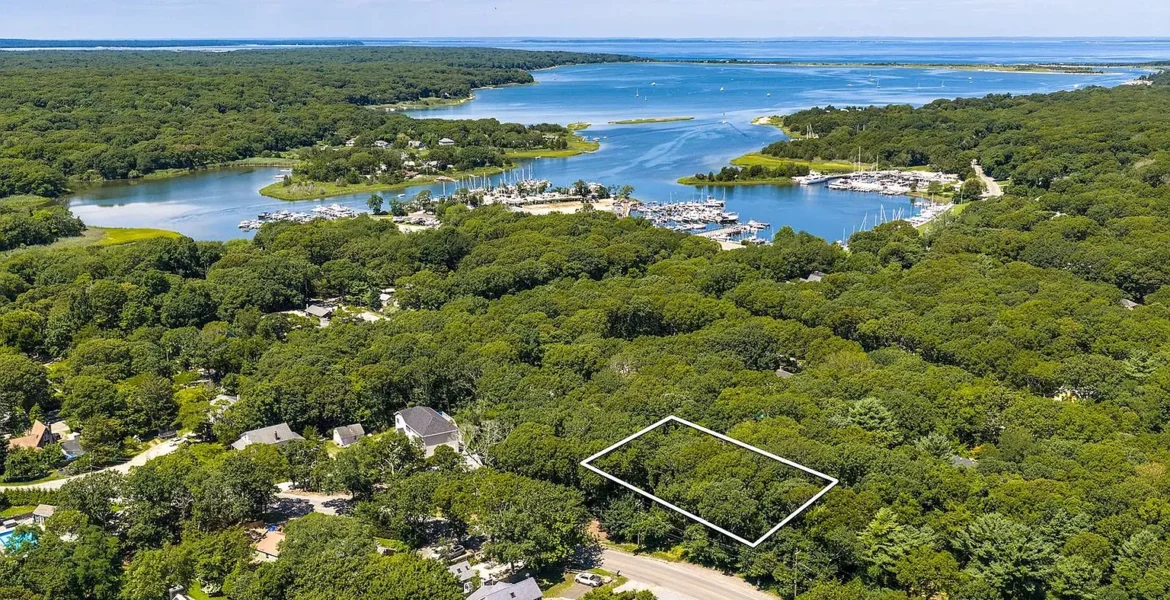

From a $325,000 parcel in East Hampton to nearly $800,000 for a village-fringe building lot,… Read More →

EXCLUSIVE: The Good Day New York anchor opens up about her mother’s enduring influence, treasured… Read More →
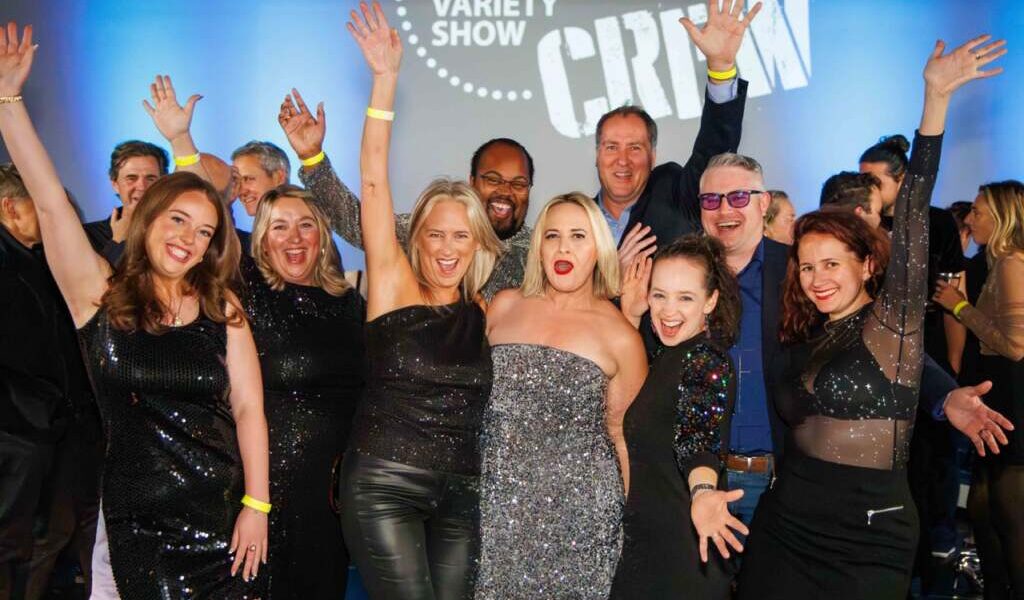
From Southampton to Montauk, the East End’s weekend calendar offers live performances, art, film, fall… Read More →

A couple’s plans to downsize from their longtime Sag Harbor home took an unexpected turn,… Read More →
Peconic Bay Medical Center will provide free breast exams and mammograms for eligible participants, with… Read More →

The Bridgehampton catering favorite brings East End ingredients, farm-fresh turkeys, inventive sides and homemade desserts… Read More →

Rich suede, supple leather, and bohemian rock ’n’ roll details set the tone for the… Read More →
The former social studies teacher and soccer coach posed as a teenage boy on Snapchat… Read More →
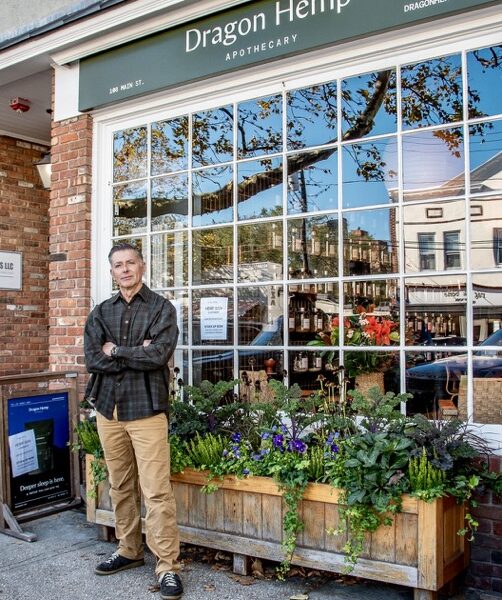
Kevin Menard’s Main Street wellness shop is preparing to close by Dec. 11, leaving loyal… Read More →
Forget the basic Hamptons sweatshirt. This autumn, while everyone is here for pumpkin patches and… Read More →
When we landed back at JFK Airport, my husband, Kurt, and I felt strangely indifferent. After most trips, a city sticks with you. Venice, Tuscany, and Florence left their marks so deeply that we brought them home effortlessly. Rome did not have the same effect. We kept questioning why. On the ride into Manhattan, Kurt finally stated, “I think we did Rome wrong.”
Maybe we didn’t. Perhaps Rome isn’t a city that wraps you in a big embrace. Florence feels like a complete, curated art experience. Venice is a beautiful dream city with clear borders and miraculous visions. Rome resists that. It’s vast, layered, and full of life—more like Washington, D.C. or Philadelphia if you expect a single, grand story from the Revolutionary War. Rome requires a different pace: less planning, more exploration; fewer highlights, more neighborhoods. Maybe the issue wasn’t Rome’s but our expectation that it should act like a museum when it’s very much a bustling city.
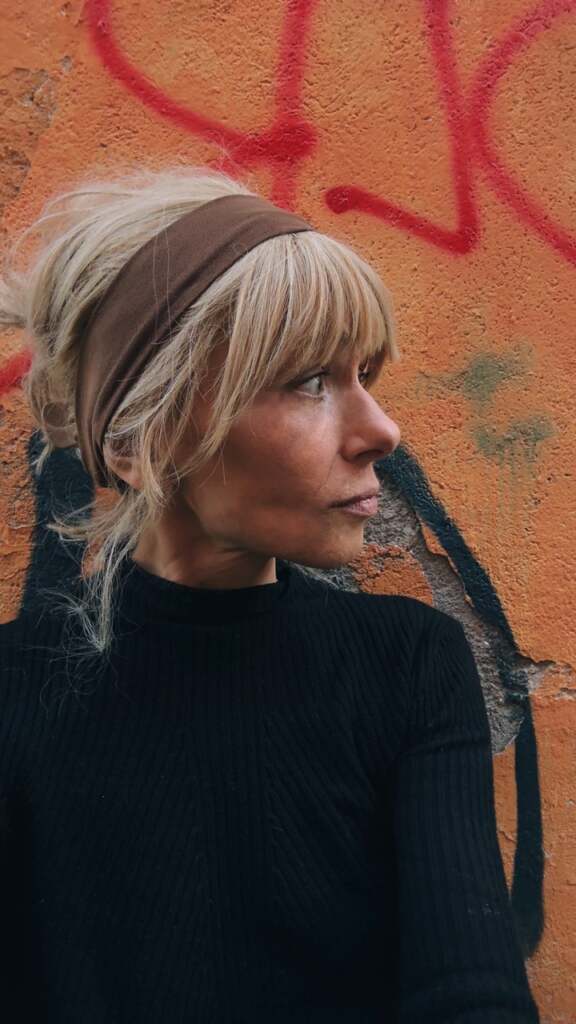 Ty Wenzel in front of graffiti. Photo: Kurt Wenzel
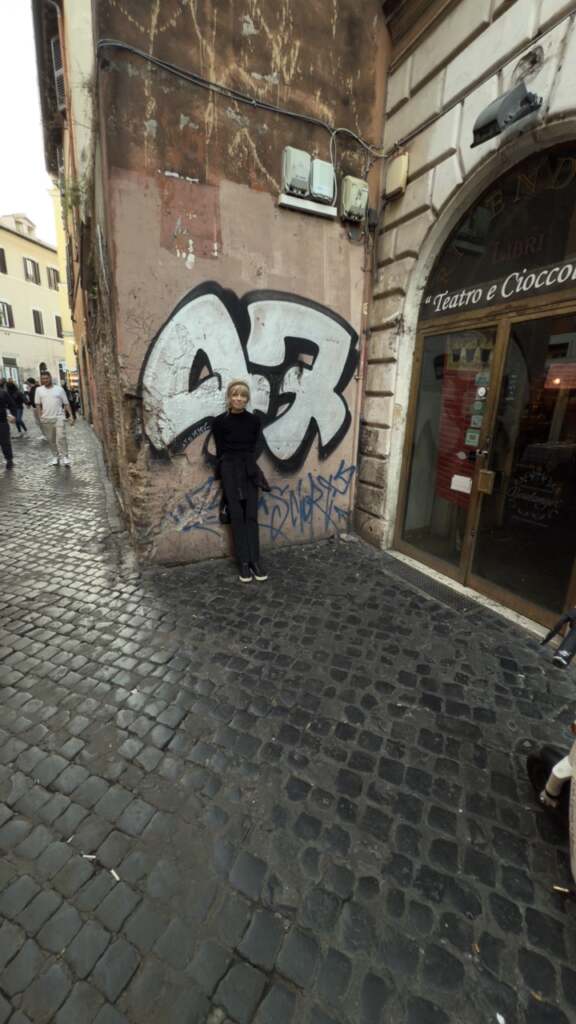 Photo: Kurt Wenzel
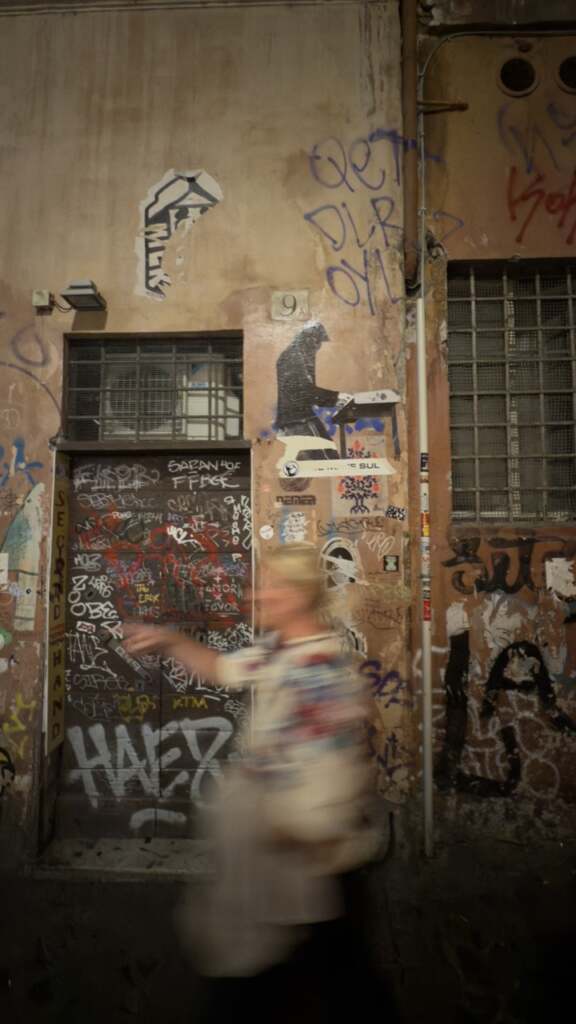 Graffiti everywhere. Photo: Ty Wenzel
Art is everywhere, but it’s different in Florence. There, sidewalk chalk artists seem to pop up on every corner with DaVinci-like talents. In Rome, masterpieces are hidden in museums and archaeological sites. You buy a ticket, join a tour, and enter those spaces. Outside, graffiti catches your eye. It’s bold, clever, and often beautiful, creating a street-level gallery I enjoyed exploring while we waited for tables. And we waited a lot at the best restaurants and the smallest places. Still, the lines moved quickly, keeping pace with the city itself.
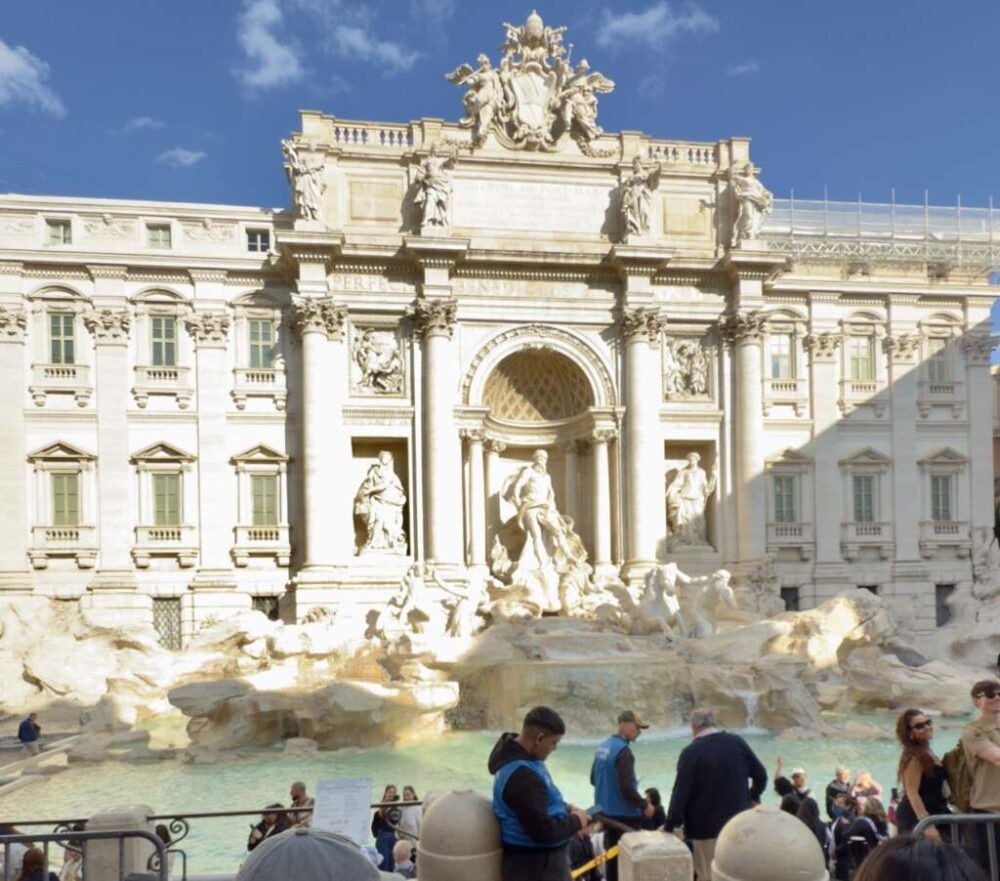
The first stop that stunned us was the Trevi Fountain, featured in Federico Fellini’s La Dolce Vita. This huge — 86 feet high and 161.3 feet wide — Baroque masterpiece is the historic ending point of the ancient Aqua Virgo aqueduct. It appears to emerge from the palazzo façade, as though it were sculpted directly from the building. The crowds were massive as well. Given the steep steps and long lines, we appreciated it from above. At that size, you don’t miss much by avoiding the crowd, unless you want to toss a coin and make a wish.
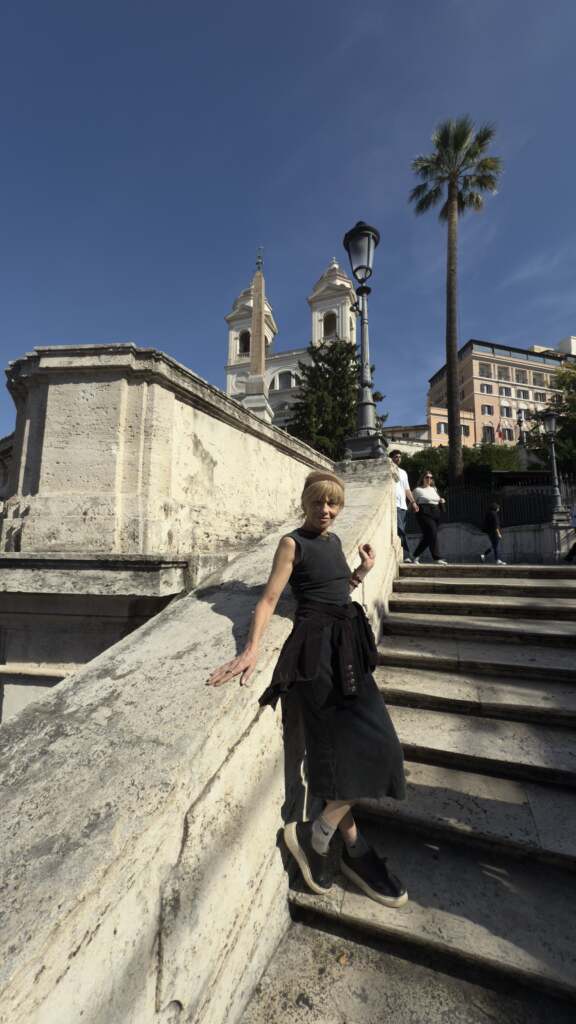
We stopped at the famous Spanish Steps, which Audrey Hepburn made famous in the classic film Roman Holiday. There isn’t much to do there, but it’s one of those iconic places you simply have to see. The steps are grand and curve upward. Standing there, you can’t help but imagine yourself in Hepburn’s elegant shoes, walking down with grace. It feels a bit like stepping into a movie scene, just without the paparazzi. So, we climbed up because what’s the point of visiting if you don’t? For a moment, we pretended we were part of that timeless film magic, even if our version didn’t include a romantic Gregory Peck or gelato. The steps are crowded with people, but the view from the top, which overlooks the piazza below, makes the climb worth it.
I had hoped for more variety, but in a city where restaurants crowd each block, the choices were mostly what I expected: excellent house-made pastas in every shape and a steady flow of pizzas. On many streets, five spots in a row had nearly identical menus—no exaggeration here. We relied on reviews to find the best places and spent a lot of time waiting in line. The notable seafood exception was Baccano, a French-style brasserie in Rome that pays tribute to New York’s Balthazar—right down to the awnings and the menu fonts.
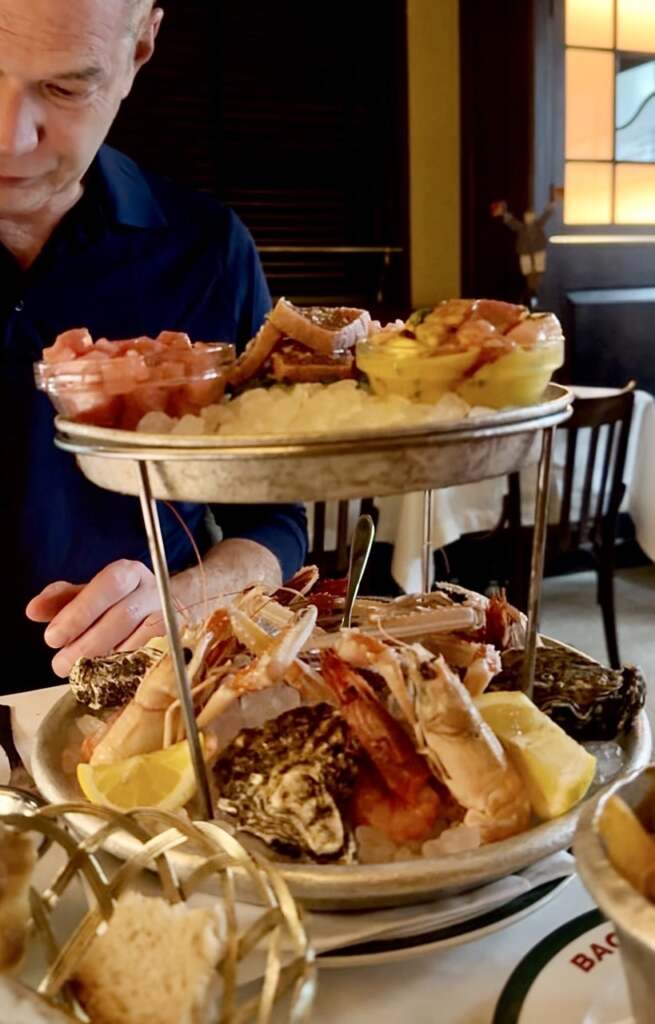 The Seafood Tower at Baccano. Photo: Ty Wenzel
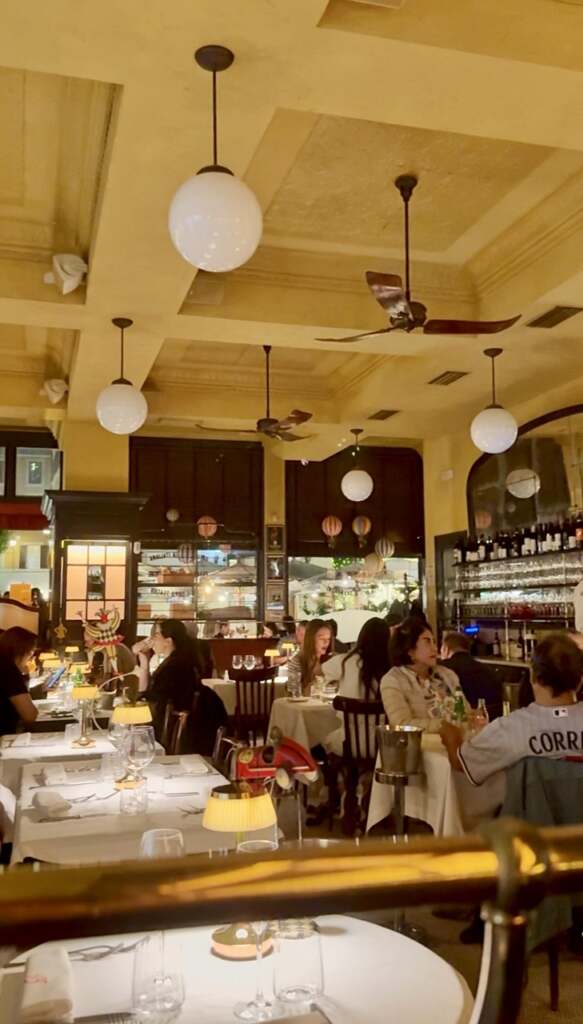 Baccano. Photo: Ty Wenzel
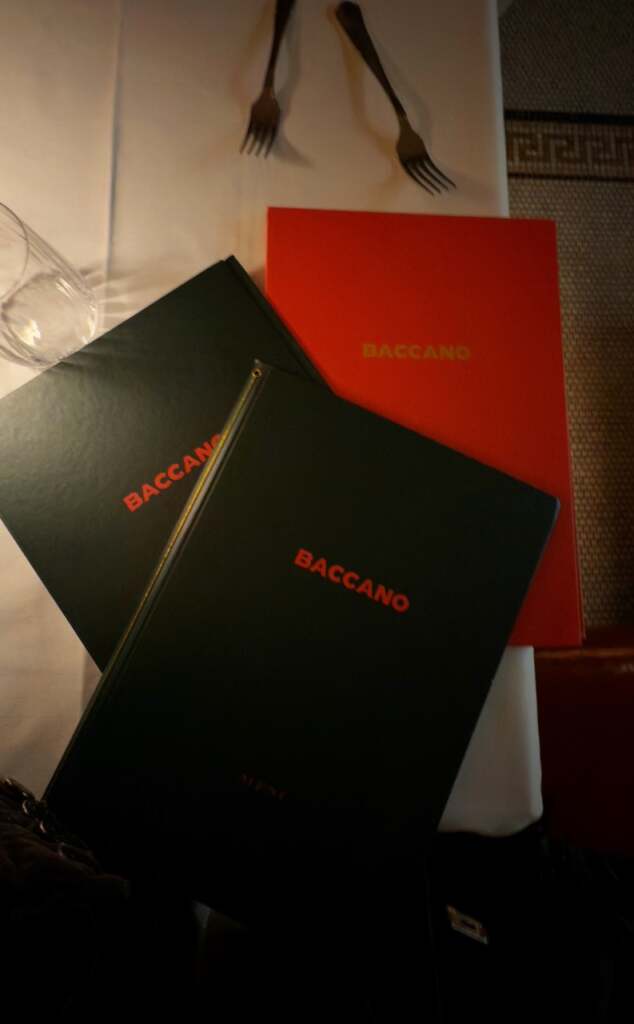 Photo: Ty Wenzel
We got in without a reservation, were seated in the back with a clear view of the room, and ordered the seafood tower for one; I don’t eat much, but I was craving clams and oysters. It was delicious, and their Moscow Mule was one of the best I’ve ever had. But don’t kid yourself, you will be inundated with restaurants that serve delicious homemade pasta and/or pizza.
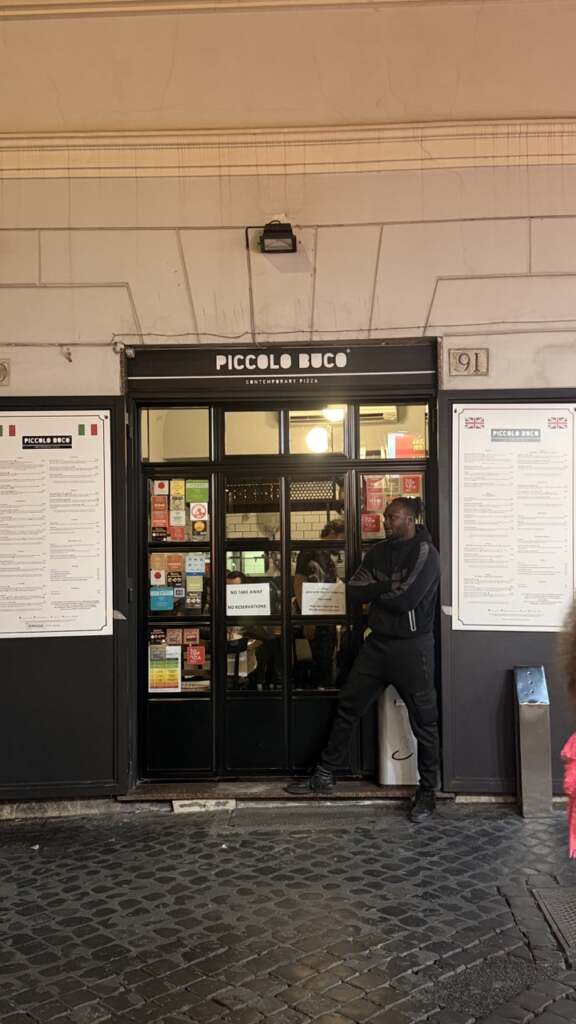 Piccolo Buco. Photo: Ty Wenzel
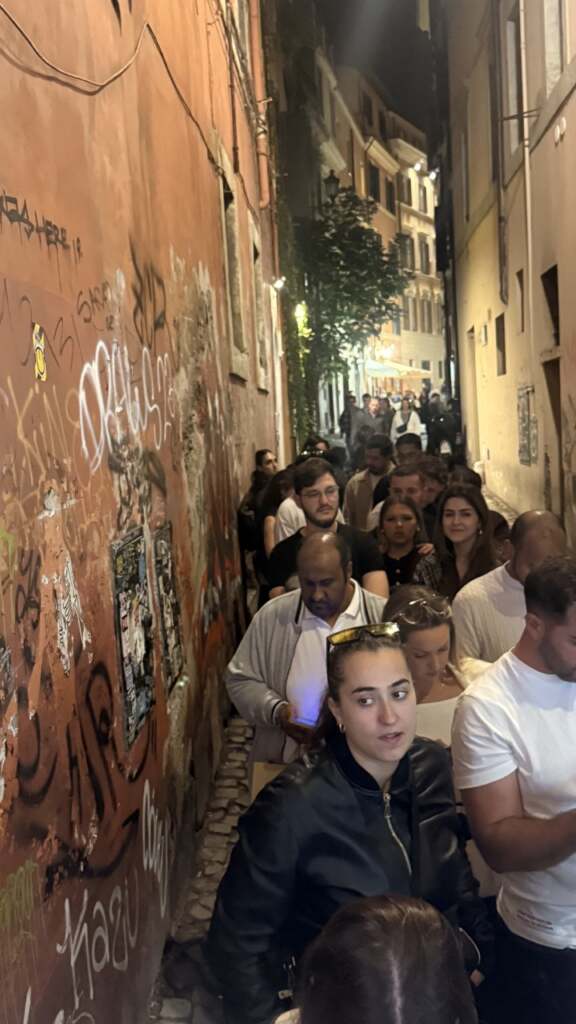 The line for Piccolo Buco. Photo: Ty Wenzel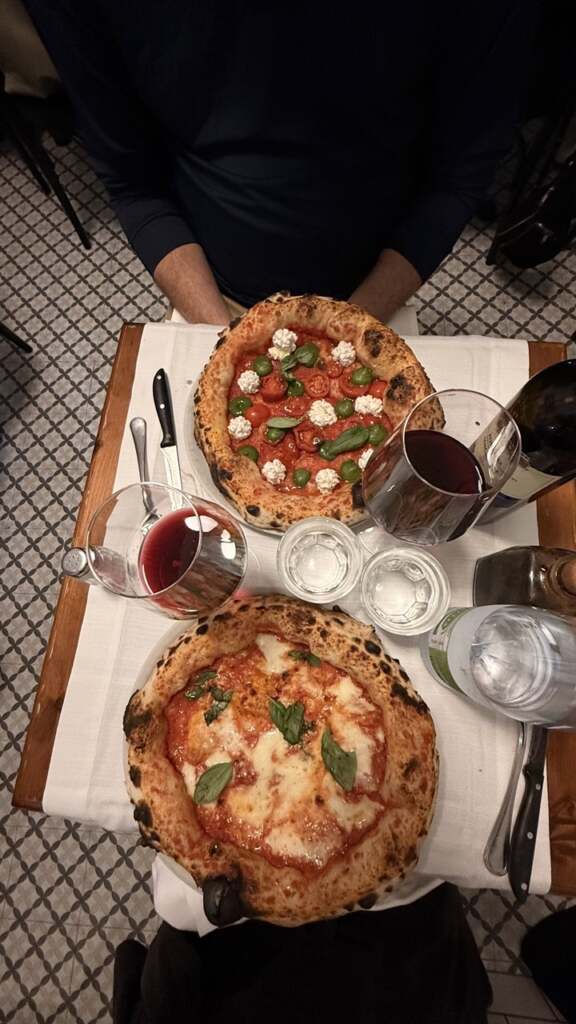
The best pizza we had in Rome was at Piccolo Buco. The crust makes it unforgettable. It’s soft and airy on the inside and crisp and charred on the outside. This is the kind of dough you think about days later. The place itself is small, maybe 28 seats packed into a tiny space. The line winding down the street said it all. We waited, moving forward inch by inch, as we watched pizzas come in and out of the oven. The smells of tomatoes, basil, and melted cheese floated out the door, tempting us. By the time we squeezed inside and took our seats, it felt like an achievement. After just one bite, we knew the wait was worth it.
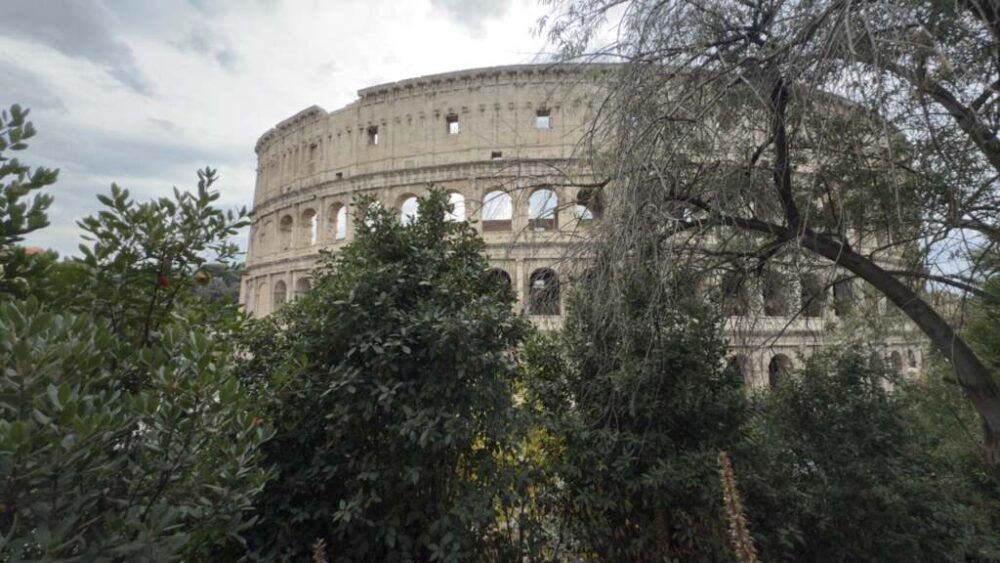
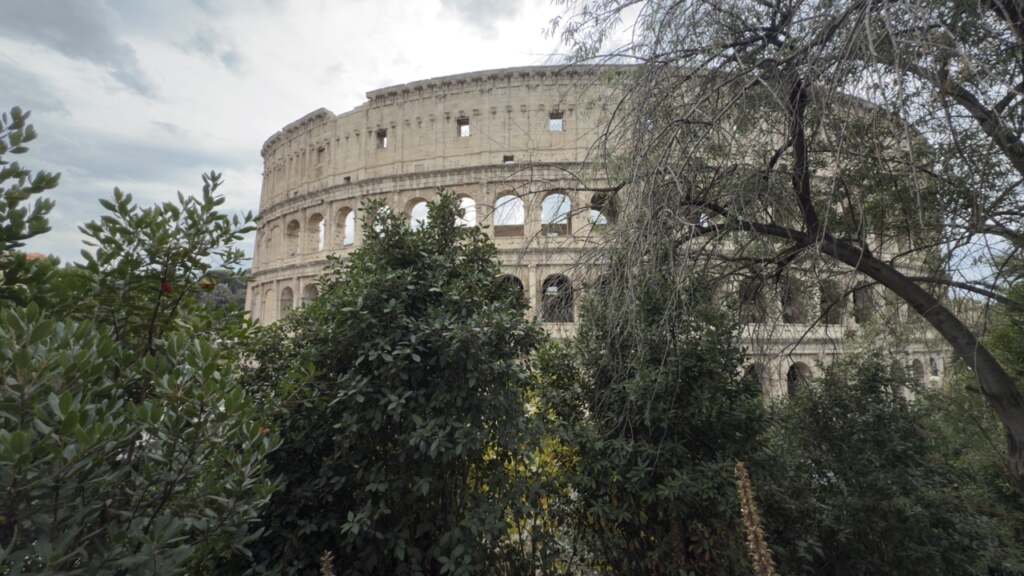
Kurt had planned some iconic trips that are must-sees when visiting Rome, and our first stop was the Colosseum. It’s a bucket list experience for a reason. This massive amphitheater, built between 70 and 80 CE, stands in the heart of Rome and once held up to 80,000 spectators. It hosted everything from hunts and gladiator battles to public executions and persecutions of Christians, providing “entertainment” for the masses in the most brutal ways. The sheer size of it is overwhelming, peeking out from between buildings and trees as our taxi approached the historic site.
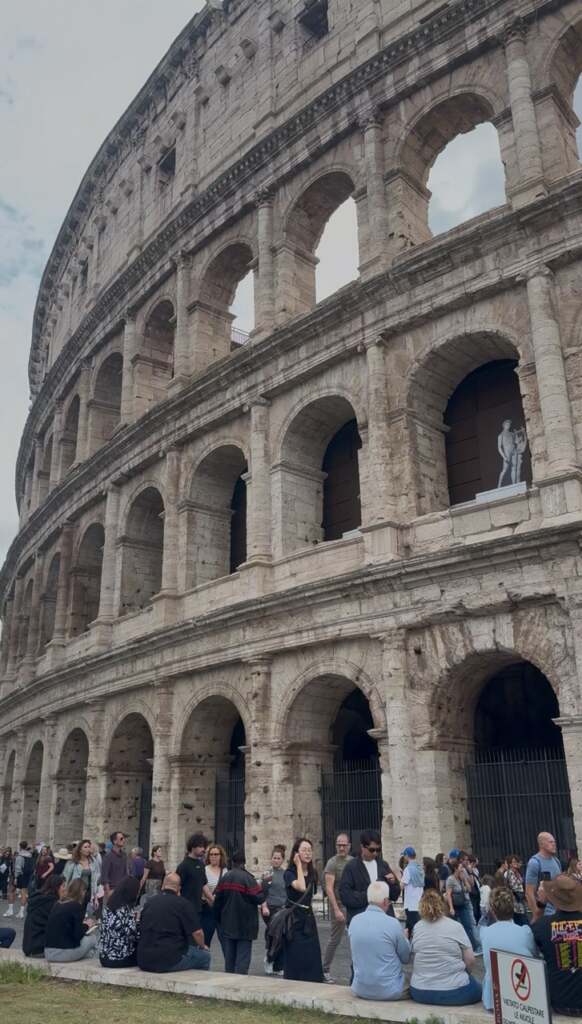 Photo: Ty Wenzel
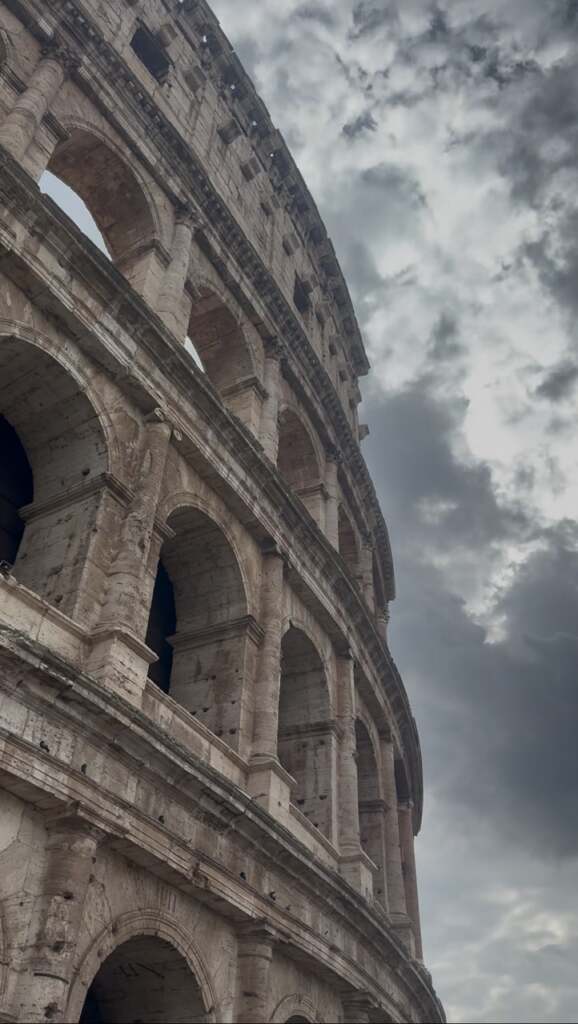 Photo: Ty Wenzel
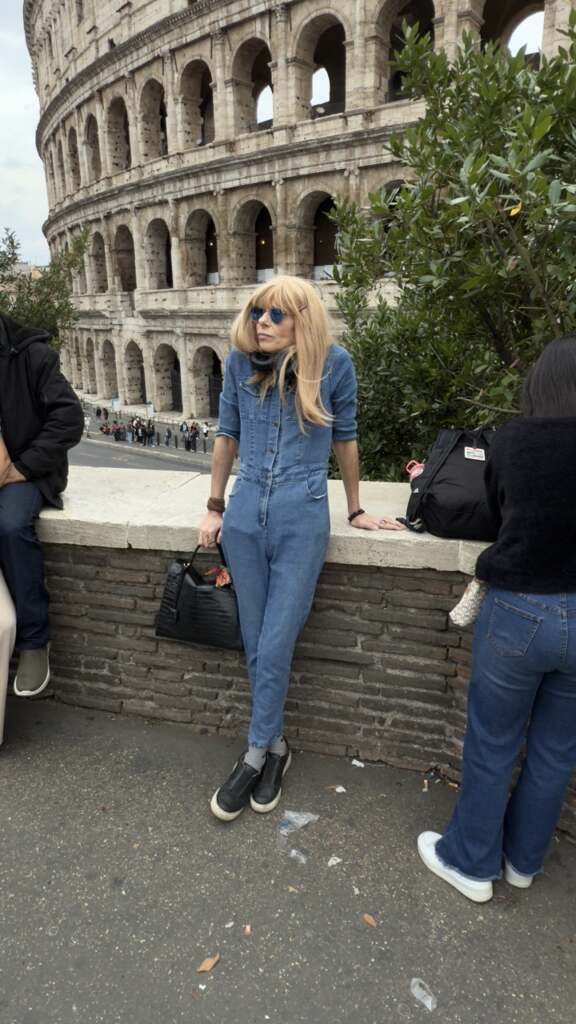 Photo: Kurt Wenzel
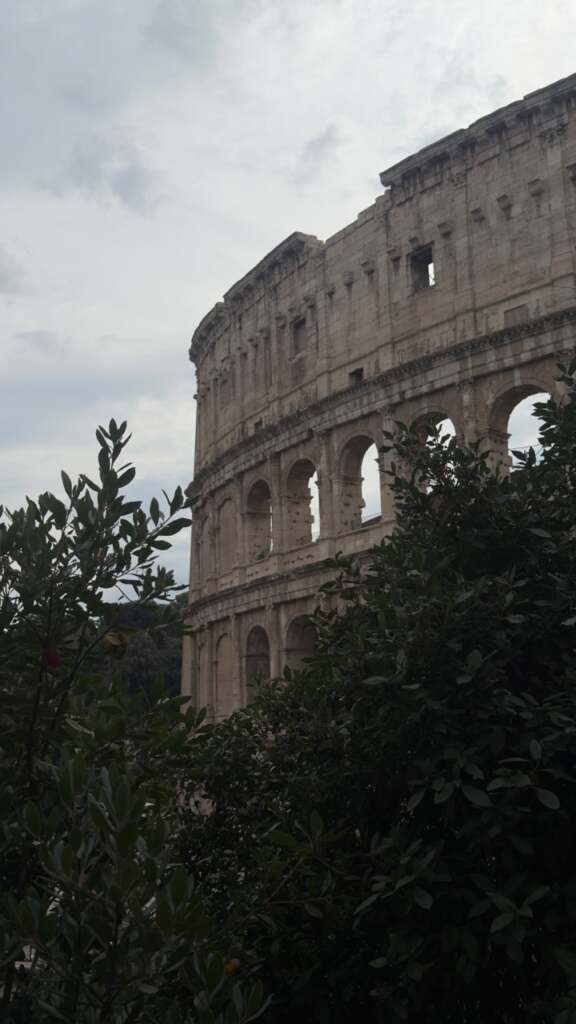 Photo: Kurt Wenzel
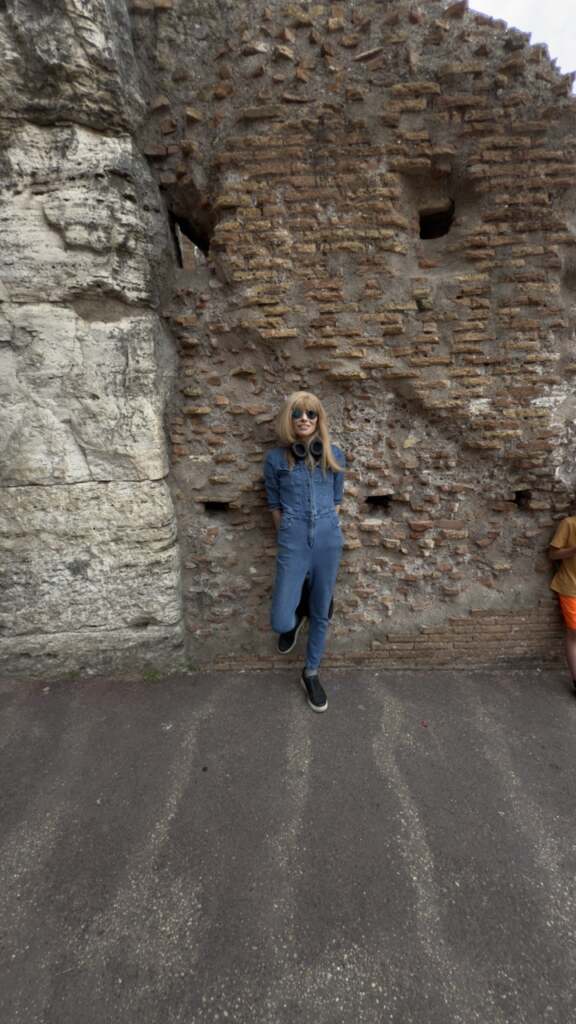 Photo: Kurt Wenzel
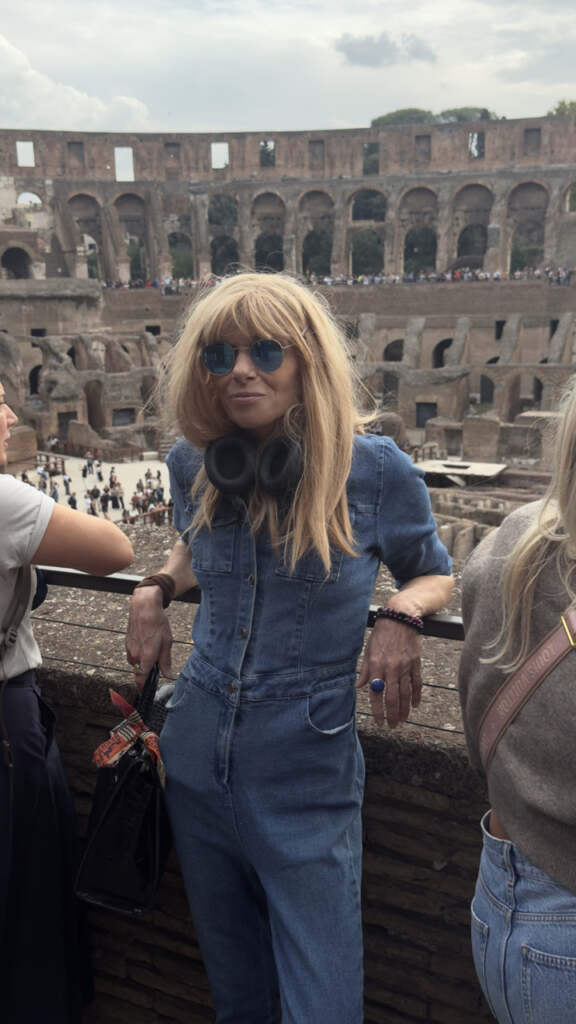 Photo: Kurt Wenzel
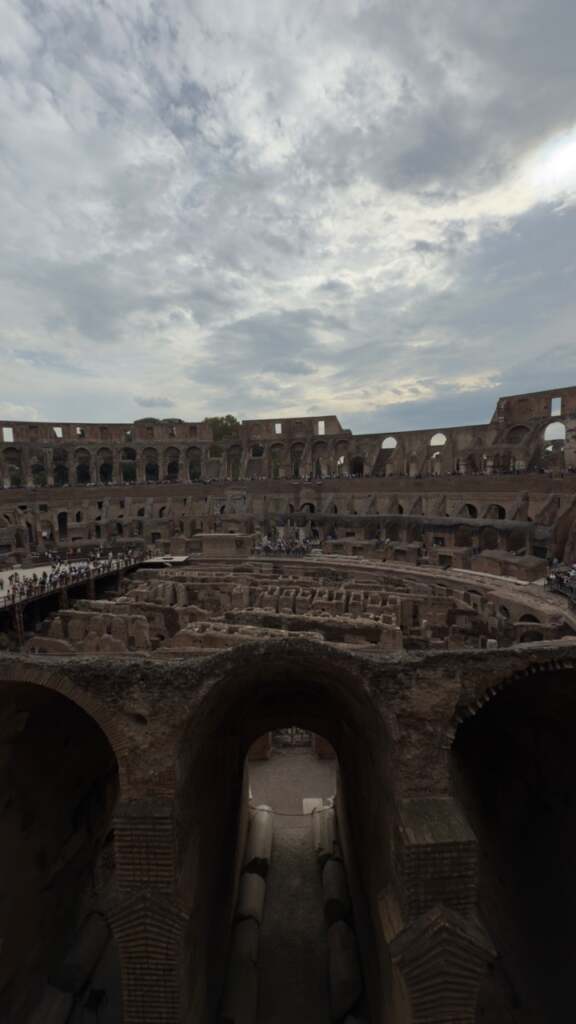 Photo: Ty Wenzel
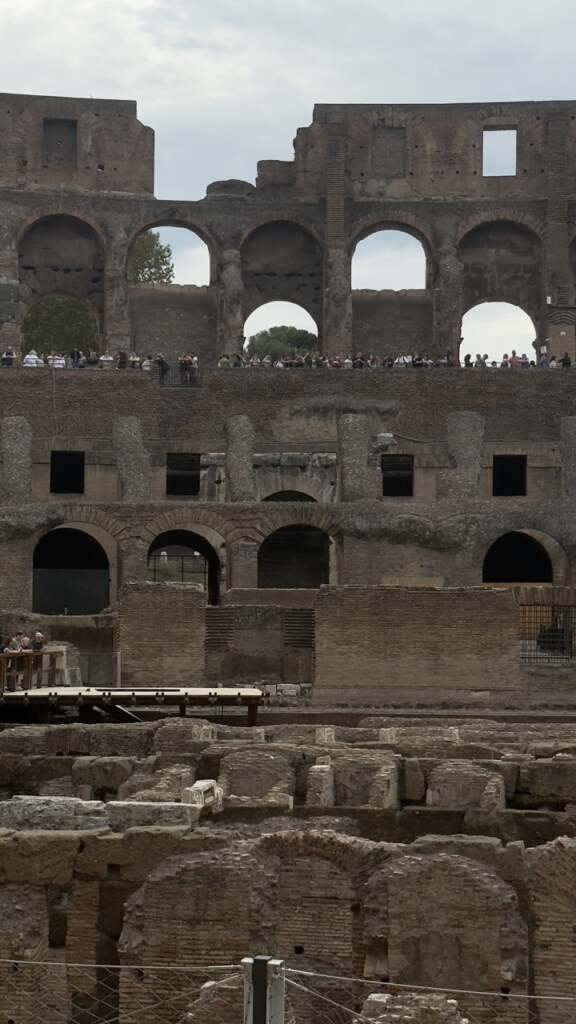 Photo: Ty Wenzel
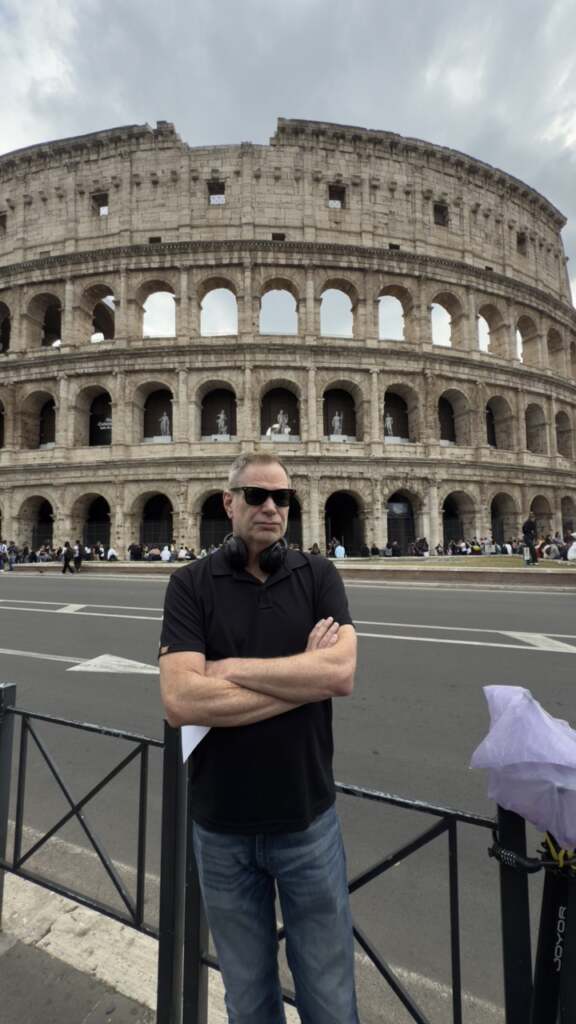 Photo: Ty Wenzel
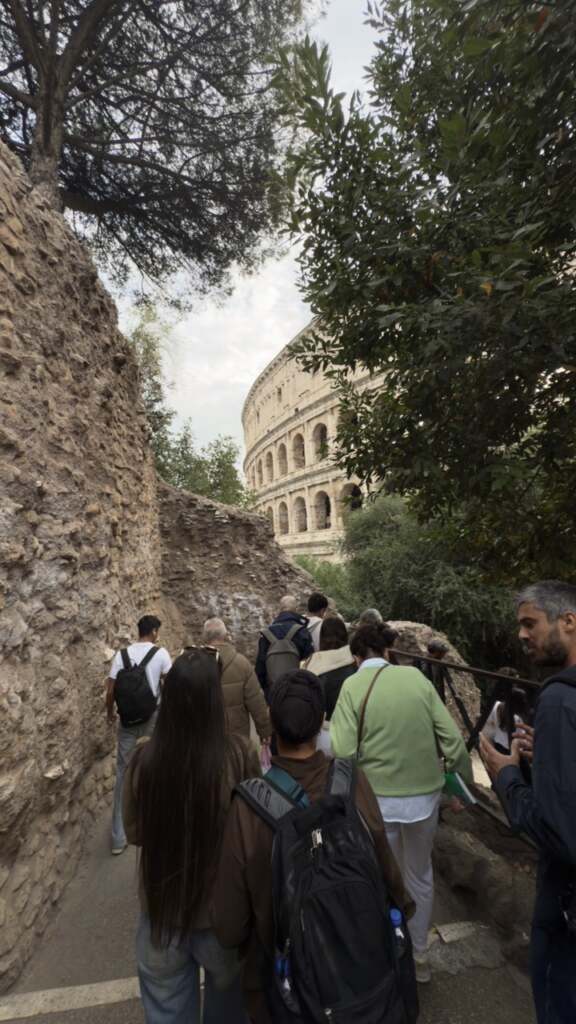 Photo: Ty Wenzel
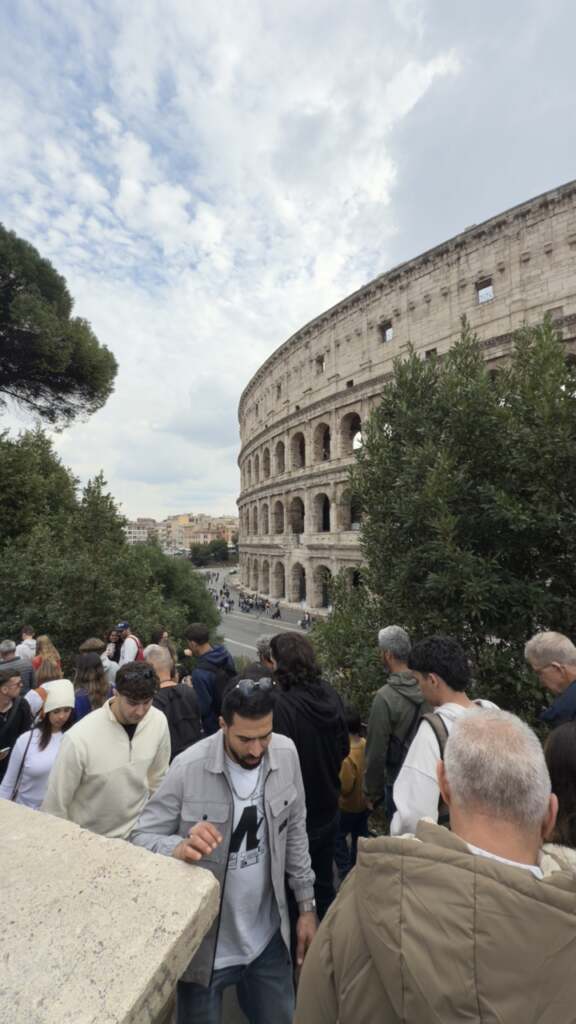 Photo: Ty Wenzel
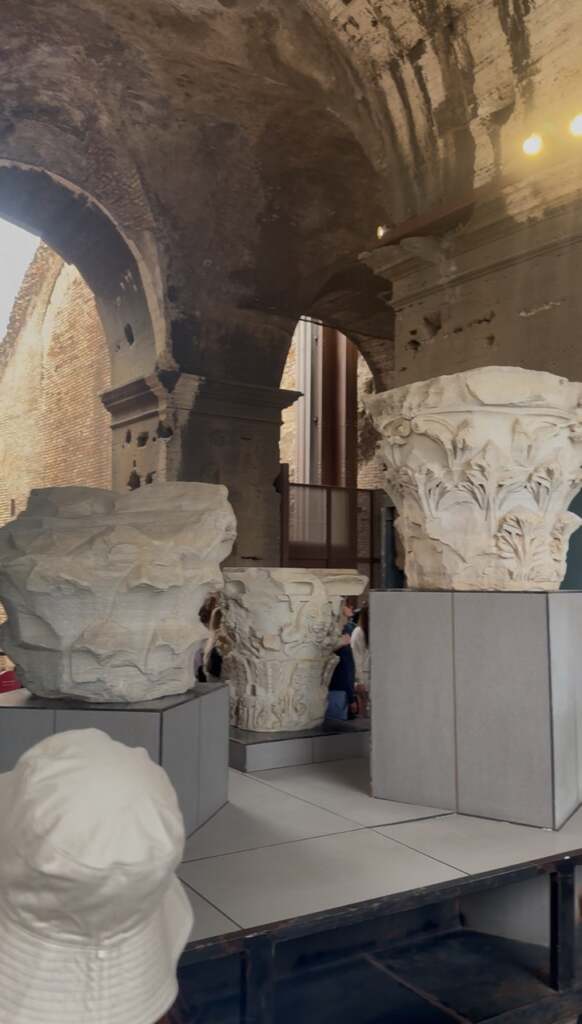 Photo: Ty Wenzel
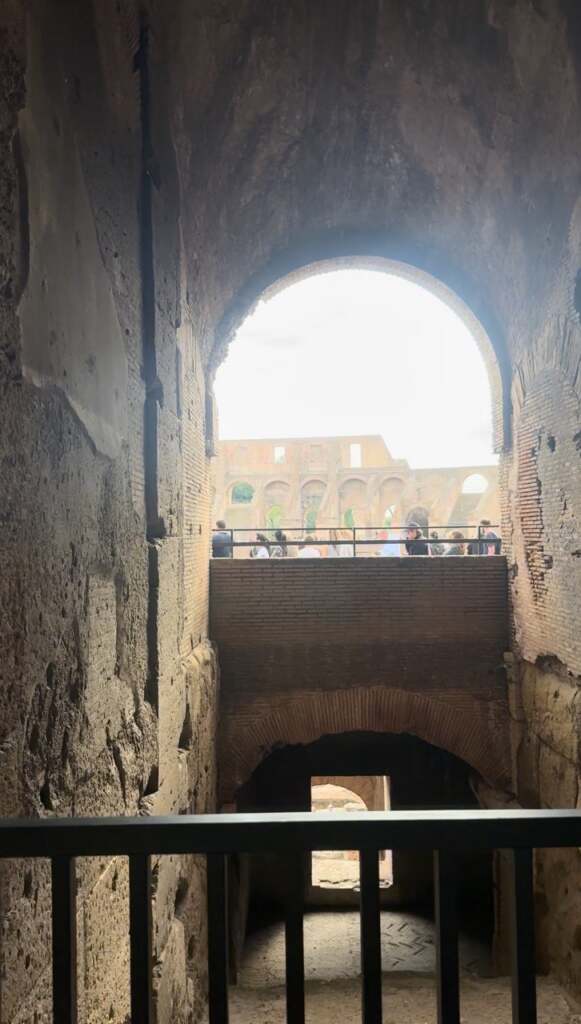 Photo: Ty Wenzel
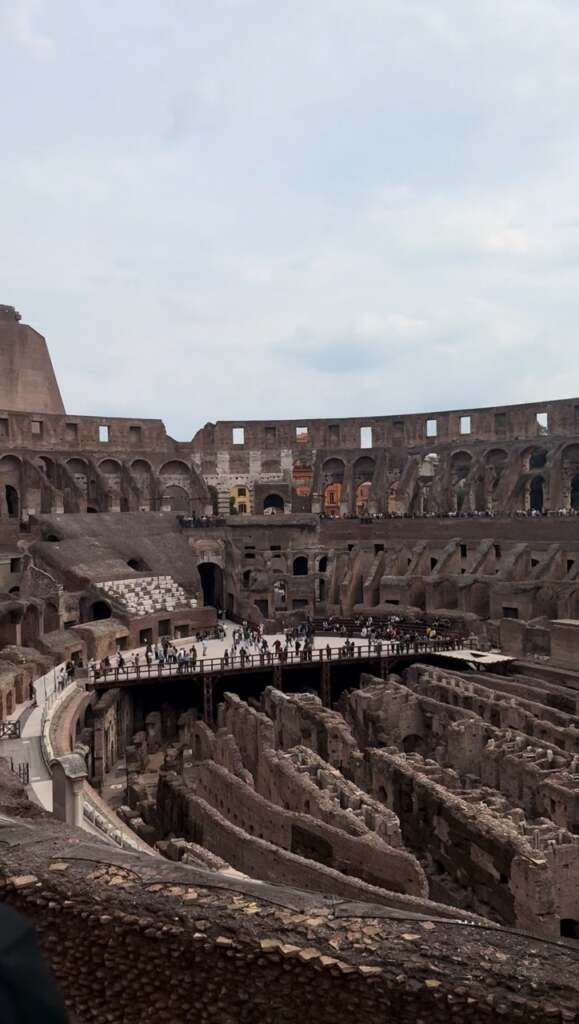 Photo: Ty Wenzel
Inside, we had the freedom to explore at our own pace since we weren’t part of a guided tour. Walking on the same steps where ancient Romans once gathered for shows was a profound moment. The thought of the horrors that took place just below our feet in the arena added to the intensity of standing there. It was impossible not to feel the weight of history as we took in the vast, haunting space. My favorite spot was where royalty was able to watch, which was at the edge of the oval on a flat, lower podium.
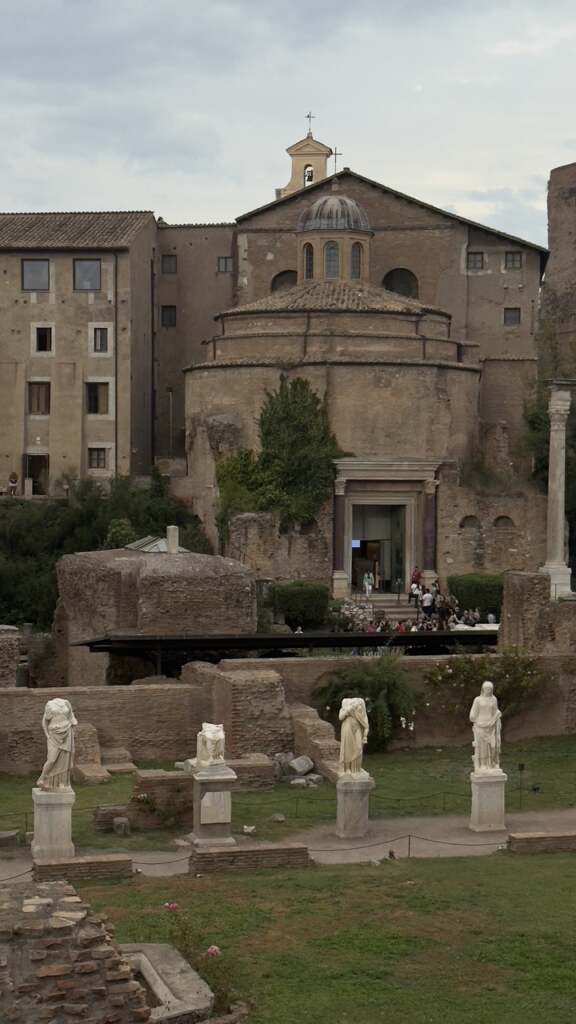 House of the Vestal Virgins. Photo: Ty Wenzel
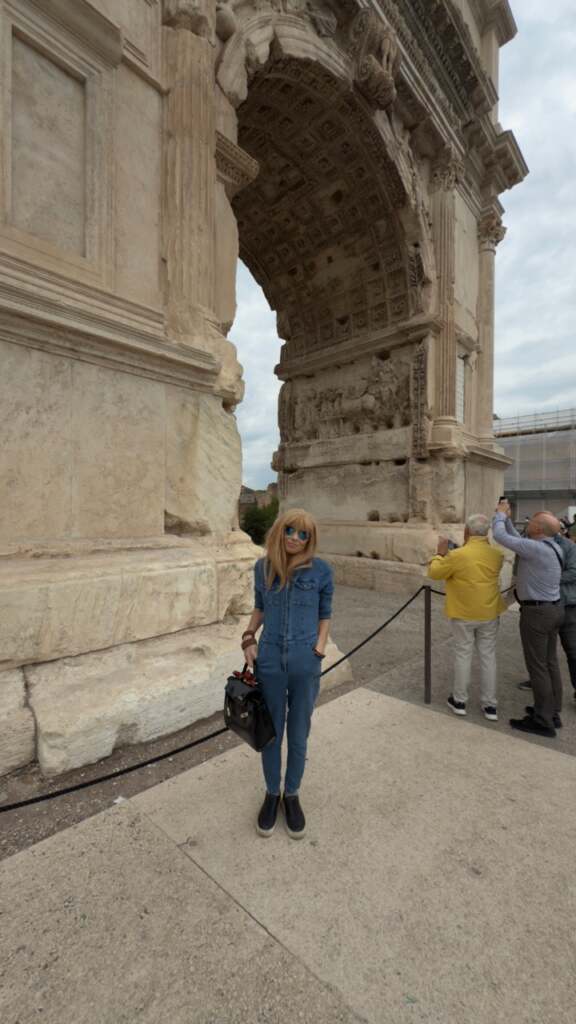 Photo: Kurt Wenzel
Nearby, we visited the House of the Vestal Virgins, which is located behind the circular Temple of Vesta at the eastern edge of the Roman Forum, between the Regia and the Palatine Hill. I was thoroughly exhausted and required a Negroni at this point.
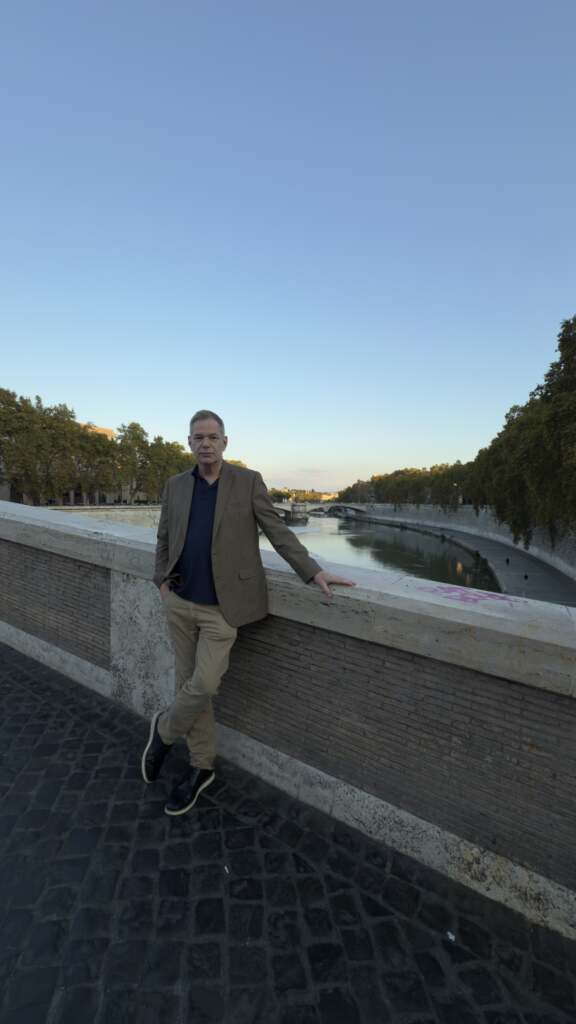
Looming in the background is the Tiber River (or Tevere, as it’s known in Italian), which runs through Rome. It is the lifeblood of Rome, deeply woven into the city’s history and identity. Legend has it that Rome was founded on its banks when the basket carrying the twin brothers, Romulus and Remus, became lodged along the shore, marking the beginning of the city’s legendary story.
Our next stop was, of course, the Vatican and the Sistine Chapel—something I had dreamed of experiencing for as long as I could remember because I studied art history in high school and college. But, to be honest, my anticipation quickly turned to disappointment. Let’s start from the beginning. Naturally, there was a line to get into the Vatican, and I couldn’t help but think it felt a bit like waiting for a ride at Epcot Center. The city has perfected the tourist experience, and I soon realized that this visit wasn’t going to be the close encounter with the American Pope Leo I had imagined. In my mind, I envisioned standing in the much-televised courtyard, hoping the Pope might pop out for an impromptu wave to the crowd. But that was not in the cards. Instead, we were ushered through a very curated, almost industrial-style tourist experience, far removed from any spontaneous interaction with the Pope.
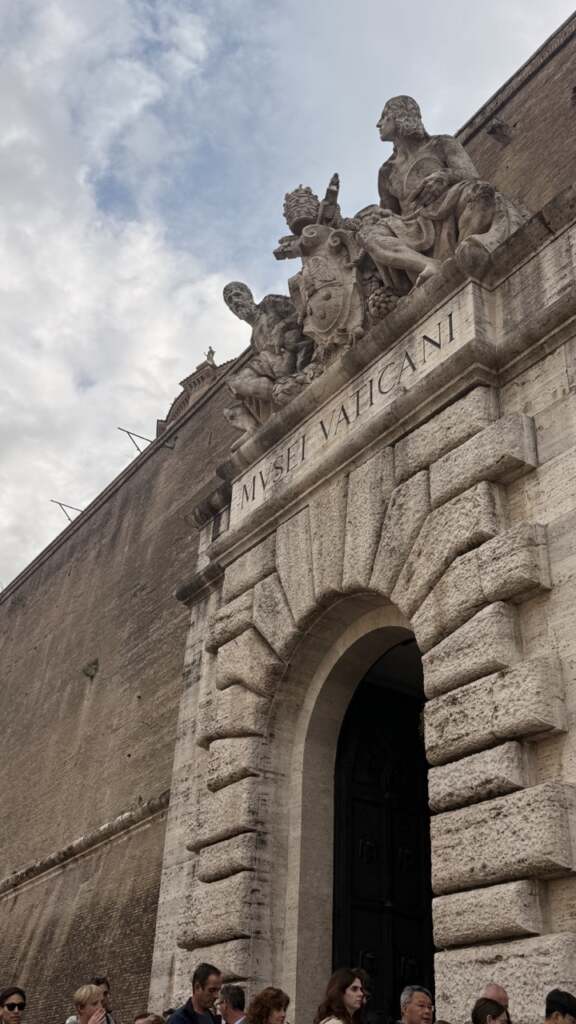 Photo: Ty Wenzel
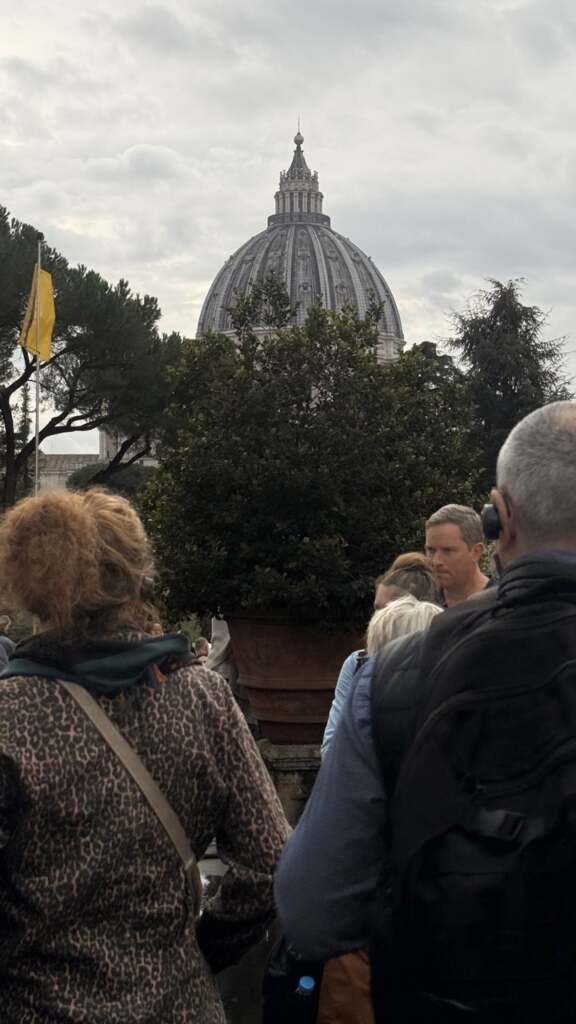 Photo: Ty Wenzel
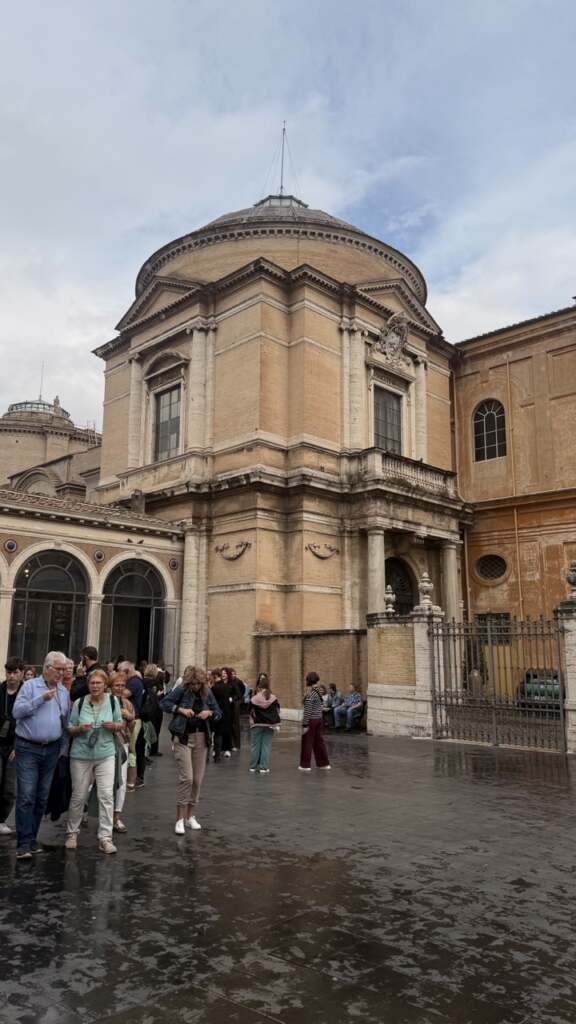 Photo: Ty Wenzel
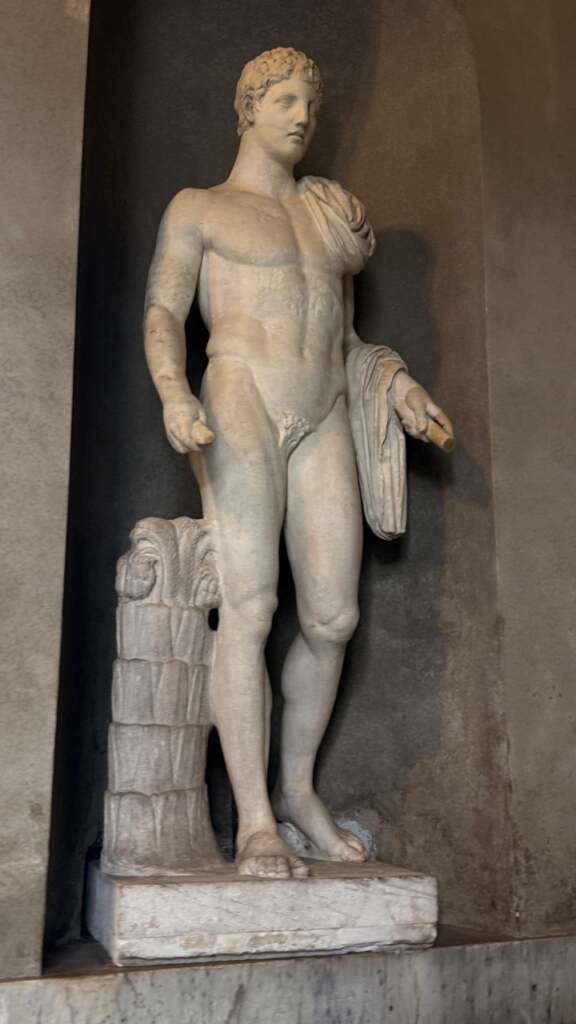 Photo: Ty Wenzel
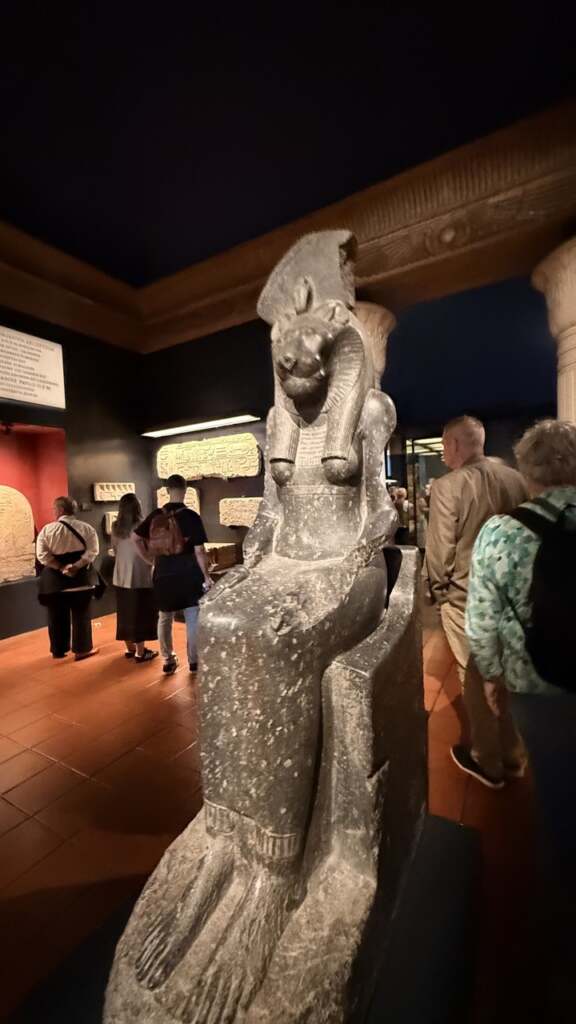 Photo: Ty Wenzel
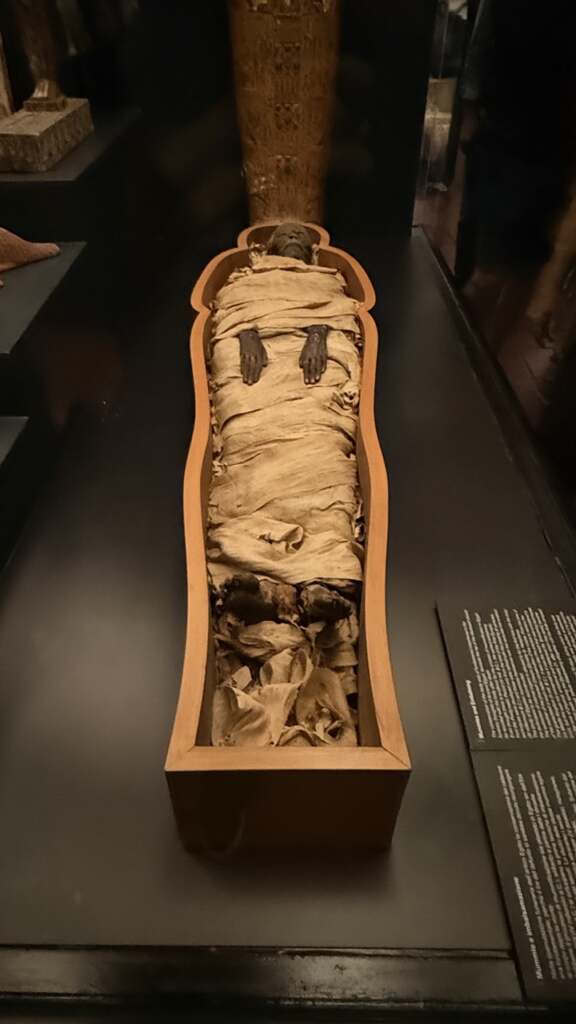 Photo: Ty Wenzel
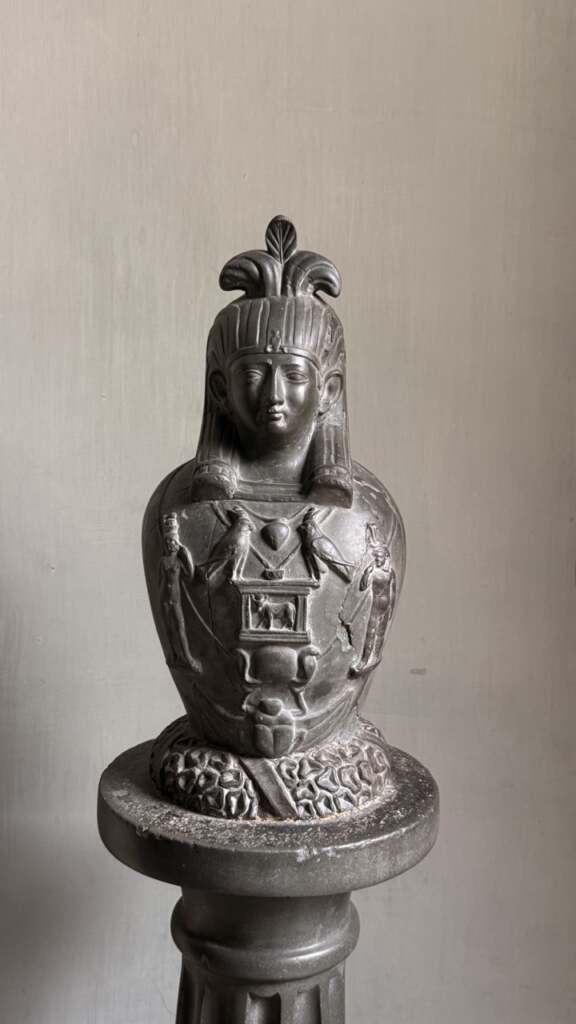 Photo: Ty Wenzel
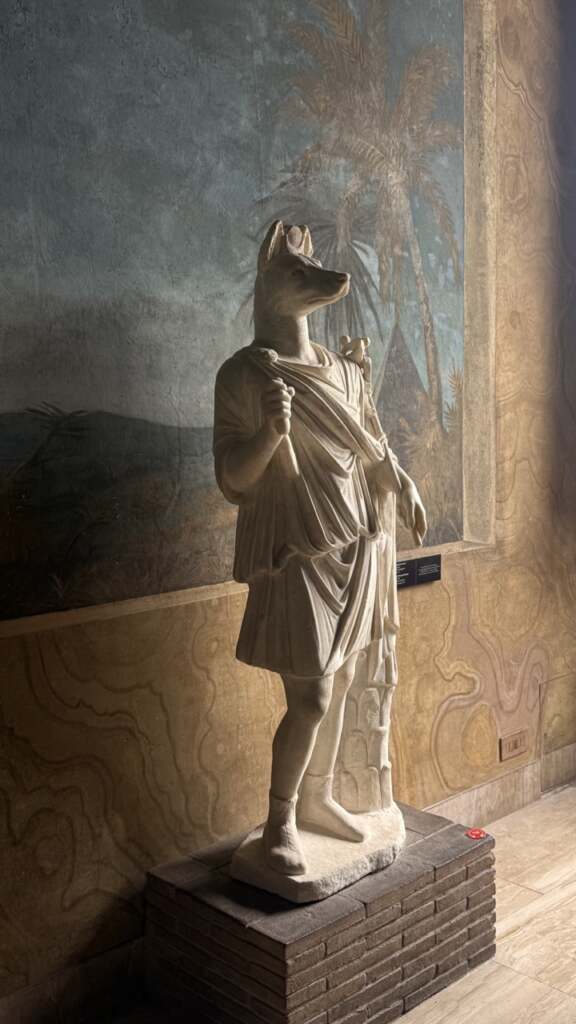 Photo: Ty Wenzel
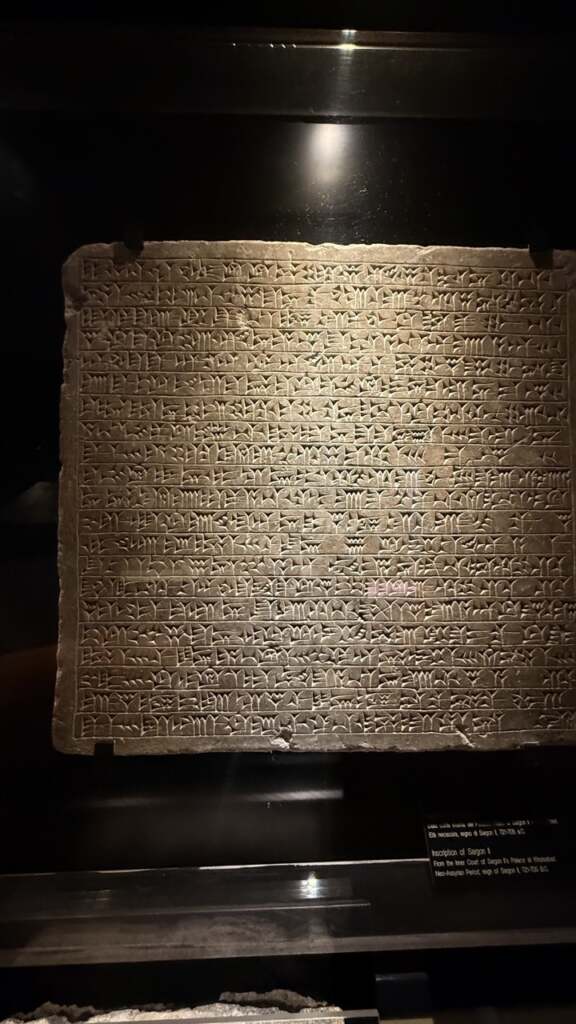 Photo: Ty Wenzel
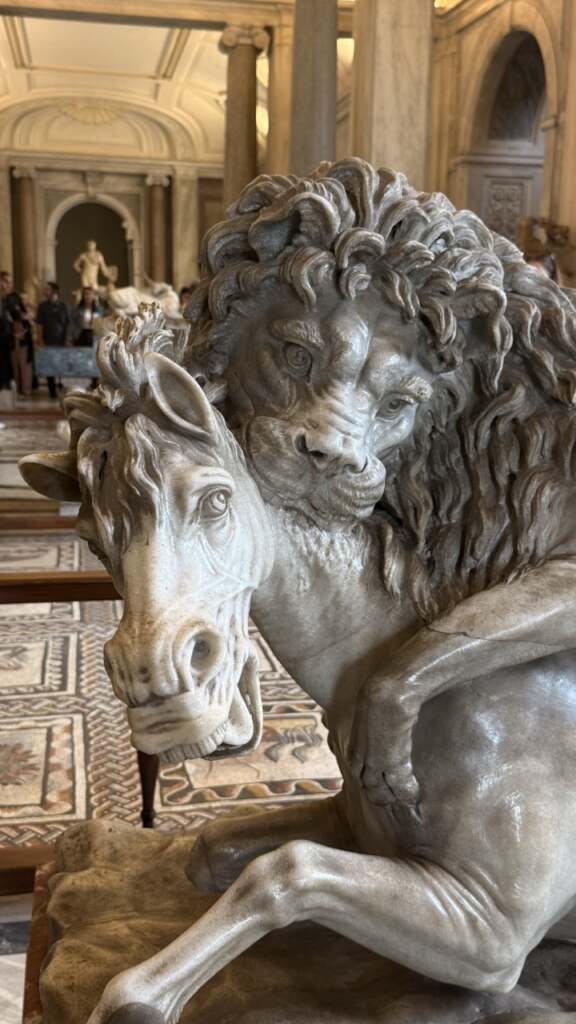 Photo: Ty Wenzel
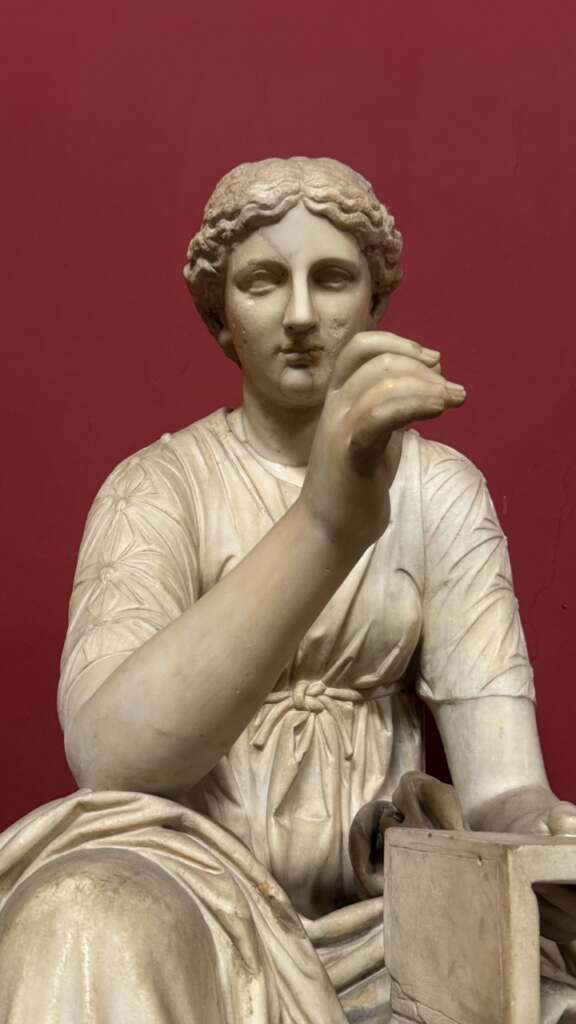 Photo: Ty Wenzel
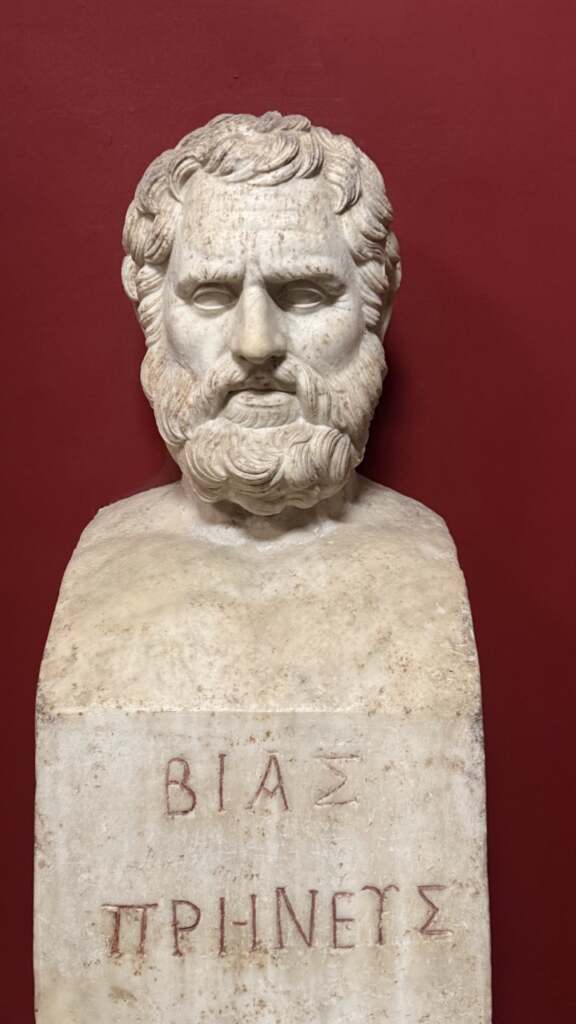 Photo: Ty Wenzel
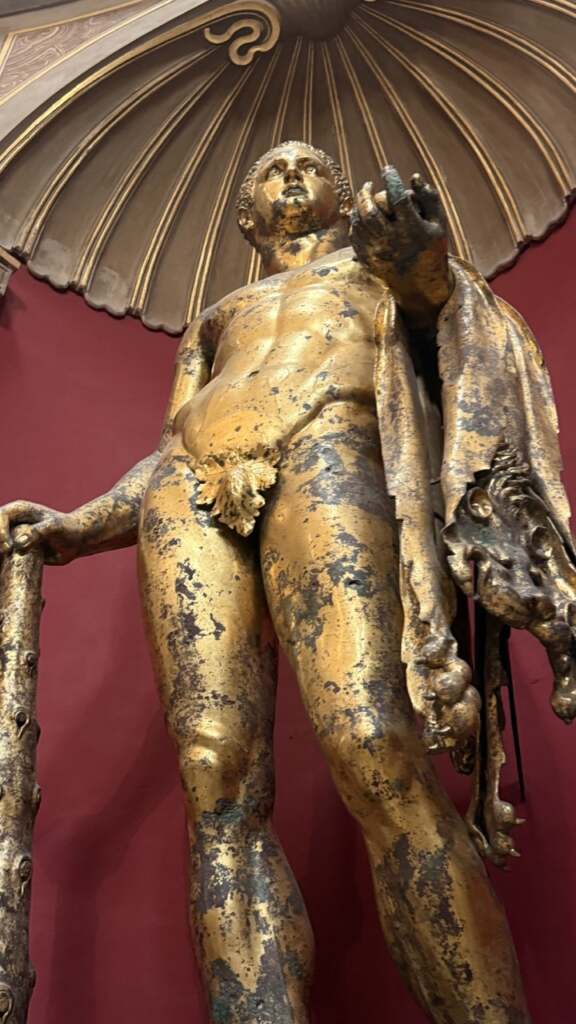 Photo: Ty Wenzel
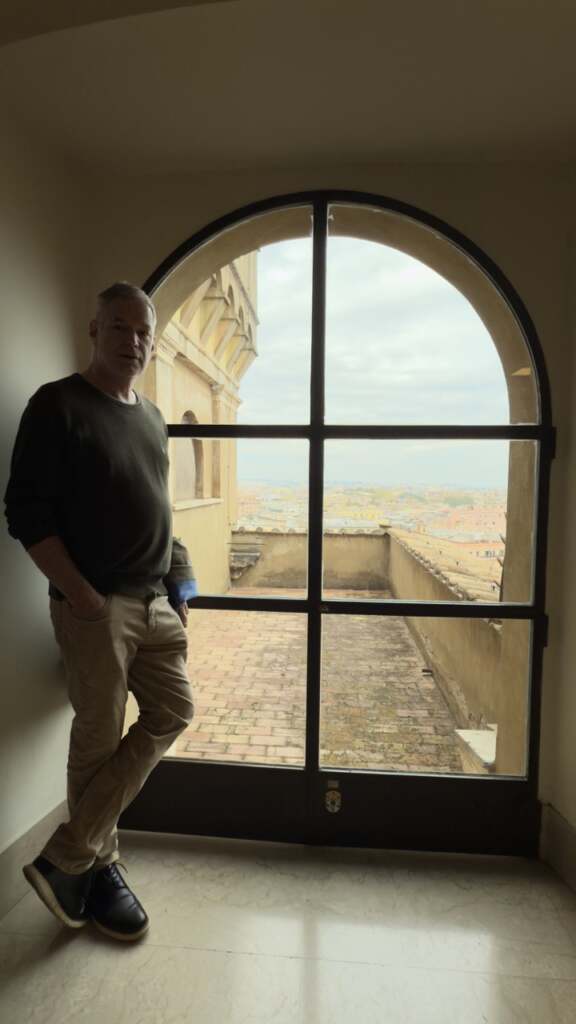 Photo: Ty Wenzel
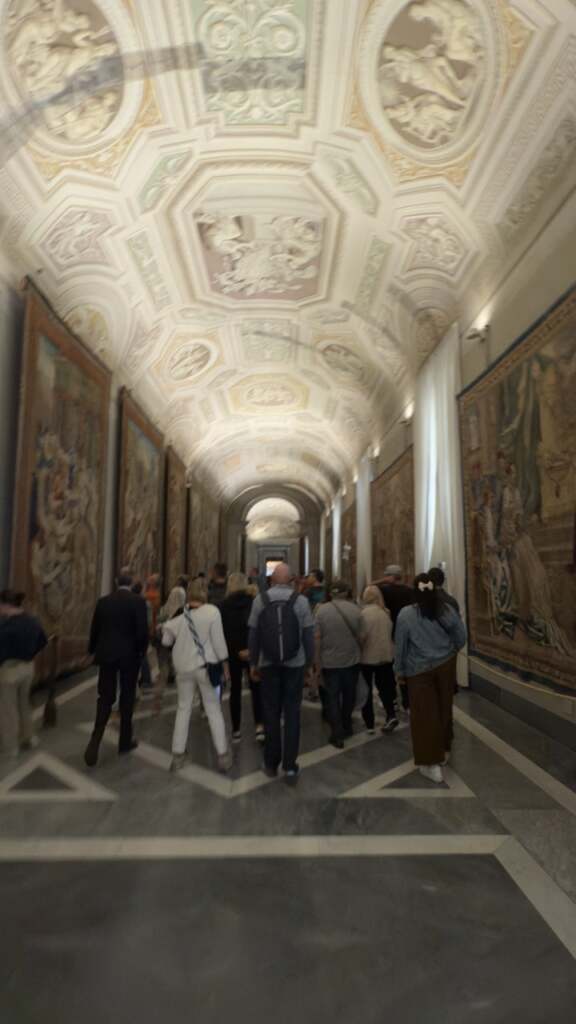 Photo: Ty Wenzel
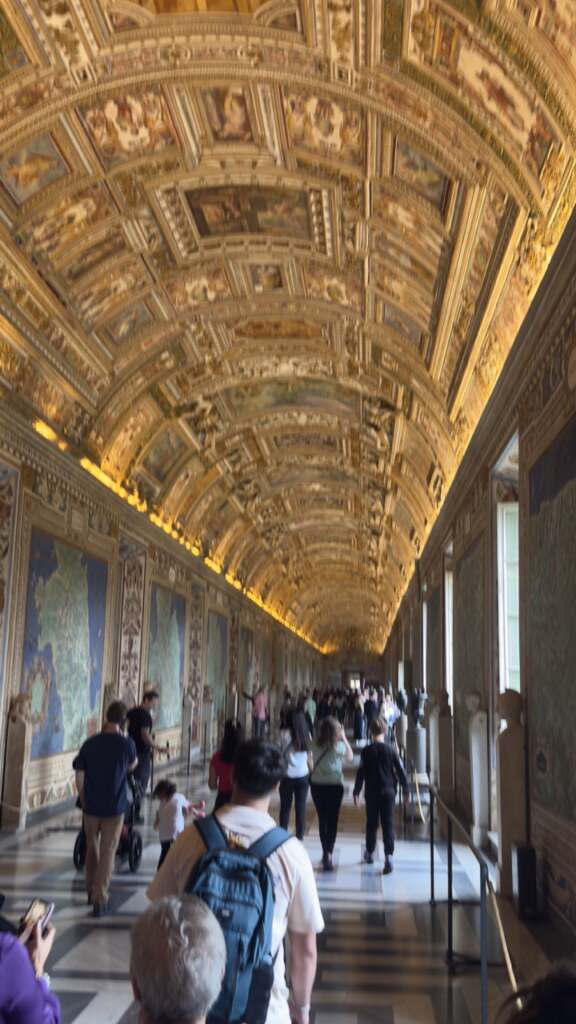 Photo: Ty Wenzel
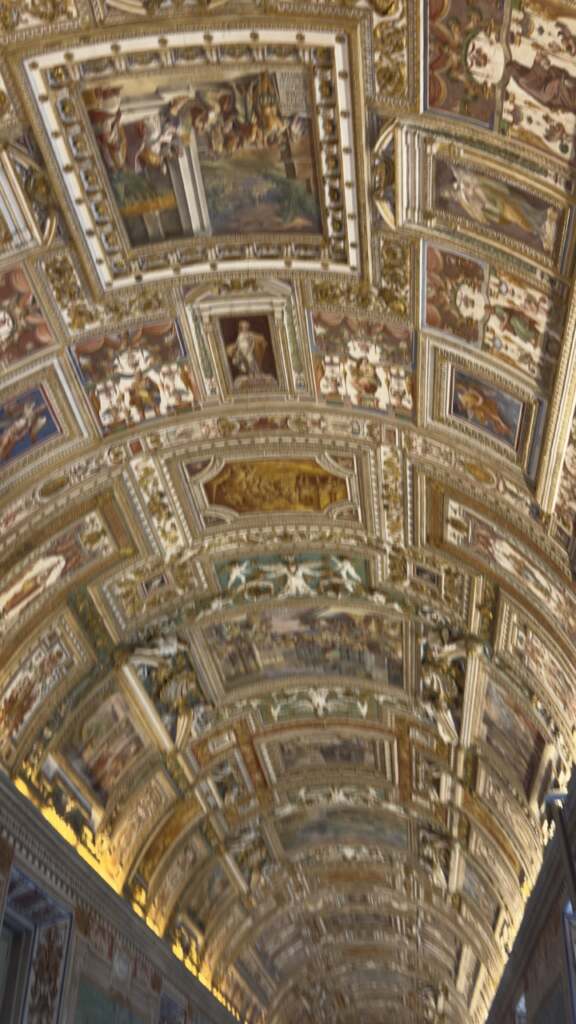 Photo: Ty Wenzel
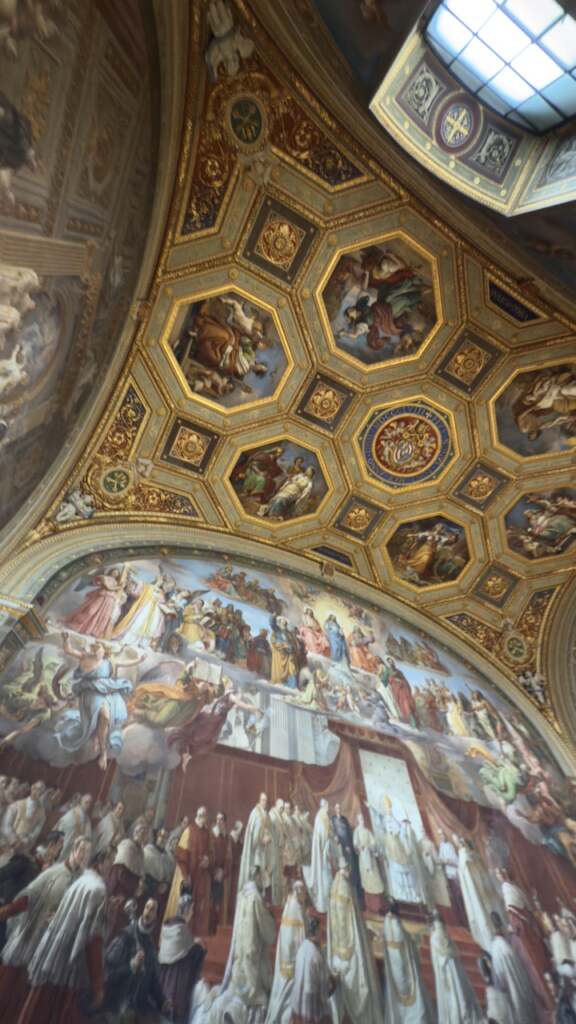 Photo: Ty Wenzel
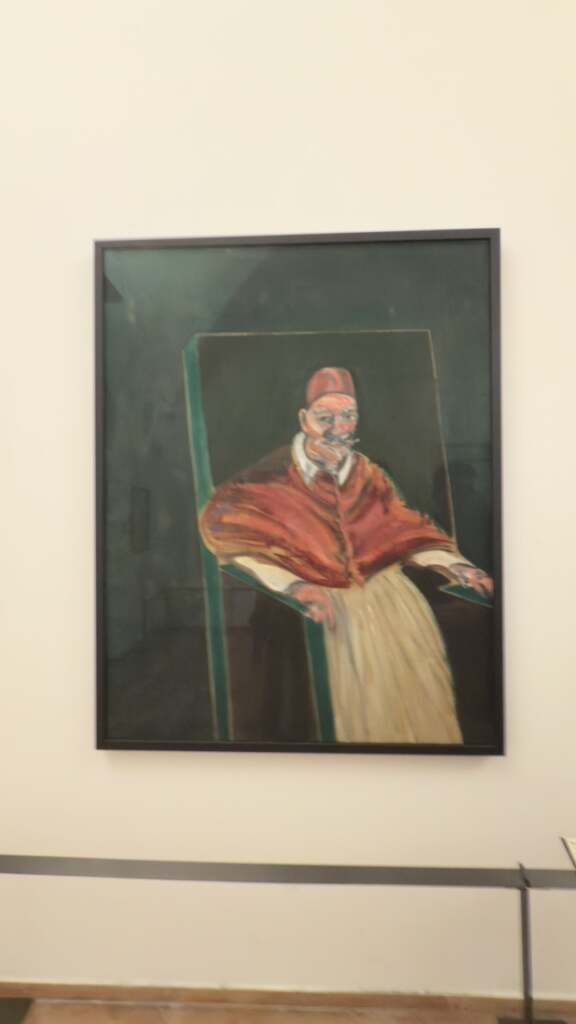 A Francis Bacon. Photo: Ty Wenzel
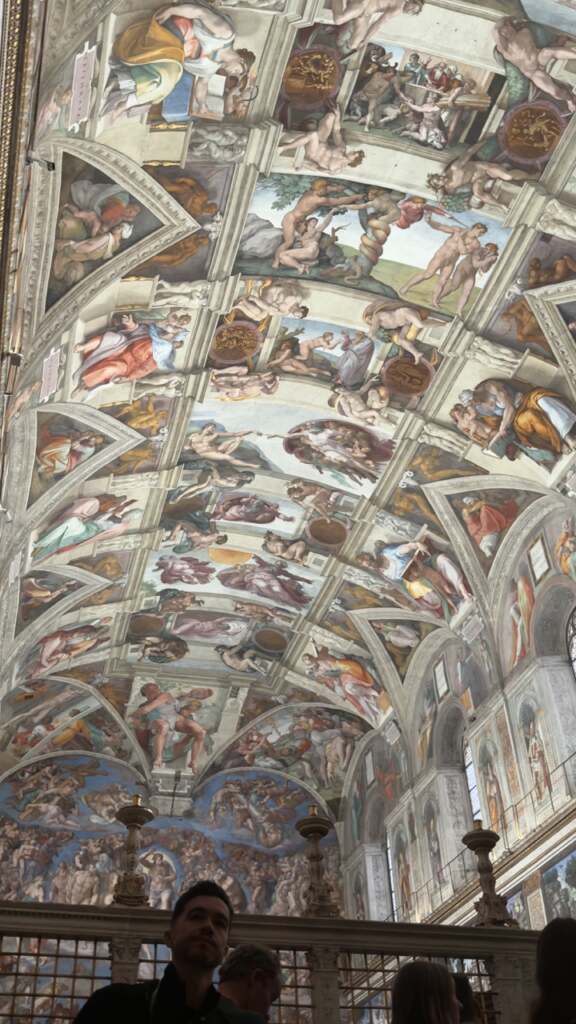 The Sistine Chapel. Photo: Ty Wenzel
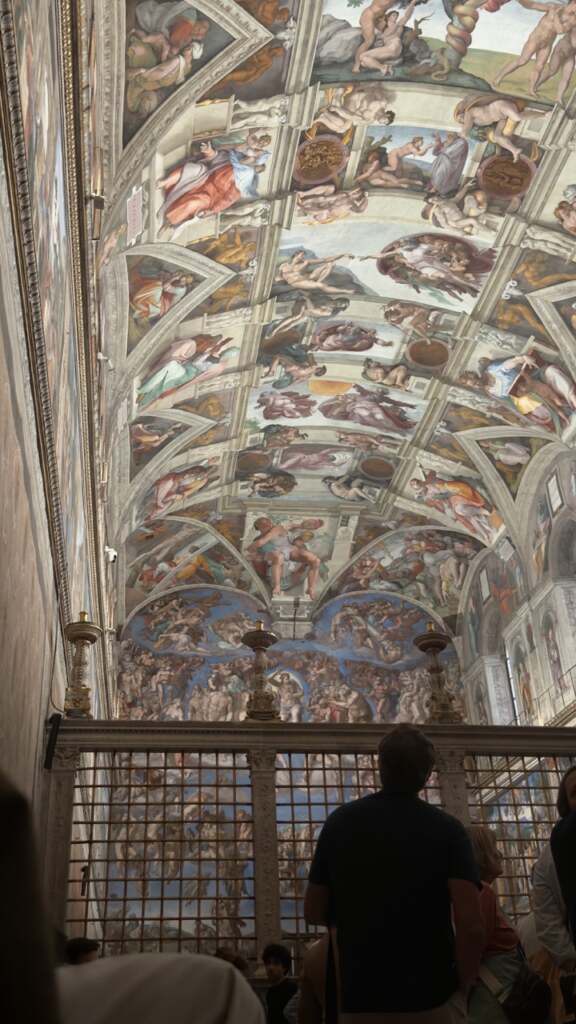 The Sistine Chapel. Photo: Ty Wenzel
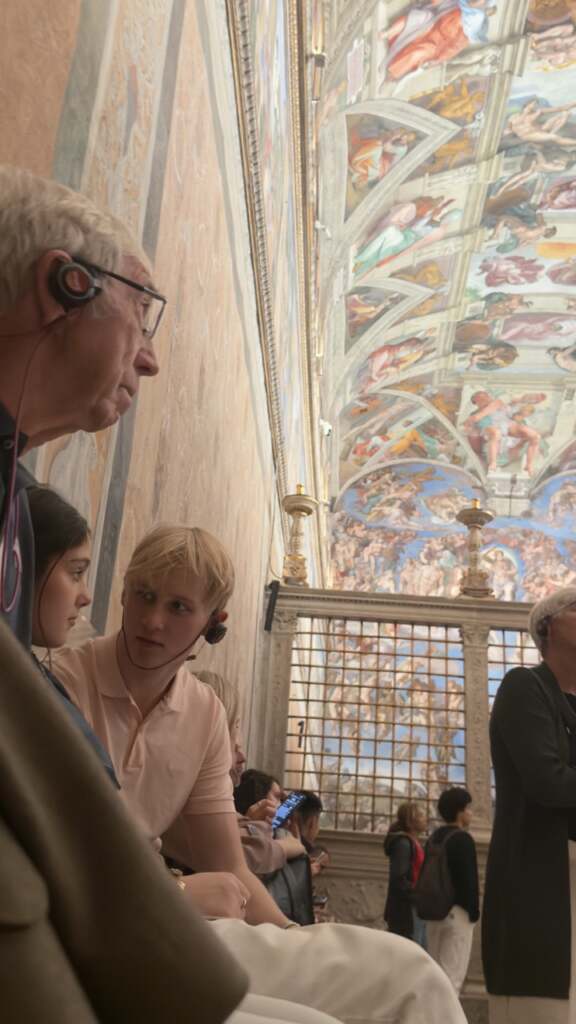 The Sistine Chapel. Photo: Ty Wenzel
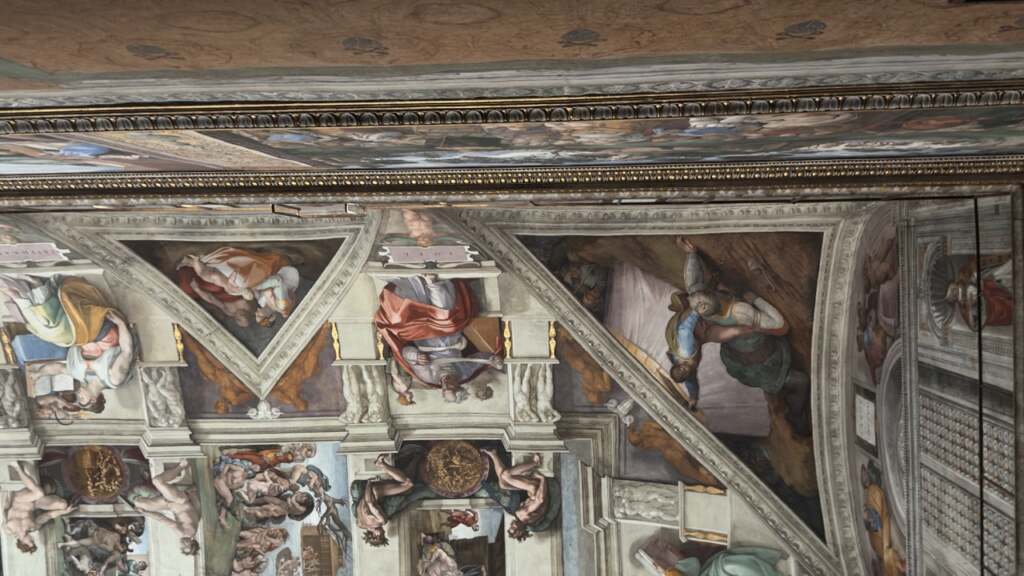 The Sistine Chapel. Photo: Ty Wenzel
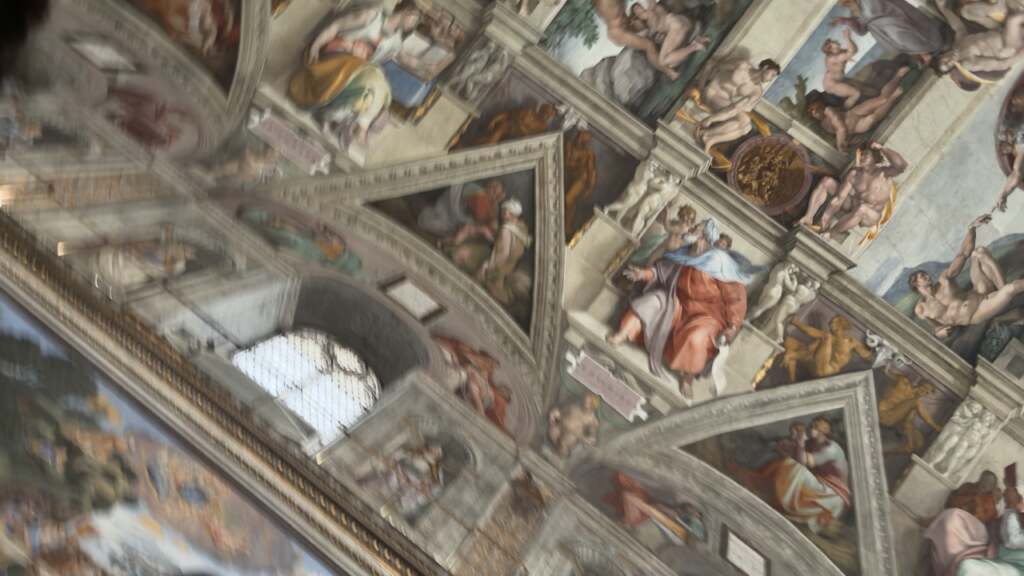 The Sistine Chapel. Photo: Ty Wenzel
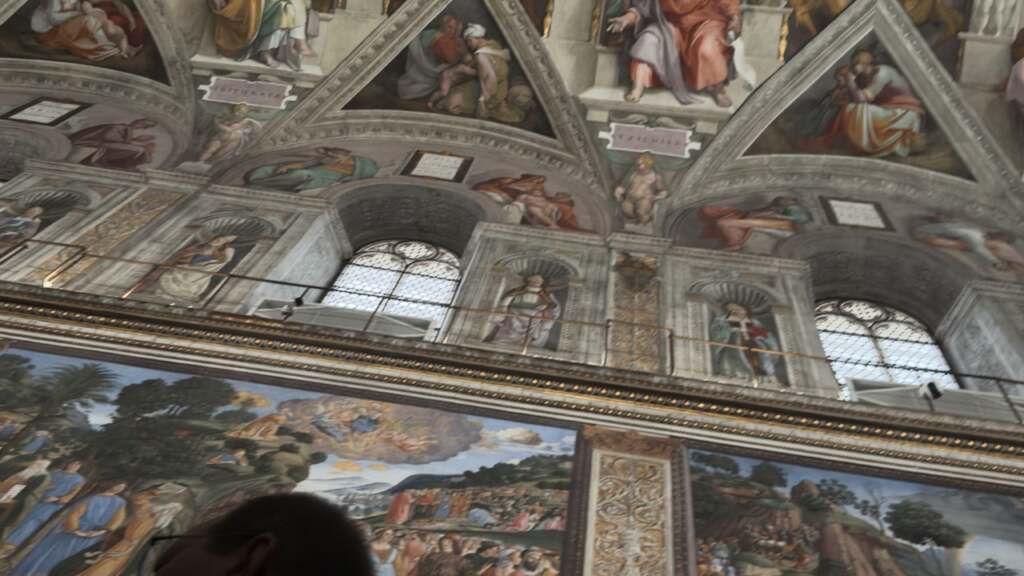 The Sistine Chapel. Photo: Ty Wenzel
Once inside, we went with the flow of the curated experience, moving through “Florence-style” rooms filled with art that covered every inch of wall and ceiling space. Beautiful paintings, sculptures, and furniture overwhelmed our senses, each piece more impressive than the last, until it all began to blend. The brilliance around us became almost too much, and we snapped photos wherever we could.
That changed when we reached the Sistine Chapel.
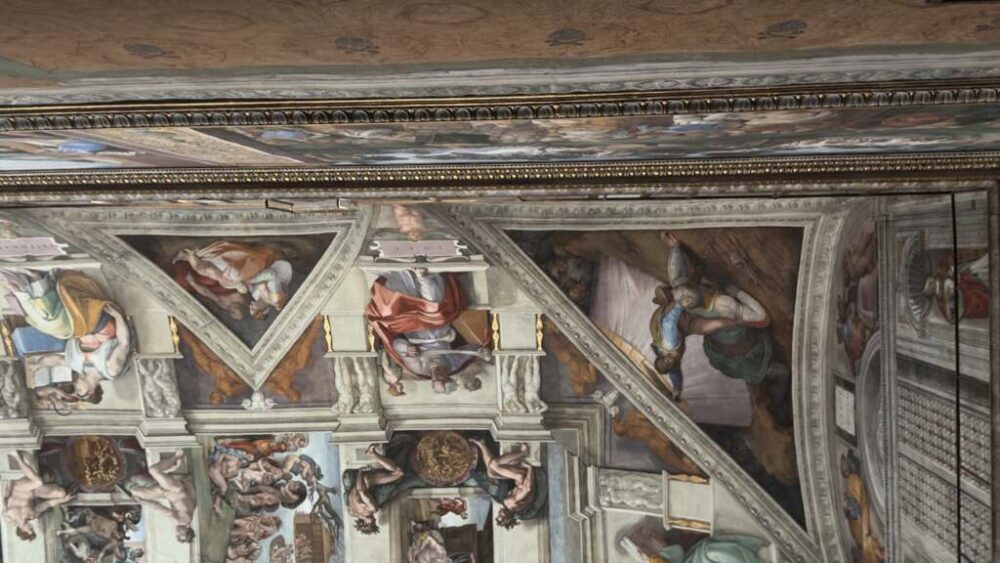
Suddenly, the dream of standing beneath Michelangelo’s masterpiece felt like it was falling apart. Guards were everywhere, interrupting our attempts to soak in the moment. I tried to sneak photos, but most turned out blurry. Then, an Irish tourist with a baby carriage told me to stop. I gave her a typical New York response. You can imagine. On top of that, I overheard that King Charles and that woman were arriving the next day to pray in that very room with Pope Leo. I had waited over 40 years for this, only to be rushed along by the crowds and the guards. It was disheartening. In fact, even seeing the Mona Lisa in Paris, while surrounded by loud tourists and their read-out-loud guidebooks, felt more enjoyable than this. Never again.
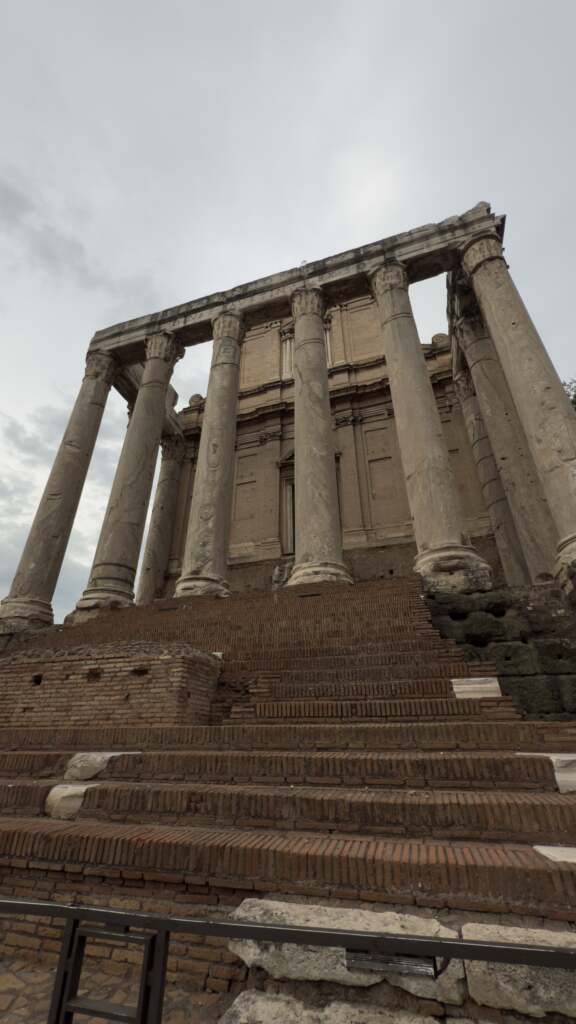 Photo: Ty Wenzel
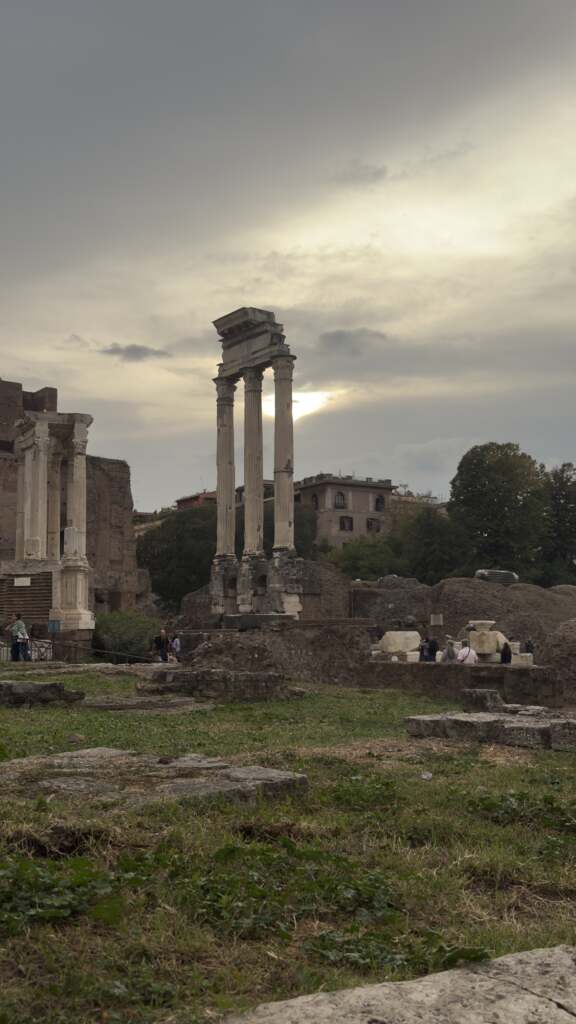 Photo: Ty Wenzel
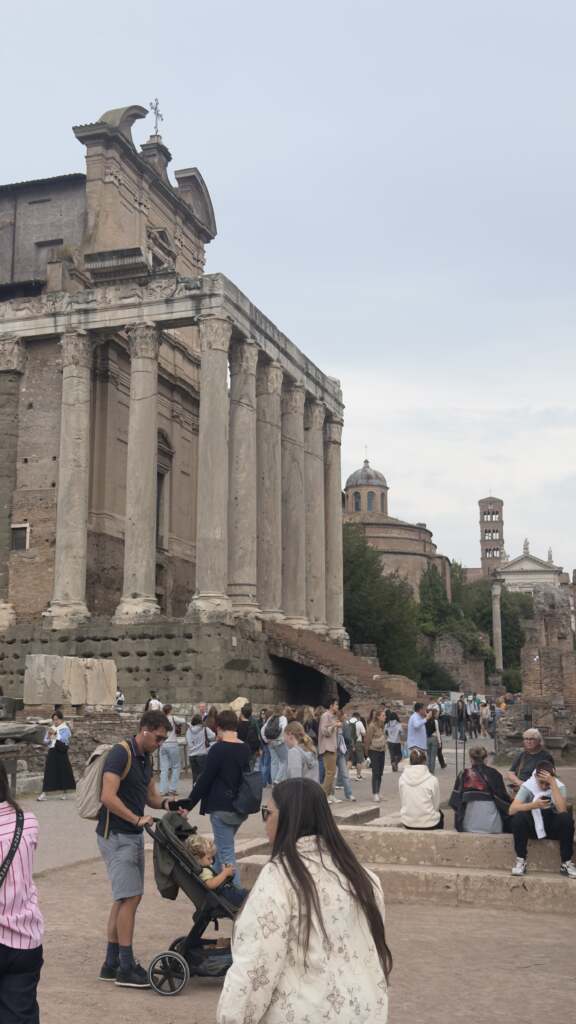 Photo: Ty Wenzel
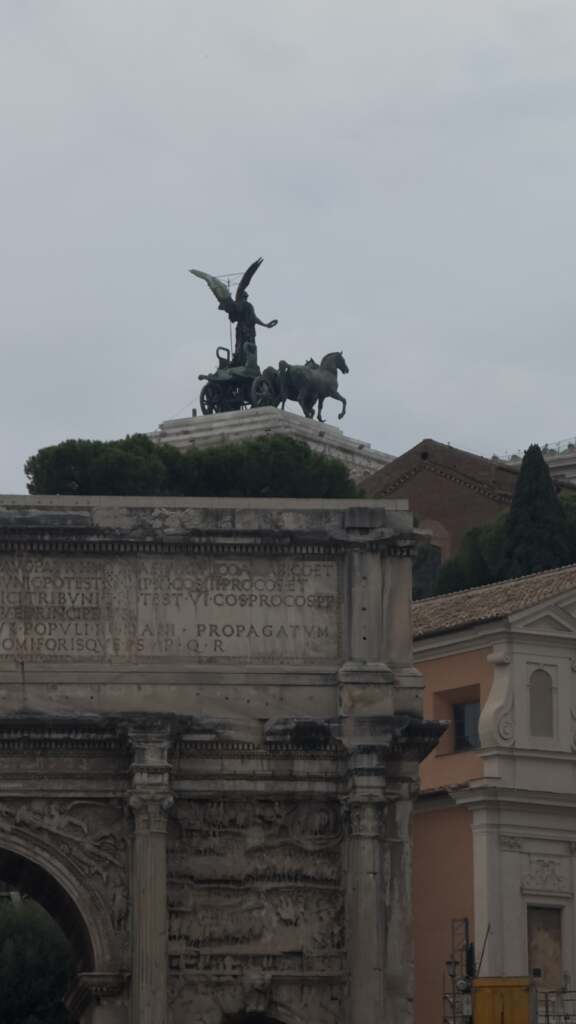 Photo: Ty Wenzel
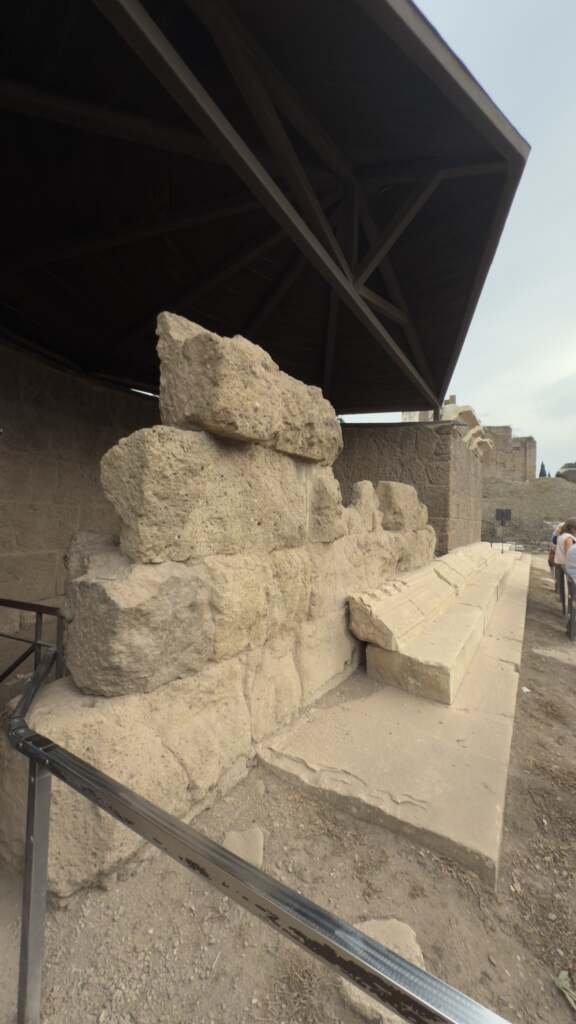 Entrance to Caesar's funeral pyre. Photo: Ty Wenzel
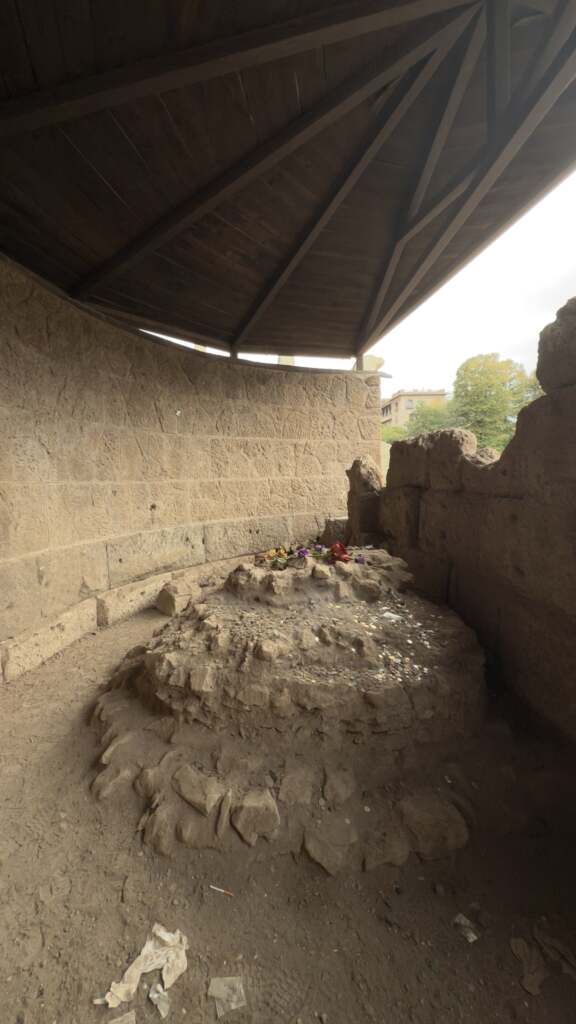 Caesar's funeral pyre. Photo: Ty Wenzel
Senators once lived in grand mansions on Palatine Hill, Rome’s most fashionable district at that time. They worked in the curia, the Senate house located in the Roman Forum. The Forum was the heart of Rome’s political life. It was a busy center where laws were debated, public funds were managed, and power shifted with every session. The Curia Julia hosted these important meetings. One meeting famously ended in betrayal when Julius Caesar was stabbed by a group of senators. Today, the site of this dramatic moment is marked by the Làrgo di Torre Argentina, a public square where the ruins of the Curia and four ancient Roman temples still stand. This serves as a stark reminder of its once vibrant role in the empire. While I didn’t make it to the exact spot of Caesar’s assassination, I did visit his funeral pyre, captured here in a photo.
Every day in Rome was a powerful experience, both good and bad. The streets buzzed with scooters, conversations, and the constant activity of life. Mornings started with strong, perfect coffee sipped at the bar, and nearly every meal included pasta that spoiled all future pasta for me. With the traffic, the crowds, and the countless tourists snapping photos, it was chaotic, loud, and full of energy.
Would I go back? Honestly, probably not. But I am very glad I went. Walking through places I had only seen in textbooks—standing where emperors ruled, where senators plotted, and where artists transformed art history—felt unreal. Rome has its influence on almost everything: politics, architecture, religion, language, and law. Being there made all of that seem less like “history” and more like a continuing story that the world is still part of. So while I may not be eager to return, I do feel fortunate to have seen it with my own eyes. I don’t believe that we did Rome “wrong.” For the noise, the chaos, the beauty, the ruins, the espresso, the ruins again, and the reminder of how important this city has been to the world we know—thank you, Rome.