The Bridgehampton catering favorite brings East End ingredients, farm-fresh turkeys, inventive sides and homemade desserts… Read More →



The Bridgehampton catering favorite brings East End ingredients, farm-fresh turkeys, inventive sides and homemade desserts… Read More →

Rich suede, supple leather, and bohemian rock ’n’ roll details set the tone for the… Read More →

The former social studies teacher and soccer coach posed as a teenage boy on Snapchat… Read More →
Kevin Menard’s Main Street wellness shop is preparing to close by Dec. 11, leaving loyal… Read More →
Forget the basic Hamptons sweatshirt. This autumn, while everyone is here for pumpkin patches and… Read More →

The 11th annual festival, Oct. 21-22, will honor Anthony Anderson, Kate Walsh and Denée Benton,… Read More →

From Benedict Cumberbatch in Frankenstein to The Rocky Horror Picture Show, An American Werewolf in… Read More →
A lucky lottery player turned a $50,000 prize into a six-figure payday in Monday’s drawing.… Read More →

From Southampton’s Halloween pet parade and Sag Harbor’s Ragamuffin Parade to costume parties at Wölffer… Read More →
Let’s talk about Shelter Island — the kind of place you go to get away,… Read More →
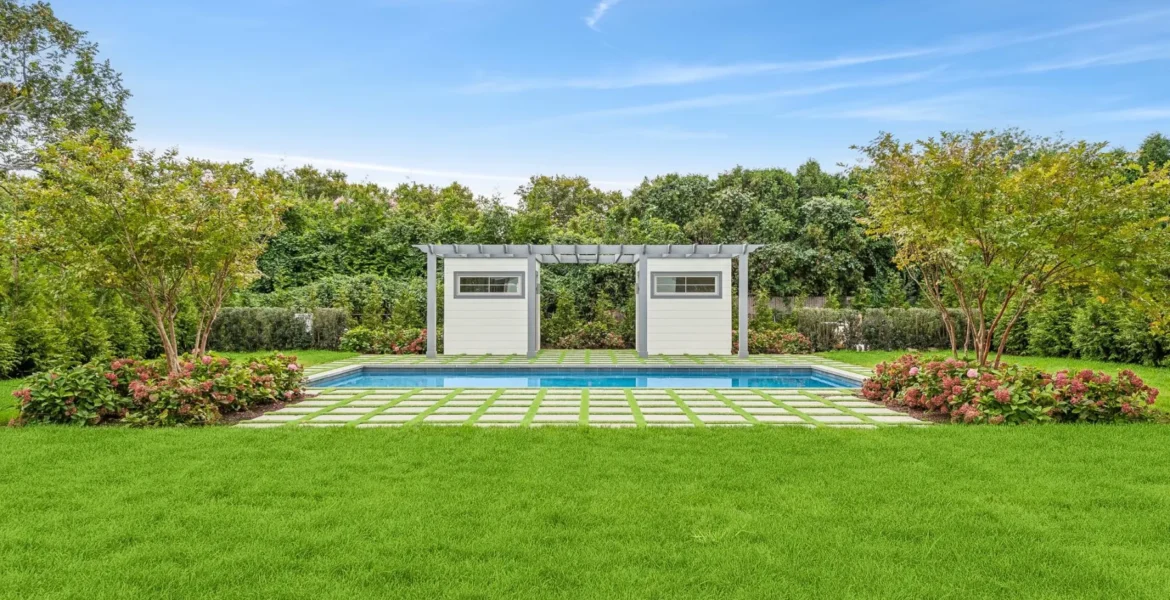
Forget the days when “wellness” in the Hamptons meant nothing more than a brisk walk along the beach or skipping an extra glass of rosé with dinner. Now, luxury digs come packed with high-tech recovery suites, cold plunges, biohacking gadgets, and even a room set up for hydration drips—complete with a nurse who’ll swing by with an IV bag if last night’s lobster rolls and tequila got a little out of hand.

Chasing better sleep, hydration, calmer nerves, and maybe even spiritual balance is now deeply woven into the East End’s luxury real estate scene. What started as a trend has morphed into its own niche in architecture, turning houses into private wellness retreats, each one promising to restore, reset, and even boost your chances for a long life.
The Hamptons, always a trendsetter for luxe living, has turned these wellness features into a kind of arms race. Every builder and developer is adding spa culture, biohacking, and show-off amenities under a cloud of eucalyptus steam and wellness branding. Dedicated wellness upgrades can easily run into the hundreds of thousands; some new homes pour $300,000 or more just into these perks.
Of course, not everyone wants the full “human optimization lab” at home, but local brokers say things like cold plunges and meditation rooms are moving from novelty to expectation among high-end buyers.
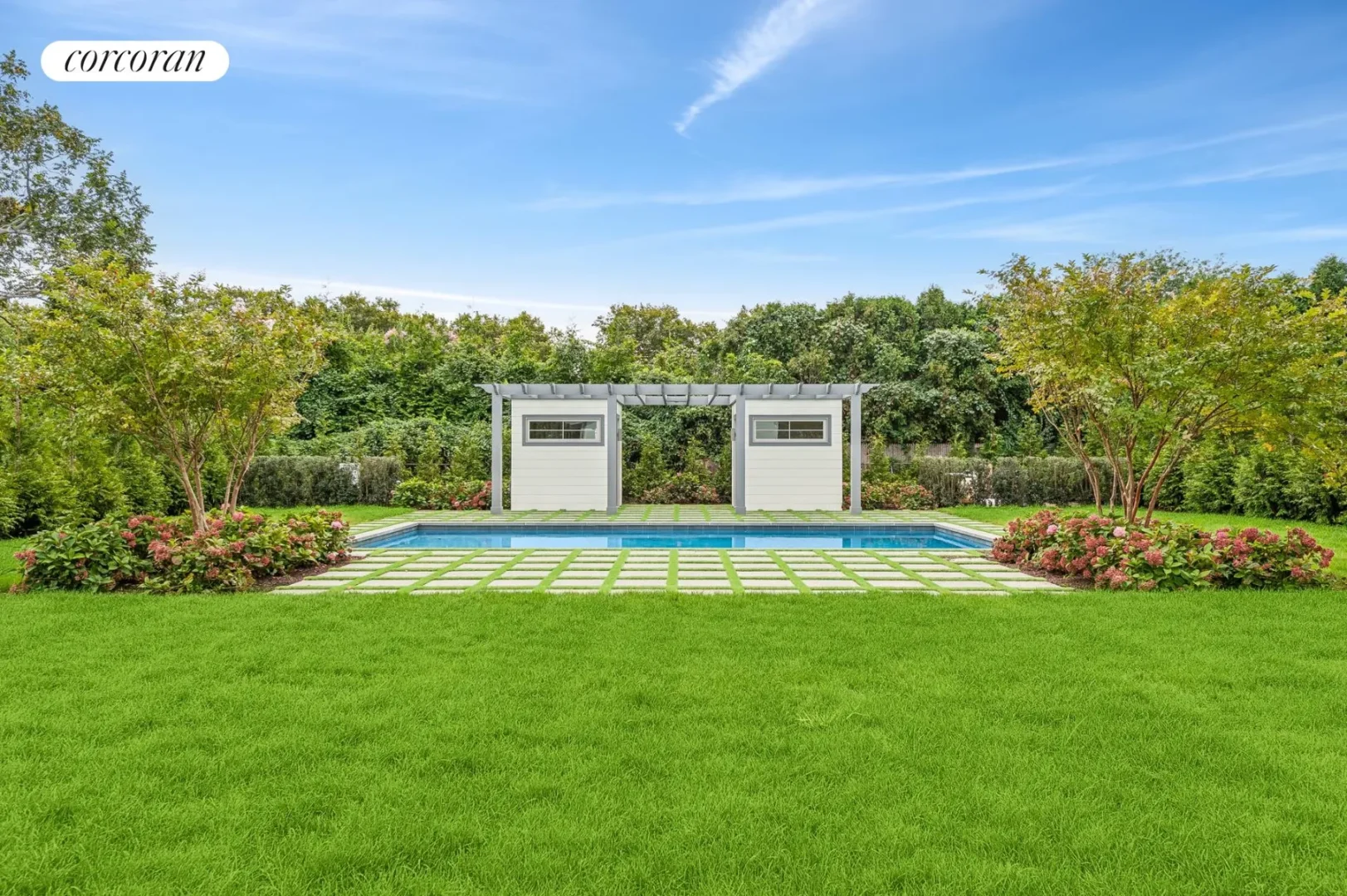
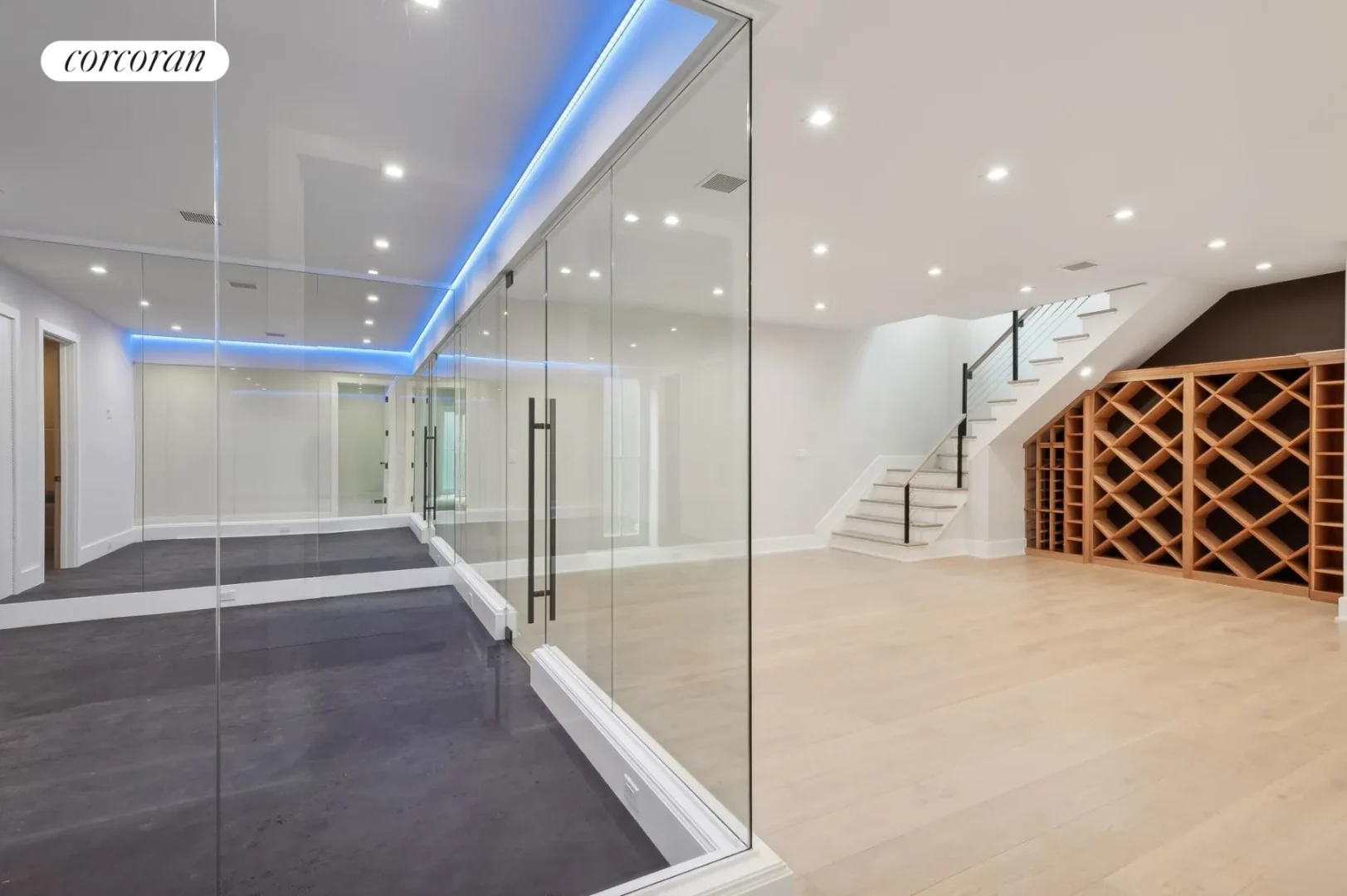
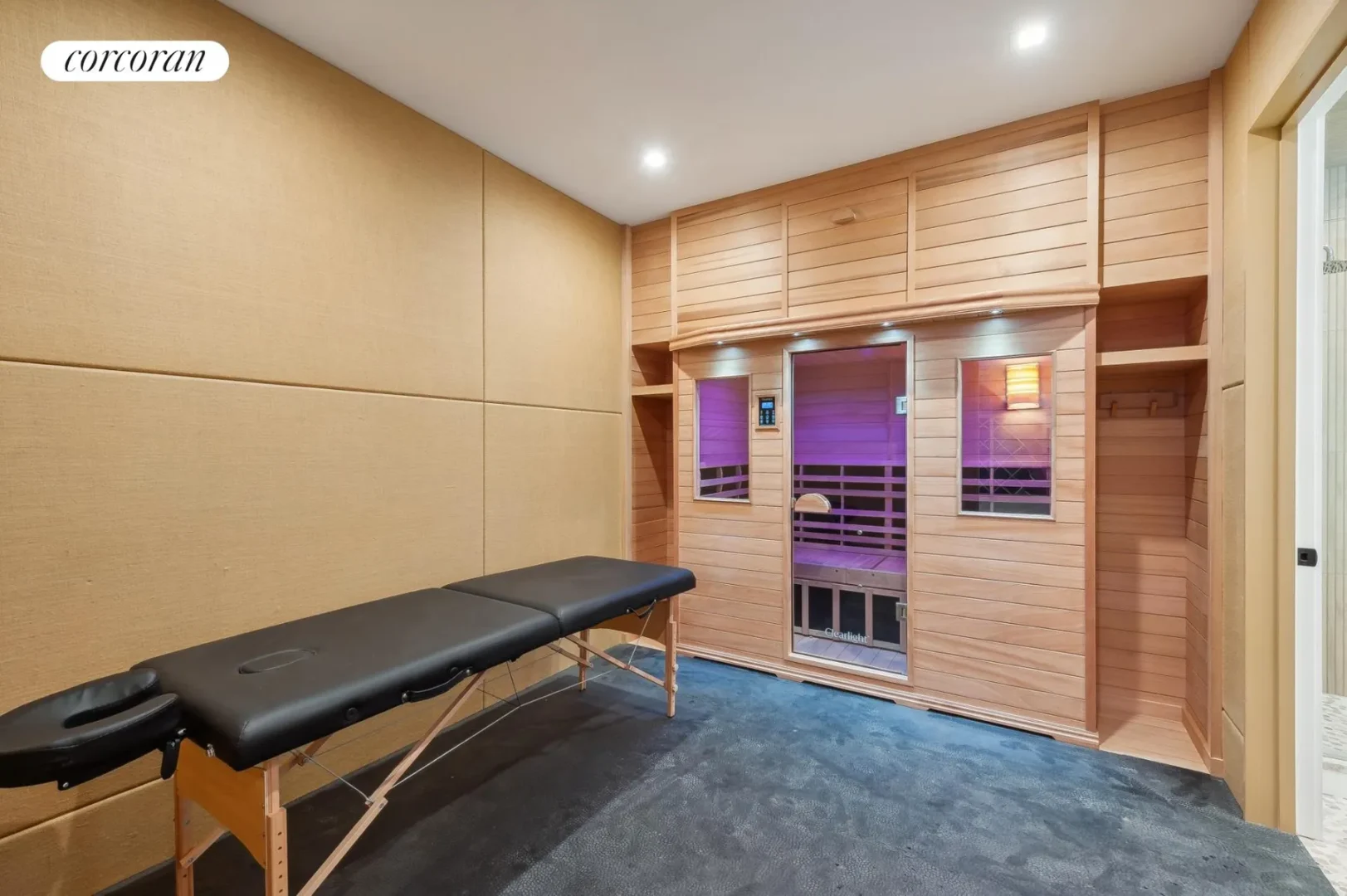
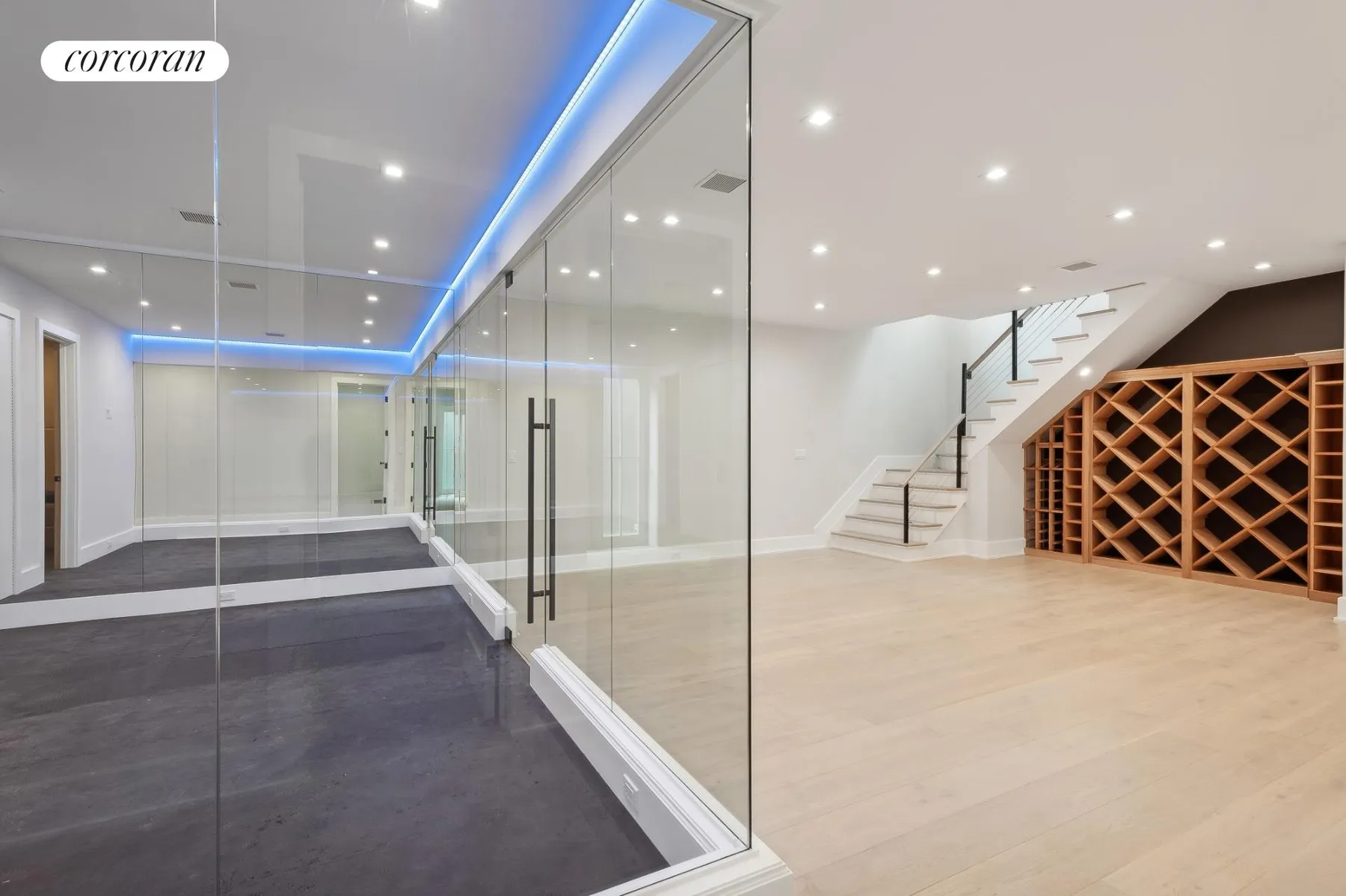
Take 154 Powell Avenue in Southampton Village represented by Corcoran agent, Garrett Pike. At $4.2 million, it’s not even the fanciest house on the block, but an entire level is packed with wellness features: gym, spa, sauna, massage room, and steam shower. Walk a bit further and—naturally—you’ll find a wine cellar and wet bar, the perfect emblem for wellness culture’s modern contradictions.
“The Hamptons have always been a place people come to unwind and reset, and today’s buyers are looking for homes that support that lifestyle,” Pike explained.
“Wellness amenities such as saunas, cold plunges, steam rooms, and dedicated recovery spaces are increasingly viewed as more valuable than some traditional luxury features, such as home theaters, because they’re incorporated into daily routines and enhance overall well-being. Buyers are placing a premium on spaces that help them relax, recharge, and feel their best while they’re here.” — Garrett Pike, Corcoran agent
Buyers span every generation. Younger people see wellness as an edge for their performance and productivity. Folks in midlife are rethinking what matters and pouring energy and cash into feeling good. Older buyers treat wellness spaces as quality-of-life investments, determined to age with some style—and stamina.
But really, all this demand boils down to one thing: People are exhausted. City life’s still noisy, jobs haven’t gotten any less demanding, and the news never lets up. So, wealthy homeowners keep heading east, looking for peace or, at the very least, a beautifully designed way to handle their anxiety.
On the “must-have” wellness list, cold plunge pools, infrared saunas, and spa suites lead the way.
Cold plunges, specifically, sit in a strange sweet spot. Some studies tout their benefits for recovery and health; others say the main effect is just freezing discomfort. The shaky science isn’t stopping anyone. Cold plunges are big, especially in Hamptons rentals, doubling as status symbols as much as wellness tools.
Infrared saunas follow a similar pattern. Fans claim detox, fast recovery, and a shot at longevity. Detractors don’t see the appeal, but that doesn’t matter—developers keep adding them. Right now, a sleek, cedar-lined sauna signals the same thing that a private screening room once did: This is a house for people who live a certain way.
And the service goes beyond the home itself. Wellness concierges now send nurses right to your door with IVs loaded with vitamins, antioxidants, and whatever’s trending. These hydration drips promise relief from migraines, food poisoning, hangovers, jet lag, or just general burnout. Some formulas target vitality or detox. Top-shelf sessions cost over $1,200, turning wellness into a luxury you can have on demand.
Still, wellness isn’t just about flash. In high-end homes, it’s stitched right into the design. Big, echoing living rooms are shrinking, replaced by spaces that feel private, calming, human. Today’s architects care less about scale and more about how the space feels—focus, comfort, the sort of ease you can’t buy with another chandelier.
Architects are betting that architecture itself is still the best wellness technology out there. Rather than cramming in bells and whistles, they try to create spaces layered with natural materials and scaled for real people.
Interior designer Elsa Soyers brings in tactile, earthy elements—limewash, stone, unfinished wood, rose quartz, meditation corners. Sometimes you’ll find singing bowls, selenite chandeliers, big slabs of glowing marble, all sourced with almost spiritual intent.
Then there’s the practical: better air filters, advanced water systems, lighting that matches natural rhythms, non-toxic building materials. Biophilic design is the name of the game—huge windows that bring the outdoors in, gardens and reflecting pools that make it hard to tell if you’re inside or outside.
Even the shape of the house is part of the wellness equation. Instead of monster mansions with endless, echoing halls, designers now break things up into smaller buildings or zones. The theory? People relax when spaces feel understandable. Anyone who’s gotten lost in a 14,000-square-foot spec house with more marble than personality knows exactly why this matters.
Ironically, the homes that lean hardest into wellness are sometimes the most discreet. Modest from the curb, but step inside and suddenly you’re in your own private spa. In a market obsessed with architectural flexing, a little restraint practically feels subversive.
Sure, the Hamptons have always been the place people run from urban chaos. Sunlight, space, and a strong tie to nature have been the backbone for decades. In a way, this wellness obsession is just a modern rebranding of old East End values.
Not everyone buys the hype. Some architects see a bit of “wellness washing,” remembering when eco-features were more about marketing than substance. Others think it’s here to stay—a natural evolution as priorities shift.
Home theaters were once the must-have trophy feature, but faded as the novelty wore off. Wellness, by contrast, looks set for a much longer stay—whether that means more steam showers, meditation suites, circadian lighting, or spaces designed to settle jangled nerves. It’s now one of the main aspirations for high-end living in the Hamptons.
The real question is, how much self-improvement can you actually squeeze into a beach house? That’s what everyone seems eager to find out.