The Bridgehampton catering favorite brings East End ingredients, farm-fresh turkeys, inventive sides and homemade desserts… Read More →



The Bridgehampton catering favorite brings East End ingredients, farm-fresh turkeys, inventive sides and homemade desserts… Read More →

Rich suede, supple leather, and bohemian rock ’n’ roll details set the tone for the… Read More →

The former social studies teacher and soccer coach posed as a teenage boy on Snapchat… Read More →
Kevin Menard’s Main Street wellness shop is preparing to close by Dec. 11, leaving loyal… Read More →
Forget the basic Hamptons sweatshirt. This autumn, while everyone is here for pumpkin patches and… Read More →

The 11th annual festival, Oct. 21-22, will honor Anthony Anderson, Kate Walsh and Denée Benton,… Read More →
From Benedict Cumberbatch in Frankenstein to The Rocky Horror Picture Show, An American Werewolf in… Read More →
A lucky lottery player turned a $50,000 prize into a six-figure payday in Monday’s drawing.… Read More →

From Southampton’s Halloween pet parade and Sag Harbor’s Ragamuffin Parade to costume parties at Wölffer… Read More →
Let’s talk about Shelter Island — the kind of place you go to get away,… Read More →
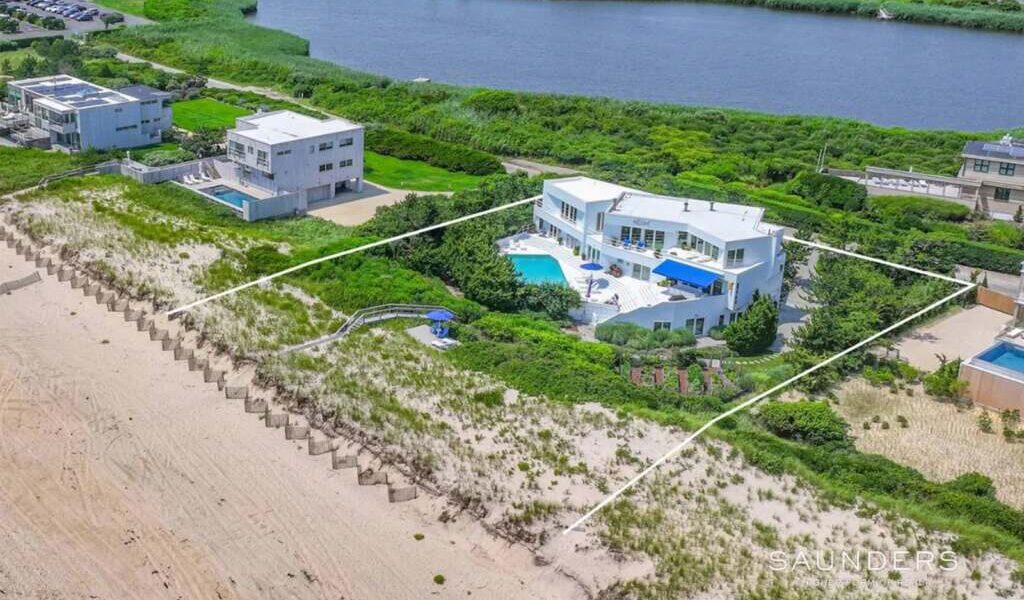
The Hamptons’ summer rental market has undeniably entered a new Gilded Age. Seven-figure leases are no longer unusual. They have become the standard in a market that has drifted beyond simple luxury and evolved into a striking display of financial power.
There was a time when a $1 million Hamptons rental created a ripple of disbelief at its extravagance. It was the kind of real estate deal whispered about at cocktail parties or splashed across tabloid headlines — a hedge fund titan spending the price of a Manhattan townhouse for eight weeks by the beach. Now, that figure barely registers. By summer 2026, the Hamptons rental market has entered an entirely new realm of wealth, where even what once seemed absurd now feels commonplace.
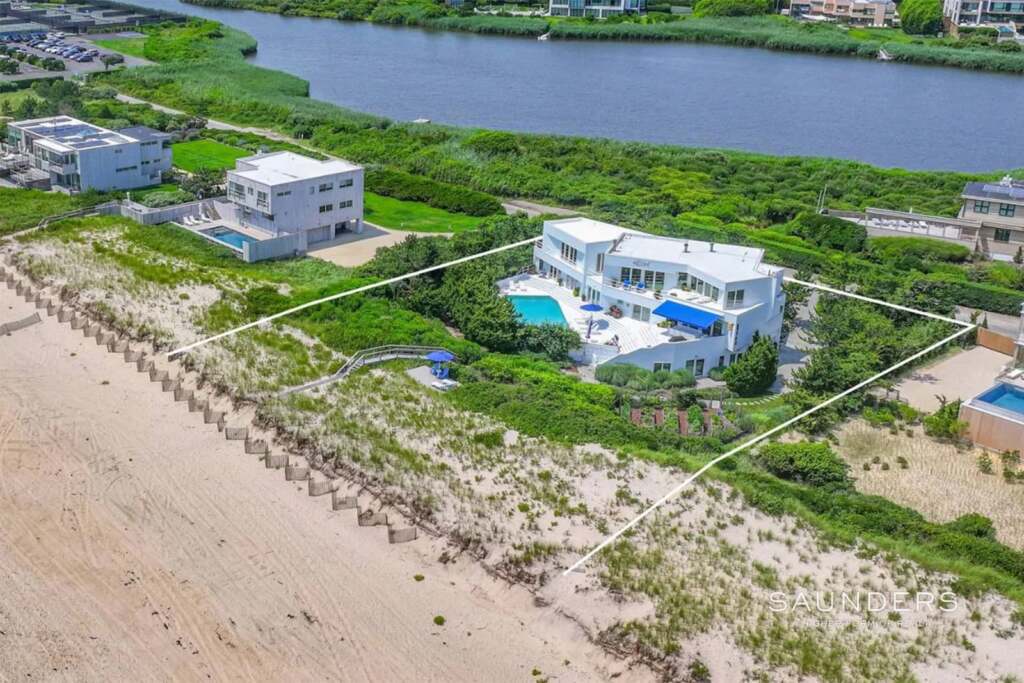
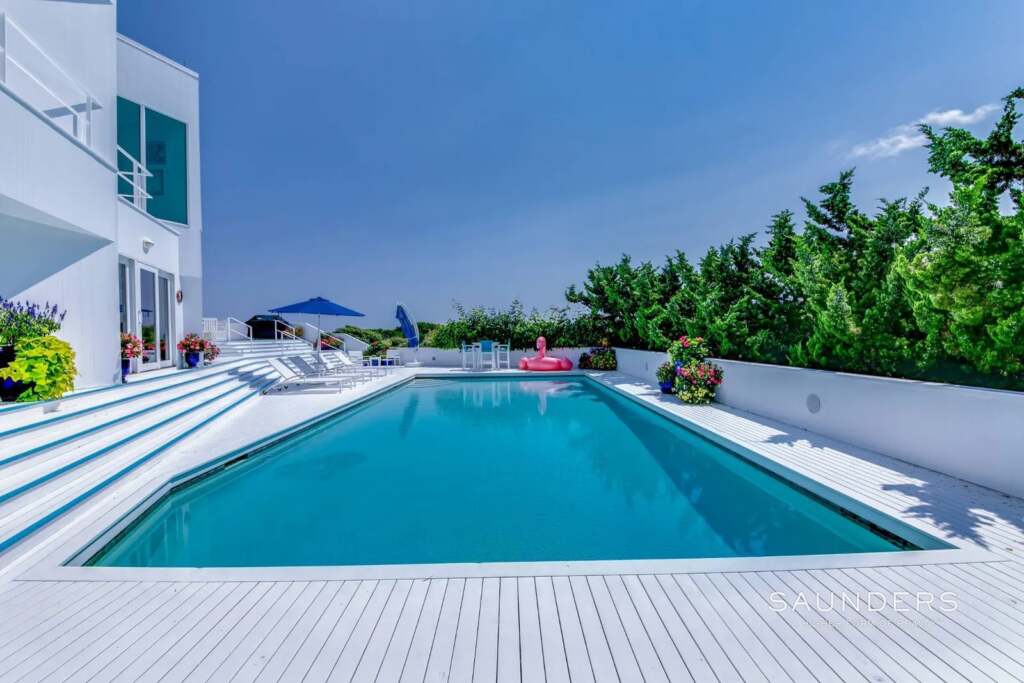
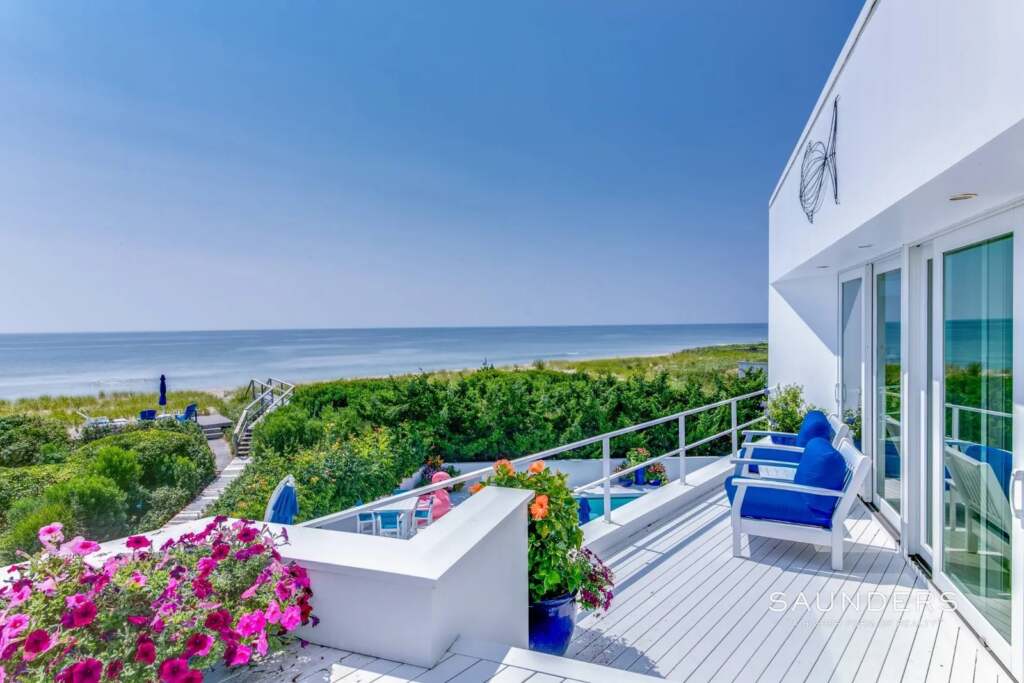
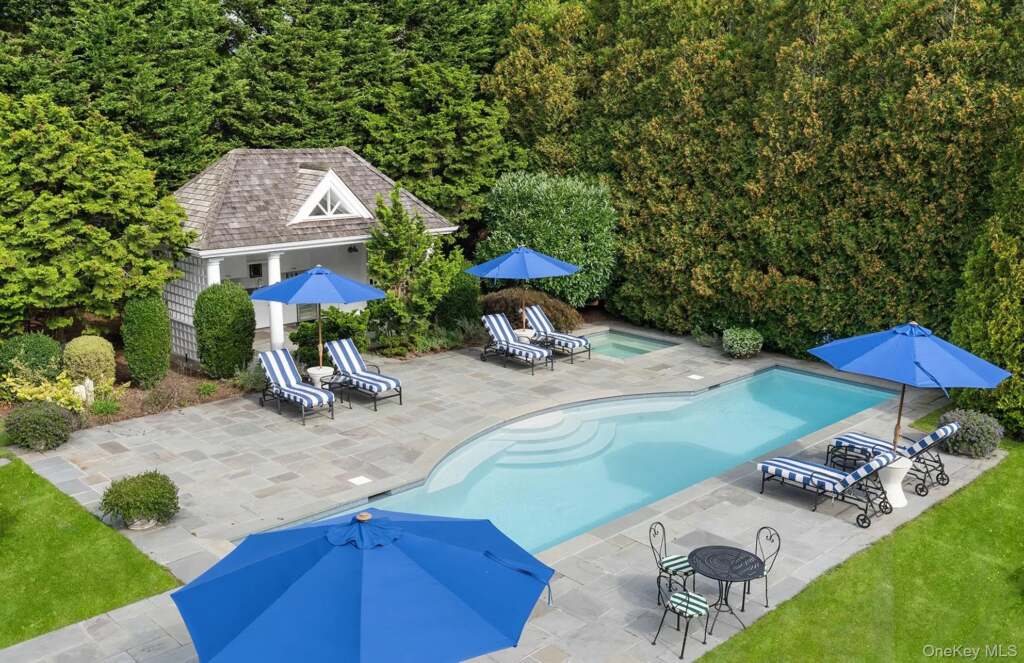
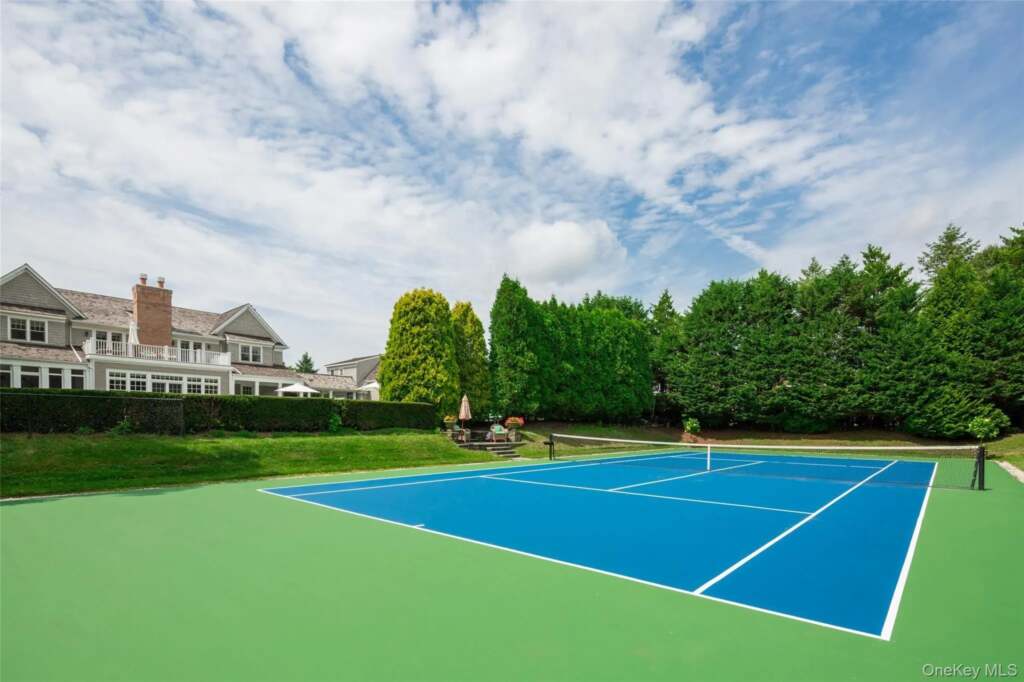
The clearest example is the sprawling oceanfront estate at 179 Mid Ocean Drive in Bridgehampton, asking $2 million from Memorial Day through Labor Day, with July through Labor Day priced at $1.8 million. The six-bedroom property sits directly on the ocean and features expansive entertaining spaces, multiple balconies, a heated pool and designer interiors.
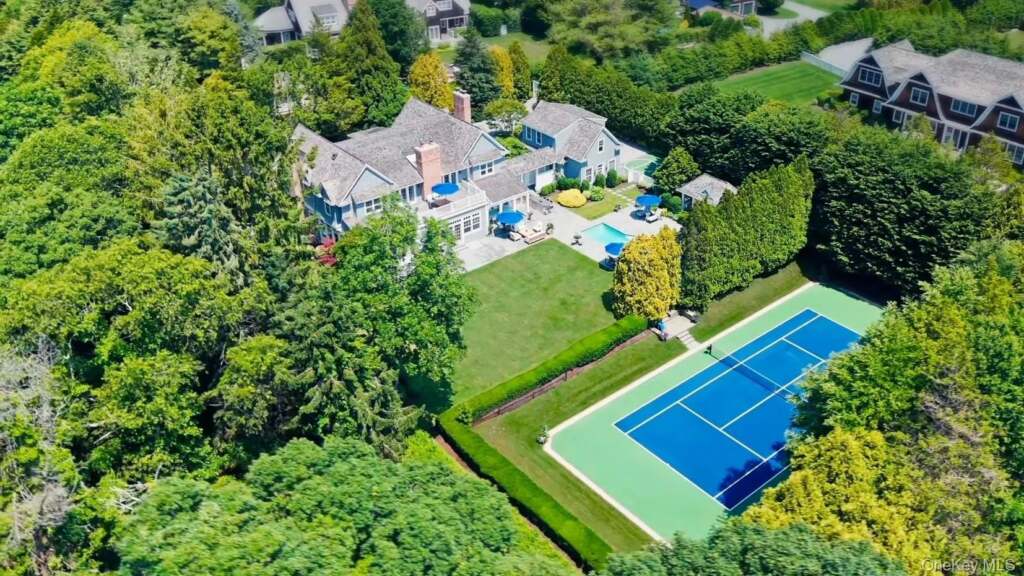
At 327 Georgica Road in East Hampton, a seven-bedroom estate is listed at $565,000 for the full 2026 summer season, $250,000 for July or August through Labor Day, or $500,000 for July through Labor Day. The home includes eight bathrooms, a finished lower level and high-end interiors designed for an all-summer stay.
And yet, perhaps the most striking detail is how little surprise these asking prices generate among brokers.
Luxury agents across the East End describe a market where the best homes disappear earlier than ever, often gone before January even ends. Renters now compete intensely for a shrinking pool of impeccably finished estates. Oceanfront compounds that once might have lingered on the market now vanish before spring arrives. The old, unhurried rhythms of the Hamptons season — Memorial Day strolls, June negotiations — have been replaced by urgency and early dealmaking.
These shifts have been building for years. During the pandemic year of 2021, rental prices briefly surged beyond expectation as wealthy New Yorkers sought refuge from the city. Many assumed the market would cool once travel resumed and Europe reopened. Instead, the opposite occurred. The high end of the market only grew more entrenched.
Now, brokers discuss million-dollar rentals with the same ease they once reserved for homes that would have fetched low six figures. Estates in East Hampton and Wainscott routinely command between $1.4 million and $2 million for a summer season. A single month’s rent can now rival the price of a full Hamptons home not long ago.
Part of this shift is structural. At the ultra-high end, inventory is extremely limited — especially for modern, move-in-ready oceanfront homes with resort-level amenities. Owners who bought or renovated during the low-interest boom years have little incentive to sell.
Why give up a property that can generate staggering summer income while still being used in quieter months? Increasingly, the financial logic favors holding. A Hamptons estate is no longer just a vacation home or status symbol; it has become a seasonal income-generating asset defined by scarcity.
But the market is also being driven by broader global uncertainty. Brokers point to geopolitical tension, financial volatility and a growing reluctance among wealthy Americans to commit to long international travel plans. Destinations that once defined peak summer luxury — the Greek islands, the south of France, parts of the Middle East — now carry more friction and unpredictability.
The Hamptons, by contrast, offers insulation and familiarity: exclusive, but predictable. Close enough to New York City, yet removed from it.
Then there is the irresistible pull of New York City itself. With major international events filling the city’s calendar — including the US Open and FIFA World Cup-related programming — many affluent New Yorkers now treat the Hamptons less as an escape and more as an extension of their Manhattan lives.
The East End has become, for many, a seasonal satellite of the city’s social and cultural rhythm rather than a retreat from it.
At the highest end of the market, value is increasingly defined less by square footage or waterfront access and more by psychological signaling. Homes are judged on their ability to project separation from everyday life.
A bowling alley is not about recreation; it is about self-containment. A glass-walled shark tank is not an amenity; it is a statement of extreme exclusivity. The message is simple: you never need to leave.
Even brokers themselves acknowledge that some listings are aspirational. Owners, after all, are simply testing the absolute limits, especially after seeing neighboring properties snapped up almost instantly. But in the Hamptons, aspiration has a way of becoming precedent. Each record-setting season resets expectations for the next.
And so, the market continues its upward climb, seemingly disconnected from local wages, from standard valuation methods, and even from the very notion that summer rentals are temporary luxuries. What once felt outrageous now feels routine. What once made headlines is now just another listing.
The Hamptons rental market hasn’t simply become more expensive. It has become a reflection of modern American wealth itself — endlessly flowing, meticulously insulated, highly competitive, and increasingly comfortable with overt display.