From Southampton to Montauk, the East End’s weekend calendar offers live performances, art, film, fall… Read More →

From Southampton to Montauk, the East End’s weekend calendar offers live performances, art, film, fall… Read More →
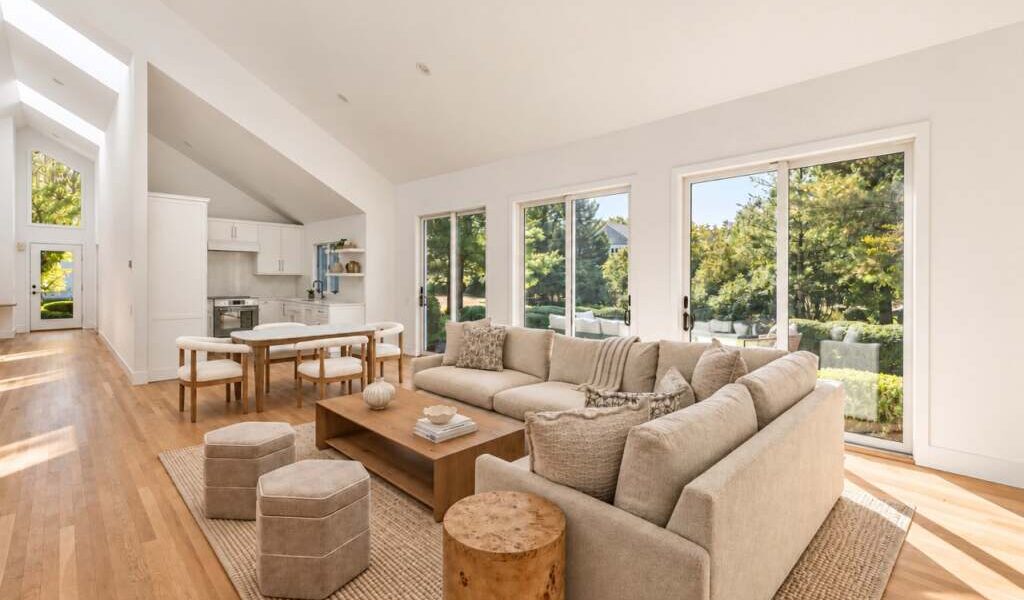
A couple’s plans to downsize from their longtime Sag Harbor home took an unexpected turn,… Read More →
Peconic Bay Medical Center will provide free breast exams and mammograms for eligible participants, with… Read More →
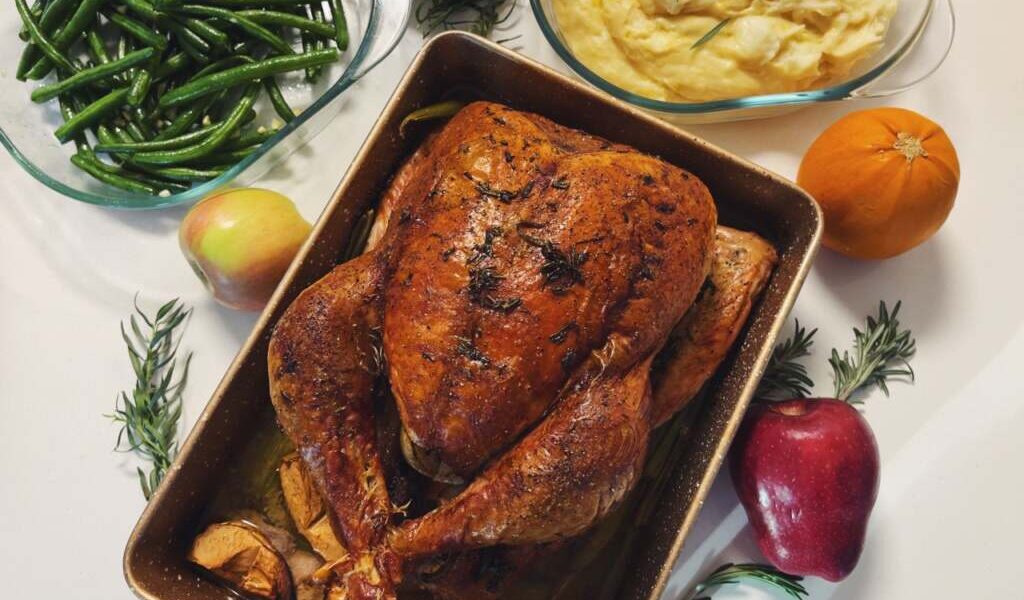
The Bridgehampton catering favorite brings East End ingredients, farm-fresh turkeys, inventive sides and homemade desserts… Read More →
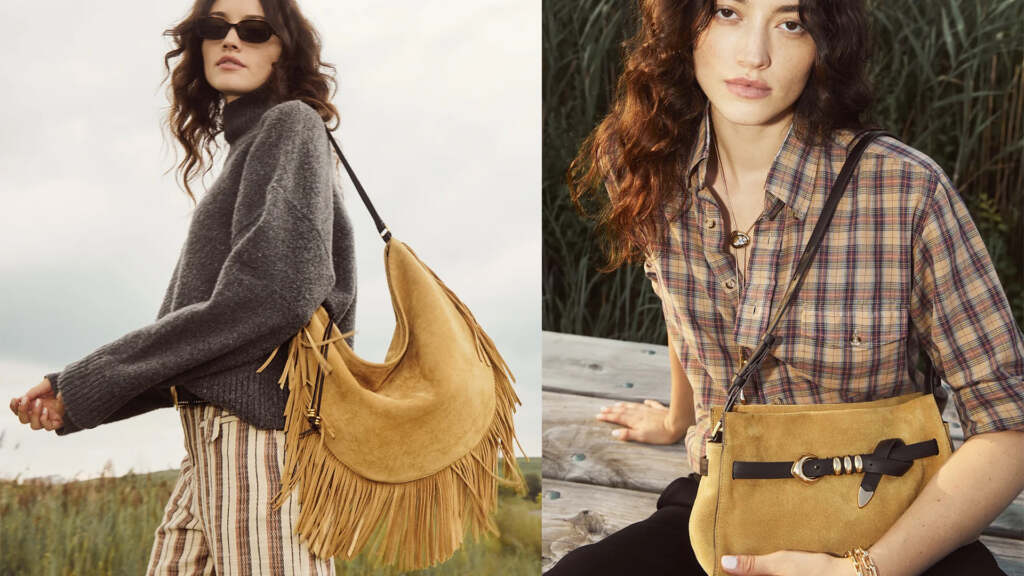
Rich suede, supple leather, and bohemian rock ’n’ roll details set the tone for the… Read More →
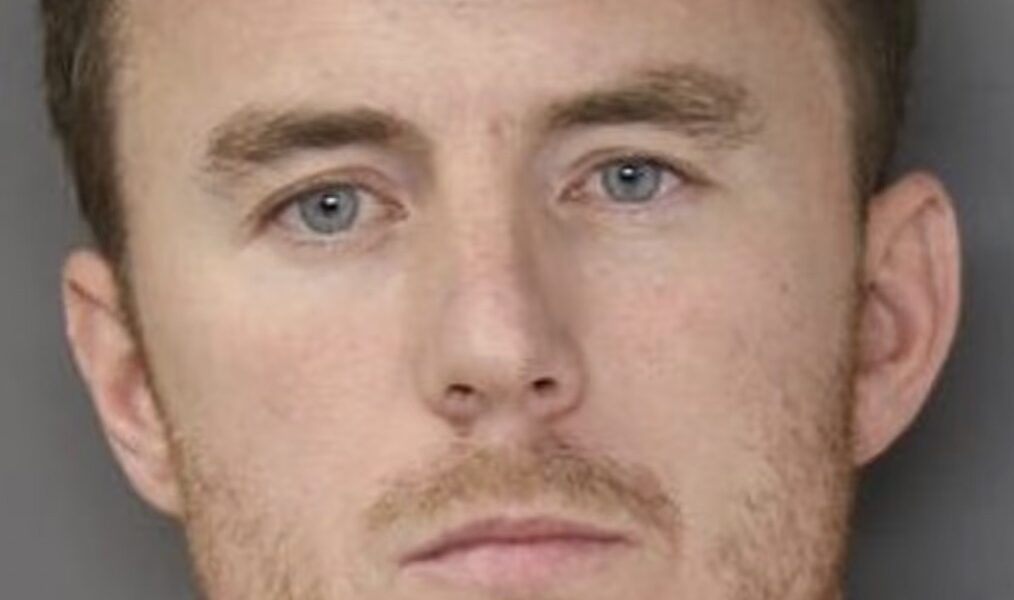
The former social studies teacher and soccer coach posed as a teenage boy on Snapchat… Read More →
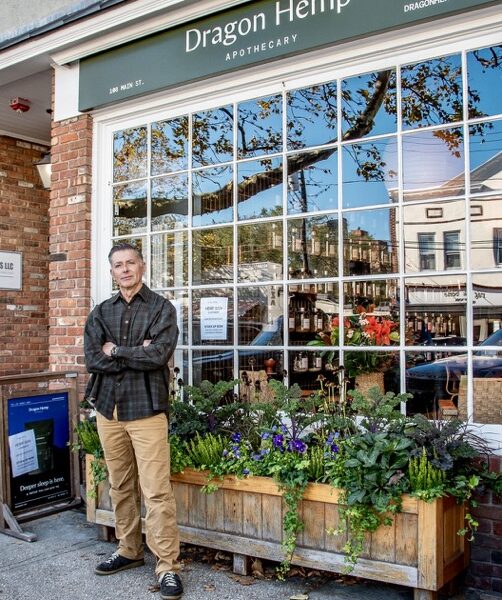
Kevin Menard’s Main Street wellness shop is preparing to close by Dec. 11, leaving loyal… Read More →
Forget the basic Hamptons sweatshirt. This autumn, while everyone is here for pumpkin patches and… Read More →

The 11th annual festival, Oct. 21-22, will honor Anthony Anderson, Kate Walsh and Denée Benton,… Read More →
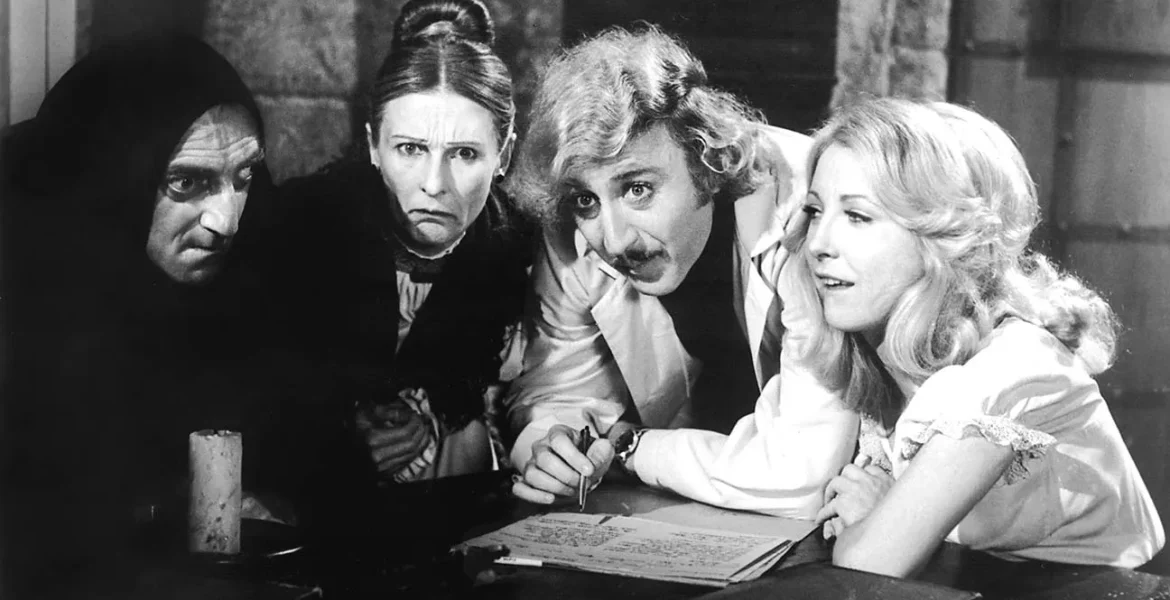
From Benedict Cumberbatch in Frankenstein to The Rocky Horror Picture Show, An American Werewolf in… Read More →
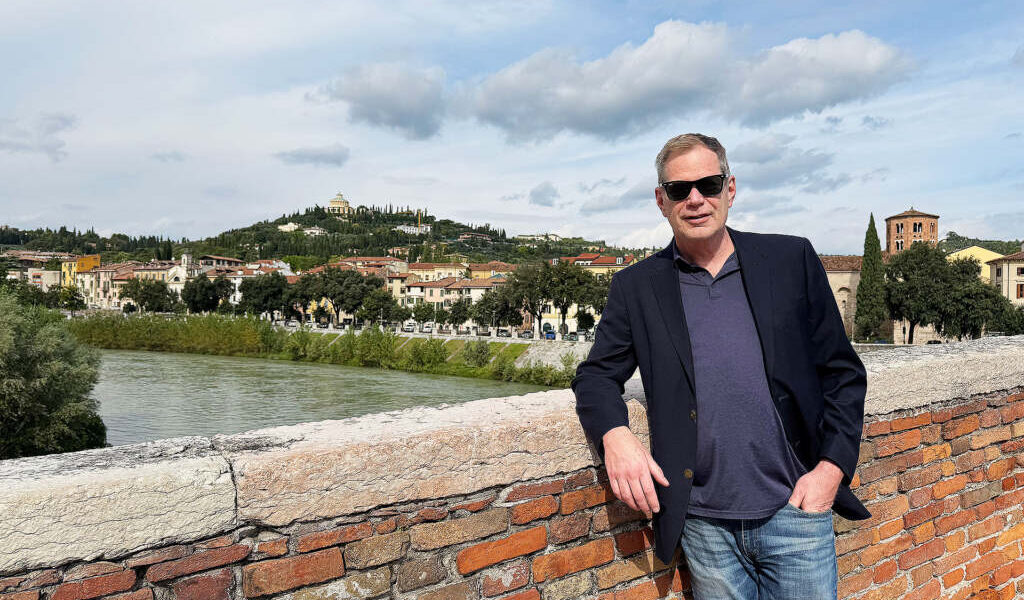
The slow, long trip from Verona to Vienna starts with the lengthy trip to JFK. My traveling companion is S, also known as “Henry VIII” due to his enjoyment of huge meals. The flight is extremely uncomfortable. As a tall man in his late 50s, I am confined to a compartment not dissimilar to the rear seat of a 1970s Pontiac Firebird for over six hours.
Our stopover in Dublin offers a traveler’s initiation: Guinness in Ireland. The pub is half-full at 7 a.m., and after our first sips, S and I agree—the Guinness here is richer, verging on a milkshake. They’re keeping the good stuff hidden! Later, I’ll be told there’s no difference between Guinness in Ireland and America. My silent reply is that of a UFO witness questioned by a skeptic: I know what I saw.
Our Verona Airbnb is a nice condo in the old city. We walk into the apartment through tables laden with people eating something increasingly not found in America: a leisurely late lunch. The apartment gets a lot of visitors, but it’s tidy and has an OK balcony view.
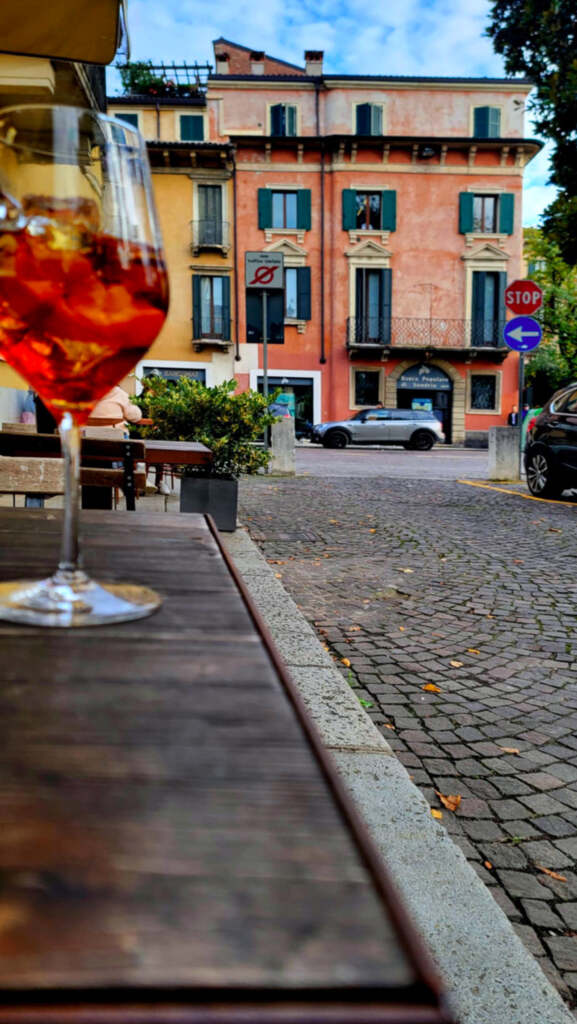
Verona’s military history is prominently represented by the medieval Castelvecchio fortress situated across the street. We proceed to Piazza Bra, which houses a magnificent Roman amphitheater constructed in A.D. 1 and which continues to host concerts and operas. However, it is currently closed for renovations; thus, we take a seat nearby to enjoy Negronis as the burnt orange light illuminates the arena.
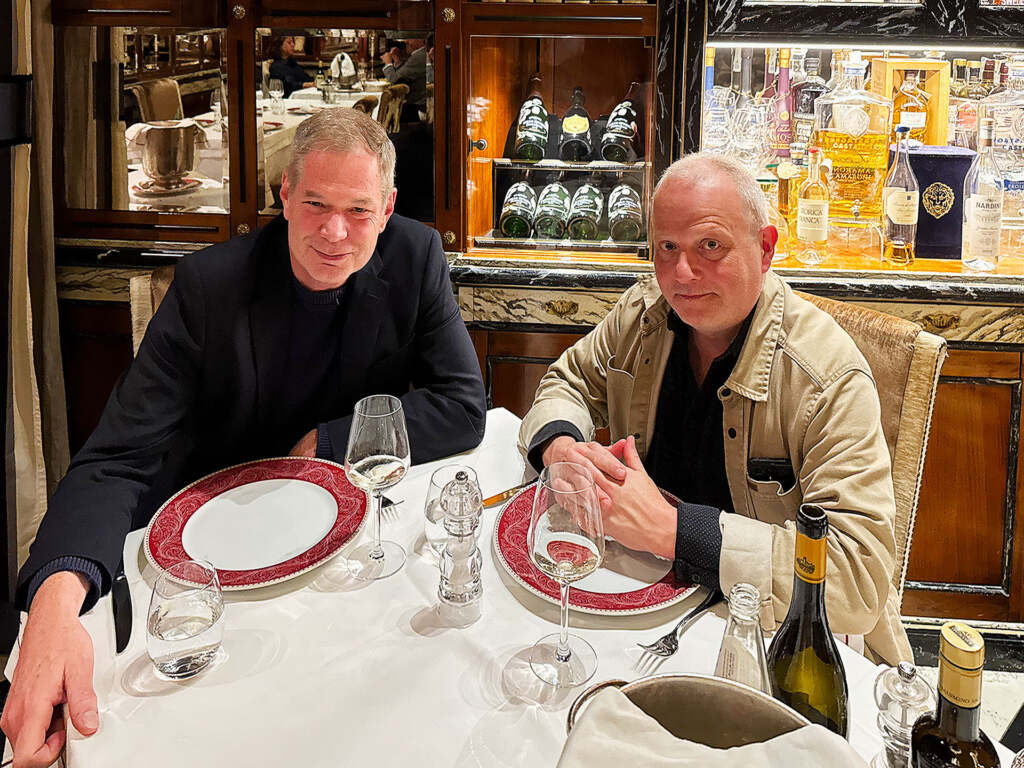
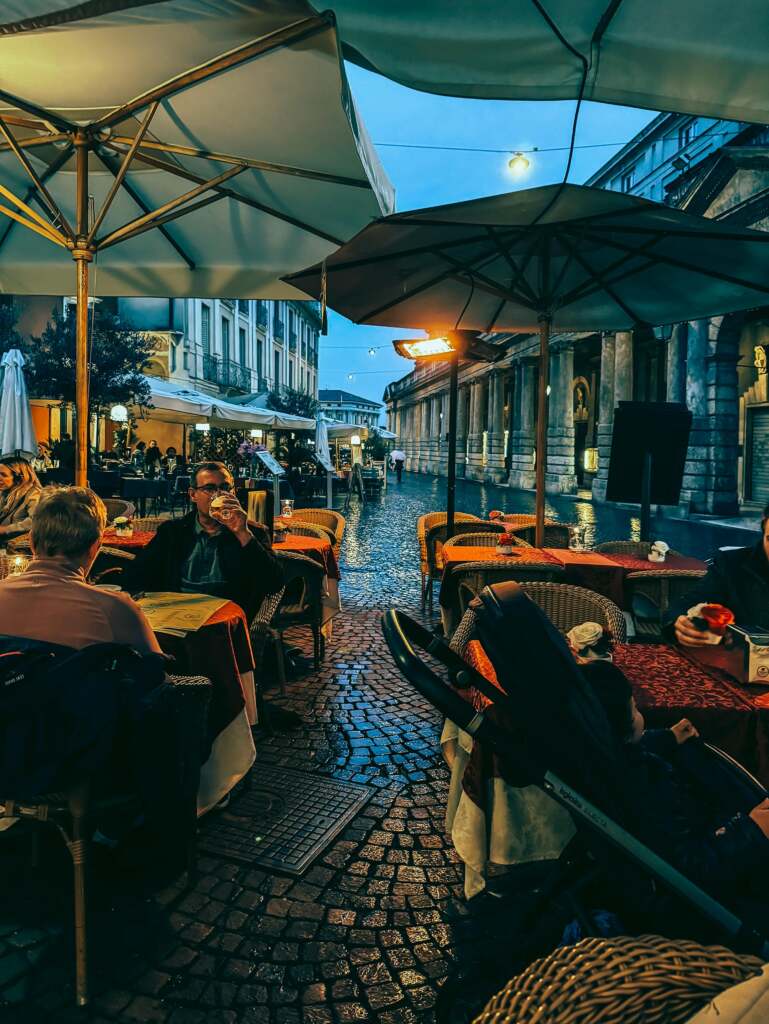
Our three nights in Verona fall into a similar routine: perusal of the wine list, two bottles chosen, three starters, pasta course, two main courses with vegetables, dessert, and then grappa and cigars outside.
How did horsemeat become Verona’s signature protein? War. When armies battled, and the dust settled, conquerors fed soldiers dead horses, and the habit stuck. Following our When-In-Verona philosophy, we ordered some at Trattoria Reale. It comes on grilled polenta, dark red, clearly braised with wine into a ragout. The flavor isn’t that different from beef—earthier, gamier, tougher. We don’t finish it because it just isn’t that good.
All this indulgence, and we’re not waddling penguins. We’re “normal-sized” with fairly healthy lifestyles. In Verona, we had a croissant and a cappuccino for breakfast, and we walked everywhere.
The most vivid walk was the one to Castel San Pietro. We walked across the Ponte Pietra Bridge spanning the Adige River, then tackled the rather steep staircase. S, a resident of a fifth-floor walkup, managed the stairs with ease, whereas I paused at almost every landing to catch my breath.
It was our final day in Verona, and it was raining. We did wine shopping instead of sightseeing. We skipped the “Juliet House” trap with its balcony and statue whose breast tourists kiss for good luck in love.
On the following day, we caught a 9 a.m. train for Vienna, eager to observe the countryside from beneath ground level. The mountains grew taller, their tops crowned by snow.
We weren’t announced when we came into Austria—you could tell by the buildings and the scenery. Austrian homes are such a 1950s FBI agent’s hair: tightly up and precisely groomed. It’s so clean—no stained roofs, rotten fence posts, or untended bushes. A power-washed diorama.
Our friend G met us at the station. Dinner was ready at his home just outside the city: Boulevardiers (Negronis made with bourbon rather than gin), cheese, pumpkin soup, and Argentine beef filet. We opened the wine we had brought, and G added two from his cellar. The evening went late—we had not seen each other in nearly a year.
We strolled through Vienna’s lovely Habsburg-era buildings and the Heldenplatz. Since we had both previously visited Vienna, we were content to stroll around, having drinks on Leopold’s rooftop bar and Bukowski bar, where we got yelled at for being “SO LOUD”—a bit ironic in a bar named after the famously loud American writer.
At a traditional Austrian bistro, a jazz saxophonist played along as we struggled through intimidating meals: beef tongue and schnitzels the size of doormats. I experienced what G calls a “food coma”—that first-world malady when rich food becomes tasteless.
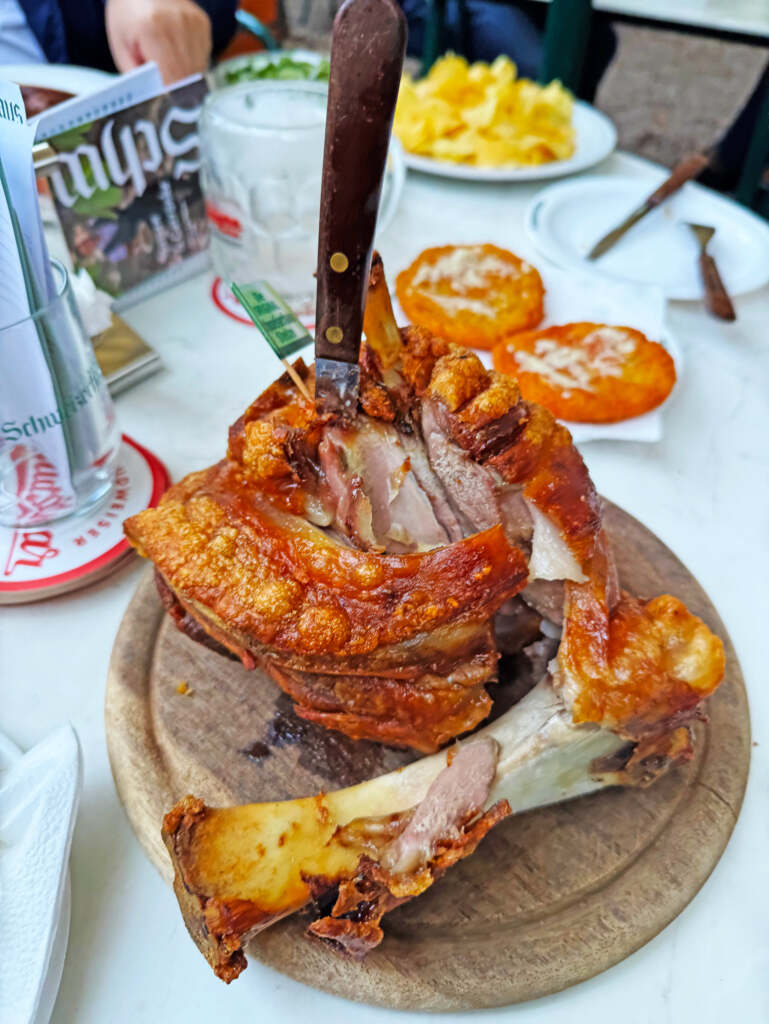
The next day was lunch at the Prater amusement park, at a restaurant famous for deep-fried pork knuckle. S and I shared one, thankfully—it was the size of a miniature basketball. Although tasty, we couldn’t finish.
For our last night, we went out and took G and his girlfriend to Don Giovanni. Dark, volcanic set design by director Barrie Kosky bewildered us, but the performances were great.
The next morning, I listened to Mozart as I packed to leave for the airport while S continued on to Venice. But first — naturally, we visited a truffle festival in a nearby village. In ideal sunshine, we ate fettuccine with sliced truffles, cheese, and a truffle dessert.
My food coma was at bay. I’d made it.