From a major waterfront celebration to Broadway performers, autumn festivals and a few unexpected outings,… Read More →
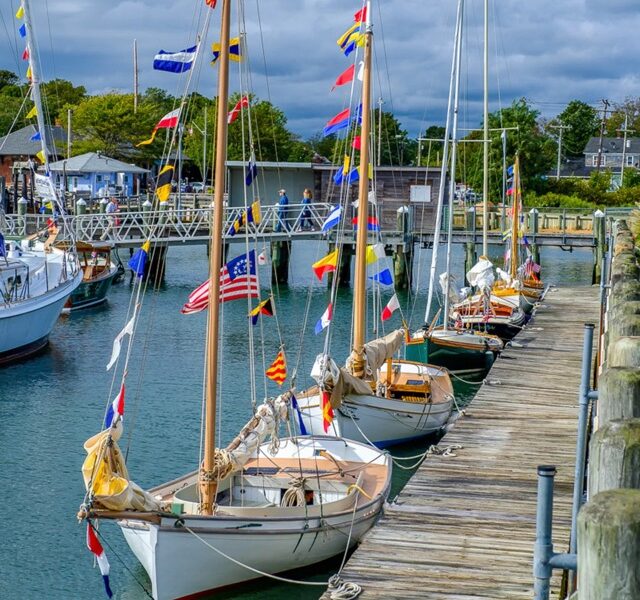

From a major waterfront celebration to Broadway performers, autumn festivals and a few unexpected outings,… Read More →
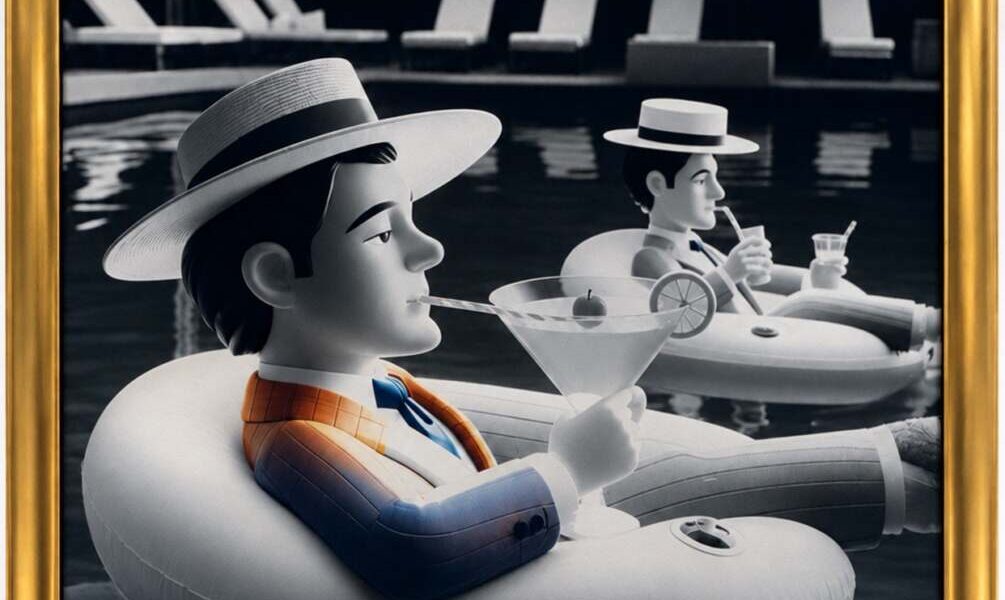
From big-name performers to local celebrations and a few unexpected outings, here’s where to go… Read More →

With deer mating season underway, AAA warns Hamptons and North Fork drivers to stay alert… Read More →
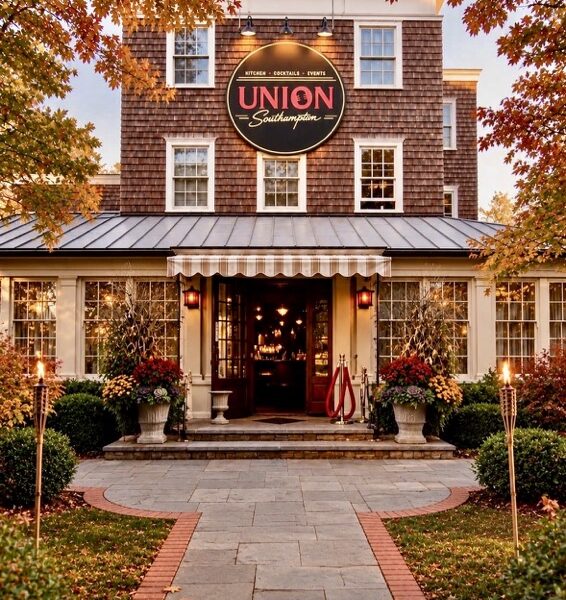
Union finds a new Southampton home, CVS Pharmacy prepares to open at Bridgehampton’s new Target,… Read More →
The Ronkonkoma airport, owned and operated by the Town of Islip, takes the No. 1… Read More →

The bestselling author and clinical psychologist brings her approach to conscious parenting to Ross School… Read More →

The brothers, whose crimes extended to the Hamptons, face sentencing Oct. 27. Prosecutors cite at… Read More →
From ‘The Studio’ co-creator Alex Gregory, the new series explores wealth, ambition and the relationships… Read More →
The East Hampton reception brought together art, wine and philanthropy, with wines from Ridley Scott’s… Read More →

Hundreds of people and their canine companions made their way from Mulford Farm to the… Read More →
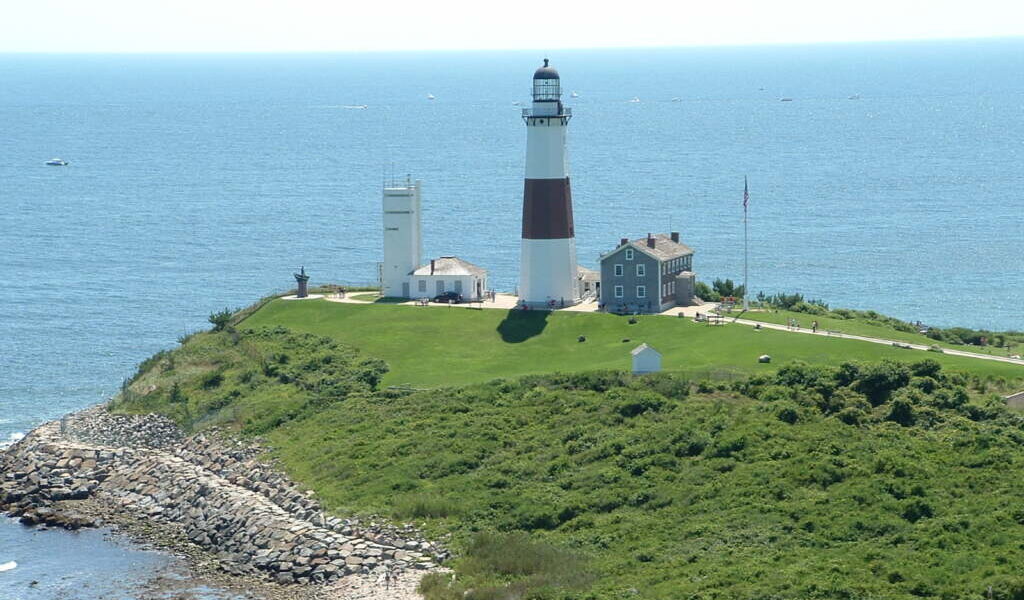
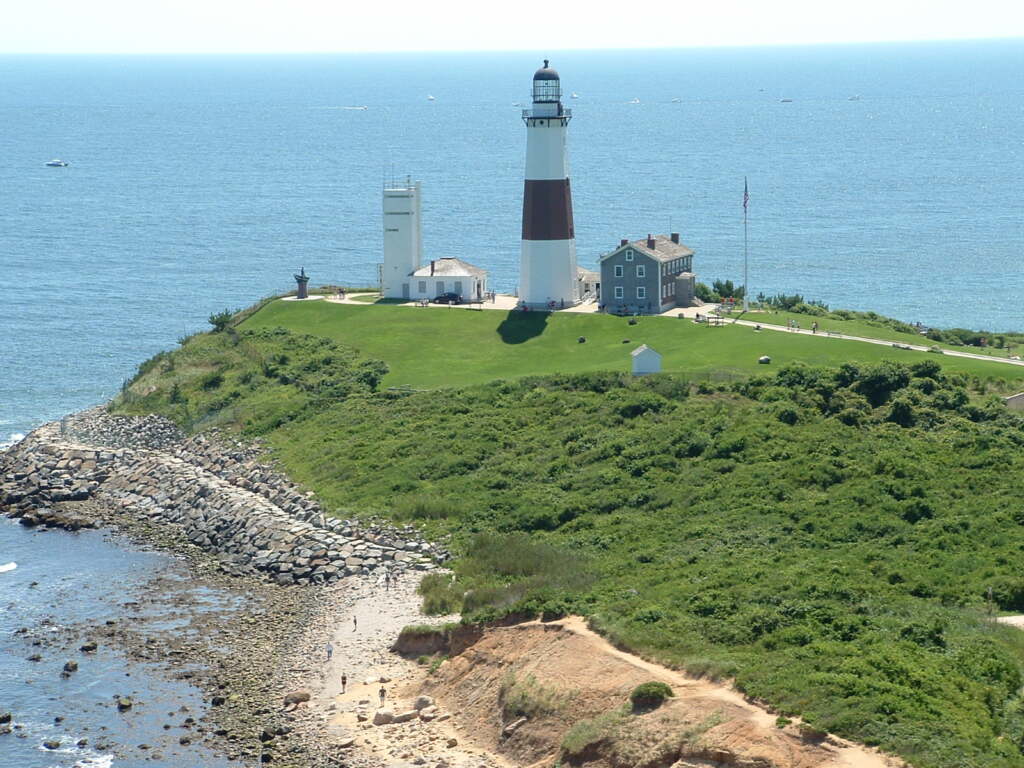
It’s almost predictable.
A quiet town starts drawing in wealthy weekenders. A celebrity snaps up an old estate. Suddenly there’s a chic new hotel, a few buzzworthy restaurants, and home prices skyrocket. Not long after, someone — maybe a developer or a real estate agent — starts calling it “the next Hamptons.”
Hudson Valley.
Savannah.
The Berkshires.
Bermuda.
Lake Geneva.
Montecito.
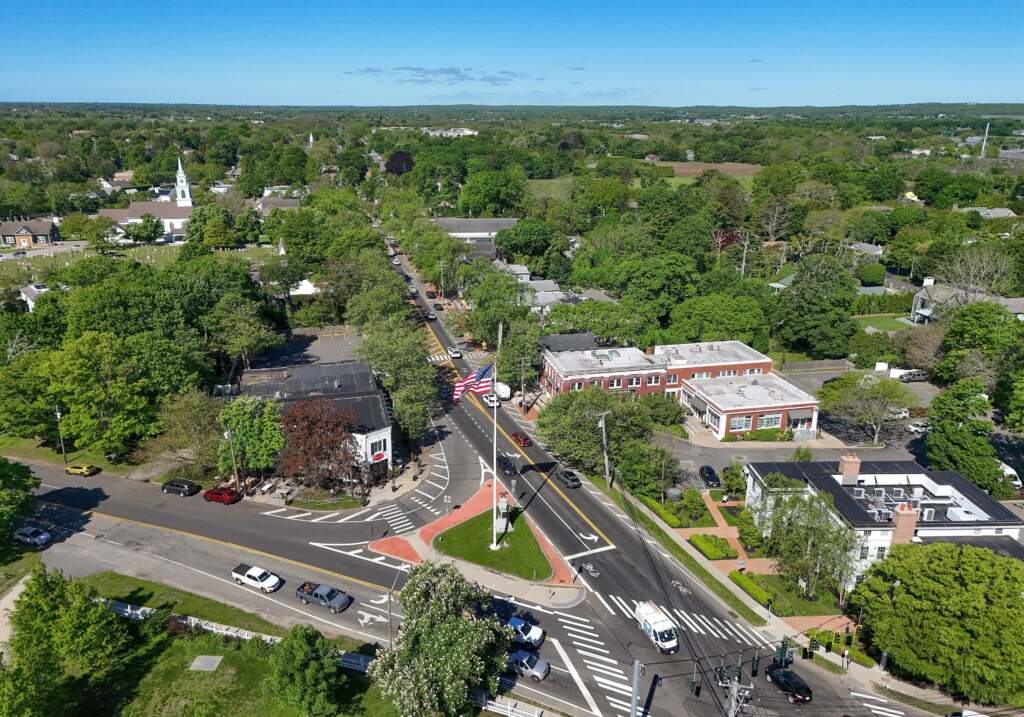
Even upstate New York (Saugerties, Woodstock, etc.) has worn the label at one time or another.
It’s become such a cliché that it feels more like a marketing ploy than an actual comparison.
But if you step back for a second, the reality is clear.
America still hasn’t found another Hamptons.
And that’s because the Hamptons aren’t just a destination. It’s an institution.
You can build luxury properties anywhere. Prestige? That takes generations.
The Hamptons spent more than a century growing into the shorthand for an American summer. It started as a hideaway for Gilded Age New Yorkers, then evolved into the ultimate summer retreat for artists, politicians, financiers, and just about anyone who could escape the city’s heat. These days, it’s CEOs, celebrities, old-money families, and entrepreneurs all sharing the same two-lane highways, hitting up the beaches, farm stands, charity galas, and waterfront restaurants.
It’s one of the rare places in America where old fortunes and new fortunes cross paths every weekend from Memorial Day through Labor Day.
That’s not easy to copy.
Lately, the Hudson Valley’s become the favorite in luxury real estate. You’ll see historic inns turned boutique hotels, stylish shops owned by designers, big-name chefs setting up restaurants, and stars buying up country manors. The area’s rightfully one of New York’s top weekend escapes.
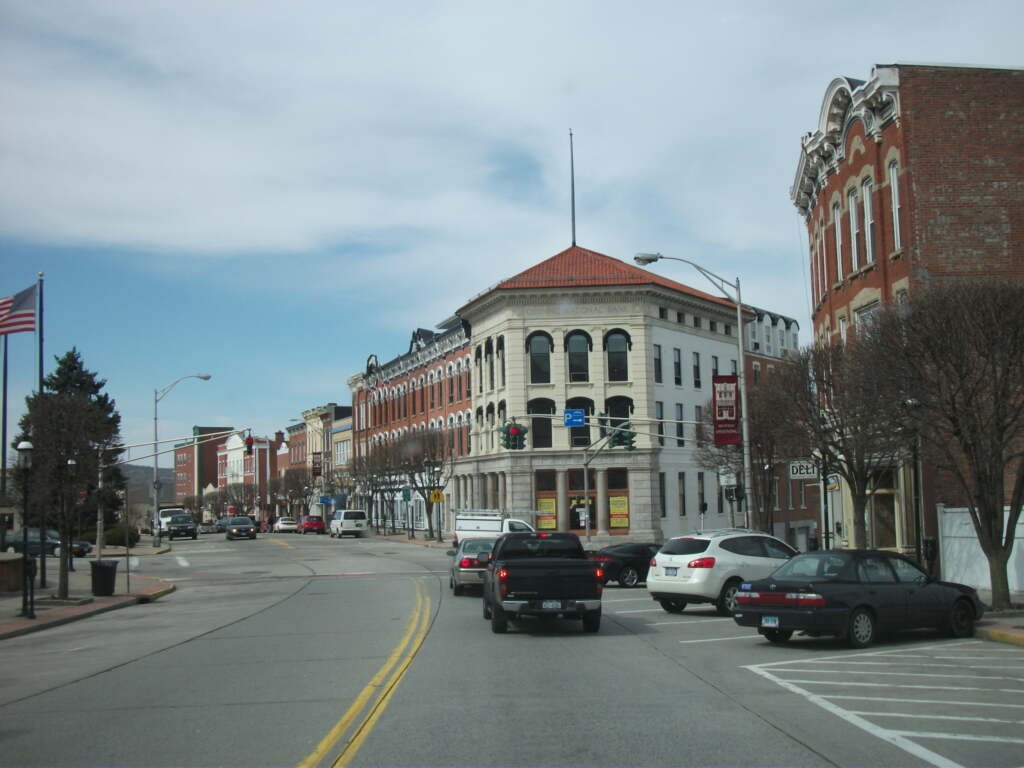
So it’s easy to see why people start drawing parallels.
But honestly, the Hudson Valley isn’t selling ocean breezes and sandy beaches. It gives you mountains, rivers, thick forests, vineyards, and calm weekends.
Luxury here means unwinding.
The Hamptons are about energy.
Think cozy hikes and fireplace nights in the Valley versus beaches, marinas, polo, yacht parties, art openings, charity balls, and sunset dinners by the Atlantic in the Hamptons.
They each have their own vibe.
Savannah? It has stunning architecture, a deep sense of history, gorgeous squares shaded by old oaks, renowned food, and a vibe all its own.
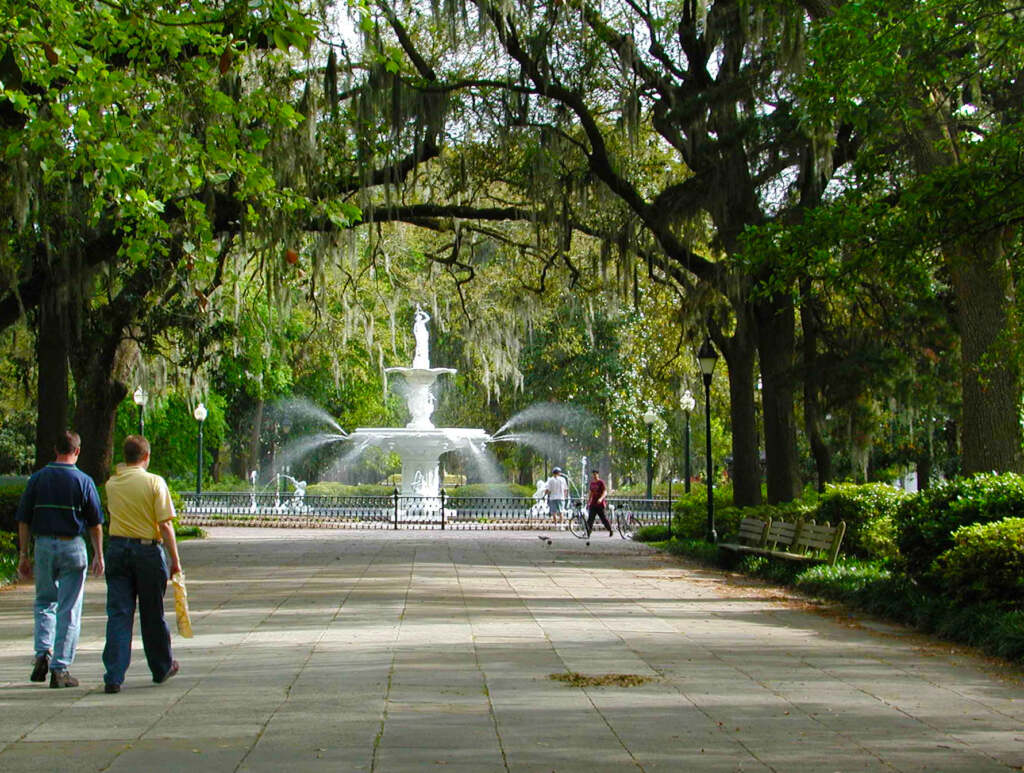
It’s easy to be enchanted by it.
But Savannah isn’t defined by a three-month-long social whirl.
Every summer, the Hamptons transforms into the place where industries move, galleries launch pop-ups, chefs suddenly open seasonal restaurants, and nonprofits pack the calendar with galas that bring in millions.
The economy there doesn’t just get a summer boost. It spins around it.
What About the Rest?
The Berkshires are known for their grand old estates and rich arts scene.
Nantucket and Martha’s Vineyard attract families who love New England tradition.
Montecito has Hollywood privacy.
Palm Beach? It’s the playground of serious wealth.
Aspen owns winter.
Lake Geneva is sometimes dubbed “the Hamptons of the Midwest.”
Bermuda gets pitched as a posh alternative for East Coast travelers.
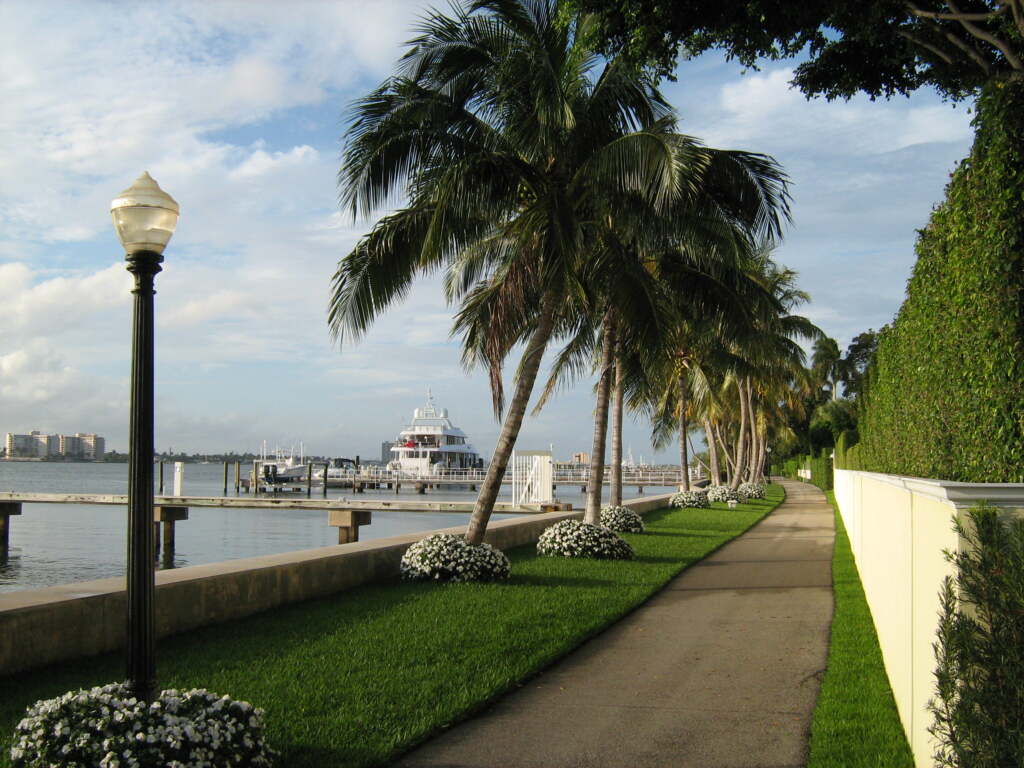
All these spots are special in their own way.
But they aren’t the Hamptons.
It’s not that they’re lacking in luxury. They’ve just found their own identities instead of borrowing someone else’s.
That’s what everyone misses by calling someplace “the next Hamptons.”
The Hamptons didn’t turn into the Hamptons because people threw up a few mansions.
You can buy luxury anywhere.
What really sets the East End apart is time. Decades of it.
Families coming back to the same beach house, summer after summer.
Generations reuniting on the same sandy stretches.
Artists arriving to create (Pollack, DeKooning, Fischl, etc.).
Farmers tend land that outdates the biggest mansions.
Main Streets that, for all the new wealth, still look and feel like villages.
It’s a mix — expensive real estate alongside veggie stands, surf shops, fishing boats, wineries, horse farms, and charities that are older than almost anything else out there.
You don’t get that with a shiny new resort and a record-setting home sale.
Culture, legacy — those things aren’t instant.
So why does every up-and-coming luxury spot get stuck with this label?
Because “the Hamptons” has turned into the go-to symbol for success.
It instantly says: exclusivity, wealth, beauty, aspiration.
It’s marketing, really.
It tells buyers, “Hey, this place is on its way up.”
But being “arrived” and actually having a real identity? Not the same thing.
The Hamptons never tried on someone else’s name.
It just became itself — with time and a lot of rules to keep it from suburbinating.
And maybe that’s why, after all these years, every luxury spot keeps trying to capture the magic.
While the Hamptons quietly keeps being the original prize.