The Bridgehampton catering favorite brings East End ingredients, farm-fresh turkeys, inventive sides and homemade desserts… Read More →


The Bridgehampton catering favorite brings East End ingredients, farm-fresh turkeys, inventive sides and homemade desserts… Read More →

Rich suede, supple leather, and bohemian rock ’n’ roll details set the tone for the… Read More →

The former social studies teacher and soccer coach posed as a teenage boy on Snapchat… Read More →
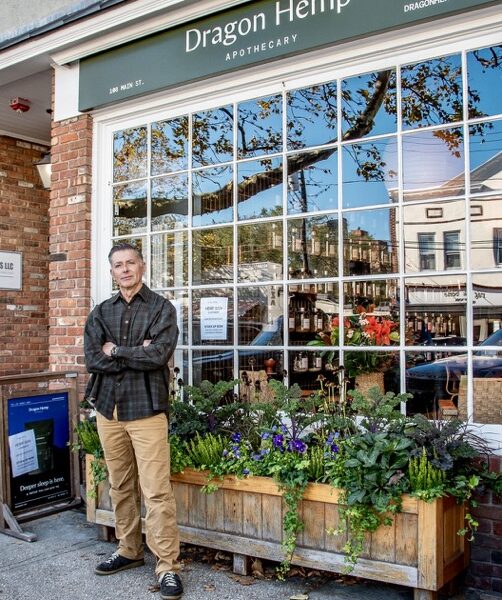
Kevin Menard’s Main Street wellness shop is preparing to close by Dec. 11, leaving loyal… Read More →
Forget the basic Hamptons sweatshirt. This autumn, while everyone is here for pumpkin patches and… Read More →

The 11th annual festival, Oct. 21-22, will honor Anthony Anderson, Kate Walsh and Denée Benton,… Read More →
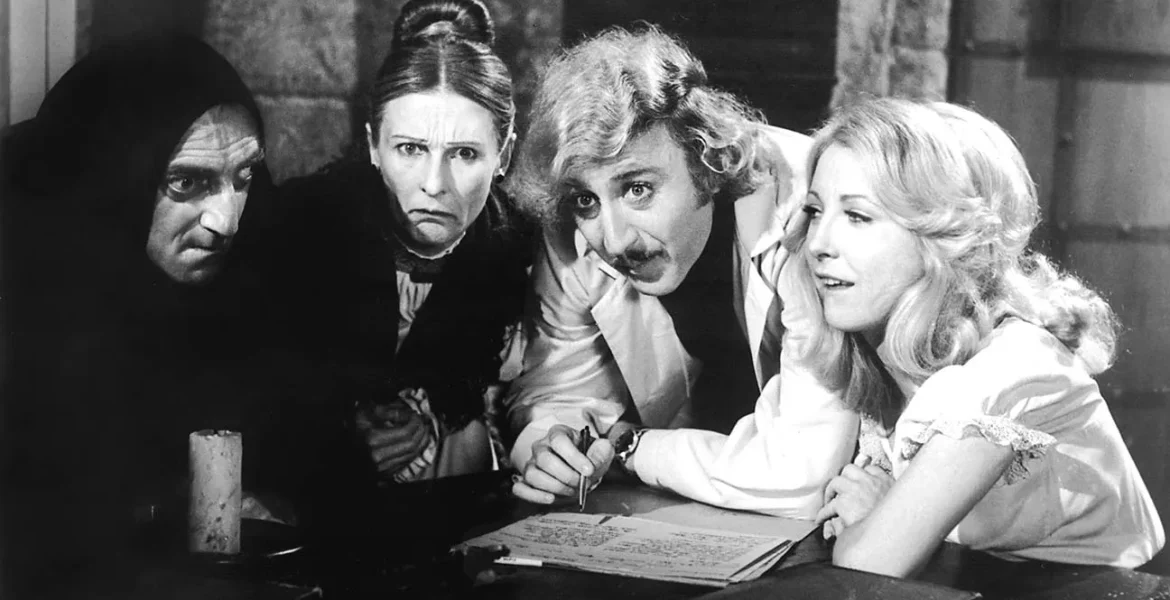
From Benedict Cumberbatch in Frankenstein to The Rocky Horror Picture Show, An American Werewolf in… Read More →
A lucky lottery player turned a $50,000 prize into a six-figure payday in Monday’s drawing.… Read More →

From Southampton’s Halloween pet parade and Sag Harbor’s Ragamuffin Parade to costume parties at Wölffer… Read More →
Let’s talk about Shelter Island — the kind of place you go to get away,… Read More →
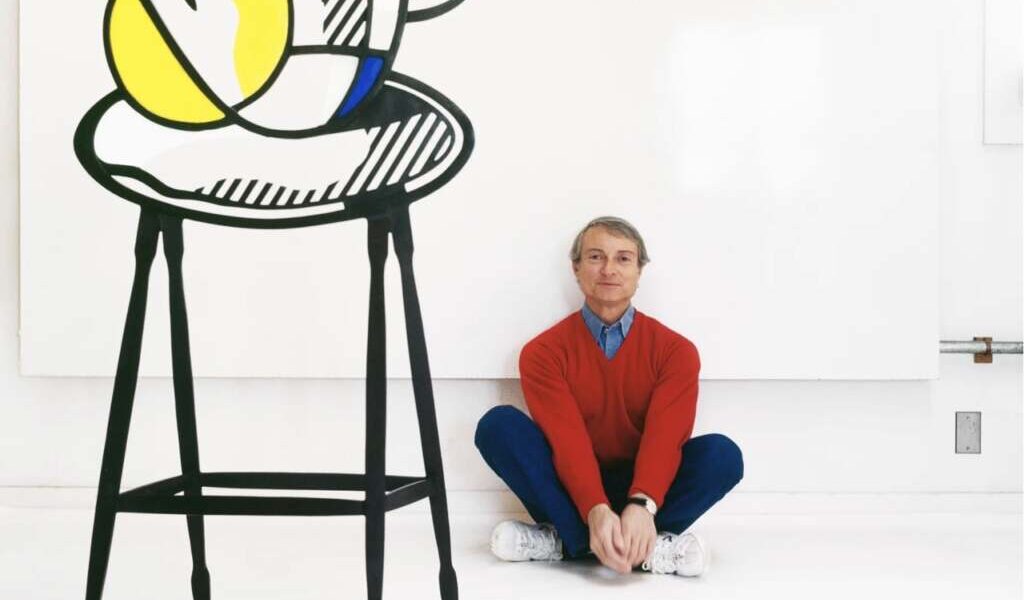
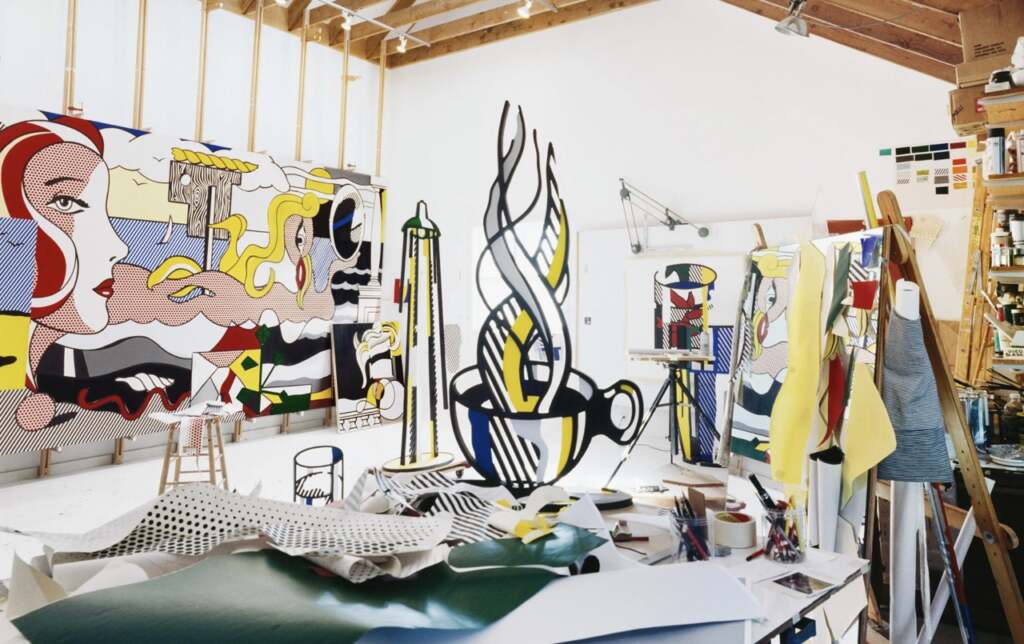
For over 50 years, hidden away behind thick hedges in Southampton, a quiet space began to take shape. It was here where Roy Lichenstein — the pioneering pop artist who drew inspiration from comic books that truly changed American art after the war — worked. Lichenstein’s creative sanctuary eventually became as much a part of his story as his art itself.
Now, that familiar Hamptons retreat, the home Lichtenstein kept for so long – is finally being sold. It’s the first time it has changed owners since he bought it back in 1970.
This week, the estate, spanning almost two acres, finally went under contract. It had been listed for $17.95 million and sat on the market for several months, according to what the listing records showed. For many, this sale doesn’t just mean a change of ownership; it truly feels like the closing of a significant chapter. This wasn’t simply a vacation spot; it was more like an artistic command center for one of the 20th century’s most influential cultural figures.
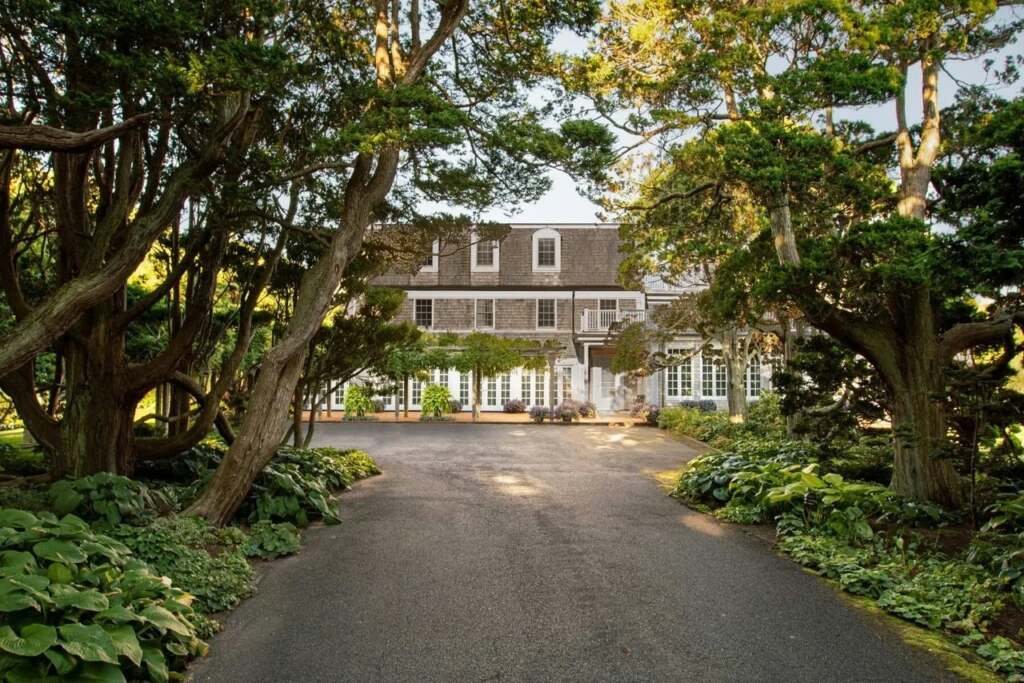
Lichtenstein, known for iconic pieces such as Whaam! and Drowning Girl, acquired the Southampton property with his wife, Dorothy, when his career in the art world was truly soaring. As the years went by, they slowly shaped the estate, expanding it and bringing new ideas to its design. It eventually became a deeply personal space where their home life and his creative work often blended.
Lichtenstein passed away in 1997, at 73. Dorothy Lichtenstein, his wife, stayed with the home, connected to it, until her own death in 2024. Now, the property is being sold by her estate.
Unlike many of those grand Hamptons properties, which often seem to be torn down and rebuilt endlessly in hopes of turning a profit, the Lichtenstein home carries a different kind of weight, a rare cultural significance. The estate features not only a main house from the 19th century but also a separate studio building. It was there that the artist spent some of the most important decades of his career, working on his art.
The main residence itself stretches out over about 5,800 square feet. It still holds that rich, layered feeling of a home that was lovingly built up over time, rather than just designed with an eye toward a quick sale. Inside, one finds the formal living and dining rooms, a quiet library, a bright sunroom, five bedrooms, and several terraces and balconies, each looking out onto the landscape around them. A private path takes you straight down to the beach, adding to that unmistakable old-Hamptons charm the property has – it’s understated, feels very private, and seems connected more to a lasting creative legacy than to any kind of show.

The property was listed by Harald Grant and his son, Bruce Grant, both with Sotheby’s International Realty. They managed to secure a sale that attracted considerable interest from buyers, who recognized how truly rare a home like this was in the Hamptons market.
In a part of the world that seems more and more taken over by sleek, ultramodern buildings and a constant flow of luxury properties built just to be sold, the Lichtenstein estate stood for something much harder to find: a genuine sense of authenticity. It was more than just a famous address; it was the very place where one of America’s most recognizable visual styles was conceived, carefully honed, and lived out every single day.
The identity of whoever bought it, and the exact final price, won’t be revealed until the sale officially closes. But for those in the Hamptons art scene – and certainly for collectors who often see an artist’s home as part of their body of work – this sale feels like more than just a typical real estate deal. It feels like a significant cultural landmark as it moves into its next phase.
To learn more, visit www.sothebysrealty.com.