The Bridgehampton catering favorite brings East End ingredients, farm-fresh turkeys, inventive sides and homemade desserts… Read More →



The Bridgehampton catering favorite brings East End ingredients, farm-fresh turkeys, inventive sides and homemade desserts… Read More →

Rich suede, supple leather, and bohemian rock ’n’ roll details set the tone for the… Read More →

The former social studies teacher and soccer coach posed as a teenage boy on Snapchat… Read More →
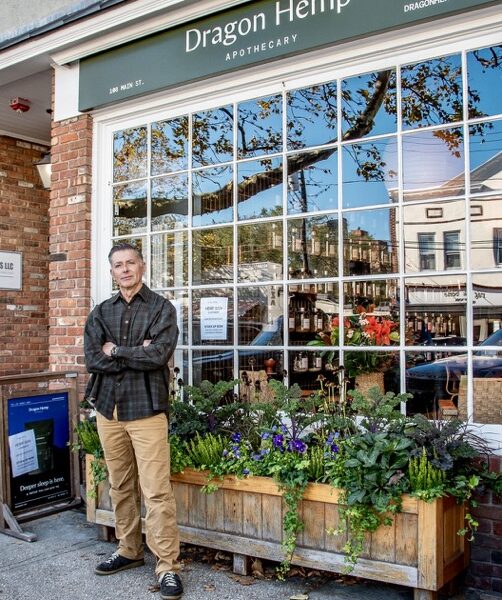
Kevin Menard’s Main Street wellness shop is preparing to close by Dec. 11, leaving loyal… Read More →

Forget the basic Hamptons sweatshirt. This autumn, while everyone is here for pumpkin patches and… Read More →

The 11th annual festival, Oct. 21-22, will honor Anthony Anderson, Kate Walsh and Denée Benton,… Read More →

From Benedict Cumberbatch in Frankenstein to The Rocky Horror Picture Show, An American Werewolf in… Read More →
A lucky lottery player turned a $50,000 prize into a six-figure payday in Monday’s drawing.… Read More →

From Southampton’s Halloween pet parade and Sag Harbor’s Ragamuffin Parade to costume parties at Wölffer… Read More →
Let’s talk about Shelter Island — the kind of place you go to get away,… Read More →
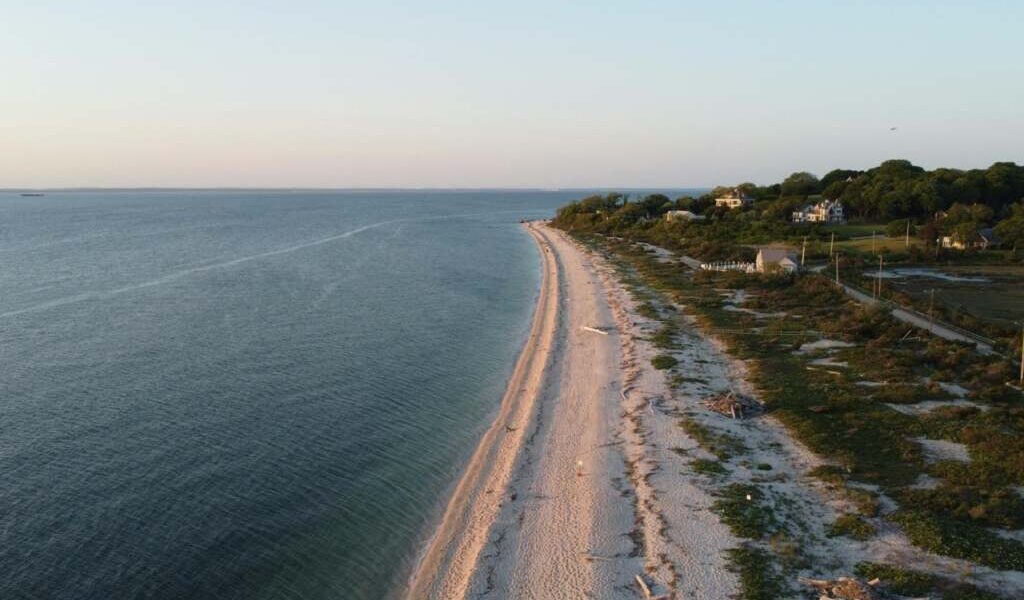
It’s arriving even as East End Wi-Fi remains notoriously unreliable during peak season (looking at you, Springs).
Off-market deals are surfacing in Amagansett. Sudden bidding wars are breaking out in Sag Harbor. And the buyers behind them are different.
Their wealth did not come from Wall Street bonuses or traditional finance. It came from Nvidia stock soaring to record highs, AI startup exits and the kind of liquidity event rapidly reshaping what wealth looks like in America.

Brokers say the pattern is becoming increasingly clear: younger buyers, more technical, less interested in status signaling and intensely focused on infrastructure.
Not the kind longtime Hamptons residents debate — beach erosion, septic codes or conservation easements.
This new wave is focused on digital infrastructure.
These buyers want fast, reliable fiber-optic internet, enterprise-grade backup systems and the ability to run entire companies remotely from their beach houses.
Upload speeds matter. Redundancy matters. Connectivity matters.
Some care less about ocean views than bandwidth capacity. Brokers say some are asking whether a property can support a fully remote AI company before asking what restaurants are nearby.
They still want privacy and proximity to the ocean, but they are unwilling to compromise on connectivity — even if that means peppering brokers with questions about fiber runs through Wainscott.
It may seem like a small shift, but it signals something larger: AI wealth has landed in the Hamptons, bringing a new set of expectations.
Homes increasingly need the kind of technical backbone East End buyers rarely considered before.

For now, the Hamptons is enjoying the glossy side of the trend.
Sales records continue to fall. Cash deals move quickly. Buyers arrive with a level of liquidity once considered almost mythical.
Technology wealth is now moving the market as aggressively as finance and old money once did.
The Hamptons’ median sale price recently hit $2.34 million, while deals above $10 million are becoming increasingly routine, according to reports from Douglas Elliman and Miller Samuel.
 The Hidden Infrastructure Cost of AI Growth
Beyond the East End, the AI economy looks less glamorous.
Across upstate New York and the Hudson Valley, communities are increasingly pushing back against proposed data center developments. Residents worry about energy consumption, water use and industrial-scale construction reshaping rural towns.
In East Fishkill, debate surrounding a proposed data center capable of drawing roughly 1,000 megawatts has intensified concerns over environmental impact, zoning pressure and quality of life.
That debate may feel distant from the Hamptons, but the underlying concerns are familiar.
Long Island has spent decades wrestling with water protection, grid pressure, overdevelopment and land preservation.
While the East End lacks the land and power access needed for hyperscale data centers, experts say AI-driven growth is already forcing municipalities to confront difficult questions about energy capacity and infrastructure readiness.
The same AI wealth fueling multimillion-dollar Hamptons home sales depends on a vast physical network of servers, cooling systems, substations and fiber corridors.
The so-called cloud is anything but invisible.
It is heavy industry dressed up as frictionless innovation.
And that creates an uncomfortable irony:
The luxury market increasingly benefiting from AI wealth is powered by the same industry placing pressure on communities across New York.
That tension — preserving the Hamptons’ exclusivity and natural beauty while accommodating the demands of a new generation of ultrawealthy buyers — may define the East End’s next real estate cycle.
AI money is no longer a distant trend.
It is here, reshaping who buys, what they expect and, ultimately, what the Hamptons may become.