The actress found a buyer within weeks for the Bridgehampton estate; the deal has now… Read More →
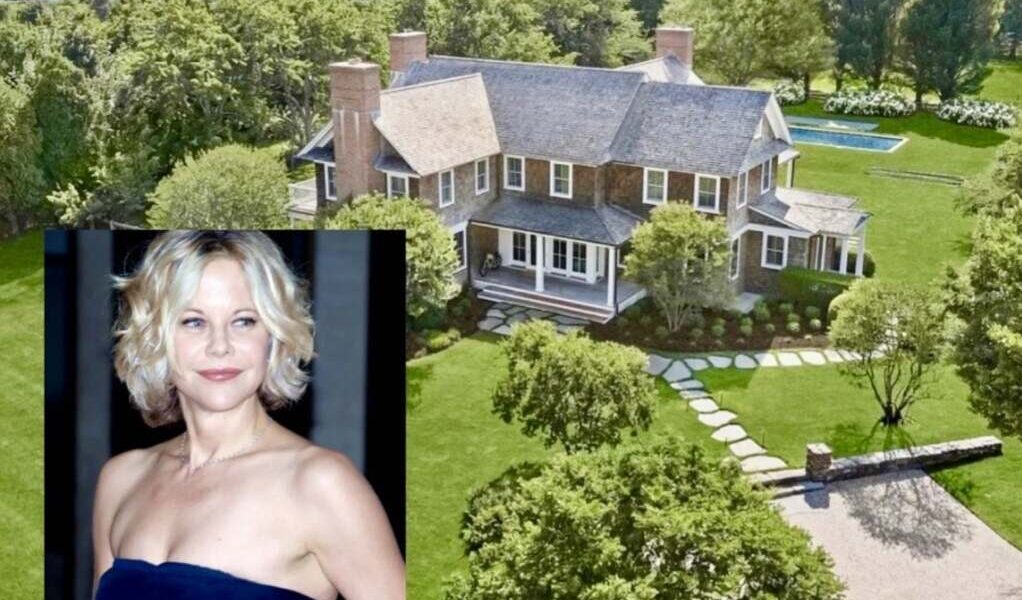


The actress found a buyer within weeks for the Bridgehampton estate; the deal has now… Read More →
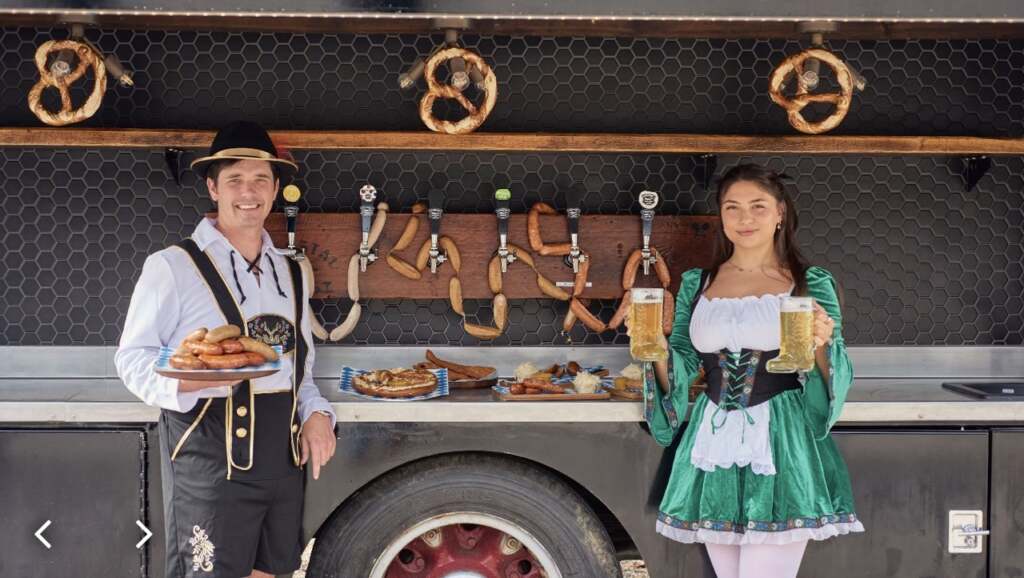
From a 45-year-old country fair to Oktoberfest, waterfront eats and a little sleight of hand,… Read More →
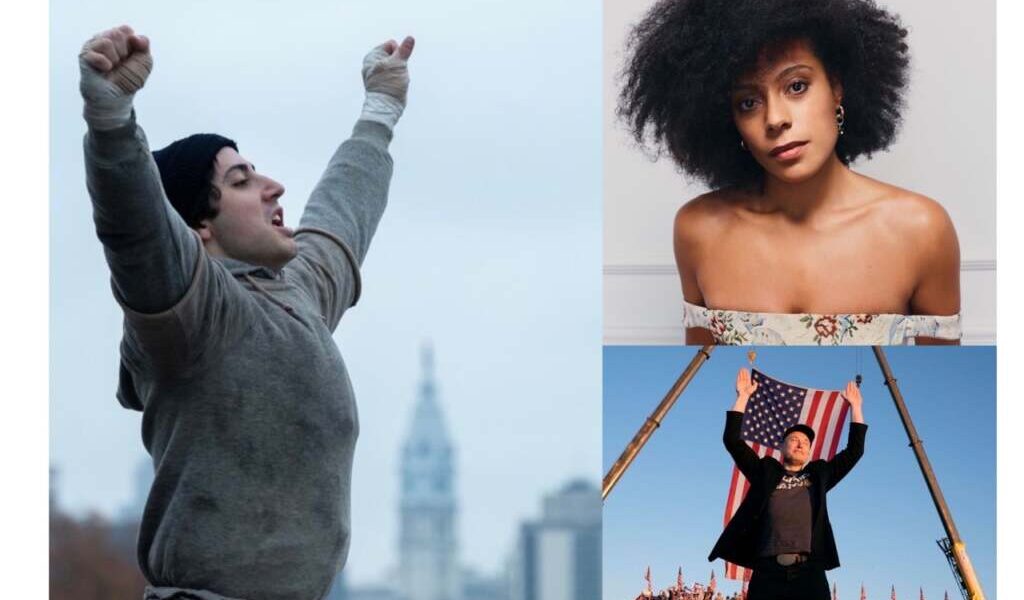
From I Play Rocky and Amanda Seyfried to Chris Rock’s Misty Green, Spotlight films, documentaries,… Read More →
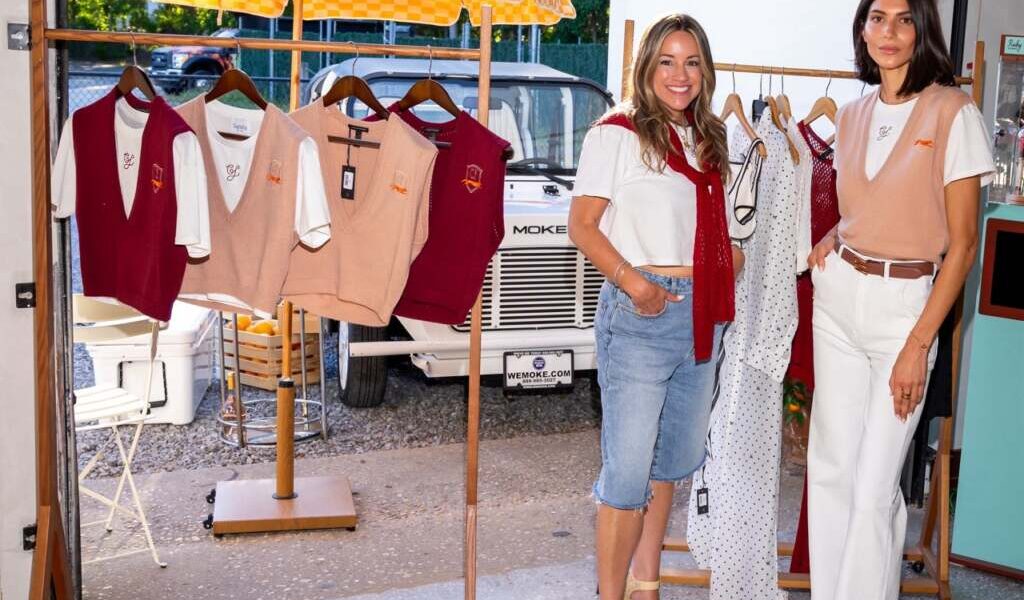
Kiki de Montparnasse and Southampton’s Charlie Fox team up on a new cashmere collection that… Read More →
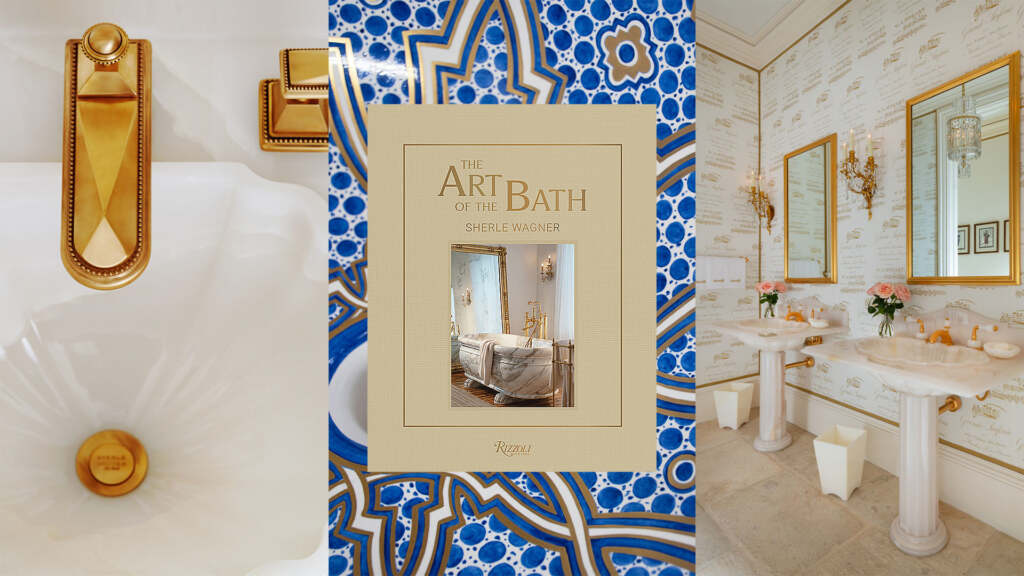
For 75 years, Sherle Wagner has transformed the most utilitarian room in the house into… Read More →
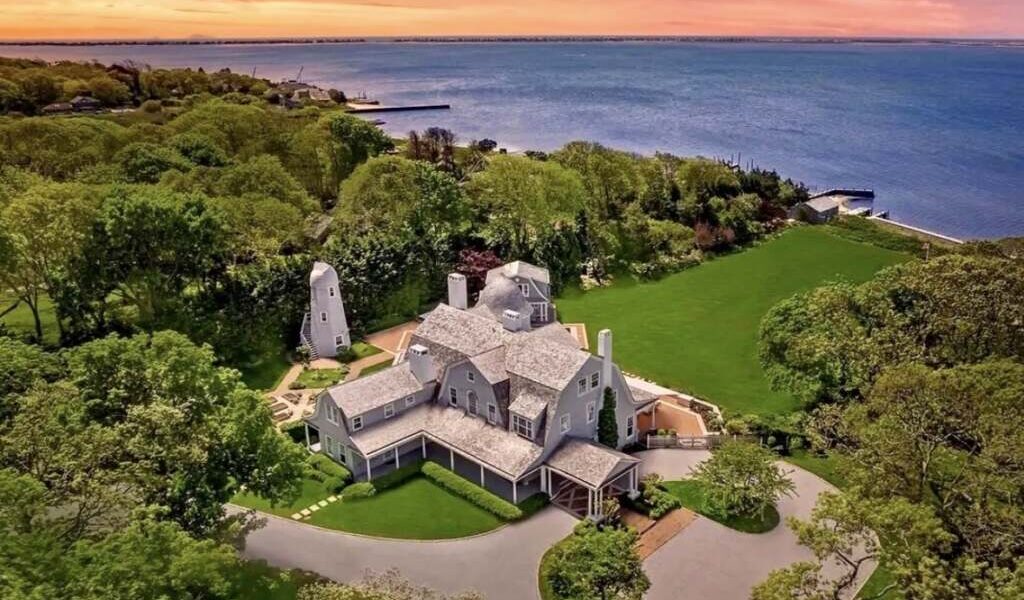
The former New York governor has purchased historic Seatuck Lodge, a sprawling Hamptons compound with… Read More →
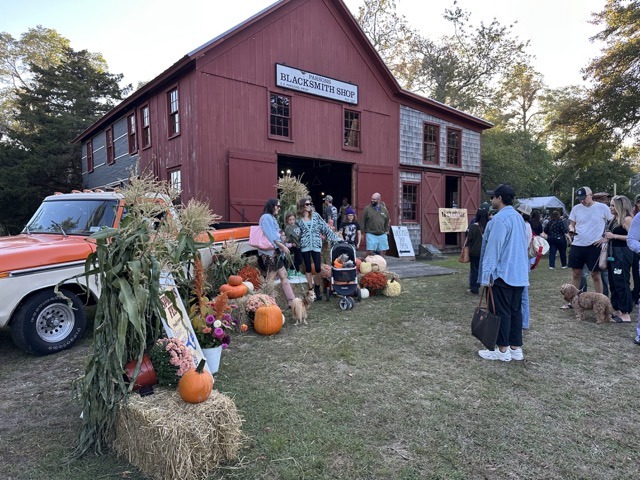
The free annual festival takes over the historic Parsons Blacksmith Shop grounds Oct. 3 with… Read More →
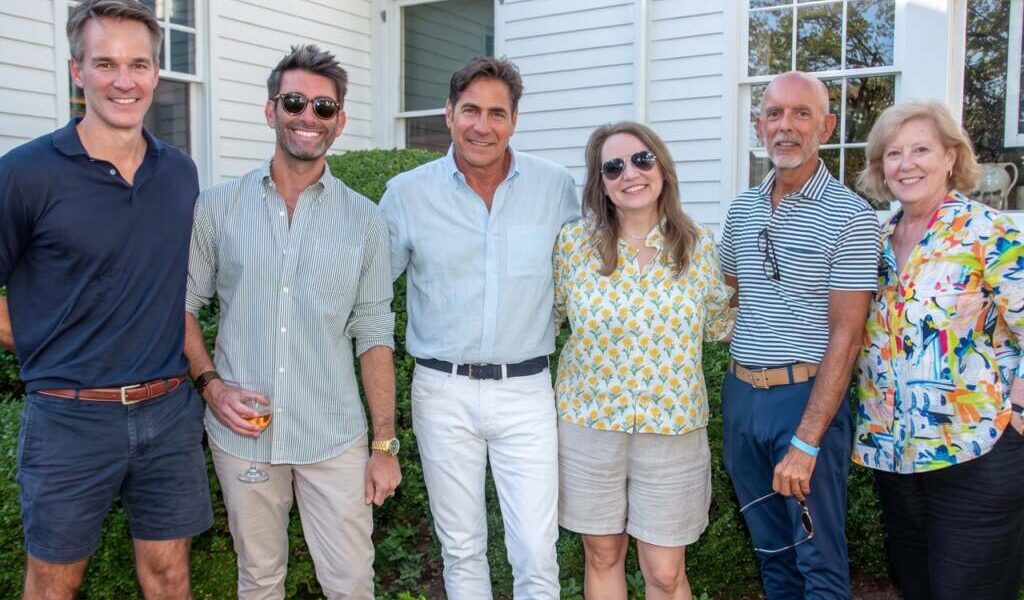
Southampton History Museum’s annual Insider’s View offered a rare look at distinctive properties across the… Read More →

More than a year after the 33-year-old fashion entrepreneur was found dead aboard a boat… Read More →
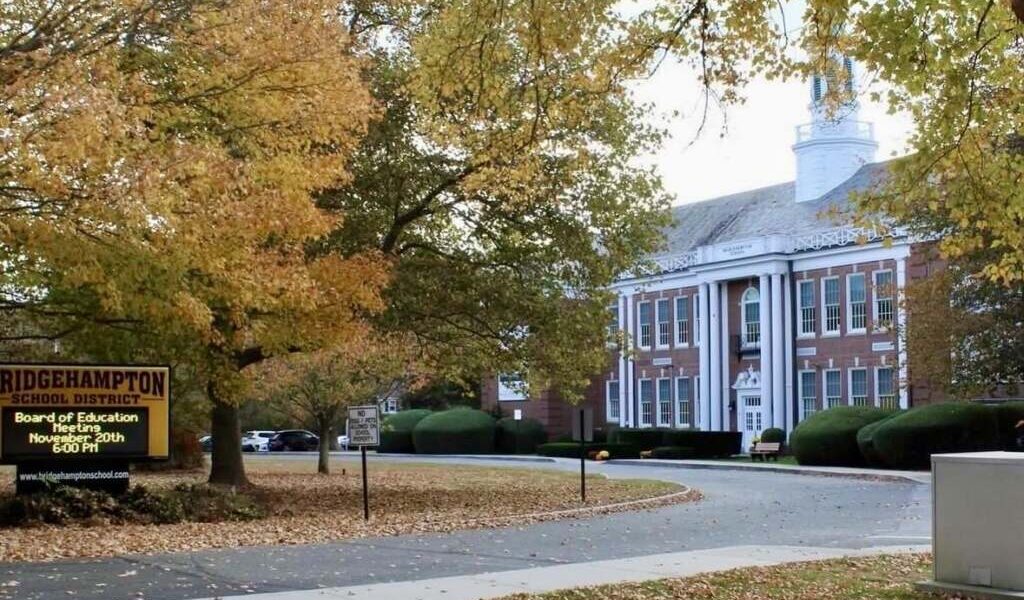
Nassau dominates the national list, while Westhampton Beach leads East End districts in Suffolk; Bridgehampton… Read More →
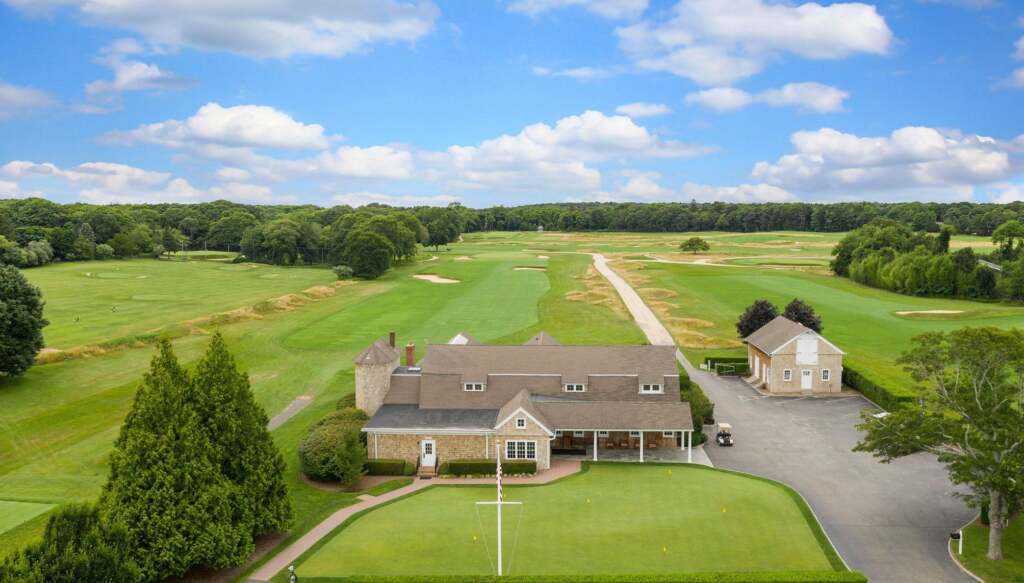
Every time the U.S. Open lands at Shinnecock Hills, golf’s loaded contradictions get put on parade for everyone to see.
The Open markets itself as the most democratic event in the sport, right? Anyone — teaching pro, grinder, local kid with an improbable run — can claw through qualifiers and wind up competing for one of golf’s biggest prizes. And yet, the tournament plays out at a club more locked down than a royal palace: Shinnecock Hills, where history, prestige, and a sturdy handshake matter more than the number of zeros in your bank account.
That whiplash between accessibility and exclusivity is part of the mystique surrounding both the tournament and the club. But head out east to the Hamptons for U.S. Open week, and it quickly becomes clear that the story is bigger than a single venue. It’s really about a region that’s morphed into one of golf’s most influential, recognizable playgrounds.
For as long as anyone remembers, Hamptons golf has existed behind hedges and gates. We’re talking about fabled private clubs with cryptic entry policies—think Shinnecock, National Golf Links, Maidstone — places where reputations are as old as the scorecards and access feels more like a family heirloom than a business transaction. These clubs get all the press for a reason: they’re historic, architectural gems, with a tight grip on their own mythology.
But focusing on those legendary names — well, that’s only the opener.
The Hamptons have changed. So has its golf scene. These days, it isn’t just old-money WASPs lording over the fairways. The region attracts everyone: CEOs, athletes, creative directors, finance bros, people who’ll show up in a vintage convertible or sneaker collab. In July and August, the vibe in the villages feels more SoHo than Southampton; cultural oxygen flows in from downtown, and half the city moves east, bringing with it the kind of restless energy that doesn’t exactly scream tradition.
What you get now is a mosaic — a whole mix of golf cultures cohabiting out east.
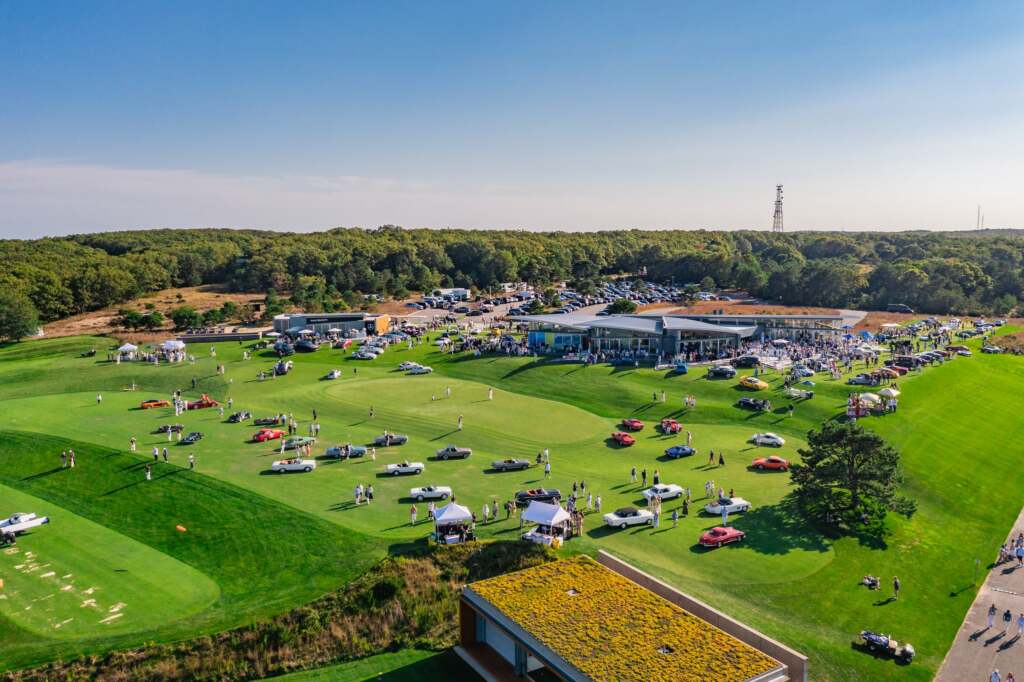
There are still the old-guard clubs, where every blade of grass pulses with legacy. Then you’ve got the newcomers — modern enclaves like The Bridge, where golf is just one part of a show that includes glossy art, sleek design, and actual fun. The aesthetics matter as much as the score. It’s a place that skips the tweed jacket nostalgia and instead offers something edgier, built for members who’d rather Instagram their cocktails than swap stories about Bobby Jones.
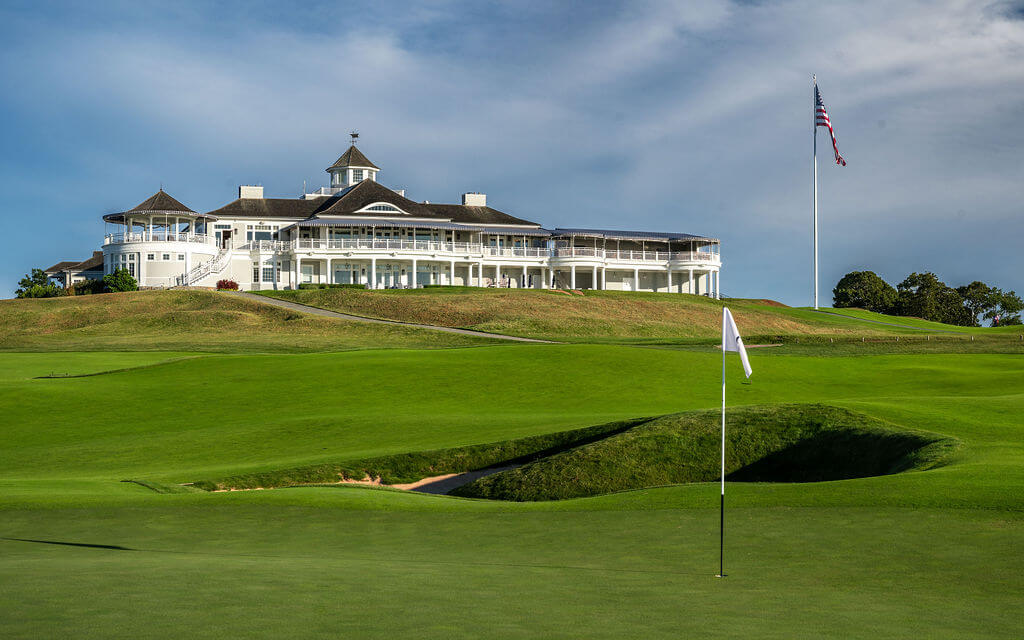
Sebonack fits the same mold — a neighbor to Shinnecock and National, but the crowd is more “new Hamptons,” as in people who didn’t summer here with their parents but bought in after making their first million on the West Coast.
Still, if you think money is the only gatekeeper, you’ve got it wrong. At a lot of these places, no amount of cash will get you in. Acceptance is about bloodlines, relationships, sometimes just being in the right room at the right time. This isn’t pay-to-play—here, it’s still very much who you know.
But let’s talk about the part of Hamptons golf that everyone skips: the public and local courses.
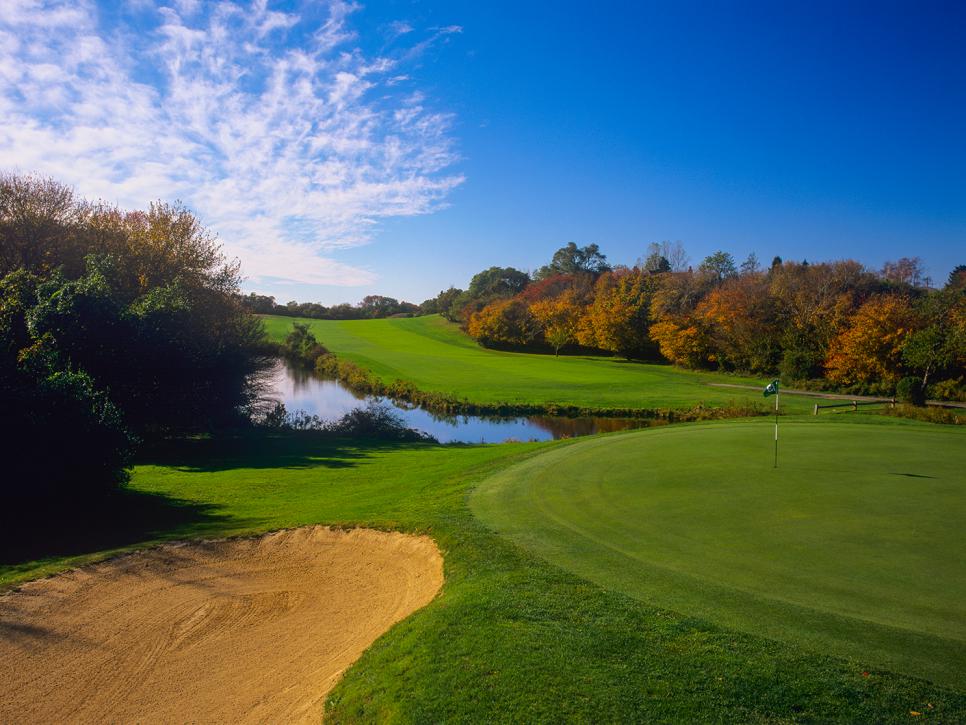
Montauk Downs is a classic — a tumultuous, windswept municipal with real bite, perched out on the far edge of Long Island. Sag Harbor’s little muni is the anti-exclusive nostalgia trip, locals only. Then there’s Southampton Golf Club — Seth Raynor’s quiet masterpiece — living in the shadow of its more famous neighbors and delivering for people who care more about sweet architecture than social cachet.
Community golf in the Hamptons is a thing, even if no one’s making Real Housewives episodes about it. These days, even the fortresses are showing up on Instagram, with drone shots and carefully curated feeds giving outsiders a peek at what’s behind the gates. But despite that burst of attention, the core Hamptons tension — tradition wrestling with reinvention — still holds.
What separates Hamptons golf isn’t just how good the courses are (though, yes, they’re very good) but the thick layers of identity. Each club tells a story — old money, new ideas, pure community — and the sum is something a lot weirder, richer, and more tangled up than old clichés.
So, as the Open leaves Southampton, you get wall-to-wall coverage of hallowed turf, but that was just the starting point. The real story spills out into the region, into those overlapping worlds where history collides with reinvention, where local leagues and world-class events run at the same time.
The U.S. Open brought golf’s superstars to the Hamptons, but the real draw out east is everything that happens before, after, and around the tournament — a wild, compelling ecosystem of golf that somehow feels both timeless and totally new.