Everyone heads to the Hamptons International Film Festival for movies. Makes sense. But come the… Read More →


Everyone heads to the Hamptons International Film Festival for movies. Makes sense. But come the… Read More →
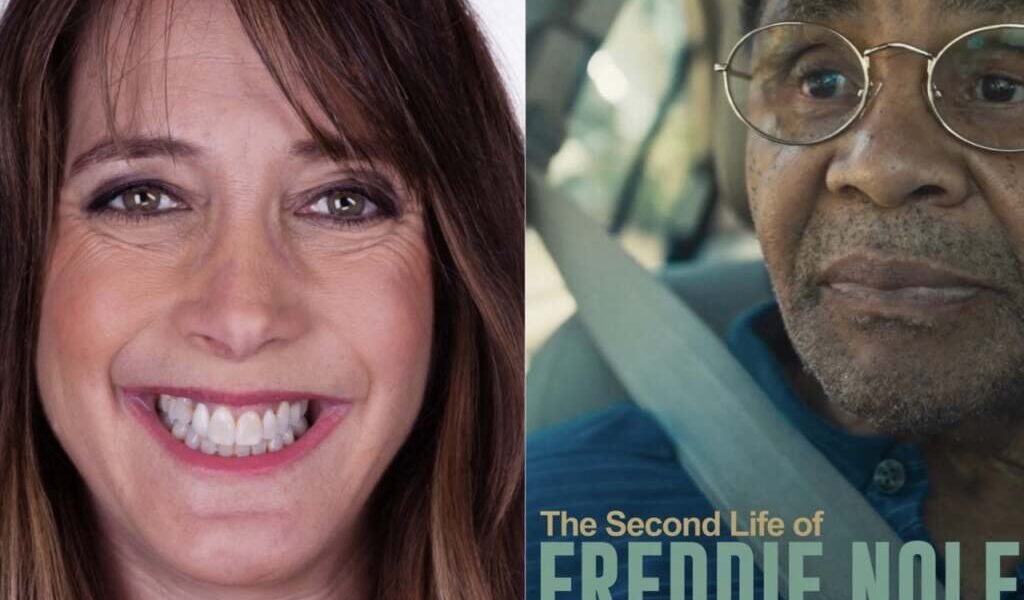
Dana Nachman’s award-winning documentary short comes to the Hamptons International Film Festival with the story… Read More →
The Hamptons International Film Festival opens, Sag Harbor’s music fest gets its rain-delayed encore, and… Read More →

The nonprofit is launching a bilingual civic engagement initiative to help residents across the East… Read More →
After last weekend’s storm forced a postponement, the Sag Harbor American Music Festival is back… Read More →
The actress found a buyer within weeks for the Bridgehampton estate; the deal has now… Read More →
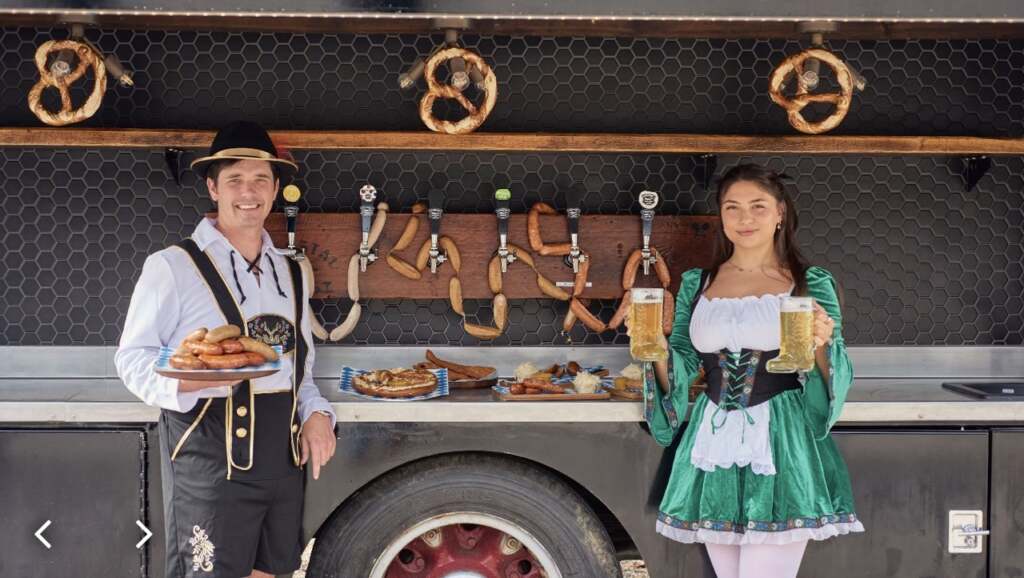
From a 45-year-old country fair to Oktoberfest, waterfront eats and a little sleight of hand,… Read More →
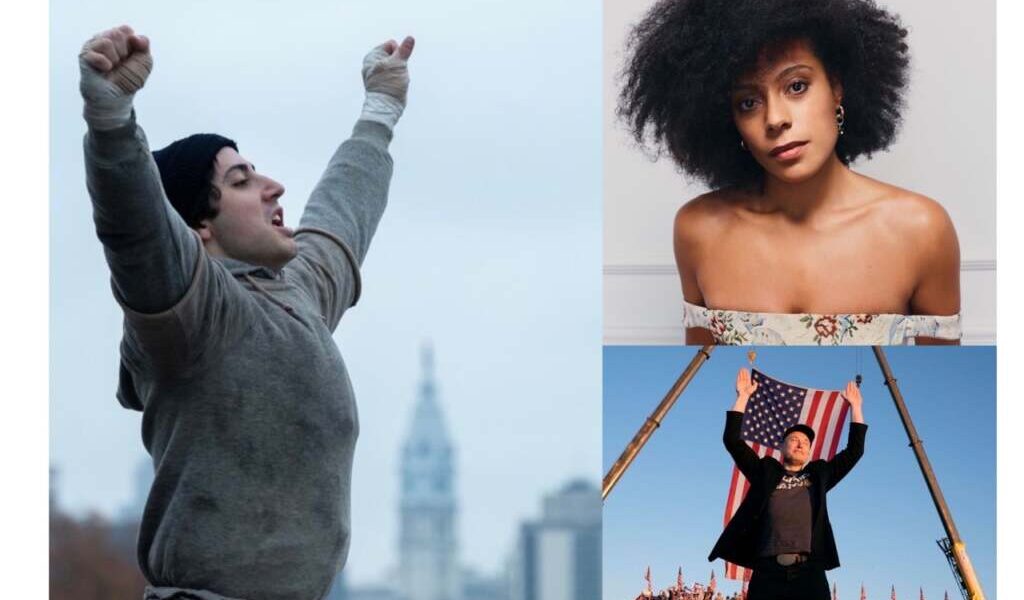
From I Play Rocky and Amanda Seyfried to Chris Rock’s Misty Green, Spotlight films, documentaries,… Read More →
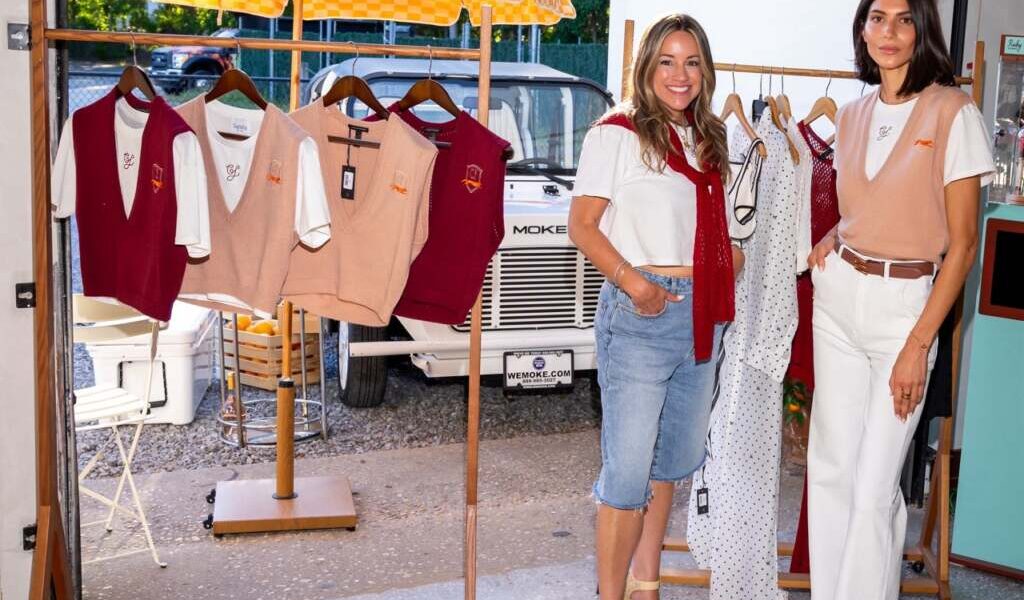
Kiki de Montparnasse and Southampton’s Charlie Fox team up on a new cashmere collection that… Read More →

For 75 years, Sherle Wagner has transformed the most utilitarian room in the house into… Read More →
To listen to Freddie Nole talk about prison and how he spent almost 50 years there on what he says were trumped-up charges, you’d think he would be bitter and angry.
He’s not. If anything, he says, he is grateful.
“I know I’m better,” Nole told Spark Hamptons. “I think I’m a worthwhile person.”
It is a remarkable thing to hear from a man who entered prison at 17 with a life sentence and did not come home until nearly five decades later.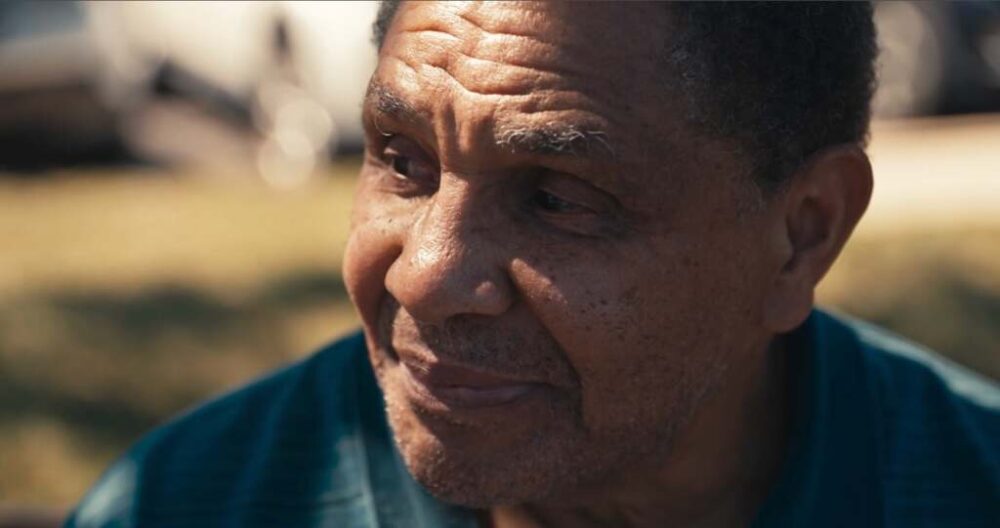
Nole doesn’t gloss over what happened to him. He believes serious injustices were done. He says the prosecution’s version of the crime was not what happened, that he had inadequate legal representation and that his co-defendants, who remained in the juvenile system, served less than two years while he was characterized as the leader and sentenced to life.
But ask him about those lost years and Nole keeps moving the conversation somewhere else: to the education he received in prison, to his faith, to the woman who became his advocate and then his wife, to the opportunity he had to change and, most of all, to what he can do for somebody else now.
“When you properly weigh things,” he said, he thinks about who he might have become had his life continued on the streets of South Philadelphia — “uneducated, poverty-ridden, learning the streets.”
Instead, he said, he became someone who could “add value” to other people’s lives.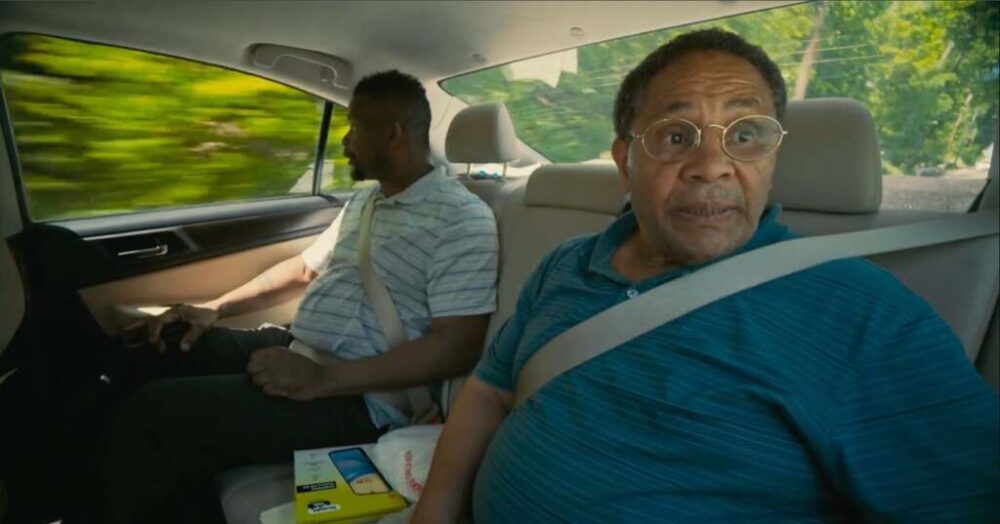
That is what Nole is doing now. Through Meeting at the Door, the program he runs with his wife in Pennsylvania, he goes to meet men on the day they are released from prison.
He brings clothes, a phone, transportation, food and help navigating a world that may bear little resemblance to the one they left.
And he brings Freddie — someone who has been where they have been, someone who knows the trepidation of walking out of prison and wondering whether anybody on the other side cares what happens to you next.
“A lot of guys reach back to me for a conversation,” he said.
Sometimes that may be the most important thing he gives them.
Filmmaker Dana Nachman understood something about Nole almost immediately. She didn’t want audiences to meet him as a prisoner. She wanted them to meet Freddie.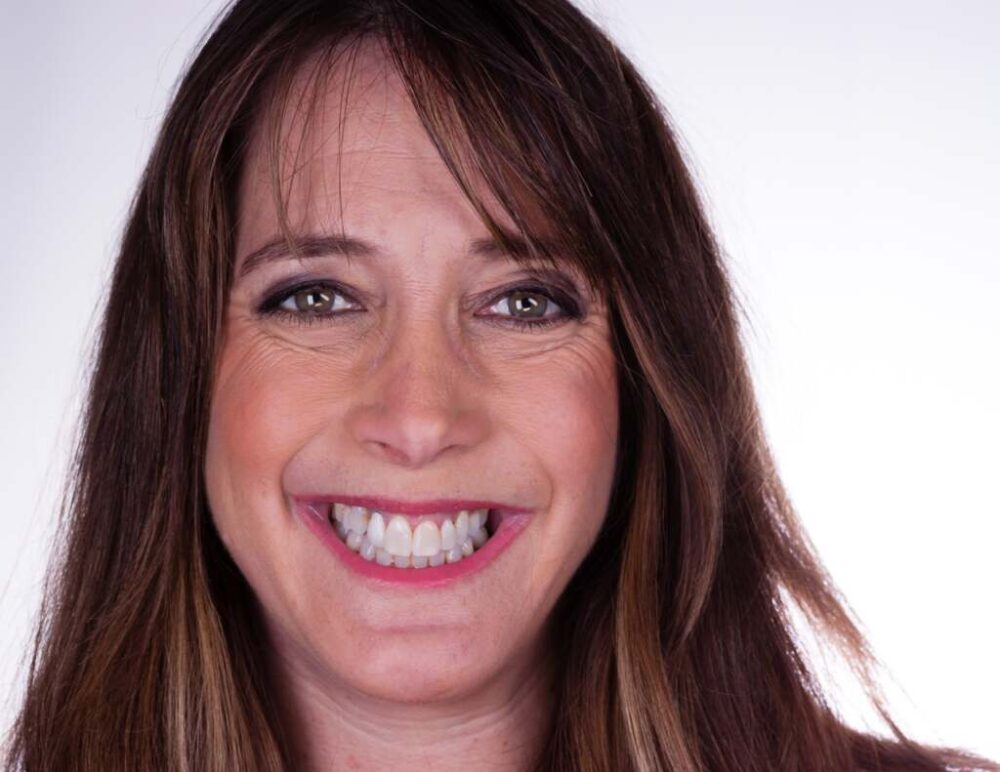
“One of the things I felt strongly about making this film was we didn’t lead with why he was incarcerated,” Nachman told Spark Hamptons. “I wanted you to fall in love with the man he is now.”
That decision shapes The Second Life of Freddie Nole, Nachman’s 21-minute documentary short screening at the Hamptons International Film Festival as part of its Conflict & Resolution program.
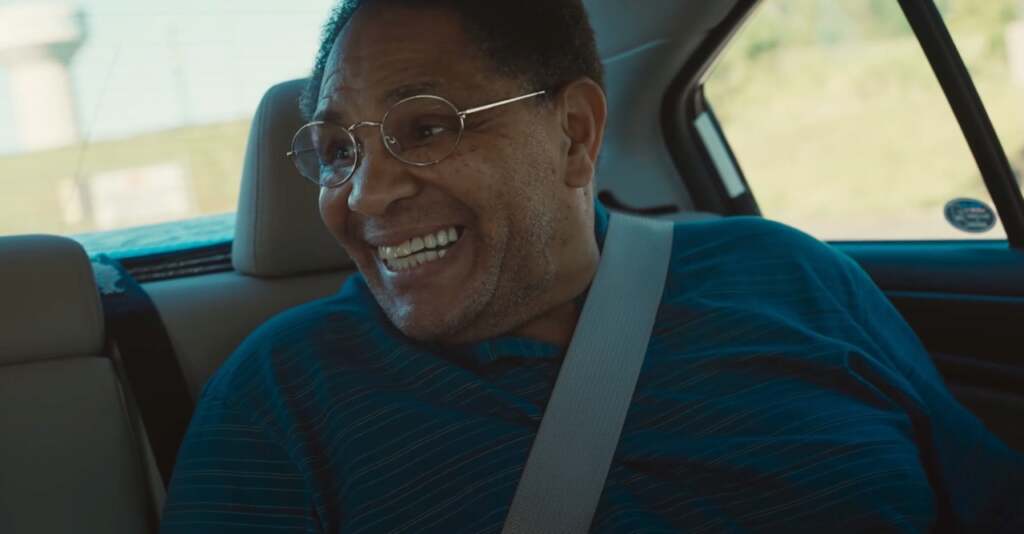
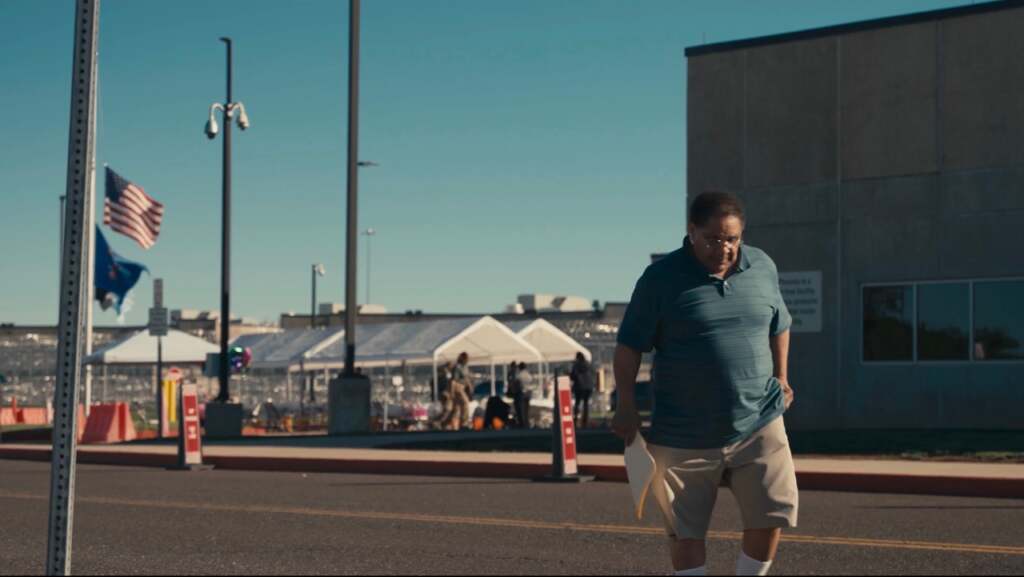
The film is deceptively simple: Nachman follows Nole through a day as he heads to the prison gate to meet a man coming out. There are no grand gestures or complicated devices. Yet in 21 minutes, this seemingly small day-in-the-life story becomes something surprisingly powerful, opening up much bigger questions about what happens after someone has served his time, who is there when the gate opens and what a second chance actually requires.
“The decisions we make affect the rest of our lives,” one of the newly released men says in the film.
Nole knows that better than most.
Nole grew up in South Philadelphia, one of a large family. He was 17 when he and several other teenagers went into a store intending, he says, to grab a change box to get money for a skating outing.
The store owner chased them and later died from an aneurysm.
Nole says what happened that day was subsequently turned into a far more violent story — including allegations that the teenagers beat the man and threatened him with a knife — that Nole says was not true. He also says he had inadequate legal representation and no money for a meaningful defense.
His co-defendants remained in the juvenile system and served less than two years, Nole said. He had a more extensive juvenile record, was slightly older and was characterized as the leader.
Nole was sentenced to life. For decades, he had little reason to believe that would mean anything other than exactly what it said.
Then came a series of court decisions involving life sentences for juveniles. Nole was eventually resentenced in 2018, opening the door to a life he had long believed he might never have.
By then, he had already built another life of sorts inside. Education changed him, he said. So did his Christian faith.
And so did his wife.
They met through programming her church was doing inside the prison. She became his advocate in 1982. They married in 1984 — while he was still serving a life sentence with no realistic expectation, at the time, that he would ever come home.
Coming home brought another education.
“Prisons are technology deserts,” Nole said.
Think about what that means for someone who entered prison before personal computers, the internet and smartphones became part of everyday life and then stepped out into a world that runs on all three.
But technology is only one piece. There is housing, employment, transportation, education, parole requirements, rebuilding relationships and learning how to move through ordinary life again.
Nole said many people leave prison without the pieces in place to give them a reasonable chance at making that transition successfully.
Meeting at the Door grew out of his own experience. When the pandemic interrupted the prison ministry work he and his wife had been involved with, they decided to focus on people coming out instead.
Nole remembered the trepidation he felt upon his own release — and how important it was to know there were people outside willing to help and people who cared.
Now he tries to be that person for somebody else.
The program has met more than 150 men at the prison gate, according to the filmmakers. And the relationship doesn’t necessarily end with that first ride. Men call Nole. They ask questions. They need help finding resources. Sometimes they simply need to talk.
Meeting at the Door can’t provide everything, Nole acknowledged. So part of the work is creating pathways to people and organizations that can provide what it can’t.
His larger point is hard to miss: People are going to come out of prison. What happens next matters.
“Think about making them better people rather than demonizing them,” he said. “They can be a better person if you give them a chance.”
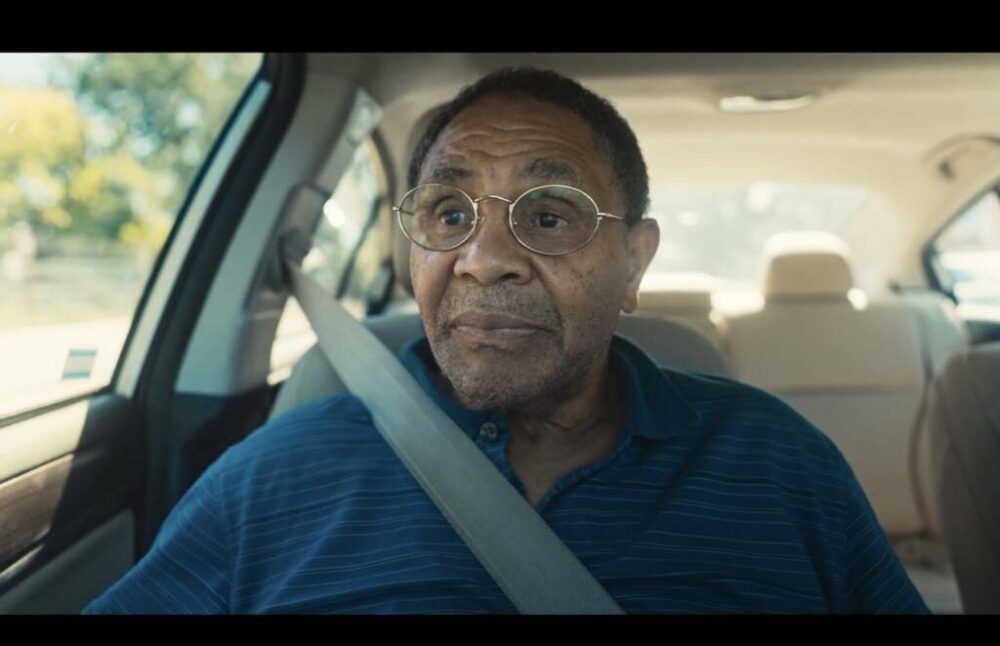
There is one word Nole is particularly careful about: freedom.
“I don’t use the word freedom. I use the word liberty,” he said.
He sees liberty as something to be managed responsibly.
“I don’t think about breaking the law or shortcuts,” he said. “I want to work for anything I get. I want what I get to be honest.”
His days now have the rhythms of a life that once seemed impossible: work, church, family and Meeting at the Door. He also goes back inside prisons to work with people who remain incarcerated.
After almost 50 years behind bars, that might seem like the last place Freddie Nole would want to go. For him, it appears to be exactly where he is needed.
Nachman had been thinking about criminal justice stories for years. Her first film grew out of journalism involving an unlawful conviction and the Innocence Project, and she had spent considerable time working inside maximum-security prisons.
When she and producing partner Chelsea Matter decided they wanted to make a short film, they went looking for a story. They had, as Nachman puts it, “a little bucket of money.”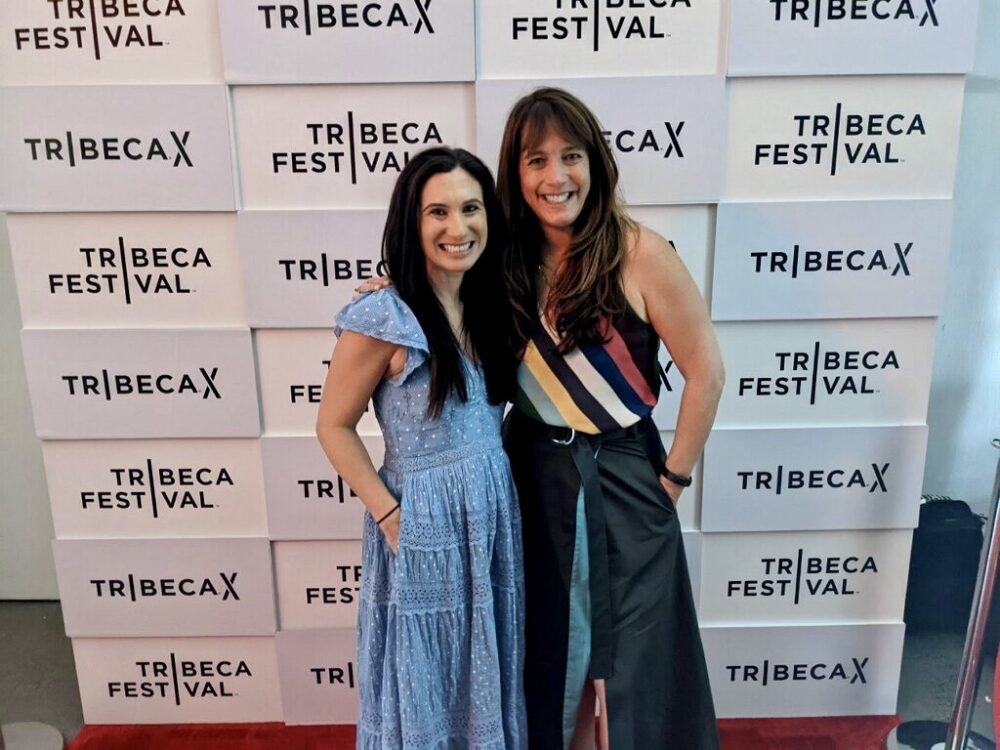
Then Freddie crossed their path.
“Oh, yes,” Nachman remembers thinking. Here was the short.
“The story wanted to be a short,” she said.
Instead of trying to tell nearly 50 years of Nole’s life, Nachman built the film around something much smaller: one day, one pickup, Freddie meeting a man coming out of prison.
Nole was game.
The film was shot in late April 2025 and completed by February 2026. Since then, it has been traveling the festival circuit, winning four Audience Awards and the Social Impact Award at Indy Shorts. By the time the run is finished, Nachman expects the film to have screened at more than 40 festivals.
And somewhere along the way, the filmmaker who deliberately set out to make a short became, in her own words, “really obsessed” with Freddie.
“I think Freddie has pixie dust,” she said. “People should hear his story.”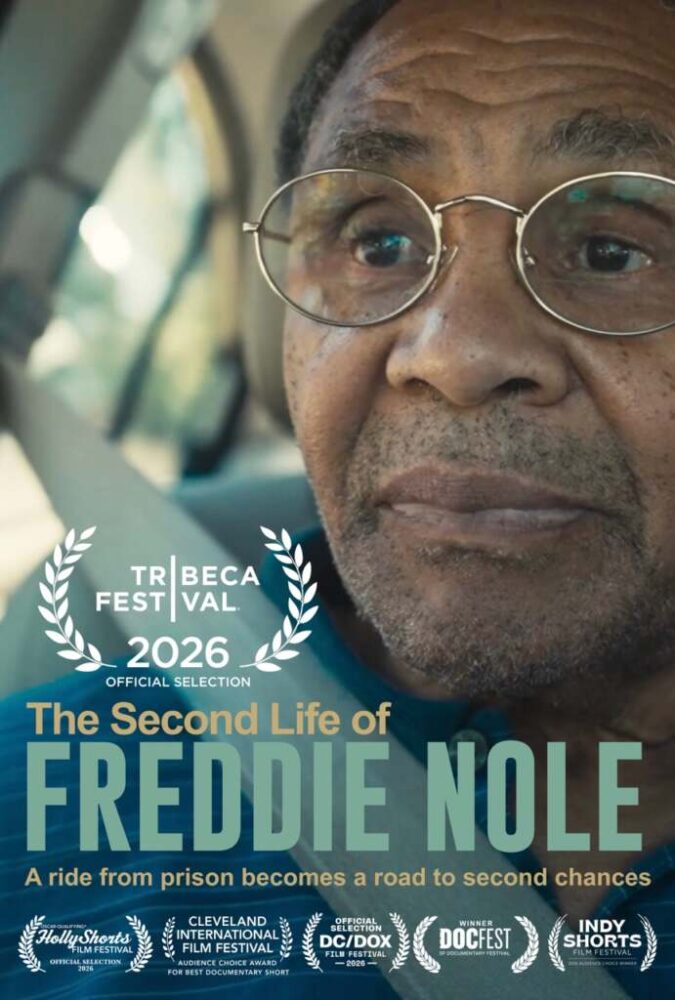
The Second Life of Freddie Nole marks Nachman’s first film at the Hamptons International Film Festival, and she is excited to be bringing Freddie’s story to the East End.
“I’m thrilled and honored to screen there for the first time,” she said.
The film was selected for HIFF’s Conflict & Resolution program, the festival’s long-running section devoted to films exploring conflict, injustice and their impact on individuals and society.
For Nachman, the Hamptons is more than another stop on a festival run that is expected to take the film to more than 40 festivals. She sees HIFF’s pedigree, audience and visibility as an opportunity to elevate the film and get it in front of people who can help it travel farther — including the industry “gatekeepers,” as she puts it, who can help a small film find a much bigger audience.
That matters because Nachman’s ambitions for The Second Life of Freddie Nole extend well beyond the festival circuit.
She wants to get it into prisons across America, where people still incarcerated can see something rarely shown to them: hope for what might happen after release.
She also wants people who have never given much thought to prison reentry to see it. Some of the screenings that have affected her most, she said, have been with audiences who came in knowing little about returning citizens or the challenges they face.
And there is something else. Nachman no longer seems convinced Freddie’s story ends when this short does.
She has since written The First Life of Freddie Nole, centered on the day he was arrested. She now imagines that story and The Second Life of Freddie Nole as possible bookends to a larger film about his life.
“I feel the story should be bigger,” she said.
It is easy to understand why. Almost 50 years of Freddie Nole’s life were spent behind bars. Yet talk to him now and he doesn’t dwell on the life he didn’t get to have. He talks about the one he has — his wife, his family, his faith, his work, his integrity and the people who trust him.
And he talks about the men who are still walking out of prison, facing a world that kept changing while theirs stood still.
Freddie Nole can’t give them back the years they’ve lost. But he can be there when the door opens.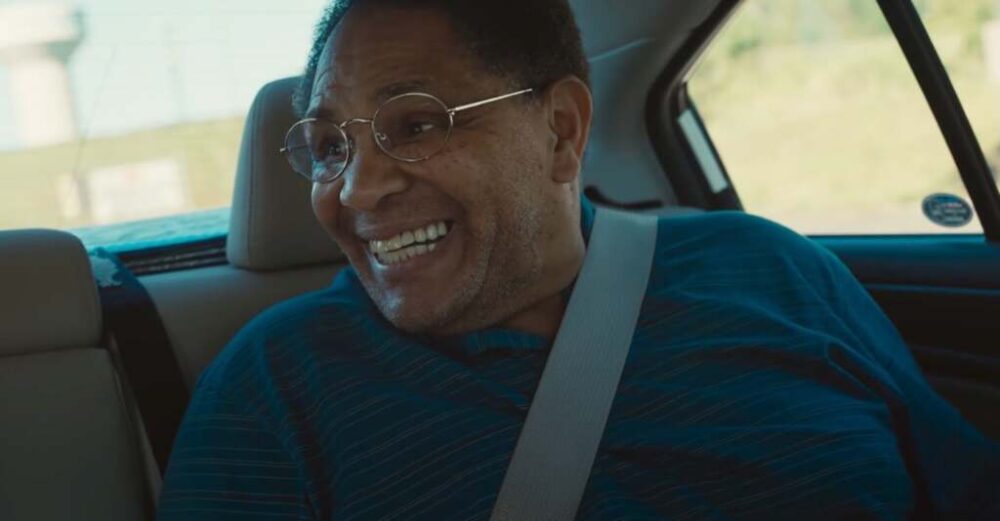
The Second Life of Freddie Nole
Hamptons International Film Festival — Conflict & Resolution Shorts Program
Sunday, Oct. 4, 5:45 p.m.
Regal UA East Hampton
30-38 Main St., East Hampton
A Q&A will follow the shorts program.