Oscar winner Mercedes Ruehl, Broadway’s Betsy Wolfe, Long Island rock favorites The Bogmen and a… Read More →



Oscar winner Mercedes Ruehl, Broadway’s Betsy Wolfe, Long Island rock favorites The Bogmen and a… Read More →
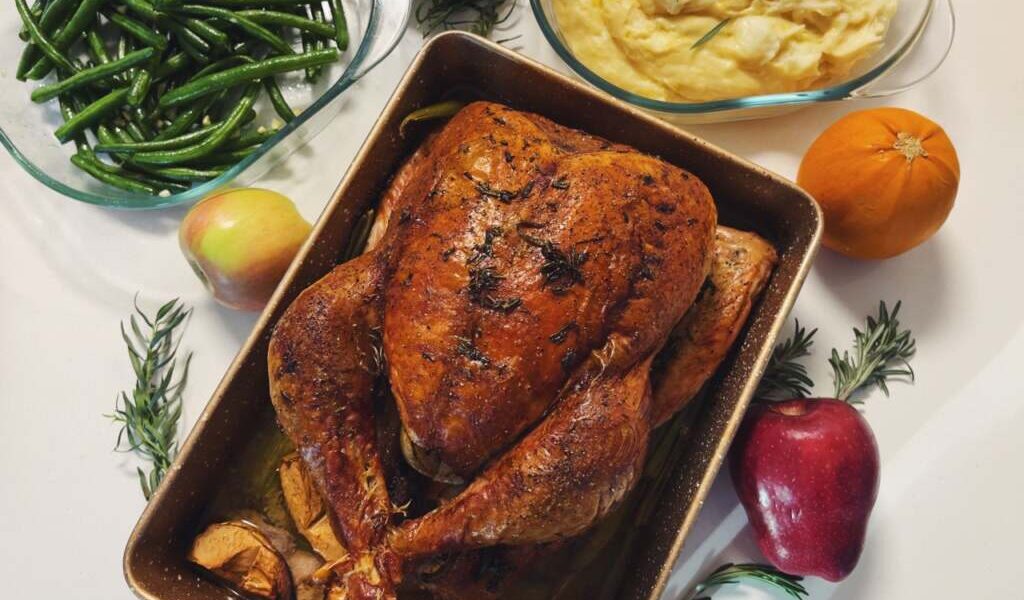
An unexpected turkey shortage adds urgency to the nonprofit’s annual mission to provide Thanksgiving meals… Read More →
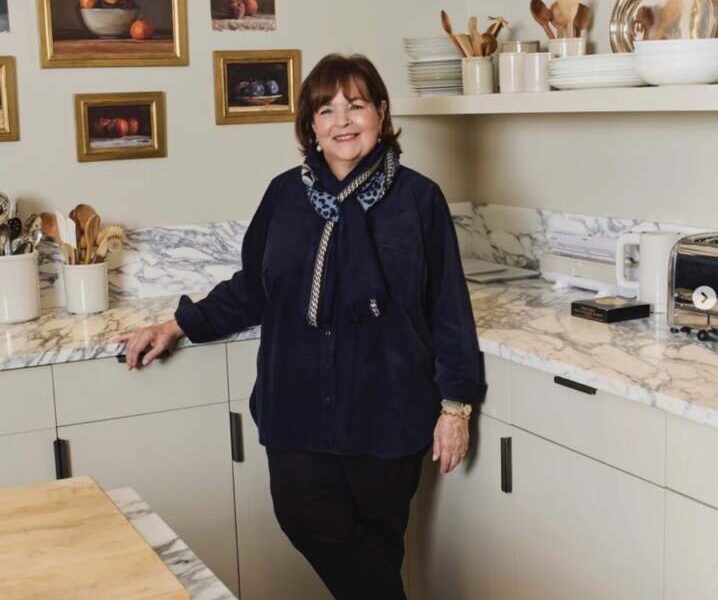
Long before television fame and bestselling cookbooks, Ina Garten was creating a distinctly personal life… Read More →

A beloved Hamptons original who helped turn a neighborhood softball game into a star-studded charity… Read More →
The former Surf Lodge creative director and Wyld Blue founder brings her vision to the… Read More →
A 1978 film revisits the pioneering Abstract Expressionist, her East End legacy and the recognition… Read More →

From oceanfront retreats in Amagansett and East Quogue to sunset views over Tiana Bay in… Read More →
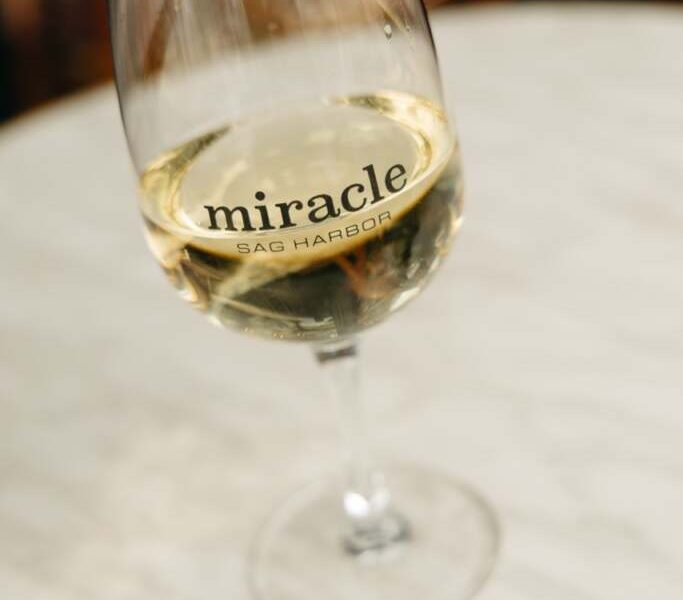
From $2 oysters and lobster sliders to duck quesadillas and well-priced cocktails, Miracle makes the… Read More →
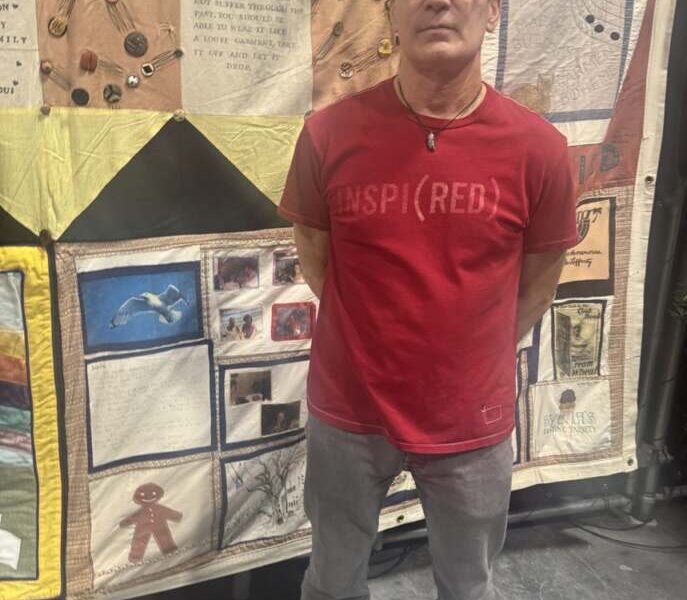
Forty panels from the National AIDS Memorial Quilt, an HBO film featuring Hollywood legends and… Read More →

Richard Normoyle Jr. is out after 14 months, leaving questions about the town’s efforts to… Read More →
There’s something wonderfully simple about the way Ina Garten moves through life. She’s never made things more complicated than they have to be. She didn’t go to cooking school or spend years training under a famous chef. She just jumped in, buying a specialty food store because an ad caught her eye, then figured it out as she went.
Before anyone knew her as the Barefoot Contessa, Ina was piecing together a life on the East End of Long Island, which was built around good food, comfortable spaces, friends, and a growing fascination with gardening.
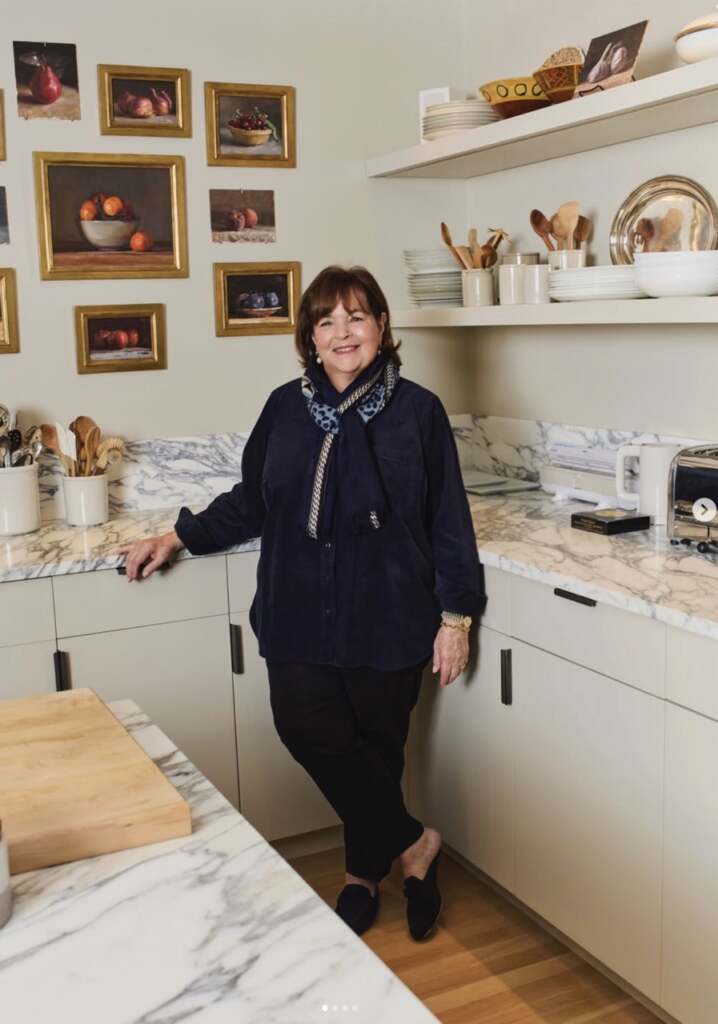
That store in Westhampton, which she found through a business listing, quickly became more than just a place to buy lunch. She packed the shelves with oddball breads, piles of perfect vegetables, and house-made specialties, drawing in a steady stream of food lovers. Those customers turned out to be the beginning of her culinary career.
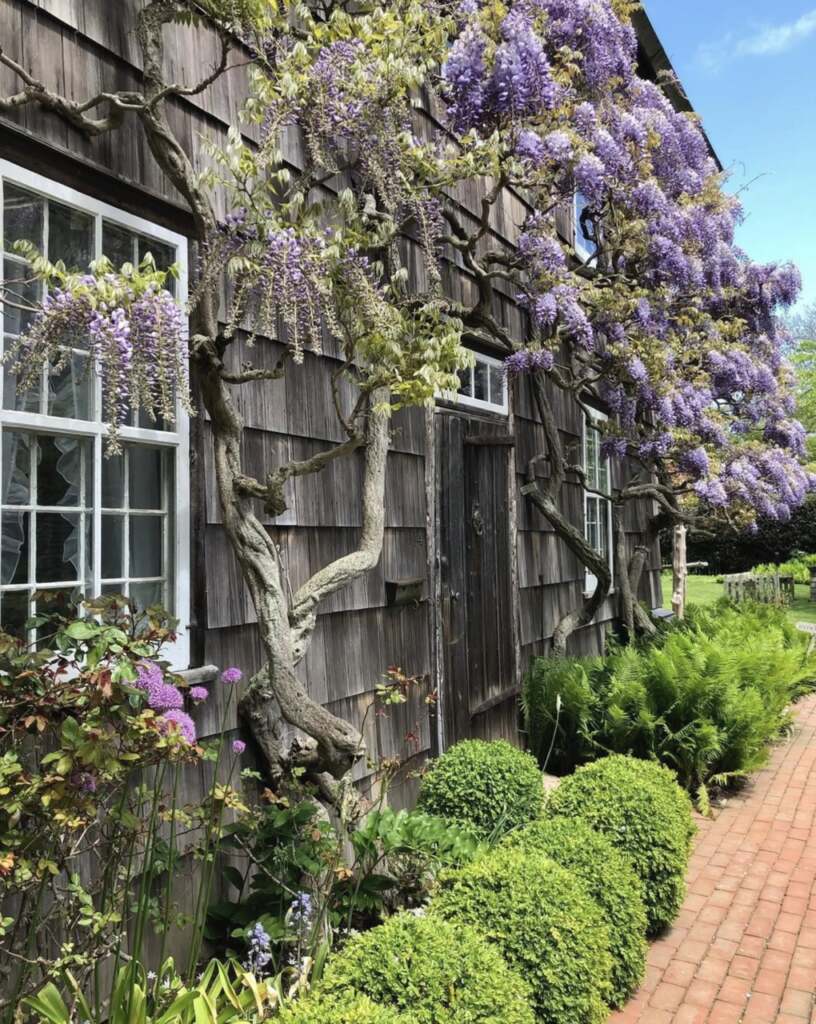
Eventually, she moved the store to East Hampton and, with her husband Jeffrey, decided to settle there for good. Instead of springing for fresh construction, Ina and Jeffrey picked a cramped, rickety farmhouse and started over. She turned it into a bright, five-room home, practical for everyday living but clearly built for gatherings, too.
The 1994 remodel spelled out her approach to decorating: keep it personal, practical, and gently steer clear of excess. The farmhouse basically became an extension of her whole philosophy on hosting. Back when Jeffrey was commuting to Manhattan, Ina was already legendary among his Wall Street friends for her ability to get them to drop their guard over platters of fried chicken and easygoing food. Once in East Hampton, she kept that vibe going: Sunday afternoons meant crab cake sandwiches and friends drifting from the kitchen to the porch to the garden, no invitation needed.
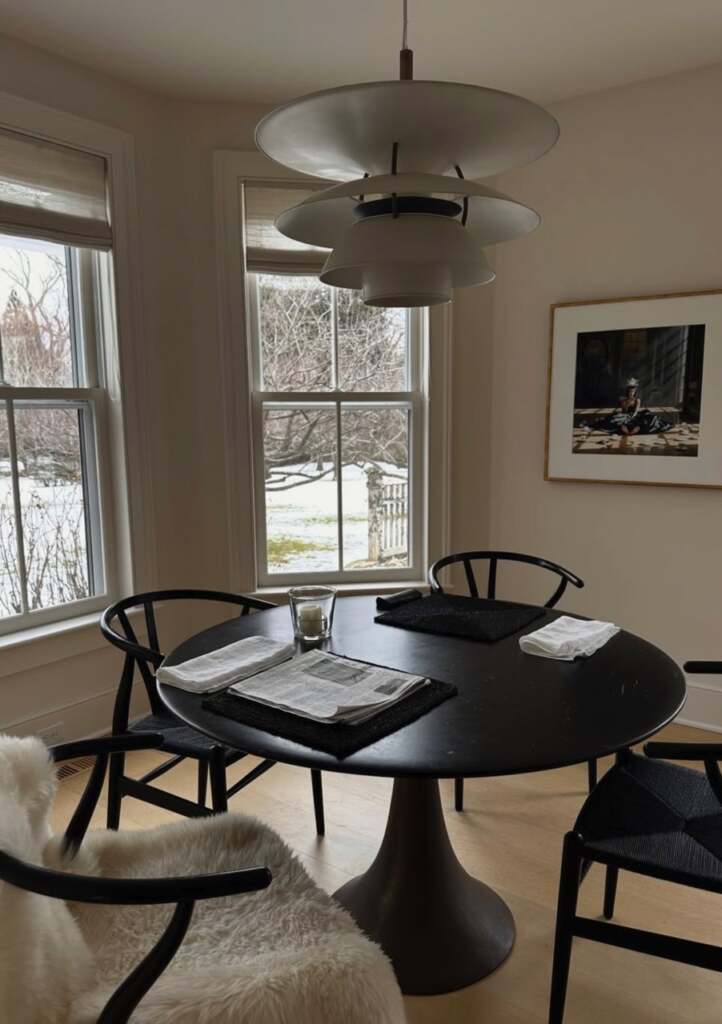
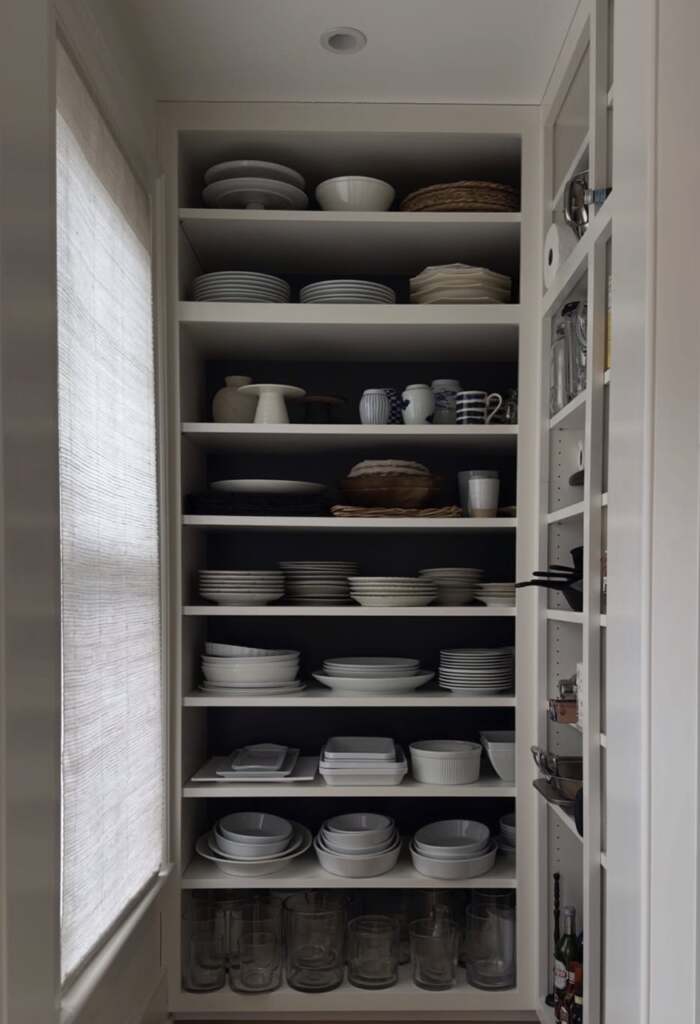
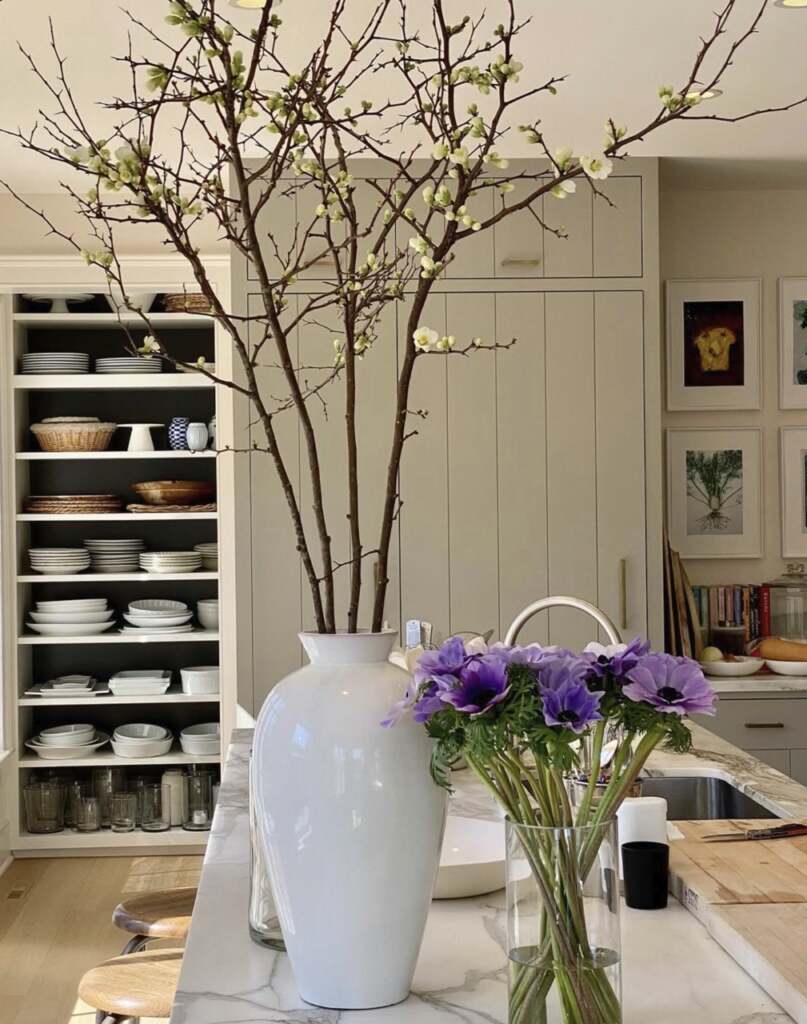
Inside, the kitchen was the hub. She didn’t design it to show off, but it’s where actual cooking happened. There were no fancy gadgets or knick-knacks cluttering things up. Every item in the room served a purpose. Ina’s always believed a home should feel comfortable, useful, and never crowded.
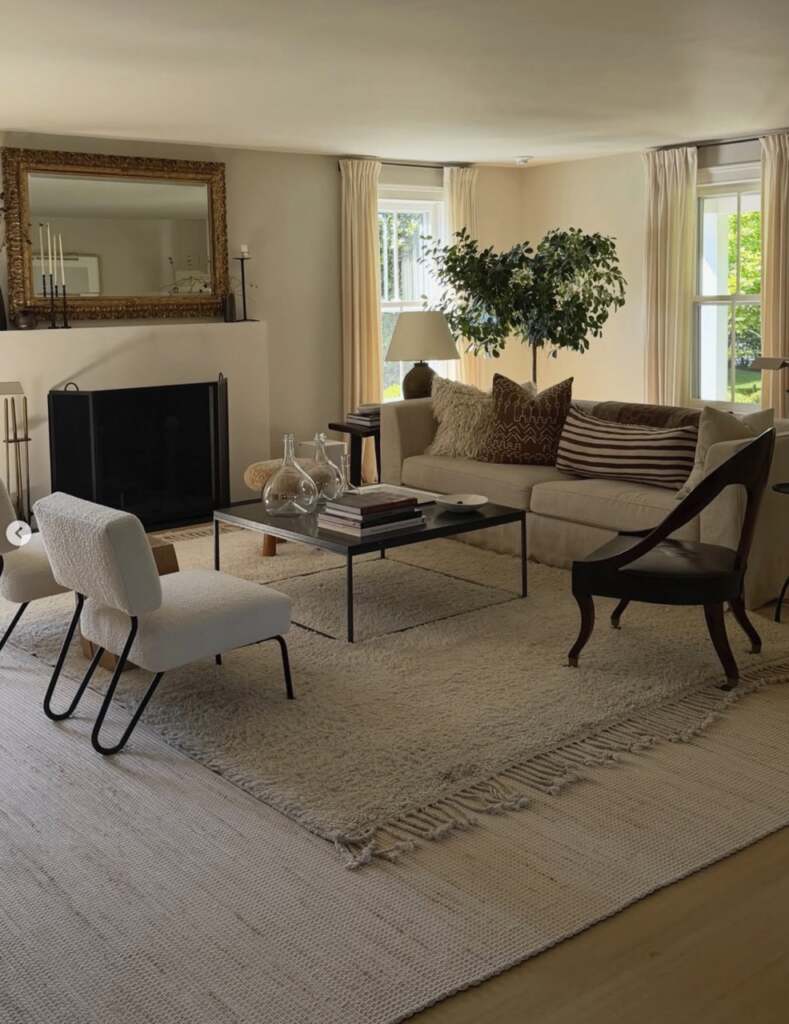
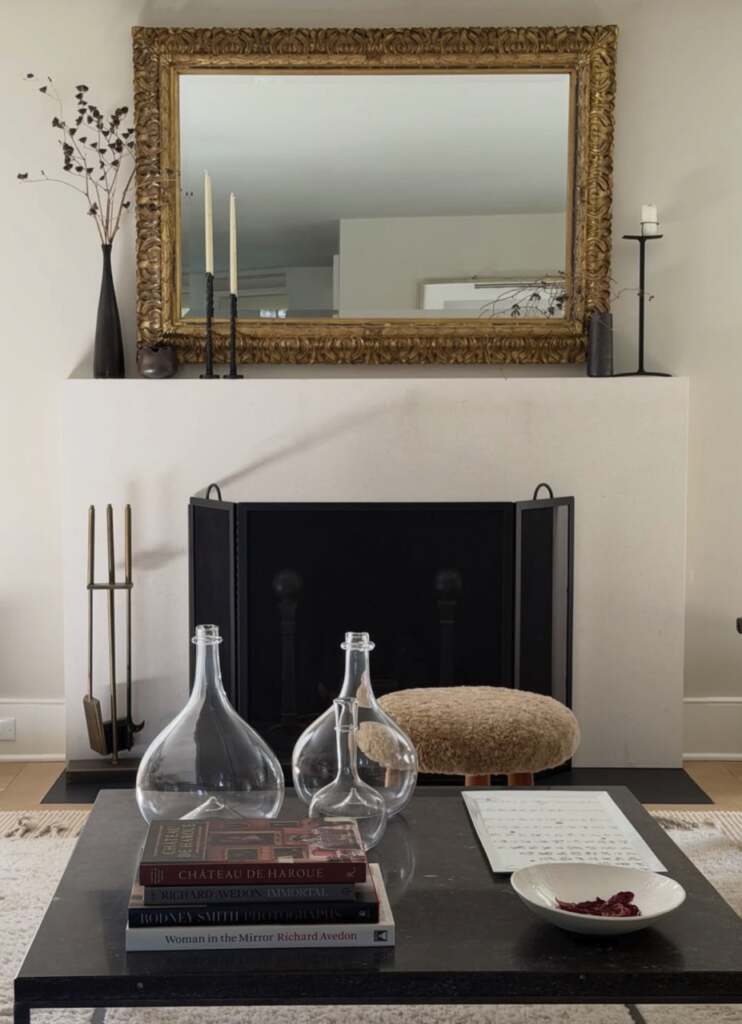
Even the little choices felt simple. Picking paint colors stumped her for a while, and she tried a lot of samples, thinking she’d go with something warm and vanilla. She landed on a sort of toasted khaki for the bedroom, then mixed that color with white for a lighter shade on the first floor. The finished palette mixed earthy browns, greens, and soft neutrals, anchored by an old tapestry on the living room sofa.
The rest of the decor followed suit. No armies of trinkets or busy patterns. Just a few hefty antique tables, cushy chairs, a brass bed. The windows stayed uncovered. The rooms felt relaxed—more about comfort than some orchestrated look.
And those old farmhouse floors? She found new purpose for every board. Reclaimed wood ran through the house, while the original planks turned into kitchen counters after being sanded and refinished.
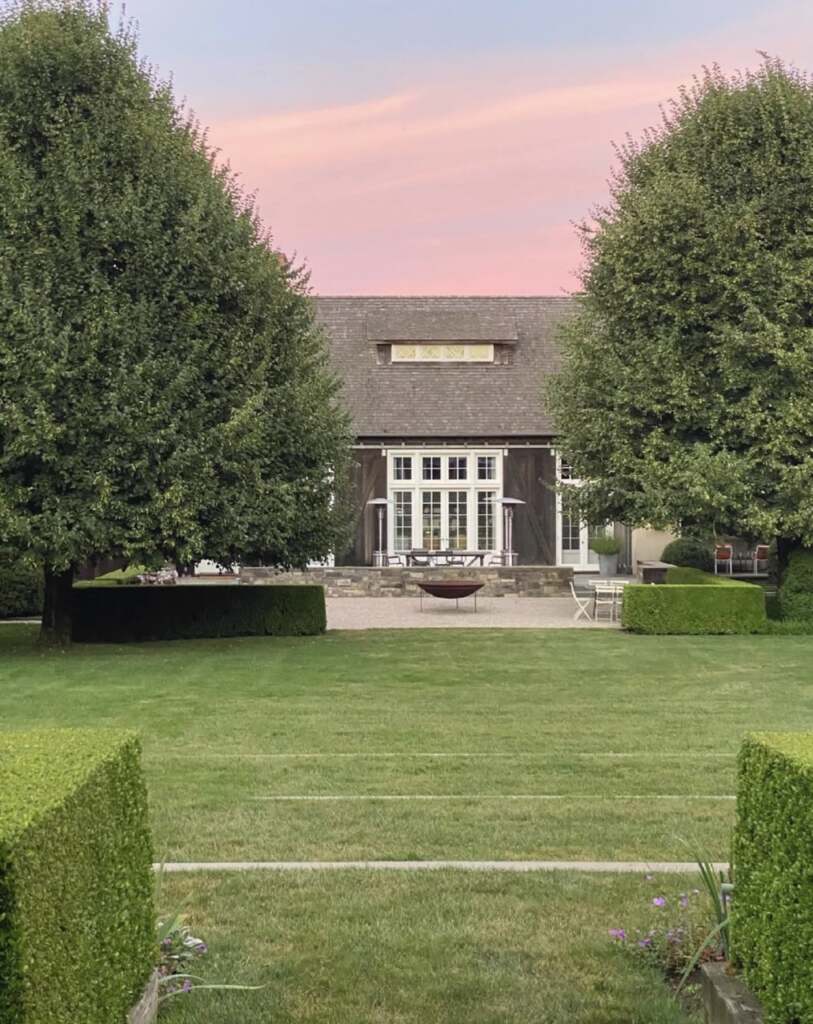
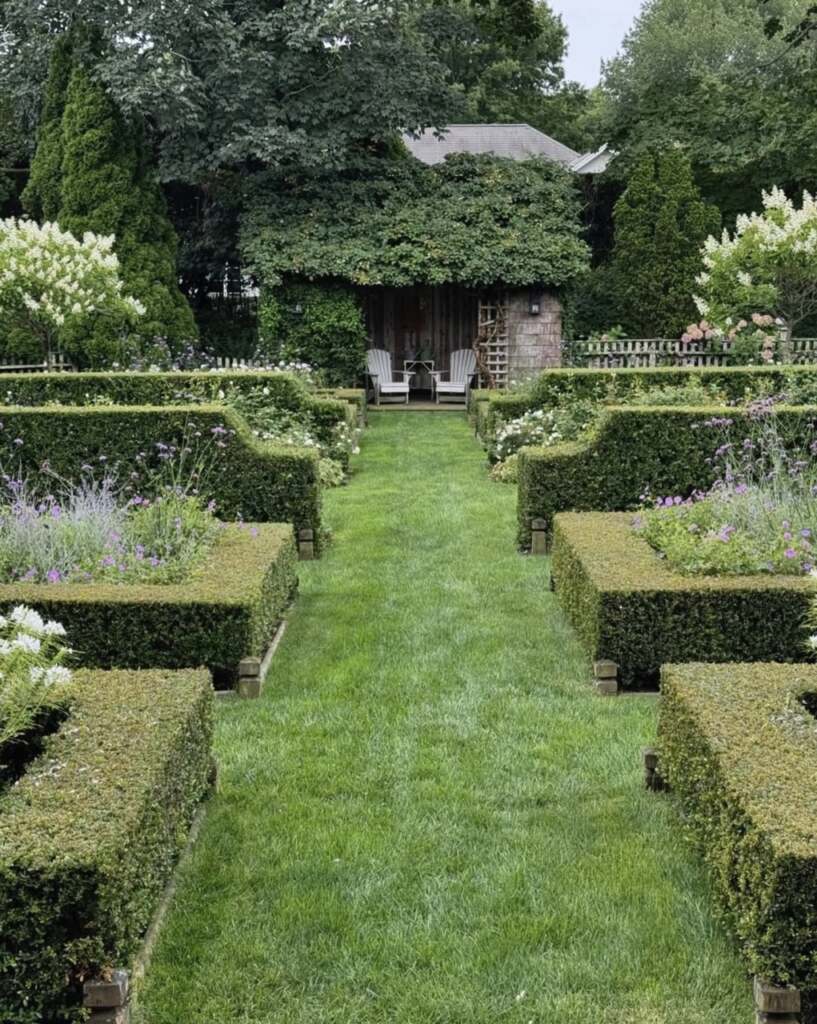
Still, the real magic was outside. After years in rentals, it finally hit her that tending gardens on other people’s property made no sense. Buying that farmhouse, with enough room for her own patch of earth, became a dream. She carved up the backyard into garden beds mixing vegetables, flowers, and anything else that caught her fancy. Tomatoes tangled with dahlias, roses overflowed alongside banks of catmint. It was formal enough to keep things neat, but never fussy. She created teepee frames for tomatoes and tucked iris next to strawberries.
Even the planning was hands-on. Tom Pritchard, a Manhattan florist, would walk the property with Ina, dragging chairs from spot to spot to find the best views. The goal was simple: figure out what to highlight, and what you didn’t want staring back at you.
As her love of gardening exploded, gardening books started cropping up on every surface indoors, edging out the cookbooks that once ruled her shelves.
Ina’s friends helped a lot, too. Interior designer Robert Currie guided her choices, keeping things timeless instead of trendy. Stephen Scanniello, known for his roses at the Brooklyn Botanic Garden, chose a dazzling set of 100 rose varieties for her to plant. Even Martha Stewart weighed in on the new shower.
And Jeffrey? He was right there, backing every decision and helping imagine what this little house could become.
Looking back at that 1994 renovation, you can see all the clues of what Ina Garten became: someone who knows beautiful spaces work best when they’re actually lived in, who loves big-hearted hospitality, and who’d always rather welcome friends than throw a showy party.
The farmhouse wasn’t meant to impress through excess. Its charm came from small, thoughtful touches, the way it opened onto the outdoors, and how it brought people together to cook, linger, and just enjoy being there.
Way before cookbooks and TV stardom, Ina Garten had already worked out her signature style. In this cozy farmhouse, she nailed a formula that’s still pure Barefoot Contessa: a home where good food, good friends, and a lovely garden are really all you need.