A couple’s plans to downsize from their longtime Sag Harbor home took an unexpected turn,… Read More →
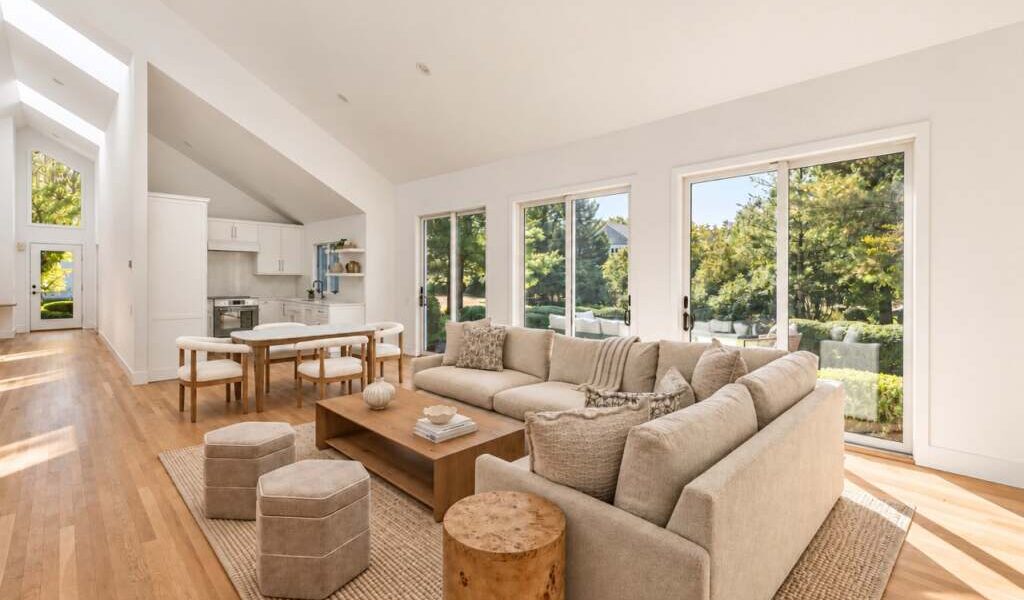


A couple’s plans to downsize from their longtime Sag Harbor home took an unexpected turn,… Read More →

Peconic Bay Medical Center will provide free breast exams and mammograms for eligible participants, with… Read More →

The Bridgehampton catering favorite brings East End ingredients, farm-fresh turkeys, inventive sides and homemade desserts… Read More →

Rich suede, supple leather, and bohemian rock ’n’ roll details set the tone for the… Read More →

The former social studies teacher and soccer coach posed as a teenage boy on Snapchat… Read More →
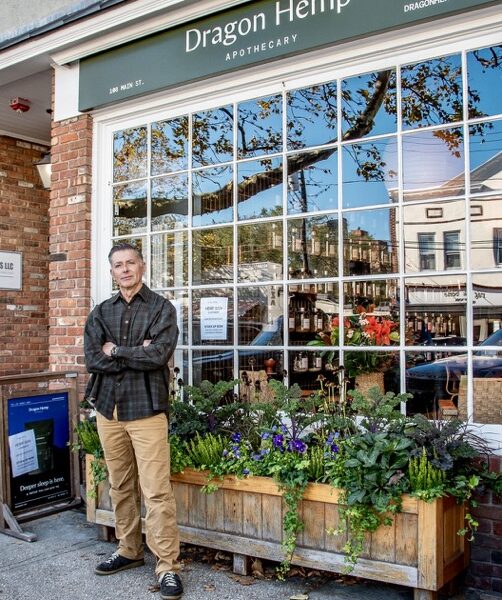
Kevin Menard’s Main Street wellness shop is preparing to close by Dec. 11, leaving loyal… Read More →

Forget the basic Hamptons sweatshirt. This autumn, while everyone is here for pumpkin patches and… Read More →

The 11th annual festival, Oct. 21-22, will honor Anthony Anderson, Kate Walsh and Denée Benton,… Read More →

From Benedict Cumberbatch in Frankenstein to The Rocky Horror Picture Show, An American Werewolf in… Read More →

A lucky lottery player turned a $50,000 prize into a six-figure payday in Monday’s drawing.… Read More →
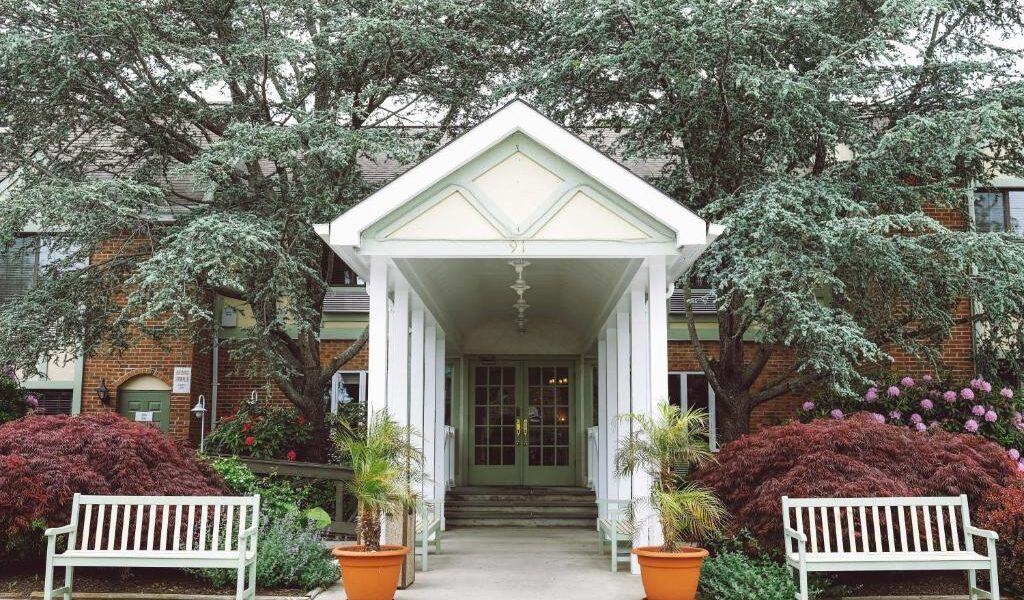
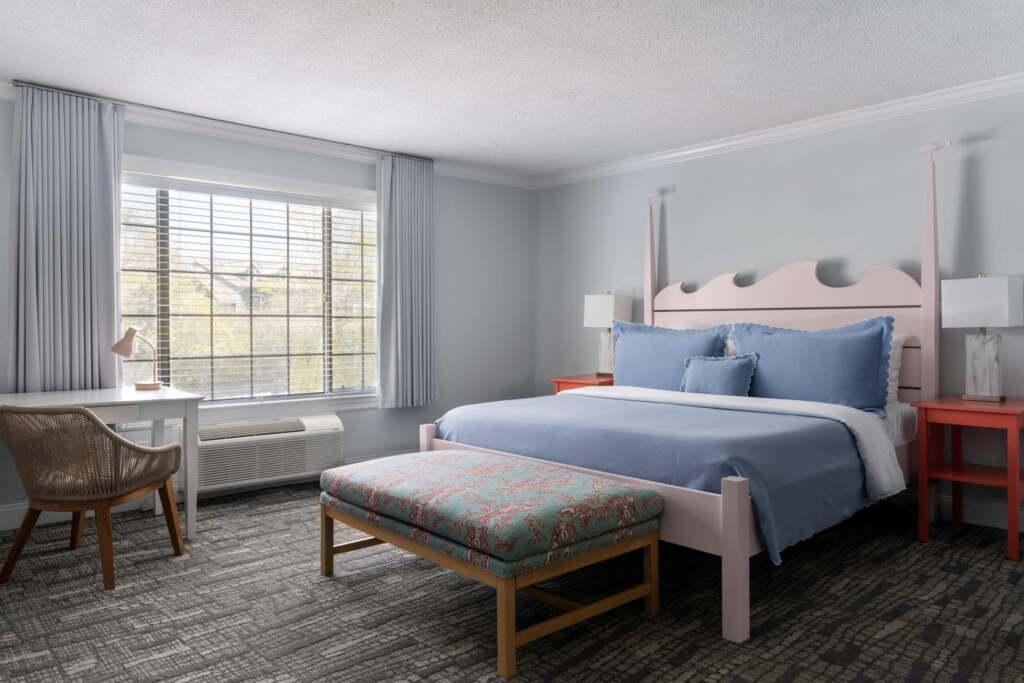
Southampton Village, where even modest development proposals often face intense scrutiny, is moving ahead with a new hotel project. The Suffolk County Industrial Development Agency recently approved about $1.64 million in tax incentives, clearing the way for a 40-room hotel next to the existing Southampton Inn on Hill Street.
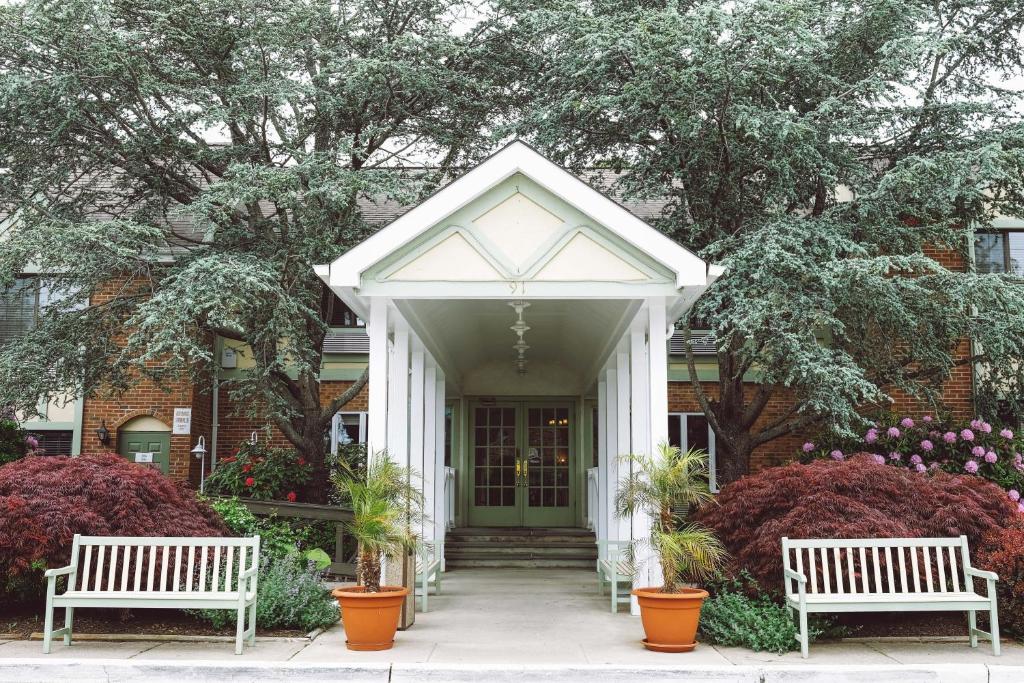
The project, led by 71 Hill Street LLC—which shares ownership with the inn—represents a $29 million expansion that combines hospitality with a limited workforce housing component. Plans include a heated pool, the conversion of an office building into eight one-bedroom apartments, and the renovation of another structure on the property. Two basement units in the hotel will be reserved for staff housing.
For Dede Gotthelf, owner of the Southampton Inn and a longtime advocate for affordable housing on the East End, the project reflects both an effort to address the issue and the limitations of current approaches.
“Any community needs an infrastructure of resources to make a community work,” she said. “We care very much about providing housing for people who are working within our community. Sometimes they need help in very expensive places.”
A market study commissioned by the developer projects nightly rates of around $800 during peak summer months, placing the hotel at the higher end of the Hamptons market. Consultants for the IDA estimate the project could generate approximately $2.5 million in net public benefits over 15 years, driven in part by occupancy tax revenue.
Still, the approval has drawn concern from some village officials and residents, who question whether the scale of the project and the public incentives are justified. Among the issues raised are traffic, density, and whether eight workforce apartments—targeted to households earning up to 130 percent of the area median income—will have any meaningful impact on the region’s housing shortage.
Gotthelf, who has spent more than 15 years working on affordable housing efforts, said broader systemic obstacles continue to slow progress.
“One of the concerns is that the red tape of various boards is so slow,” she said. “It may be very appropriate for beautiful homes, but not necessarily good at streamlining this process. If we’re serious about this, we have to make it more attractive for people.”
The incentive package includes a $1.3 million sales tax exemption, a mortgage recording tax break, and a 15-year payment-in-lieu-of-taxes agreement. Supporters argue the incentives are necessary to offset infrastructure costs, including a planned $2.5 million on-site sewage treatment system. Critics point to the projected room rates and question the need for public support.
Practical challenges, Gotthelf noted, often complicate even small-scale housing solutions.
“We are in abject terror trying to get parking for a one-bedroom,” she said. “If you have a third of an acre and want to create an accessory unit over the garage, you still need dedicated parking places. We need welcoming requirements for affordable housing.”
The IDA unanimously approved the project. Preliminary approvals are already in place at the village level, and construction could begin soon, with an opening as early as next year, though 2028 remains a possibility.
The proposal also comes as Southampton continues to lose traditional hospitality properties.
“We’re losing the Butler’s Manor, Inn on Main, Village Latch,” Gotthelf said. “We need tourism, the local community, and restaurants to stay open off-season. We can’t roll up the sidewalks in November and just say we’re here.”
Even with the inclusion of staff housing, she said, the larger issue remains unresolved.
“Where are we going to put people who are going to work in the summer?” she said, noting that many workers now commute from farther west. She recalled looking at a motel property in Shinnecock Hills that could have been converted into studio housing, but zoning limited its use.
As the project moves forward, it reflects a broader shift in Southampton: development continues, but questions about who it serves—and how effectively—become harder to ignore.