From a $325,000 parcel in East Hampton to nearly $800,000 for a village-fringe building lot,… Read More →
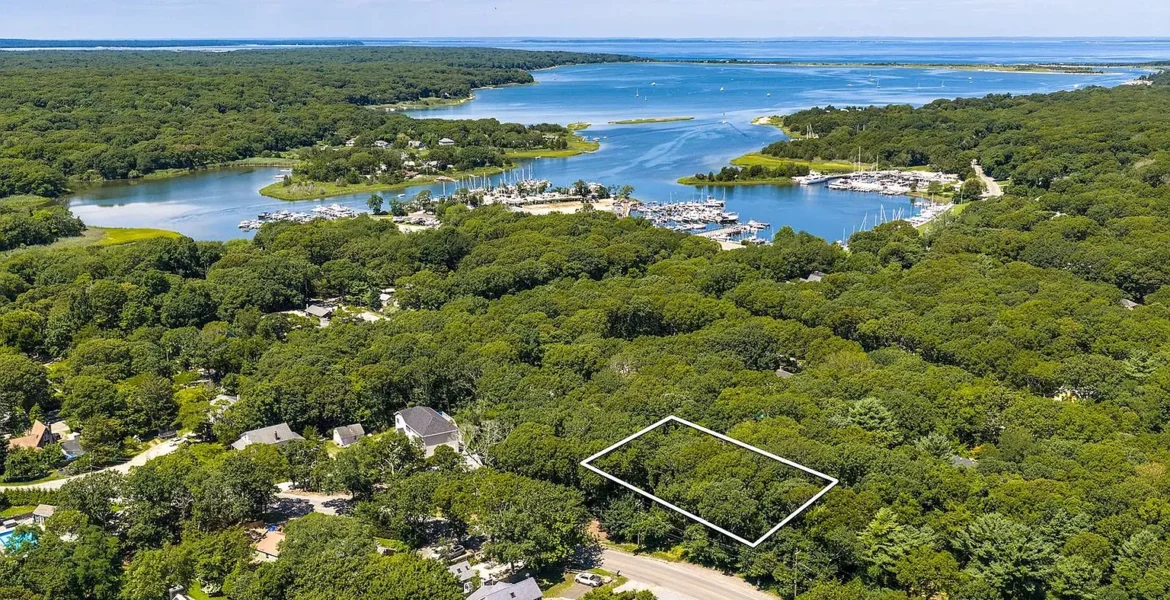


From a $325,000 parcel in East Hampton to nearly $800,000 for a village-fringe building lot,… Read More →

EXCLUSIVE: The Good Day New York anchor opens up about her mother’s enduring influence, treasured… Read More →

From Southampton to Montauk, the East End’s weekend calendar offers live performances, art, film, fall… Read More →
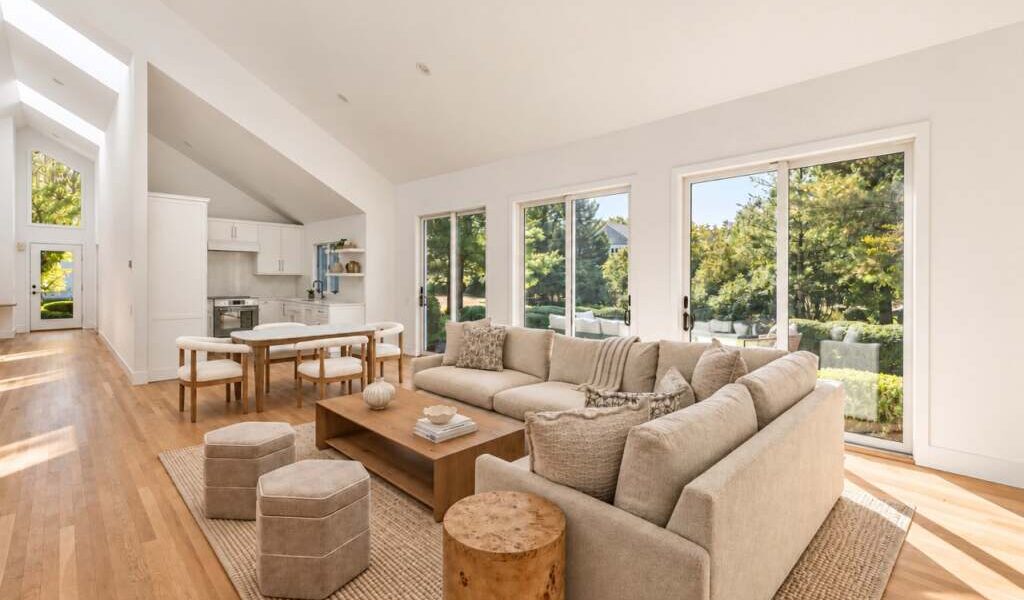
A couple’s plans to downsize from their longtime Sag Harbor home took an unexpected turn,… Read More →

Peconic Bay Medical Center will provide free breast exams and mammograms for eligible participants, with… Read More →

The Bridgehampton catering favorite brings East End ingredients, farm-fresh turkeys, inventive sides and homemade desserts… Read More →

Rich suede, supple leather, and bohemian rock ’n’ roll details set the tone for the… Read More →

The former social studies teacher and soccer coach posed as a teenage boy on Snapchat… Read More →
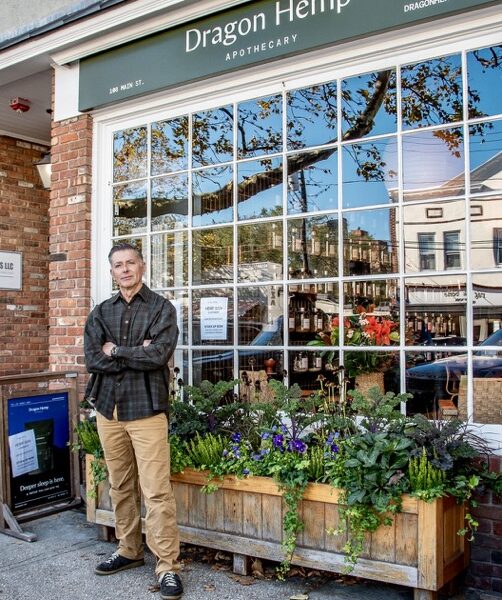
Kevin Menard’s Main Street wellness shop is preparing to close by Dec. 11, leaving loyal… Read More →

Forget the basic Hamptons sweatshirt. This autumn, while everyone is here for pumpkin patches and… Read More →

There’s this idea about the Hamptons: it’s not really a beach town market. It’s more like Manhattan’s satellite, especially linked to Wall Street’s bonus season.
According to Jonathan Miller, who’s a market guru, 2025 proved this. Huge Wall Street bonuses bumped the median house price in the Hamptons over $2 million for the first time. What’s even wilder is that 70% of all sales were over $1 million. What used to be luxury is now just standard.
But it’s not just about the money. It’s also about when things happen.
This is a Hamptons shaped less by sunburn and rosé than by the gravitational pull of figures like Ken Griffin — buyers for whom timing, taxes, and scarcity matter far more than seasonality.
We spoke with Mr. Miller, who said, “High-end Hamptons home buyers are hedging their bets on their tax exposure for the following year through their purchase behavior.”
Miller says that even though 82 homes sold for over $5 million in 2025 – the most ever – the sales were spread out weirdly across the year. Usually, you’d expect each quarter to have about 25% of the yearly sales, give or take, because of the season. But that wasn’t the case. Why? Taxes.
Up there in the high-end market, people don’t buy homes on a whim. It’s all planned. Hamptons second homes are extras for the super-rich, and buying decisions often rely more on taxes than sunshine. Buyers protect themselves from what might happen the next year.
Closing a deal in December versus January can mean millions of dollars different. At that level, tax planning beats the seasons.
Of course, this wouldn’t matter if there were tons of available real estate — but the Hamptons is naturally limited by its location.
Getting to the South Fork gets tight at the Shinnecock Canal, where Route 27 squeezes into what locals call the Shinnecock squeeze. About 38,000 cars go through there every day in the summer. It’s a natural spot that keeps big building projects in check. The roads basically act like zoning laws. It’s annoying, but it keeps things exclusive.
The result is a mature high-end market where there isn’t much property available. There aren’t many homes for sale going into 2026, even though rich people are getting richer. When bonuses are big, and there’s not that much to buy, prices go up. It’s simple math.
This scenario is also impacting the rest of the East End.
The North Fork— which has always been more farms, cheaper, and tied to Long Island’s working class — is feeling it. Buyers priced out of the South Fork are moving east and north, which is making things less affordable there, too.
Even Shelter Island, a quiet place between the forks, is getting way more expensive. The saying that the Hamptons are like Manhattan and the North Fork is like Brooklyn doesn’t really work anymore because of the whole housing affordability issue across the country.
Miller mentioned that the East End has hit a turning point. A $2 million median price isn’t just a number – it means the Hamptons are in a brand new stage. Luxury is now just part of the scenery.
“The Hamptons have never been just a summer playground — it’s a Manhattan satellite where timing, taxes, and scarcity drive the market more than the season,” Corcoran’s luxury broker Meegan Darby told Spark Hamptons. “Every high-end sale is carefully planned, and with inventory so tight, even a bonus week can shift prices by millions.”
News outlets from CNBC to The Real Deal have covered the boom as you’d expect – big bonuses, small inventory, and people fighting over trophy homes. But Miller’s main take is more subtle: this is what happens when crazy wealth meets limited land and a tax system that rewards planning.
Like his newsletter jokes, “there’s a lot to talk about on the beach,” but in 2026, people will be chatting less about decorating and more about money.
Turns out the Hamptons isn’t just close to Manhattan. It moves with its bank account.
The East End isn’t running on sunshine alone anymore. It’s running on capital cycles — and the first big cycle of the year just landed.