The former social studies teacher and soccer coach posed as a teenage boy on Snapchat… Read More →



The former social studies teacher and soccer coach posed as a teenage boy on Snapchat… Read More →

Kevin Menard’s Main Street wellness shop is preparing to close by Dec. 11, leaving loyal… Read More →

Forget the basic Hamptons sweatshirt. This autumn, while everyone is here for pumpkin patches and… Read More →

The 11th annual festival, Oct. 21-22, will honor Anthony Anderson, Kate Walsh and Denée Benton,… Read More →
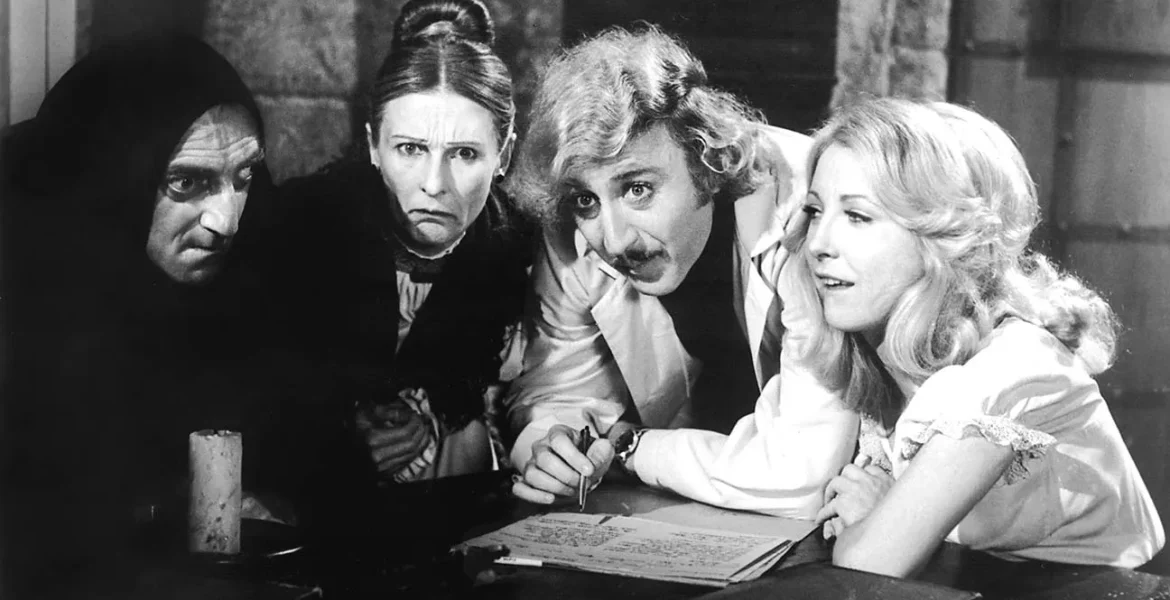
From Benedict Cumberbatch in Frankenstein to The Rocky Horror Picture Show, An American Werewolf in… Read More →

A lucky lottery player turned a $50,000 prize into a six-figure payday in Monday’s drawing.… Read More →

From Southampton’s Halloween pet parade and Sag Harbor’s Ragamuffin Parade to costume parties at Wölffer… Read More →

Let’s talk about Shelter Island — the kind of place you go to get away,… Read More →

From Greenport’s Halloween parade and haunted miniature railroad to spooky mazes, brewery parties and vineyard… Read More →
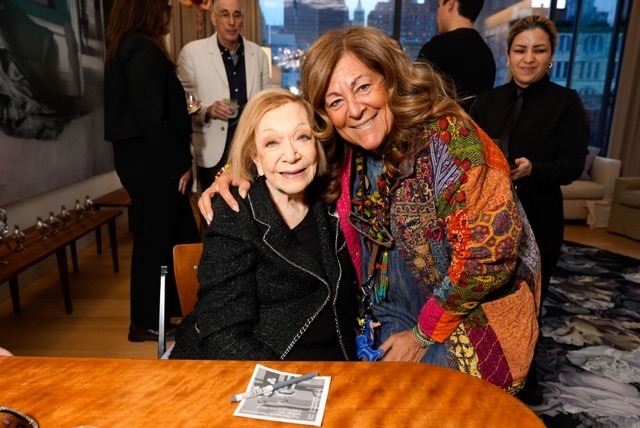
More than 100 guests gathered to toast the 98-year-old journalist, author and Pop Art pioneer… Read More →
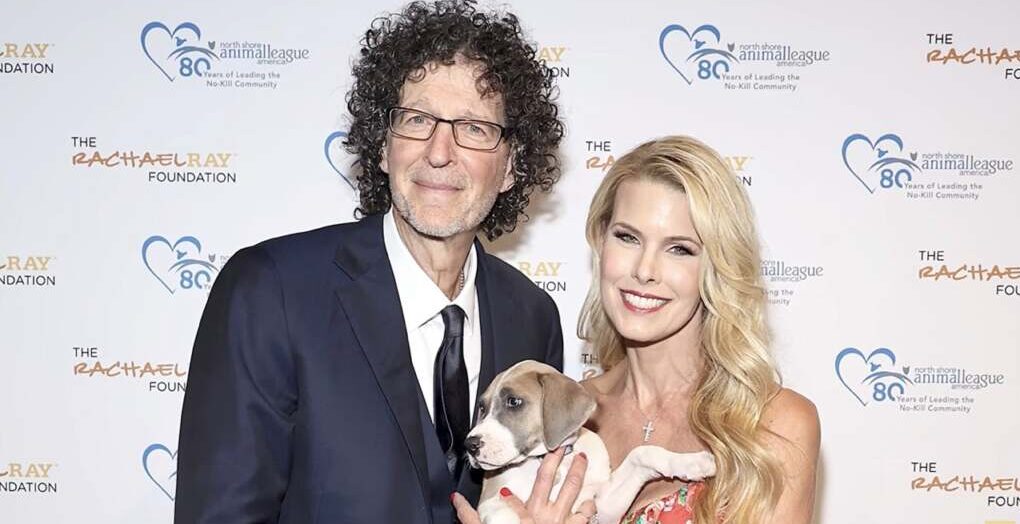
A former employee has come forward, claiming a chaotic environment existed behind the scenes and challenging a broad confidentiality agreement she was expected to uphold. So far, the well-known radio host hasn’t officially said anything.
Howard Stern had always kept his world tightly controlled, a private machine running smoothly out of public sight. Now, it seems, parts of that machinery are being dragged into the open. It started with a report from the New York Post’s Page Six: a former executive assistant, who worked for both Stern and his wife, Beth, was suing. She was asking for $2.5 million, and the lawsuit, it appeared, was becoming less about just legal documents and more about the underlying power dynamics at play.
Leslie Kuhn, who had spent considerable time working directly for the couple, filed fresh court documents over the weekend. These papers brought her complaints into sharper focus, and they also highlighted the fact that Stern still hadn’t issued any formal reply. Her filing painted a picture of internal chaos, she said. It described a workplace riddled with disorganization and accounting methods that struck her as questionable. This was a stark contrast to the slick, well-managed image the Stern brand had cultivated for years.
Yet, perhaps the more significant fight wasn’t about the mess, but about the very right to speak. Kuhn was actively challenging a nondisclosure agreement, claiming she’d never actually signed it and asking the court to declare it invalid and impossible to enforce. The terms of this agreement, as detailed in her filing, seemed to cover almost everything. It wasn’t just about business; it stretched into the most intimate corners of the Sterns’ private lives, from their everyday habits to their routines at home.
This whole dispute, in many ways, mirrored a common imbalance. John J. Leonard, Kuhn’s attorney, argued that the NDA was essentially a tool designed to keep his client from ever discussing her time there. He saw it as reinforcing a fundamental imbalance between those who hire and those who are hired. From his perspective, the case wasn’t simply about one person’s complaint in a workplace; it was about the power embedded in contracts, especially those that come with working so closely to wealth and fame.
For Stern, a man whose entire career had been built on revealing things—both his own life and the lives of others—this lawsuit brought a new, unwelcome kind of exposure. It was a shift from the familiar studio spotlight to the harsh glare of a courtroom. Regardless of whether the case proceeds on its actual claims or gets bogged down in legal wrangling over the NDA, one thing was clear: the very private operations of his famous world were now going to be examined, not live on the radio, but under the solemn weight of an oath.