Peconic Bay Medical Center will provide free breast exams and mammograms for eligible participants, with… Read More →



Peconic Bay Medical Center will provide free breast exams and mammograms for eligible participants, with… Read More →

The Bridgehampton catering favorite brings East End ingredients, farm-fresh turkeys, inventive sides and homemade desserts… Read More →

Rich suede, supple leather, and bohemian rock ’n’ roll details set the tone for the… Read More →

The former social studies teacher and soccer coach posed as a teenage boy on Snapchat… Read More →
Kevin Menard’s Main Street wellness shop is preparing to close by Dec. 11, leaving loyal… Read More →

Forget the basic Hamptons sweatshirt. This autumn, while everyone is here for pumpkin patches and… Read More →

The 11th annual festival, Oct. 21-22, will honor Anthony Anderson, Kate Walsh and Denée Benton,… Read More →
From Benedict Cumberbatch in Frankenstein to The Rocky Horror Picture Show, An American Werewolf in… Read More →
A lucky lottery player turned a $50,000 prize into a six-figure payday in Monday’s drawing.… Read More →

From Southampton’s Halloween pet parade and Sag Harbor’s Ragamuffin Parade to costume parties at Wölffer… Read More →
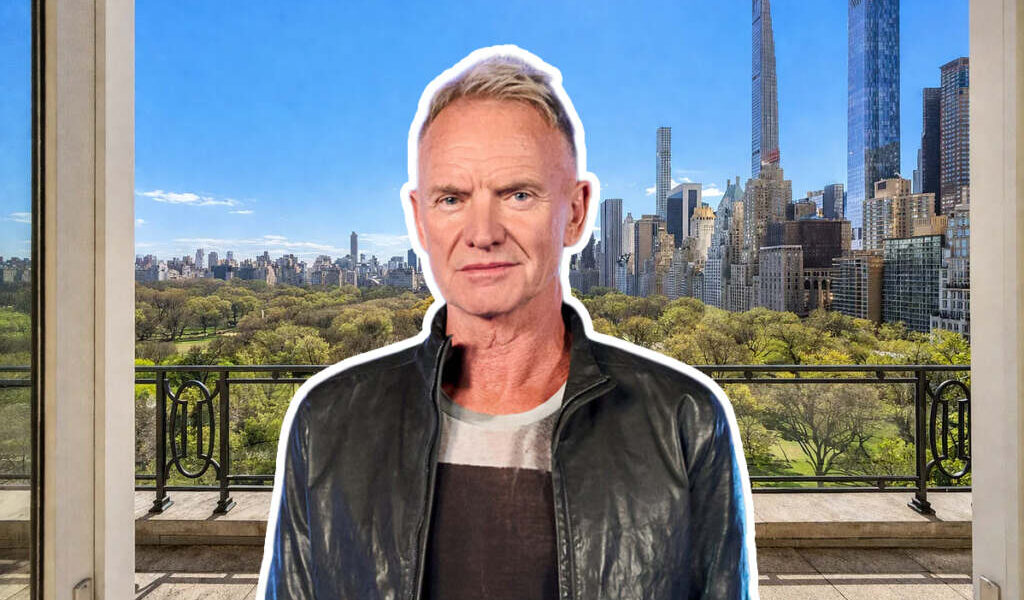
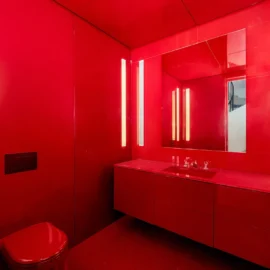
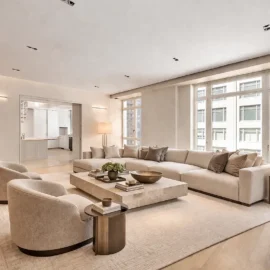
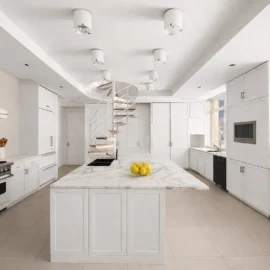
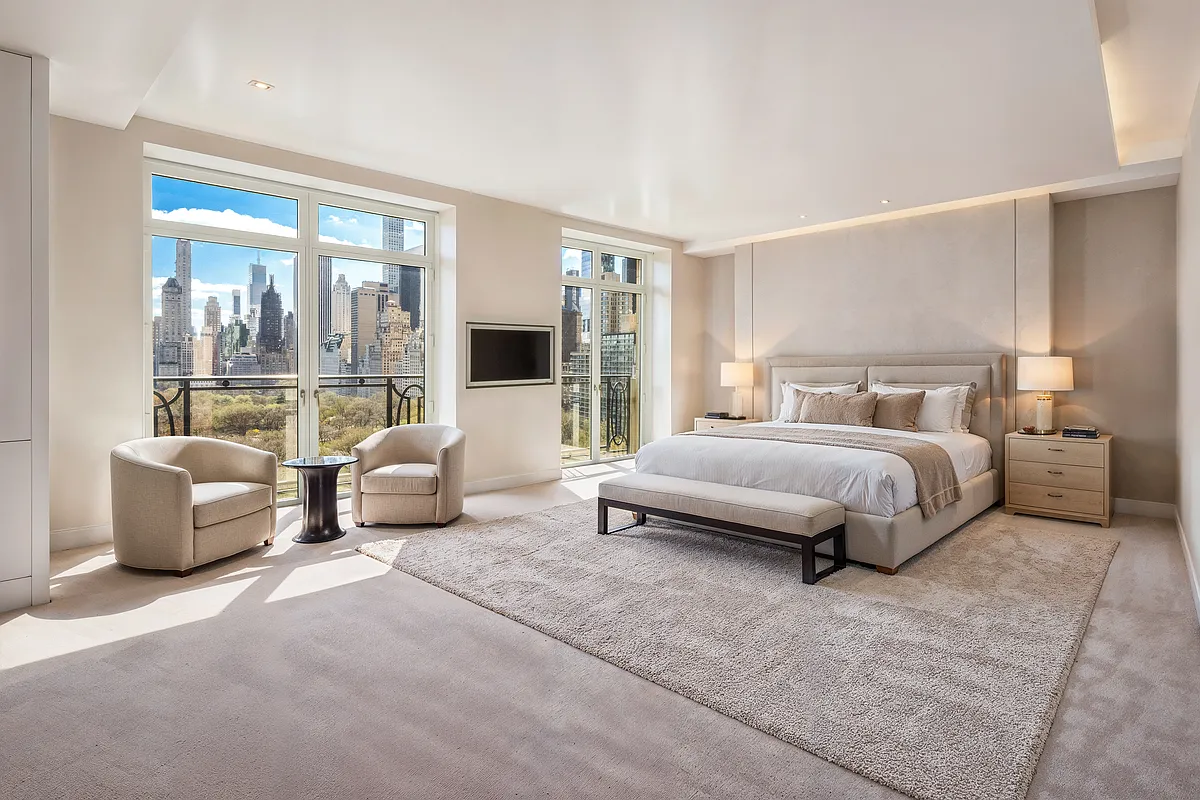
When you talk about whether something in Manhattan real estate is “worth it,” it often feels less like crunching numbers and more like stepping into some legend. And among all those legends, few properties carry as much built-in lore as Sting’s old penthouse, which has now found its way back onto the market, asking $45 million.
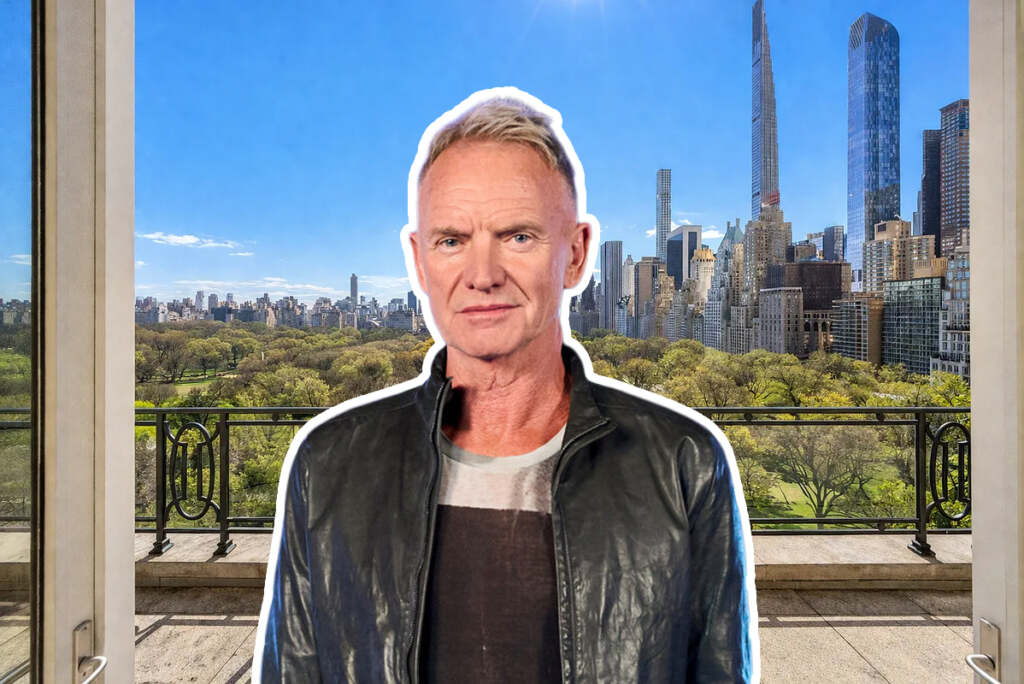
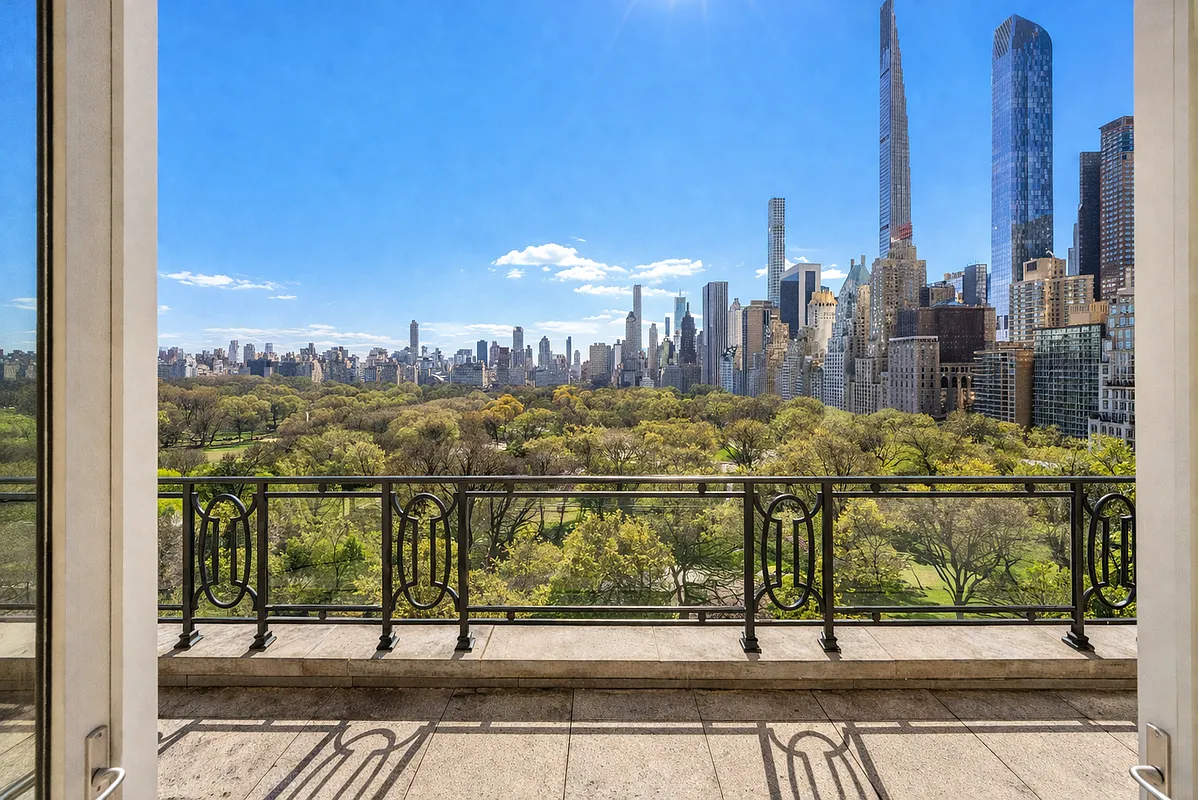
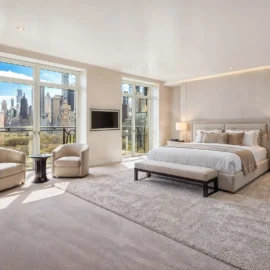
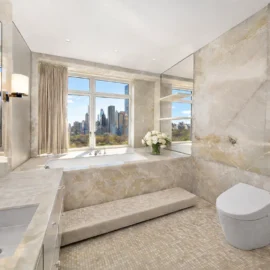
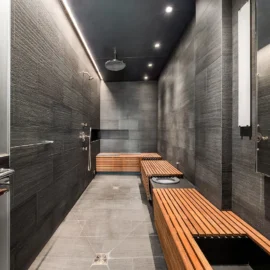
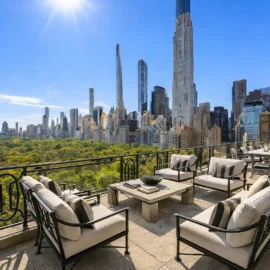
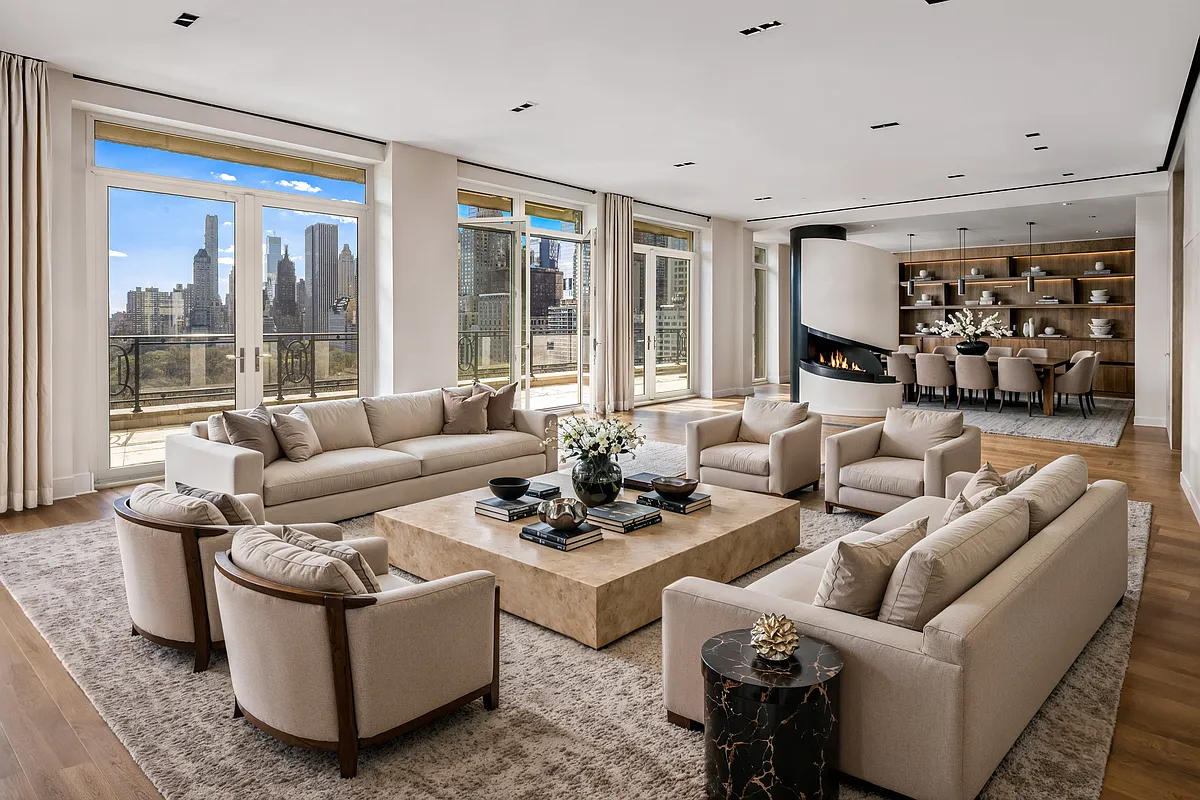
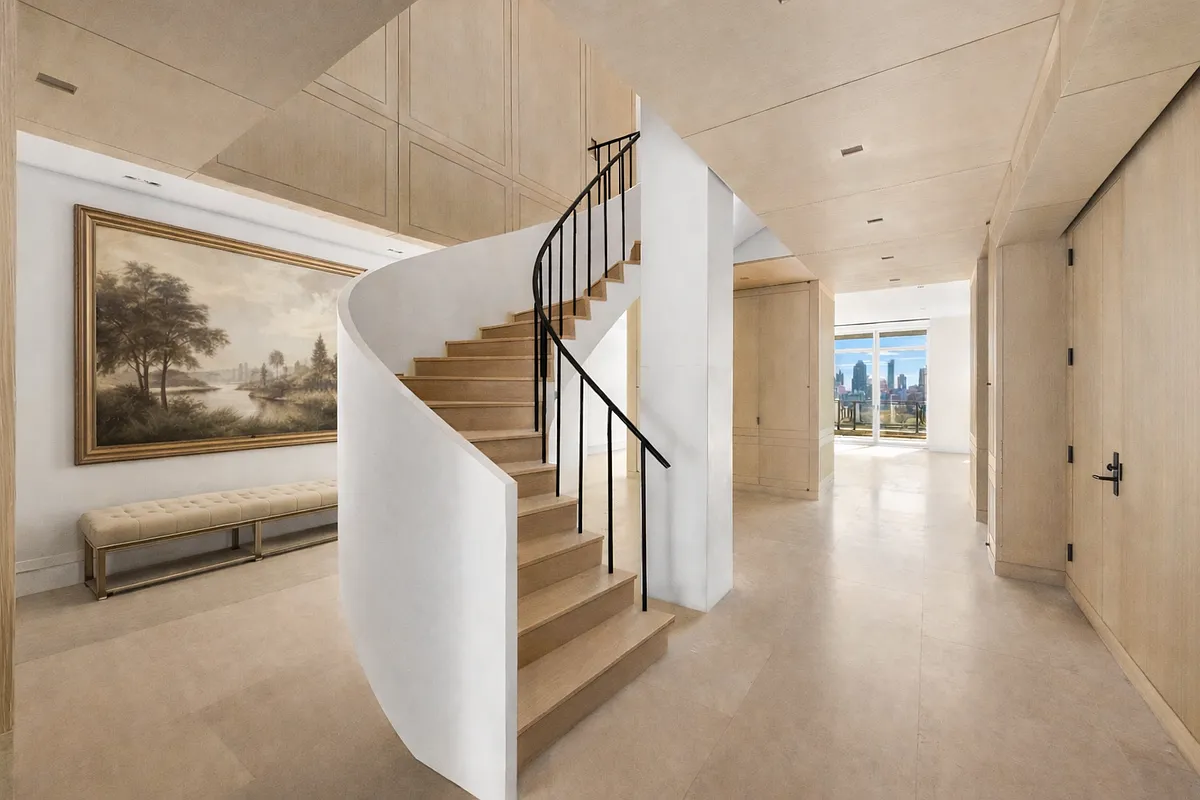
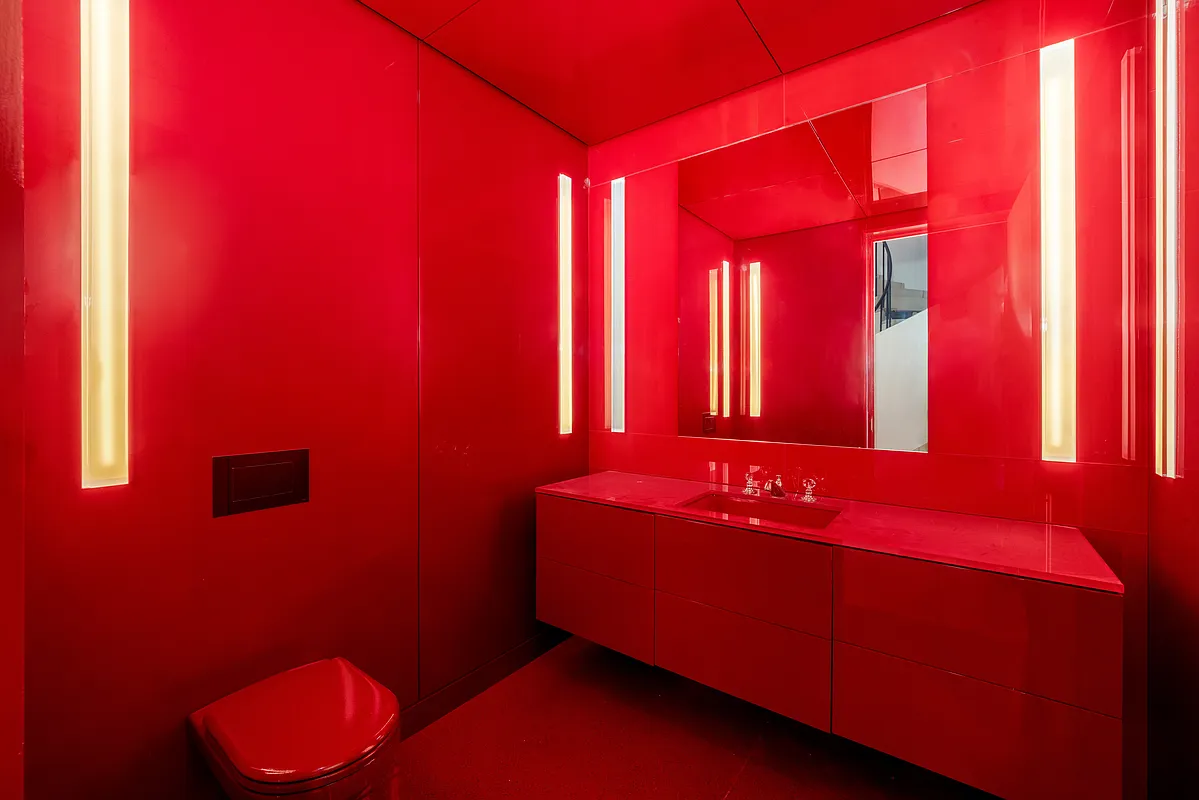
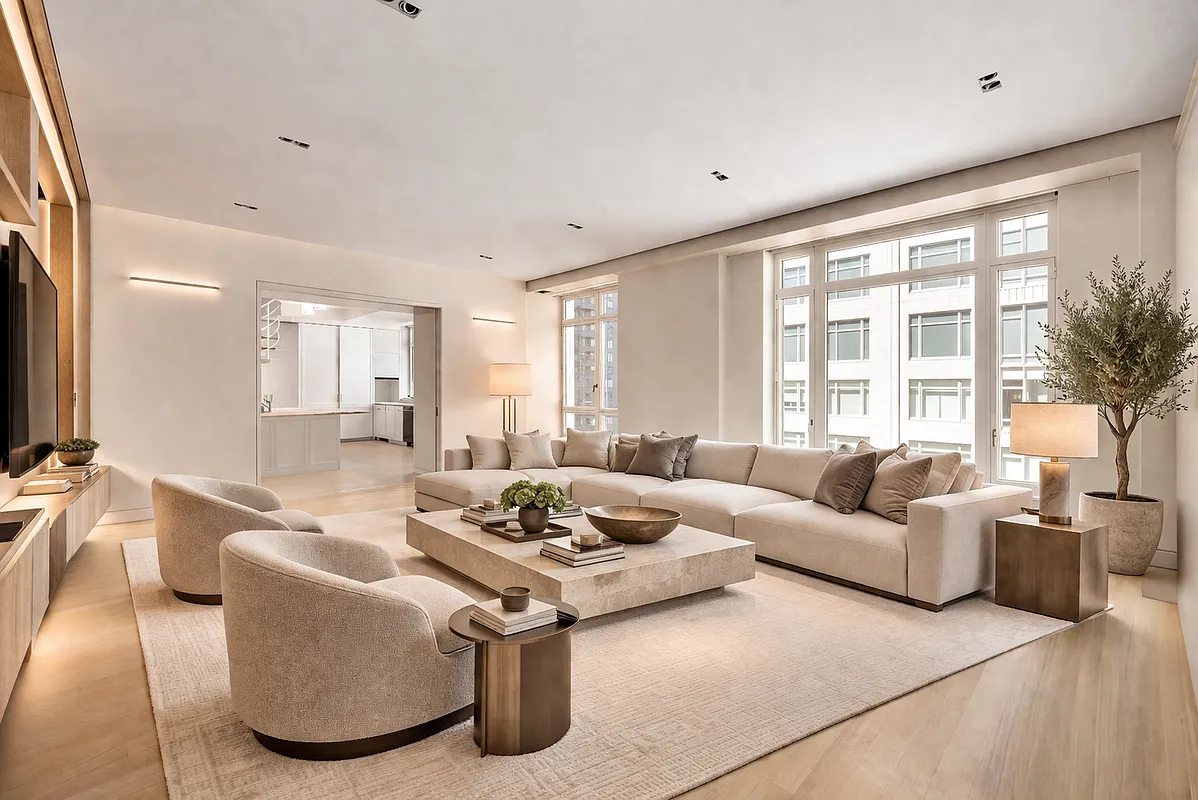
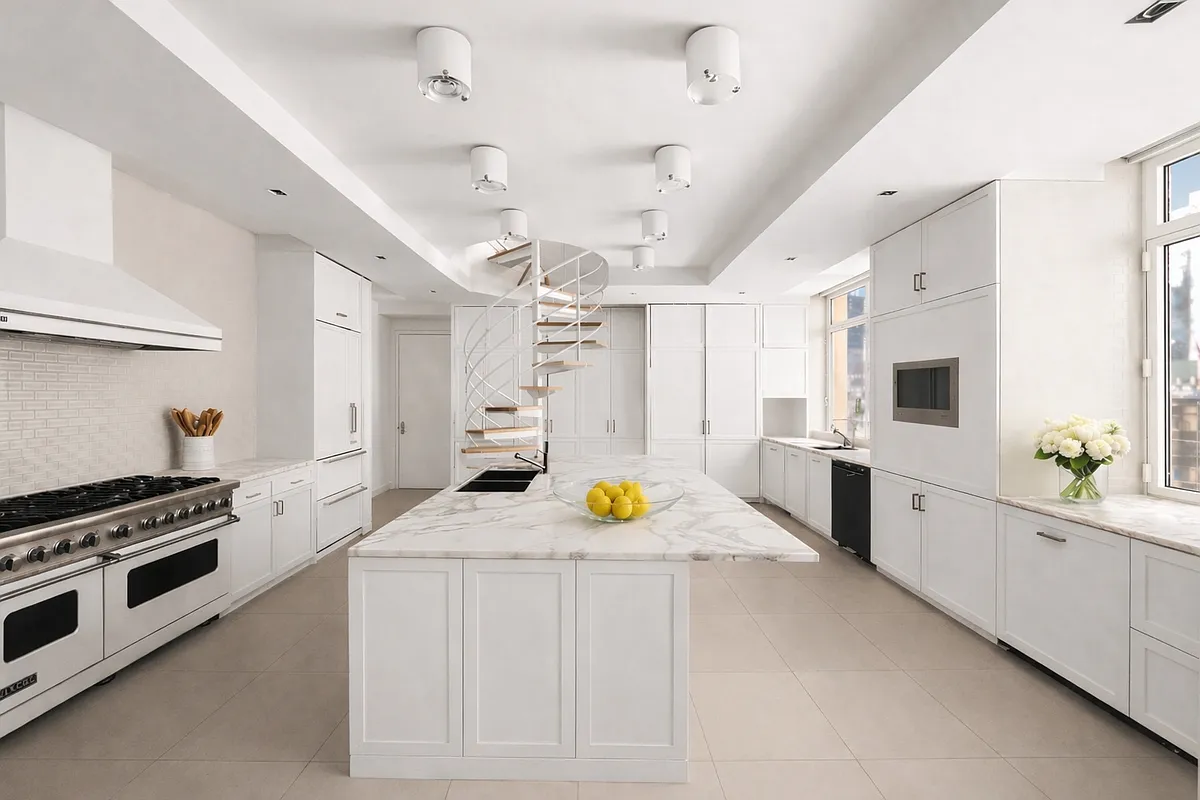
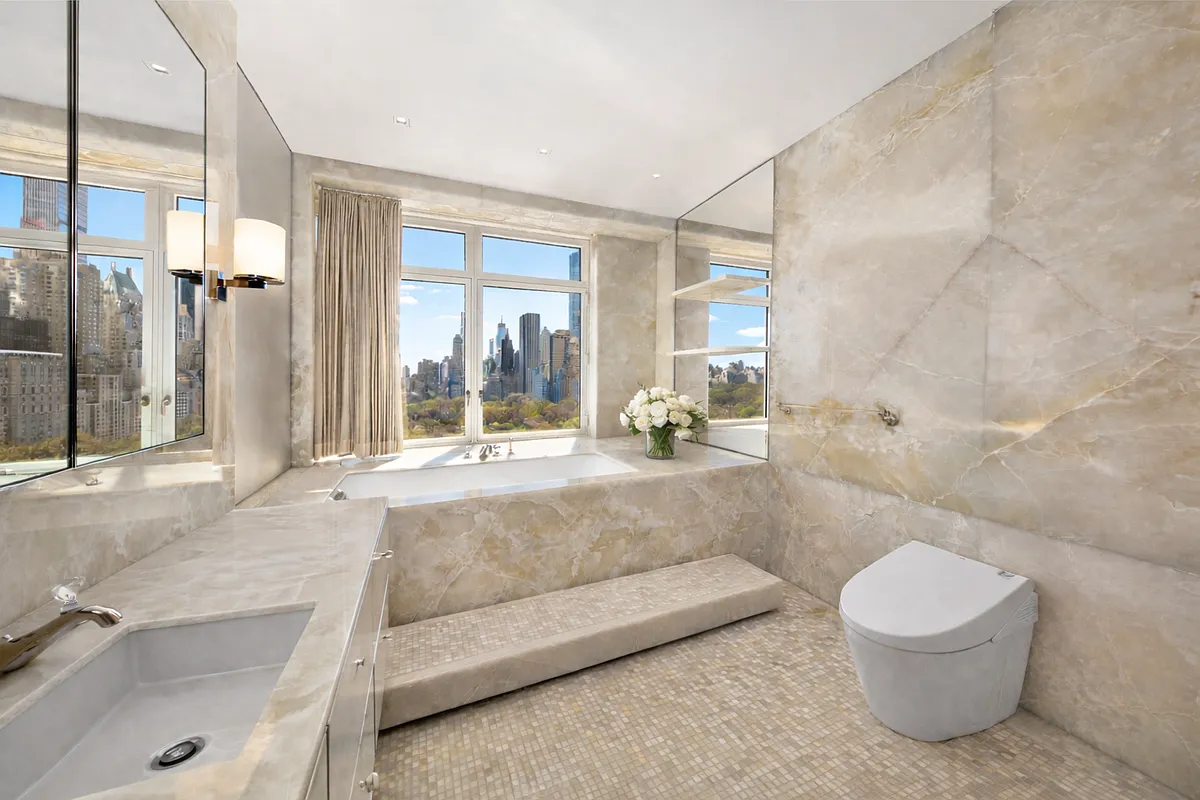
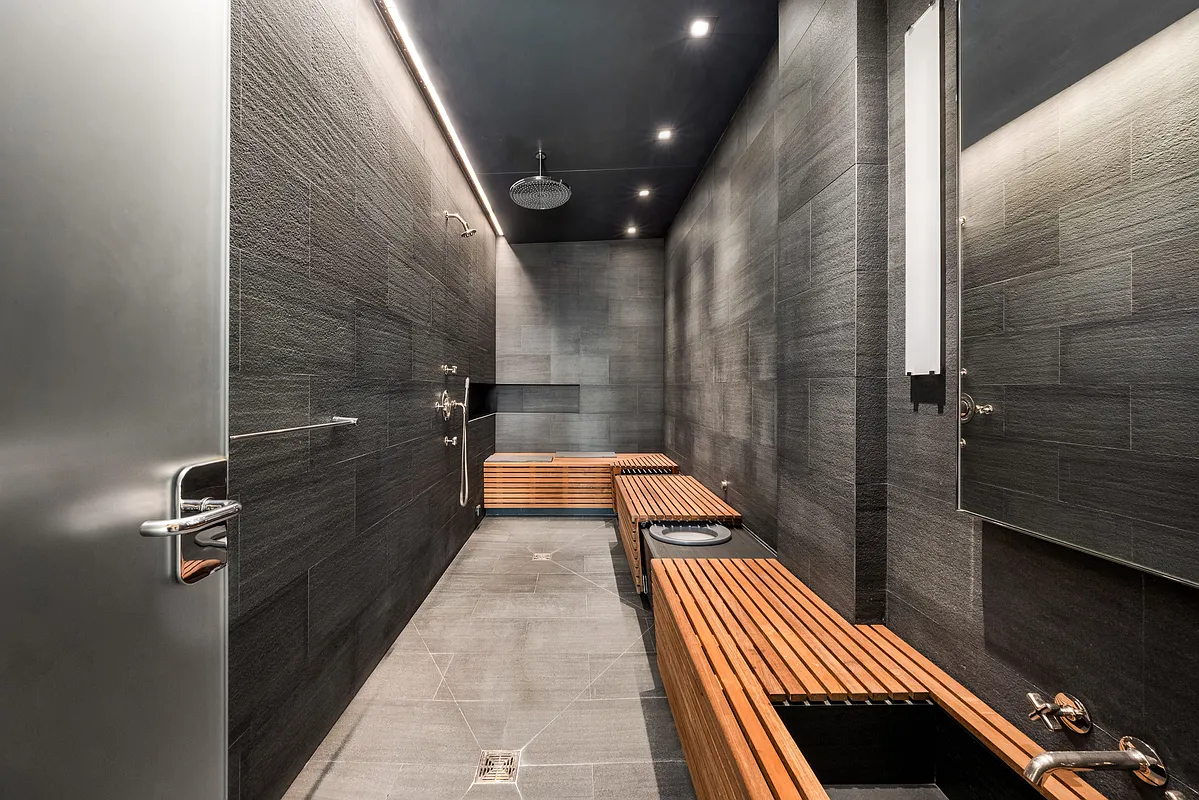
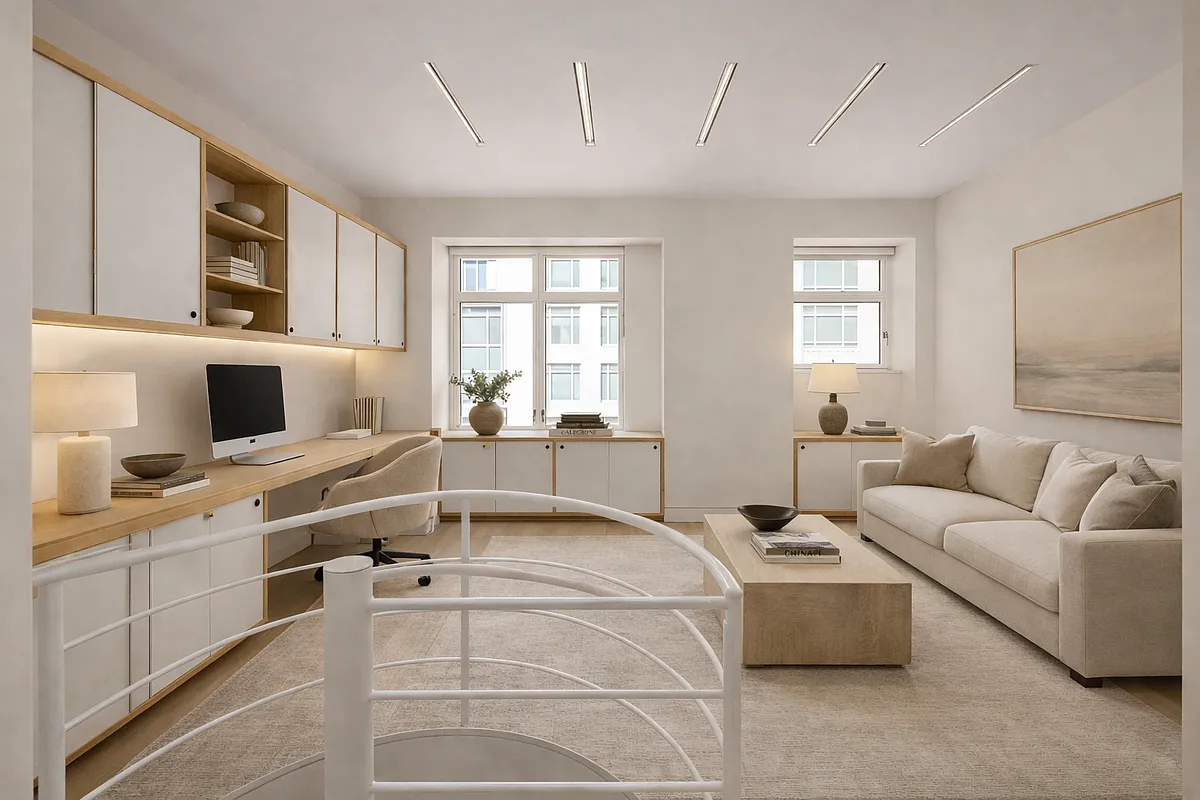
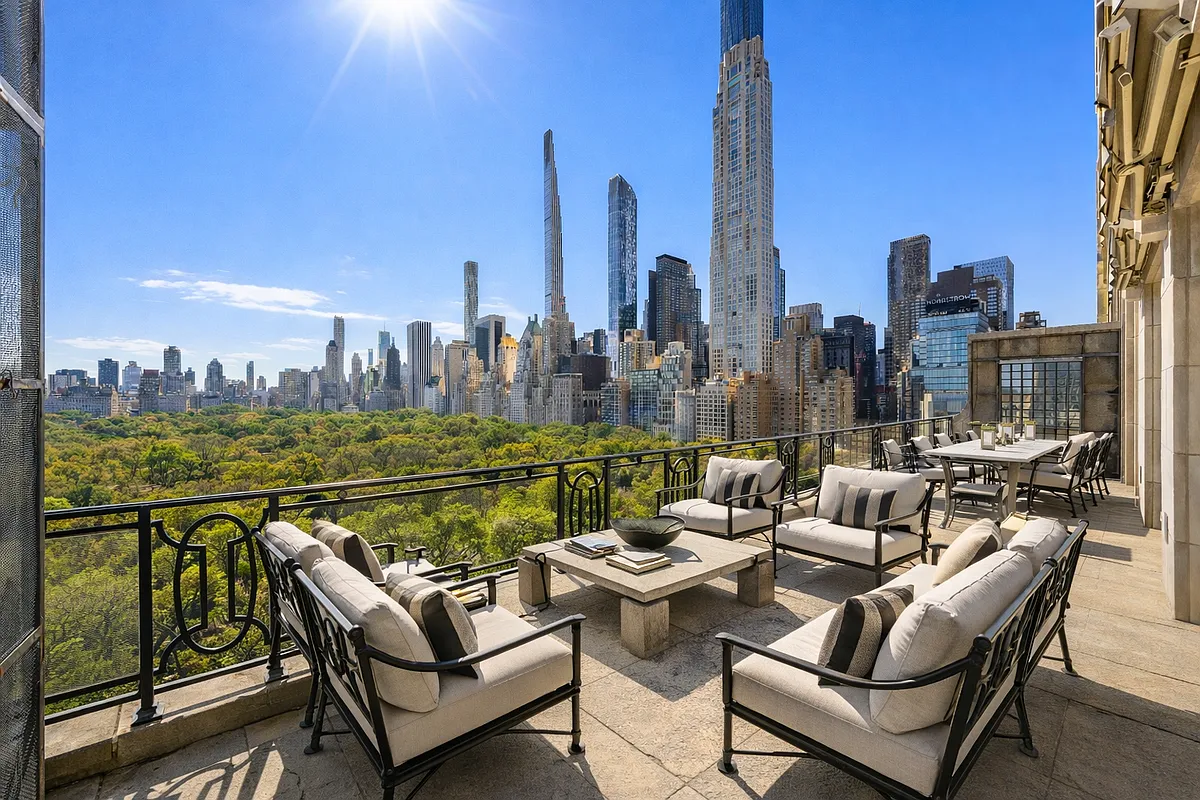
This particular duplex perches high atop 15 Central Park West, a building so closely associated with understated wealth that its very name is almost a whispered shorthand for a particular brand of New York power. The apartment itself, of course, ticks off all the usual boxes one might expect: four bedrooms, four bathrooms, a cozy fireplace, and a sweeping 400-square-foot terrace seemingly suspended right over Central Park. It’s certainly elegant, quite expansive, and perhaps most importantly, it holds very few surprises.
And that’s precisely where a question begins to quietly surface: when you’re spending $45 million, are you truly acquiring a place to live, or is what you’re really buying a story?
After all, the story here does a considerable amount of the heavy lifting. Sting himself had purchased the apartment back in 2007 for $27 million, only to sell it ten years later, in 2017, for a cool $50 million. That sale neatly encapsulated a specific era when these kinds of trophy properties seemed to perform just like the most reliable blue-chip stocks. Intriguingly, the current owners never even settled in, which means this particular penthouse has spent years existing as a sort of Schrödinger’s residence: perfectly pristine yet, in a curious way, completely untested.
Now, it’s making its reappearance on the market at a price tag $5 million less than its previous sale. If you looked at that number in isolation, it might sound like quite the bargain. But here in Manhattan, it feels more like a subtle recalibration—a quiet nod to the idea that even in a market built on extravagance, there are indeed boundaries to how much of a story one can ultimately pay for.
And yet, the building itself tends to complicate any easy calculations. Fifteen Central Park West isn’t simply a desirable place to live; it holds an almost canonical status. Its roster of residents—names like Robert De Niro, Denzel Washington, Mark Wahlberg, and Alex Rodriguez — isn’t just famous in the usual sense; they represent a kind of enduring fame, the sort that quietly signals a certain permanence. The building provides not merely a list of amenities, but a distinct form of reputational insulation. You don’t just secure an address there; you’re subtly granted entry.
So, the question lingers: is it truly worth it?
If you were to focus solely on square footage, the quality of the finishes, or recent comparable sales, the answer would likely feel a bit elusive. You can find newer buildings out there with more dazzling amenities, more sprawling layouts, and perhaps even more breathtaking views. But none of those come with this particular address, nor do they carry this unique level of cultural recognition.
Because what you’re truly acquiring here, beneath all the numbers, is a powerful sense of certainty. The certainty that this building will maintain its desirability. The certainty that your neighbors will have been scrutinized to an almost surgical degree. And the certainty that, in a city constantly chasing the next big thing, this specific enclave on the Upper West Side has long since settled into its own identity.
And perhaps, more than anything else, you’re investing in the quiet satisfaction of knowing you live in Sting’s former apartment—without ever needing to utter a single word about it aloud.
When you consider it from that angle, $45 million begins to feel less like a mere price tag and much more like an exclusive admission fee.
Whether all of that truly holds its value, though, depends entirely on what, exactly, you believe you are purchasing.
The property is listed with The Lorber Team at Douglas Elliman.