Southampton History Museum’s annual Insider’s View offered a rare look at distinctive properties across the… Read More →


Southampton History Museum’s annual Insider’s View offered a rare look at distinctive properties across the… Read More →

More than a year after the 33-year-old fashion entrepreneur was found dead aboard a boat… Read More →
Nassau dominates the national list, while Westhampton Beach leads East End districts in Suffolk; Bridgehampton… Read More →
Residents and descendants will share the stories behind Azurest, Sag Harbor Hills and Ninevah —… Read More →
The free annual festival takes over the historic Parsons Blacksmith Shop grounds Oct. 3 with… Read More →

East Hampton Town police say the 21-year-old returned to the same property weeks after the… Read More →

SPARK was there as the young designer unveiled his first fabric collection at Mood Fabrics’… Read More →
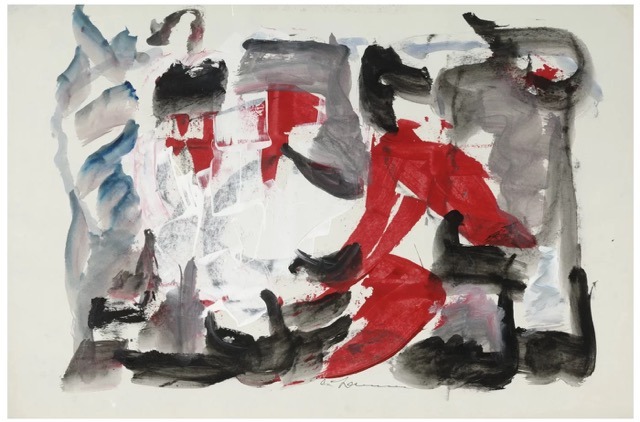
“Abstract Expressionism: The East End, 1940 to Today” brings together generations of artists shaped by… Read More →

The 15-time Emmy Award-winning journalist and television host talks Season 8 of her hit game… Read More →
More than 17,000 Long Island customers have lost power as winds near 60 mph, heavy… Read More →
Some of Sag Harbor’s most important history will be told by the people who lived it.
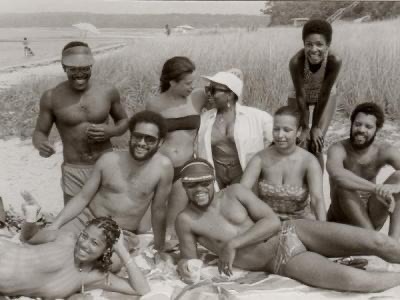
The Church in Sag Harbor will bring together residents, artists and descendants with deep ties to the village’s historic Black beachfront communities on Sunday, Oct. 11, for “Storytellers: An Oral History of the Historic Black Beach Front Communities.”
The afternoon program turns the microphone over to people whose families helped build and sustain Azurest, Sag Harbor Hills and Ninevah, three neighboring communities with a remarkable place in Black history — and in the history of the Hamptons.
Together, the communities make up the Sag Harbor Hills, Azurest and Ninevah Beach Subdivisions Historic District, a roughly 154-acre area along Sag Harbor Bay. Developed beginning in the 1940s, the neighborhoods became a summer destination for Black families, professionals, artists and intellectuals at a time when segregation and discrimination restricted where Black Americans could vacation, swim and purchase property.
The district was added to the National Register of Historic Places in 2019, recognized for its significance in African American history and community planning and development.
At The Church, that history will be told from the inside.
Artists Donnamarie Barnes and Michael Butler, both featured in The Church’s current exhibition Dear Mazie, will begin the program. Their families have lived in the community for generations, and they will share stories shaped by those deep local roots.
The program will continue with anecdotes and personal histories from others with longstanding family connections to the communities, including descendants of Amaza Lee Meredith, the pioneering architect, artist and educator who helped establish Azurest.
Meredith and her sister Maude Terry established Azurest North, now known as Azurest, in 1947, creating a place where Black families could own property and build summer homes near the water during an era when discrimination severely limited such opportunities elsewhere.
Also participating will be Steve Williams, president of the Azurest Property Owners Association, and Karen Sarah and Mark Price, residents of Sag Harbor Hills.
The program is presented in conjunction with Dear Mazie, The Church’s exhibition exploring Meredith’s life, work and continuing influence through contemporary art, architecture and design.
Curated by Amber Esseiva, the exhibition brings Meredith’s story into conversation with a new generation of artists and designers while also connecting it directly to the Sag Harbor community she helped shape.
For one afternoon, however, the focus moves from the gallery walls to living memory — the houses, summers, neighbors, traditions and family stories that have kept these historic Sag Harbor communities alive across generations.
Storytellers: An Oral History of the Historic Black Beach Front Communities
Sunday, Oct. 11, 2 p.m.
The Church
48 Madison St., Sag Harbor
Tickets: $10 general admission; $5 members
More information: thechurchsagharbor.org