From cocktail-hour games and mahjong lunches to beginner lessons and weekly gatherings, here’s where to… Read More →



From cocktail-hour games and mahjong lunches to beginner lessons and weekly gatherings, here’s where to… Read More →

The Hamptons’ summer playground of sprawling estates, poolside parties and Manhattan money provides the backdrop… Read More →

The Academy Award- and Tony-winning actress talks to Spark Hamptons about finding her way back… Read More →

From restaurant dinners to Thanksgiving takeout and catering, SPARK rounds up where to celebrate or… Read More →

From Thanksgiving dinner at Hamptons restaurants to catered feasts, fresh turkeys and homemade pies, Spark’s… Read More →

New places to dine, shop and stay, longtime favorites saying goodbye and a sneak peek… Read More →

November has a few surprises up its sleeve. Here’s where to find them. From live… Read More →

Muhs unveils From Here to Xanadu alongside Moving Mountains, a six-artist salon co-curated with Beth… Read More →

On the eve of Veterans Day, Suffolk DA Ray Tierney exposes an alleged scheme of… Read More →

For the 13th year, the local real estate firm is rallying the East End around… Read More →
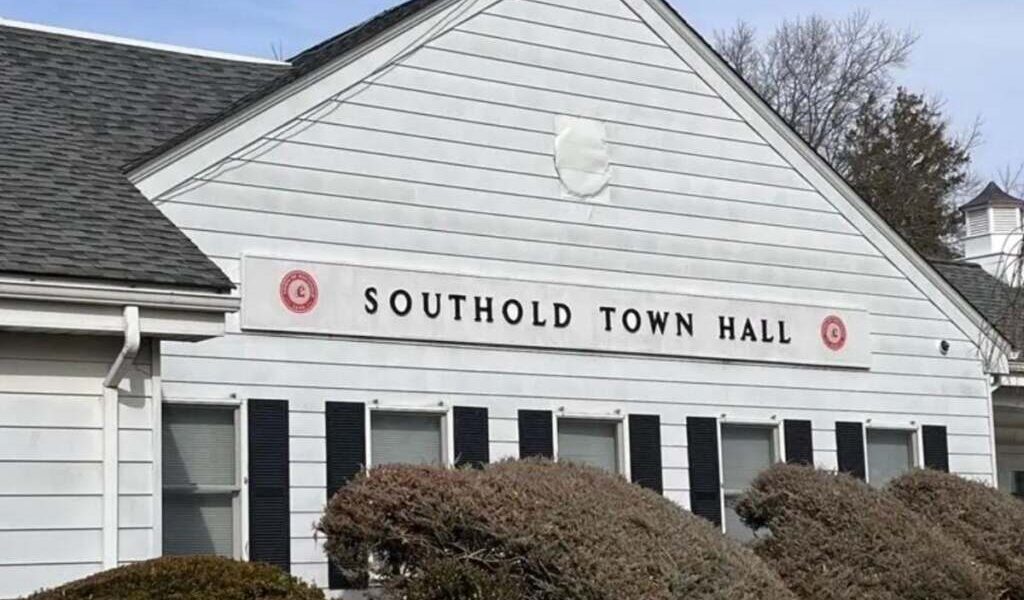
Southold Town is looking to put the brakes on the booming short-term rental market, proposing restrictions on Airbnb and other vacation rentals that could dramatically change how visitors book stays across the North Fork.
Under the proposed legislation, short-term rentals would be capped at 1% of single-family homes in each hamlet, with just 119 permits available through a random lottery. That’s a potential reduction of more than 80% from the approximately 640 active vacation rentals identified by town officials in October.
The plan aims to strike a balance between the North Fork’s tourism economy, neighborhood quality of life and an increasingly strained housing market.
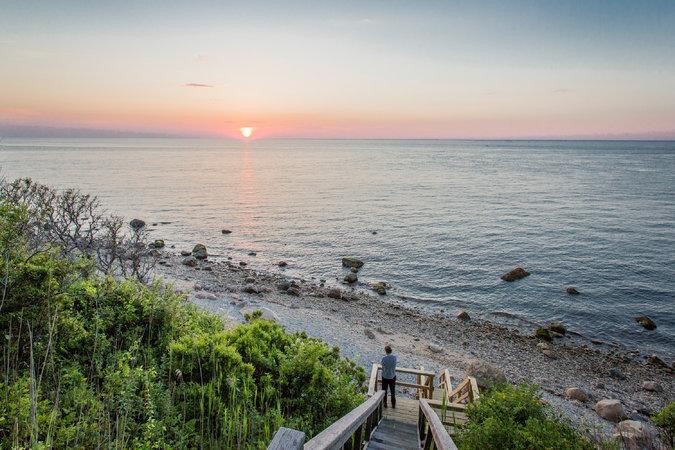
Southold has prohibited rentals of fewer than 14 nights since 2015, but officials acknowledge that enforcing the restriction has been difficult. The proposed law would redefine short-term rentals as stays of fewer than 30 consecutive days and allow a limited number of them under a new permit system.
Complaints about noise, parking, trash and a revolving door of vacationers have fueled calls for tighter oversight.
At the same time, the growth of vacation rentals has raised concerns about the availability of housing for year-round residents and workers.
The North Fork’s median home price reached a record $1.25 million in the third quarter of 2026, according to Newsday, while Southold’s median household income stands at $116,667, according to U.S. Census data.
Councilwoman Alexa Suess, who owns a jewelry studio in Greenport, supports the proposed 1% cap, recognizing the need to preserve housing for the workers who keep the North Fork’s tourism economy running.
Amanda Giuliano, a Southold business owner and co-chair of the town’s Economic Development Committee, has also expressed support for balancing tourism with the needs of year-round residents.
The challenge for Southold is clear: The North Fork needs visitors to sustain its restaurants, shops and hospitality businesses, but those businesses also need employees who can afford to live nearby.
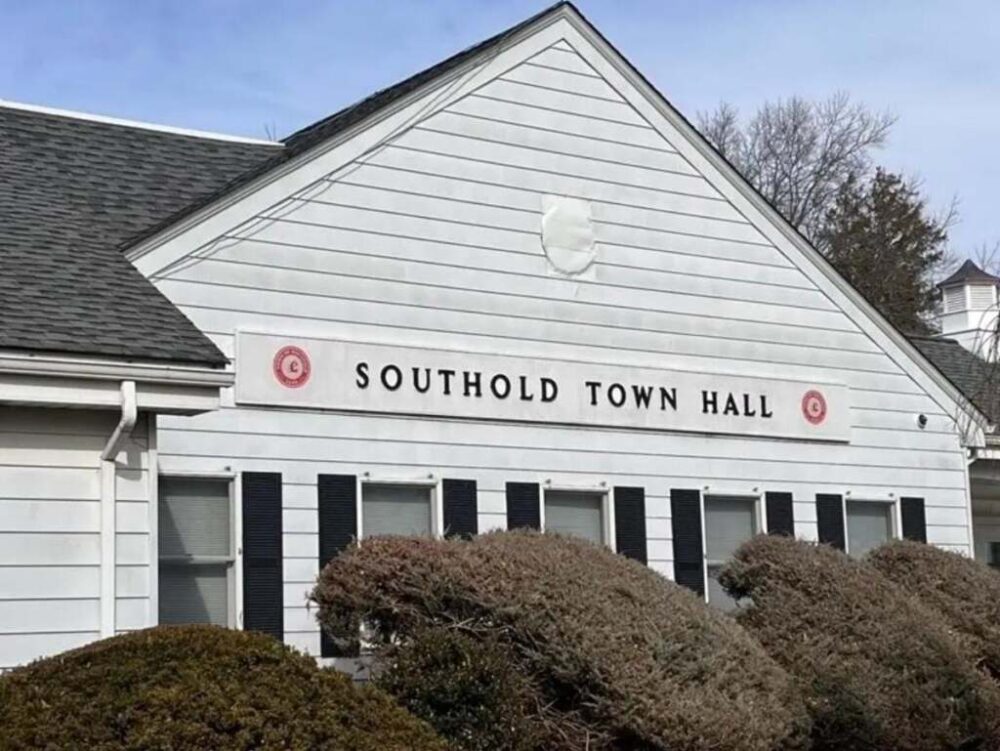
Under the draft legislation, property owners seeking a short-term rental permit would have to meet several requirements:
The proposal also calls for substantial penalties for violations, with fines ranging from $3,000 to $10,000 for a first conviction and $5,000 to $20,000 for a subsequent conviction within five years.
Fishers Island would be exempt from the proposed restrictions. The island, which is part of Southold Town but accessible by ferry from New London, Connecticut, has no hotels, and officials say enforcement there would be impractical.
Greenport Village, which adopted its own short-term rental regulations in 2025, is also outside the scope of the town’s proposed law.
The proposal is not yet law. The Southold Town Board must hold a public hearing and approve the legislation before the restrictions can take effect.
Under the proposed timetable, applications would be accepted in summer 2027, with a lottery planned for the fall. The new rental system is expected to begin in January 2028.
Southold’s proposed 2027 budget includes a new full-time code enforcement director to help oversee the regulations.
For homeowners who rely on vacation rental income, the changes could be substantial. For residents concerned about housing affordability and neighborhood disruptions, the proposal represents an effort to rein in an industry that has become a major part of the North Fork’s seasonal economy.
More information on Southold Town’s planning and zoning updates is available at https://southoldzoningupdate.com/.