Wednesday nights in the Hamptons can feel like a toss-up: stay in and keep telling… Read More →
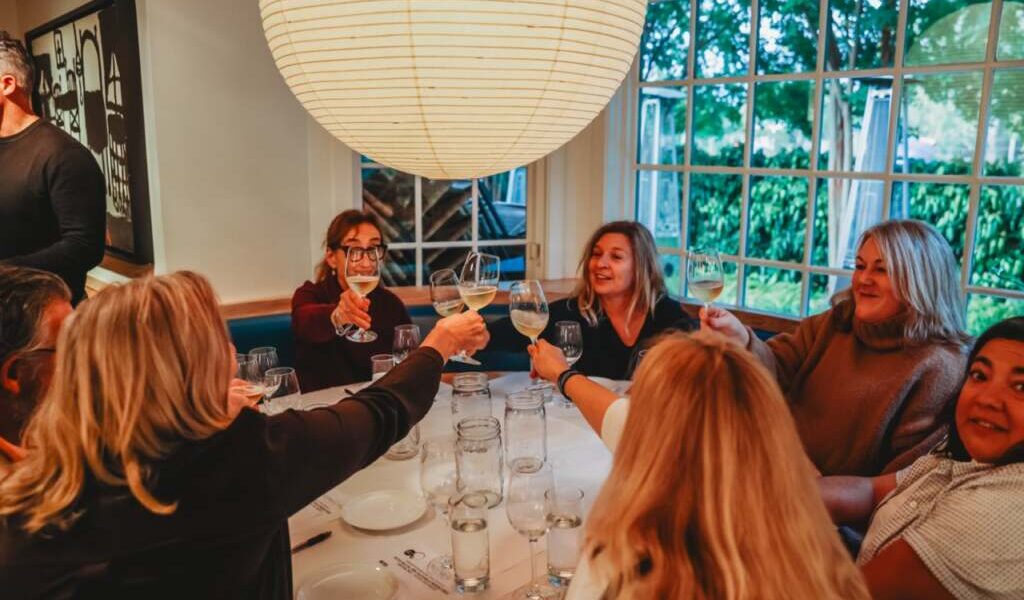


Wednesday nights in the Hamptons can feel like a toss-up: stay in and keep telling… Read More →
Big names, striking work and a major photography auction — five reasons to head into… Read More →

Amanda Seyfried, Alec Baldwin, Nina Dobrev, Trudie Styler and more hit the Hamptons for a… Read More →
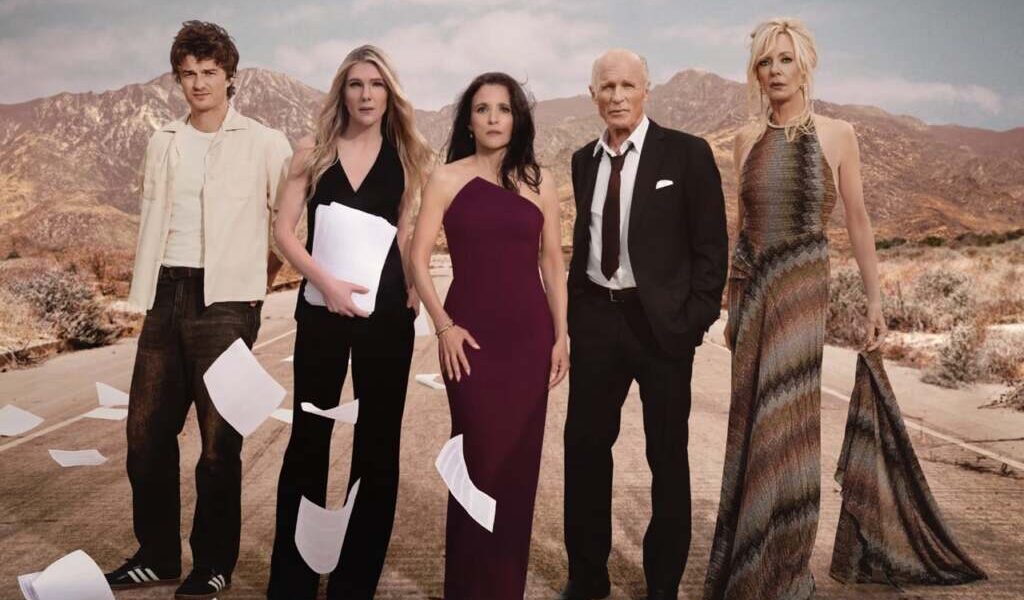
Julia Louis-Dreyfus makes her Broadway debut, Billy Crystal gets personal and Aaron Sorkin returns to… Read More →

Greenport’s Oyster Fest, a classic car show in Cutchogue, an Orient art exhibition and vineyard… Read More →

Hollywood stars, Montauk’s chowder contest, Wölffer’s Harvest Party, ARF’s Dog Walk and Judy Carmichael lead… Read More →
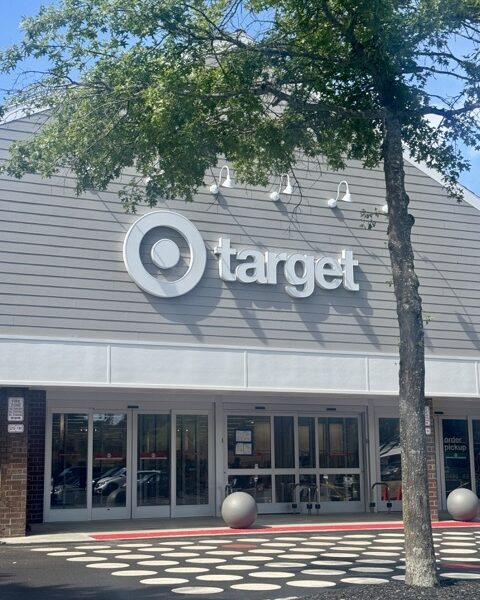
Hello, Target. Goodbye, Lidl. As both stores make news on the same Sunday, Giunta’s takeover… Read More →
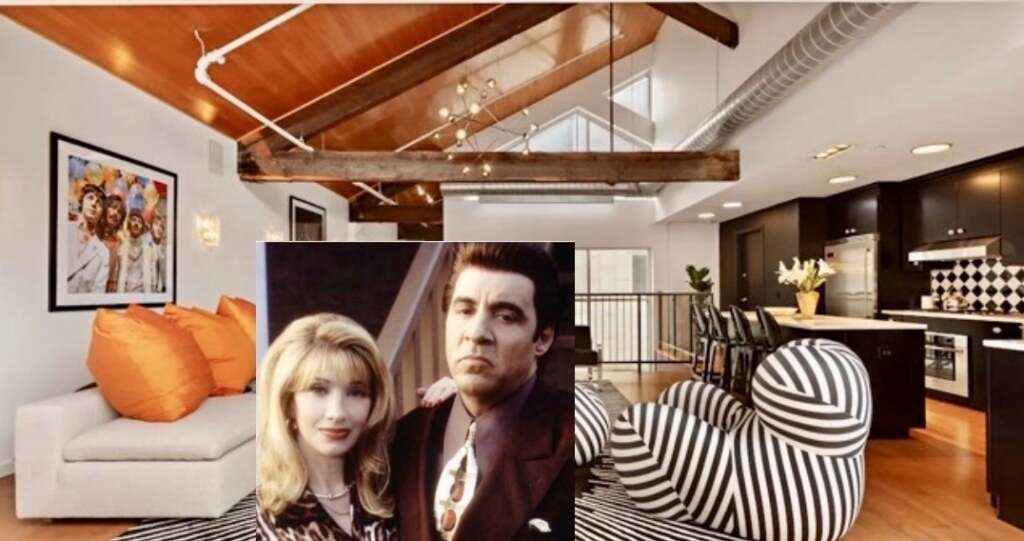
Bruce Springsteen’s E Street Band guitarist adds nearly $4 million to the asking price of… Read More →

Big premieres, Hollywood heavyweights, filmmaker conversations and a star-studded closing night highlight the Hamptons International… Read More →

A free Hamptons Observatory talk explores how Indigenous cultures in Alaska and Canada have understood… Read More →

For years, the East End stood as the ultimate prize. It’s where I planned to retire, yet I was sick of renting every summer. Land here, and you’d basically made it — maybe the kids had left home, your career was official, and now summers meant escaping Manhattan’s concrete for something breezy. The East End was always the reward after decades on the grind.
Now? The whole script is flipped.
Instead of retirees or second-act arrivals, the Hamptons are full of people in their forties — often founders, VCs, creative directors, doctors, and more — who’ve decided they’re not waiting. Why sit in traffic on the LIE every Friday when you can have your conference call at 8 a.m. from a backyard office, squeeze in a beach run before a pitch meeting, and still walk your kid to school afterward? These people aren’t “getting away from it all” — they’ve brought it all with them.
Pop into Sant Ambroeus on a random Tuesday, and you’ll find the vibe’s changed: laptops are out, Zooms are on, AirPods everywhere. Surf lessons start when morning standups end. Fitness classes fill up between contract reviews. Life is just … here now. Friday-to-Sunday is old news. It’s seven days a week, and hardly anyone’s looking back.
Sure, the pandemic supercharged things, but the truth is, the wires were already cut. Technology made offices optional years ago, and once people realized a reliable Wi-Fi signal was all that separated Southampton from SoHo, staying for the season started feeling like just the beginning.
But alright, fair question: how does a 45-year-old pull off buying a house in one of America’s priciest zip codes?
Turns out, a lot of them built their wealth without ever clocking in at a Midtown tower. They launched marketing agencies or scaled software startups, ran e-commerce brands from Brooklyn lofts, or flipped a brownstone in Ditmas Park before the numbers went nuclear. When remote work hit, their equity became an express ticket east.
Then there’s the power duo effect — the era of two exec-level incomes, both working from home, totally untethered. Suddenly, what felt impossible for their parents has become normal — even strategic. Plenty aren’t viewing their Hamptons place as just a flex. It’s an asset that’s appreciating, ready for the Airbnb surge, and doubling as their main residence.
Luxury isn’t what it was, either.
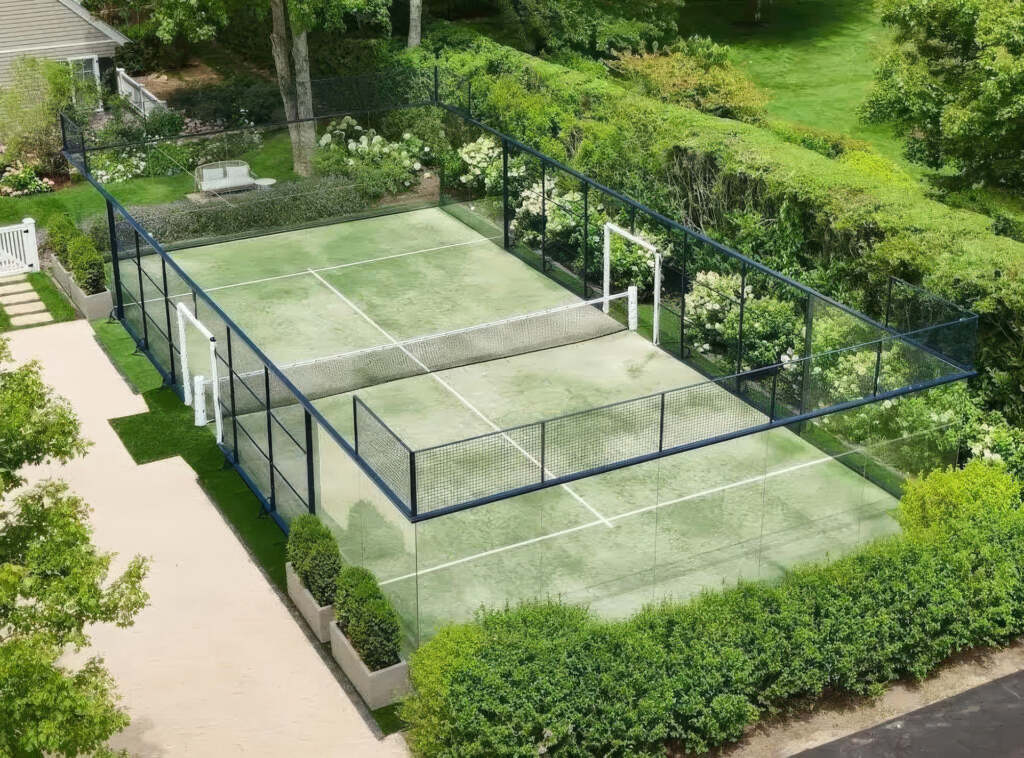
Forget formal dining rooms nobody uses. Real estate wishlists now read like spa menus: give us home gyms, wellness spaces, cold plunges, outdoor kitchens, and padel courts, please. Sure, the shingled charm stays, but how people actually live in these homes — that’s where the shift is happening.
It’s changing family life out here, too.
Younger buyers with kids aren’t waiting for their teens to graduate before moving in. Beaches, lacrosse, open sky, space to just be—a lot of families are chasing a version of childhood that’s tougher and tougher to find near the city.
When my husband and I chose to raise our son here, we wanted all the good stuff — days spent outside, in the surf, on the courts, hiking trails, just living life where family and friends are permanent fixtures. Expecting every kid to move out at eighteen just feels kind of cold these days. Why rush them? For me, it’s about continuity—building a family that lasts, growing together.
That kind of thinking feels bigger than the Hamptons. It’s about seeing homeownership as more than the prelude to retirement. It’s a place for raising kids, growing businesses, building equity — and just living better.
Social media just cranks up the energy. Real estate agents now sell lifestyles as much as listings. Builders and designers turn custom homes into Instagram stories. A digital-native generation discovers their dream address through their feeds — and then puts down roots.
So, all the old signals — the off-season deadness, the “see you next summer!” — are fading. Restaurants stay busy after Labor Day. Fitness studios, boutiques, and coffee bars are full all year. The so-called off-season? It’s its own thing now.
The Hamptons were always a symbol of success. The difference now? Success got younger and bolder.
There’s no slowdown in sight. The East End’s new crowd is building companies, raising families, reshaping real estate, and making up their own rules. No one’s waiting for the last chapter as I used to before moving here year-round in 2001.
We’re living it right now.