One family’s growing real estate footprint on Shelter Island is fueling a broader conversation about… Read More →

One family’s growing real estate footprint on Shelter Island is fueling a broader conversation about… Read More →

A new generation of entrepreneurs, young families, and remote executives isn’t waiting until retirement to… Read More →
The days of frantic bidding wars may have cooled, but the market has evolved into… Read More →

A new alliance between two luxury brokerages is connecting the East End and Vero Beach,… Read More →

The world’s fastest-growing sport is quietly reshaping luxury backyards, replacing tennis courts, silencing pickleball, and… Read More →

Award-winning journalists Ken Auletta and Maureen Dowd come together in Southampton on July 15 for… Read More →
The South Fork Natural History Museum’s signature summer benefit will celebrate conservation, environmental education and… Read More →

The SPARK Exchange: Real Talk About the Hamptons Real Estate Market With the East End’s… Read More →

Comedy stars of tomorrow take the stage July 7 with Jason Choi, Jaye McBride and… Read More →

After a one-year hiatus, Michael Rubin’s legendary White Party returned to the Hamptons with celebrity… Read More →
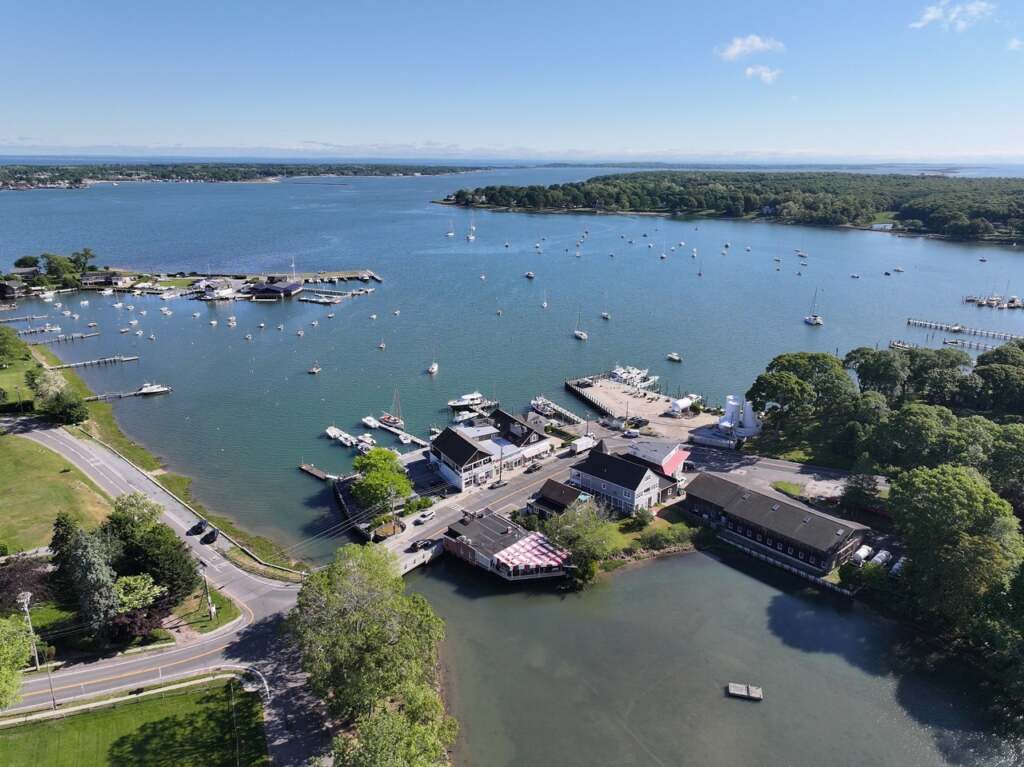
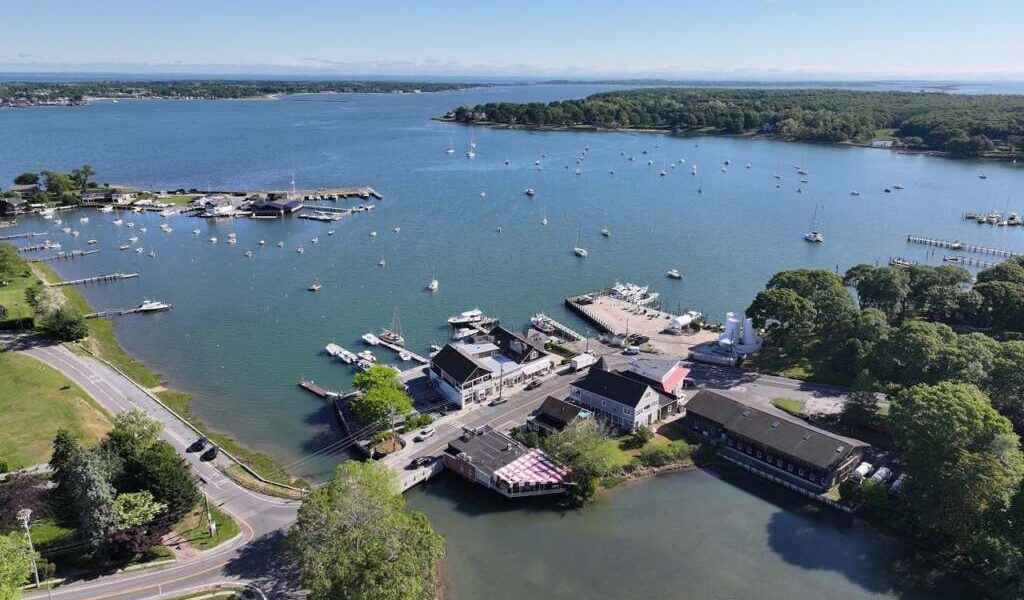
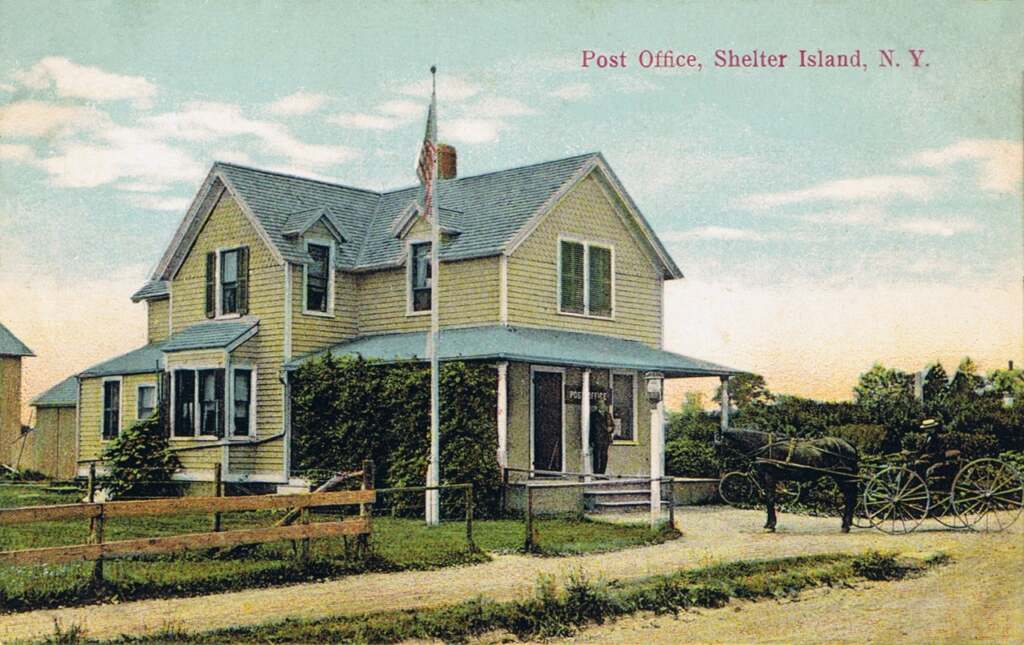
Shelter Island was always the Hamptons’ best-kept secret — a place where you caught the ferry and left the noise behind. It’s six and a half miles of sand, shingle, and old fishing tales, mostly free from the parade of influencers and the whir of new BMWs that buzz through neighboring towns. Here, summer folk and lifelong locals have shared ice cream counters, empty beaches, and an understanding: the world spins a little slower on Shelter.
Lately, though, there’s the unmistakable sense that something is shifting.

In the past ten years, George Soros — yes, that Soros — and his family have quietly snapped up close to 120 acres, mostly through limited liability companies and whispered transactions. They now own enough island to make them one of the biggest private landholders around. Water views? Check. Empty fields, future mansions, and a patchwork of modest homes? All of it, neatly bundled.
Big real estate deals don’t shock anyone in the Hamptons. But on an island this small, word travels. The old jokes about “so-and-so knowing whose truck is parked by the ferry” suddenly feel loaded, as locals ask what it means when one family owns such a large chunk of the place.
Of course, Shelter Island isn’t Montauk. It’s not lined with designer boutiques or swarmed by party buses. It’s a patchwork of old-time delis, laid-back beaches, and businesses where the barista — a real one — knows not just your coffee order but your uncle’s preferred type of bait. People have always been drawn here because the island seemed immune to the relentless development pushing eastward.
But now the idea of a quiet paradise is up for debate. You get guest retreats, smart gates, pools the size of community centers, and a staff to keep it all humming. With all the bells and whistles comes construction, extra service vehicles, and a ton of change — more noise, more fences, less old Shelter.
It’s not just a Soros story, either. Across the Hamptons, the moneyed set are buying not one parcel, but three or four. Stitching together private slices of heaven lets them protect their view, dodge new neighbors, and build the kinds of compounds that would make Gatsby blush.
Ask any family that’s lived here for decades, and you’ll hear nervousness mixed with resignation. When so much land ends up in so few hands, what’s left for the local bartender, or the teacher, or any future generation that wasn’t born with a trust fund? Is the small-town magic gone for good, or just hiding? We need to tread lightly here.
What’s unfolding on Shelter is really a microcosm of the East End. Real estate today feels less like buying a summer spot and more like curating an art collection. Land is a legacy, an asset, an inheritance you can rent to your friends — with a side of conservation credit.
Meanwhile, the community faces a weird balancing act. No one wants to turn away investment, but at what point does the island lose what made it desirable in the first place? How do you keep Shelter, well, Shelter?
Keep in mind, all the opulence and hush-hush dealmaking miss the point if you ask longtime islanders. The true luxury here was never just the western sunset or another acre of manicured grass. It was walking into the grocery store and seeing faces you knew, hearing the ferry horn at night, and feeling a bit like the world had forgotten—and that was the best part.
Who owns Shelter Island tomorrow is anybody’s guess. But the choices residents and newcomers make now shape whether the legend of the island as a slow, friendly, and defiantly low-key outlier sticks around or becomes just another story about what once was.