Today’s interiors aren’t just about beauty and function — they’re about responsibility. More designers are embracing sustainability, creating spaces that look stunning, work seamlessly, and respect the environment. Sustainable interior design focuses on minimizing waste, conserving energy, and choosing materials and systems that are both stylish and earth-friendly.
From reclaimed wood floors to smart lighting systems, sustainability has become more than a trend — it’s a movement. Here’s how designers are reimagining interiors with the planet in mind.
Choosing Materials That Matter
Materials define a room, but they also define its environmental footprint. Designers now look for options that are durable, responsibly sourced, and non-toxic.
-
Reclaimed wood brings warmth and rustic character without cutting down new trees.
-
Bamboo grows quickly and renewably, making it ideal for floors and furniture.
-
Recycled glass and metal add modern flair while diverting waste from landfills.
-
Low-VOC paints and finishes keep indoor air fresh and free of harmful chemicals.
The bonus? These choices not only protect the planet but also make homes healthier for the people living in them.
Harnessing Light and Energy
Green design goes beyond materials — it also reimagines how spaces use energy.
-
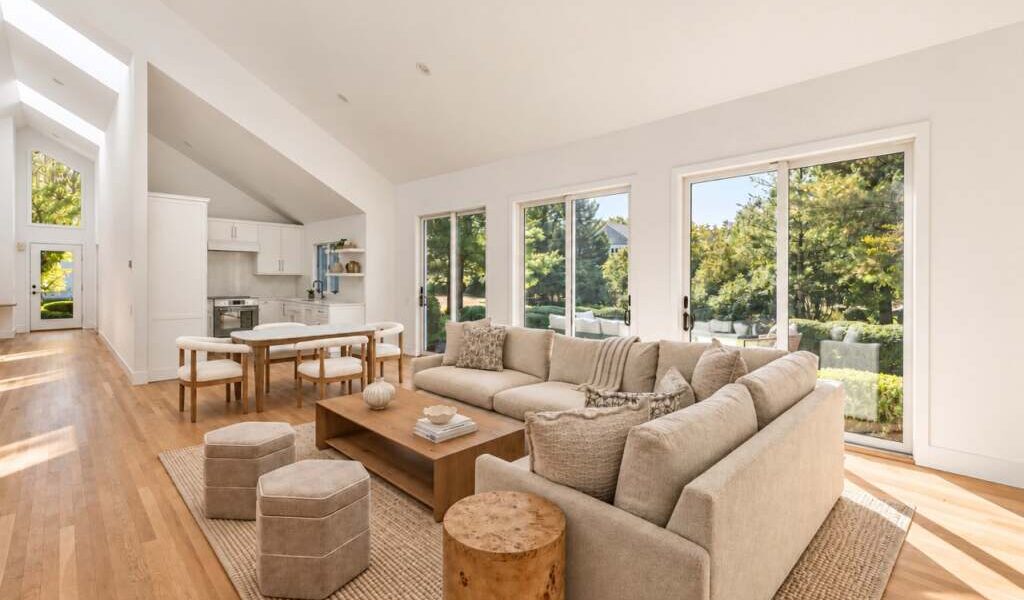
Large windows and skylights flood rooms with daylight.
-
Mirrors amplify brightness naturally.
-
LED lighting lasts longer and consumes less power.
-
Solar panels make renewable energy a part of everyday life.
Together, these elements lower utility bills and shrink a home’s carbon footprint.
Breathing Easy Indoors
Sustainability also means designing for health. Indoor air quality is now a top priority.
-
Houseplants naturally filter toxins.
-
Eco-friendly flooring like cork and bamboo emits fewer chemicals.
-
Ventilation systems help clear allergens and pollutants.
A clean, breathable home supports overall well-being as much as it supports the environment.
Giving Old Pieces New Life
Sustainable interiors don’t always mean buying new. Upcycling and recycling extend the life of existing materials while adding charm and individuality.
-
Refurbished furniture can be painted, reupholstered, or repurposed.
-
Vintage finds reduce waste and bring unique character.
-
DIY décor transforms salvaged wood, glass, or metal into conversation pieces.
Every repurposed item tells a story — and prevents waste from ending up in landfills.
Built to Last
The greenest room is one that doesn’t need constant updating. Designers are steering away from fast-changing trends and investing in timeless choices.
-
Neutral, enduring color schemes that don’t date quickly.
-
High-quality materials built for decades of use.
-
Adaptable floor plans that can shift as families grow.
Durability means fewer renovations, less waste, and more value over time.
Bringing the Outdoors In
Humans thrive in nature, and biophilic design makes sure we feel that connection even indoors.
-
Living green walls purify air and add natural beauty.
-
Natural textures like stone, rattan, and wood bring warmth.
-
Water features infuse calm and tranquility.
These elements reduce stress, spark creativity, and make spaces feel alive.
Smart Technology, Smarter Living
Technology is now an ally of sustainability. Integrated smart systems maximize comfort while minimizing waste.
-
Motion-sensing lights ensure electricity is never wasted.
-
Smart thermostats optimize heating and cooling.
-
Low-flow fixtures conserve water without sacrificing comfort.
Smart homes make green living effortless.
Local First
Designers are also rethinking sourcing. Locally made materials reduce shipping emissions, support artisans, and preserve heritage.
-
Handcrafted furniture celebrates craftsmanship and cultural traditions.
-
Local stone and wood keep supply chains short and sustainable.
-
Nature-friendly finishes ensure safety for families and ecosystems alike.
Choosing local means investing in both community and the planet.
Pitfalls to Avoid
Even good intentions can miss the mark. Designers caution against:
-
Choosing short-lived trends over timeless functionality.
-
Assuming all “eco-friendly” products are truly sustainable without tracing their source.
-
Overusing recycled pieces to the point of creating clutter.
-
Forgetting maintenance and comfort in pursuit of sustainability.
Balanced, thoughtful design ensures a space that is both livable and lasting.
A New Standard for Interiors
Sustainable design is no longer a niche idea — it’s becoming the standard. By choosing renewable materials, maximizing efficiency, and designing with longevity in mind, interiors can be both beautiful and kind to the earth.
In the end, sustainable interiors aren’t just about protecting the planet. They’re about creating spaces that nurture health, comfort, and joy — proving that the most stylish rooms are those that last.