Hamptons home prices fall as North Fork prices hit record highs. Real estate analyst Jonathan… Read More →

Hamptons home prices fall as North Fork prices hit record highs. Real estate analyst Jonathan… Read More →
The New York Times bestselling author celebrated the release of “Your GLP-1 Game Plan,” a… Read More →

Greenport’s Oyster Fest, a classic car show in Cutchogue, an Orient art exhibition and vineyard… Read More →

Wednesday nights in the Hamptons can feel like a toss-up: stay in and keep telling… Read More →
Big names, striking work and a major photography auction — five reasons to head into… Read More →

Amanda Seyfried, Alec Baldwin, Nina Dobrev, Trudie Styler and more hit the Hamptons for a… Read More →
Julia Louis-Dreyfus makes her Broadway debut, Billy Crystal gets personal and Aaron Sorkin returns to… Read More →

Hollywood stars, Montauk’s chowder contest, Wölffer’s Harvest Party, ARF’s Dog Walk and Judy Carmichael lead… Read More →

Hello, Target. Goodbye, Lidl. As both stores make news on the same Sunday, Giunta’s takeover… Read More →

Bruce Springsteen’s E Street Band guitarist adds nearly $4 million to the asking price of… Read More →
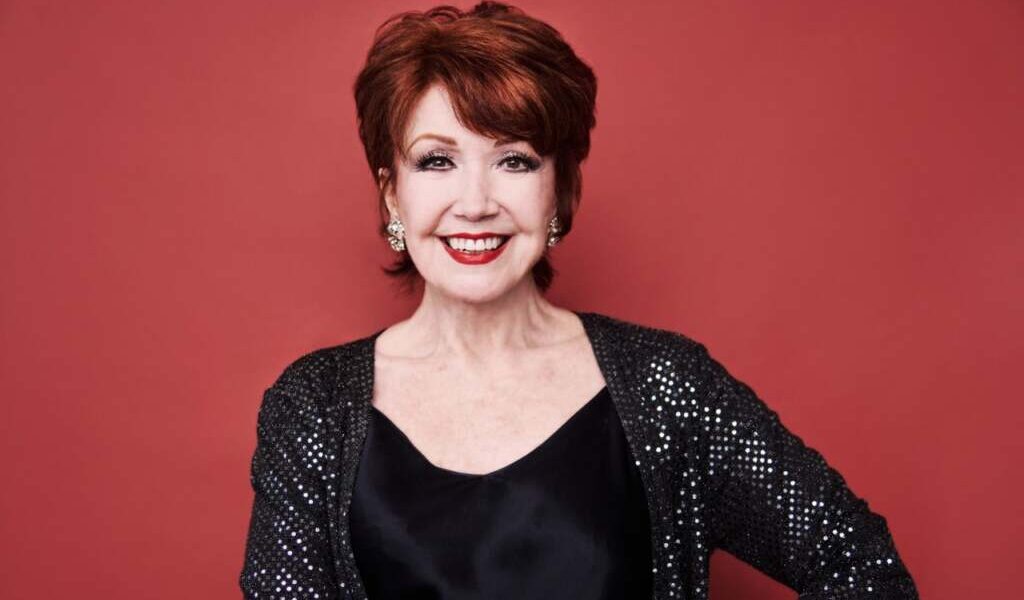
Broadway royalty is headed to the Hamptons.
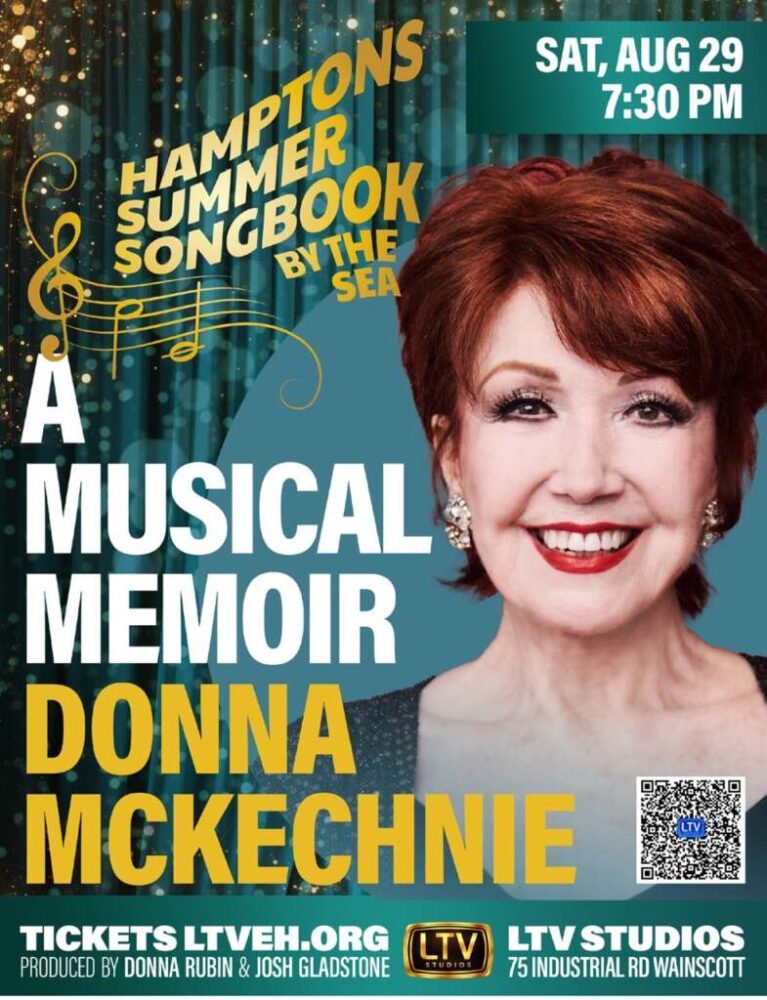
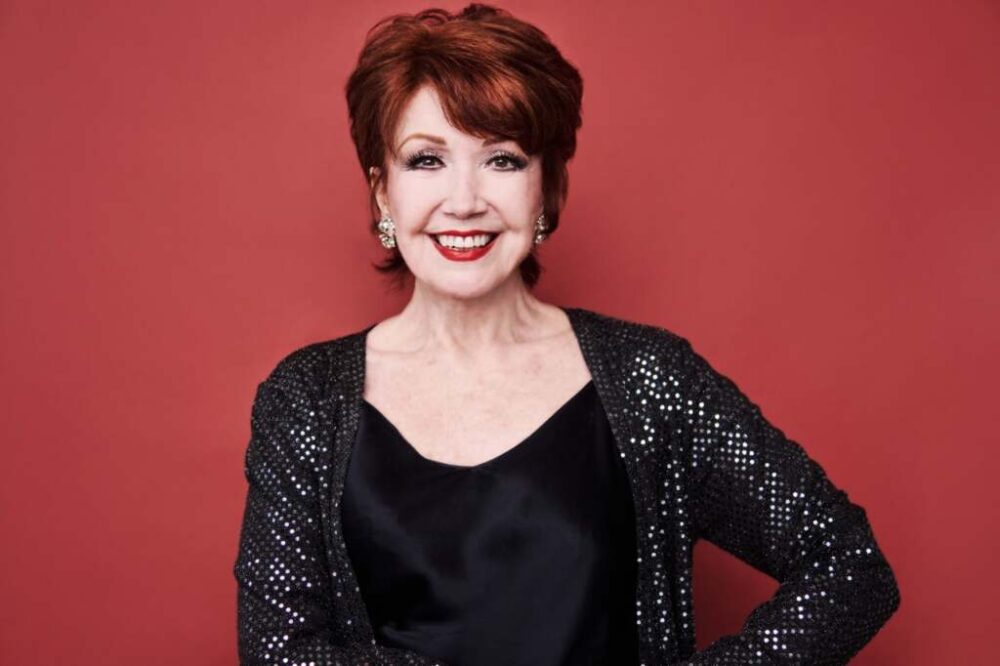
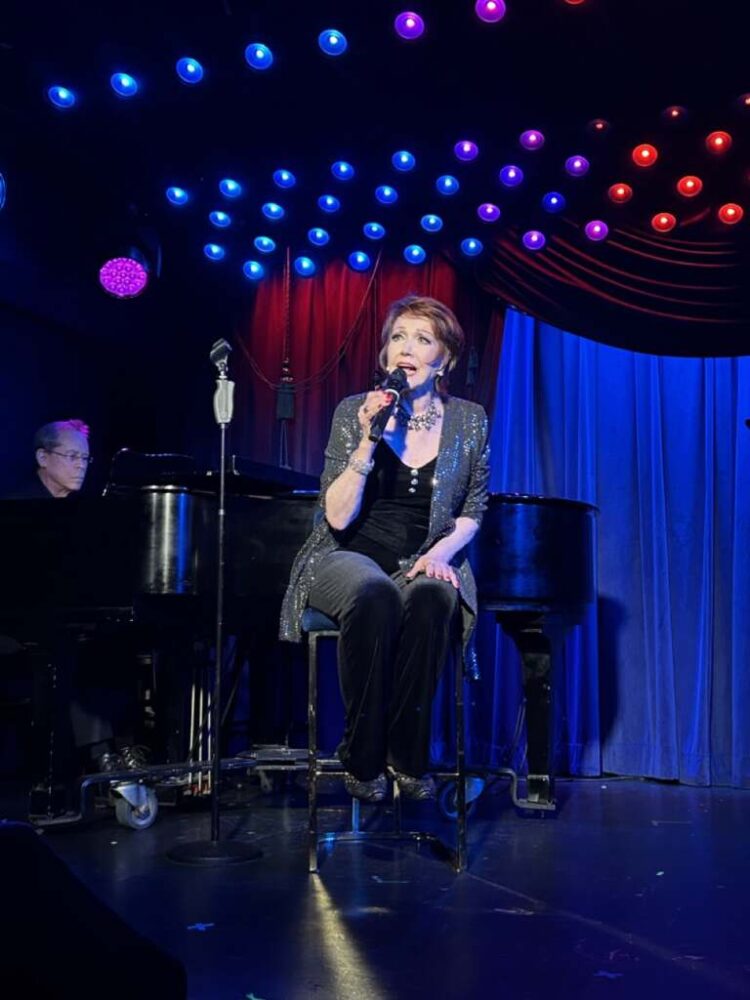
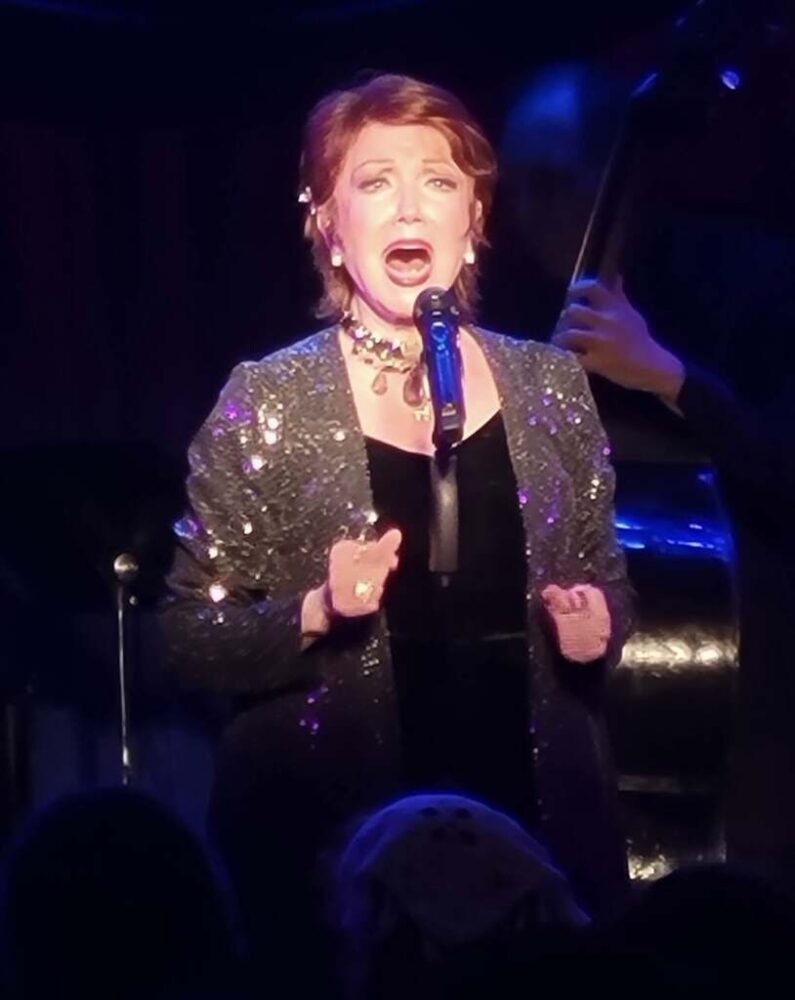
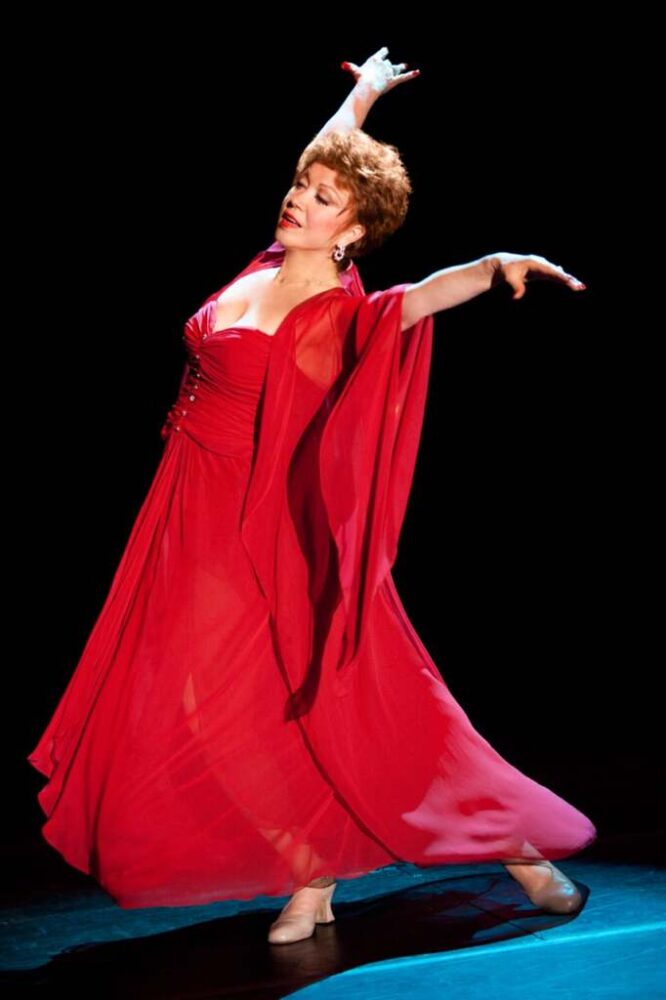
Donna McKechnie, the Tony Award-winning triple threat who originated the role of Cassie in A Chorus Line, takes the stage at LTV Studios in Wainscott on Saturday, Aug. 29, with A Musical Memoir, the season finale of the 2026 Hamptons Summer Songbook by the Sea series.
The intimate show brings together songs and stories from an extraordinary life in the theater.
McKechnie danced, sang and acted her way through some of Broadway’s defining productions, working with Stephen Sondheim, Bob Fosse, Gwen Verdon, Michael Bennett and Marvin Hamlisch, among others.
Then there is Cassie — the veteran dancer who returns to audition for the chorus after a failed attempt at Hollywood stardom.
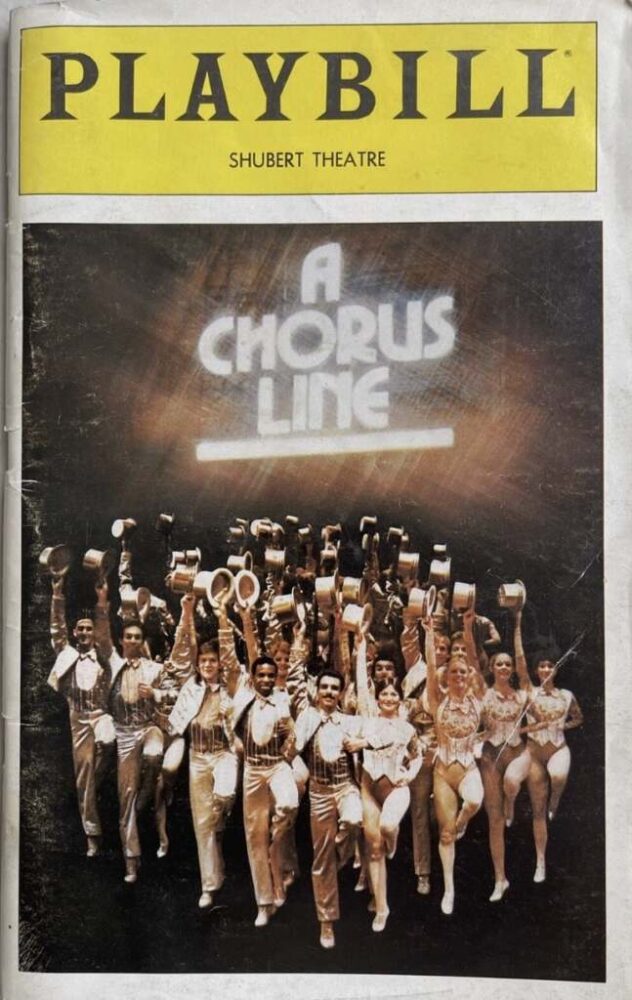
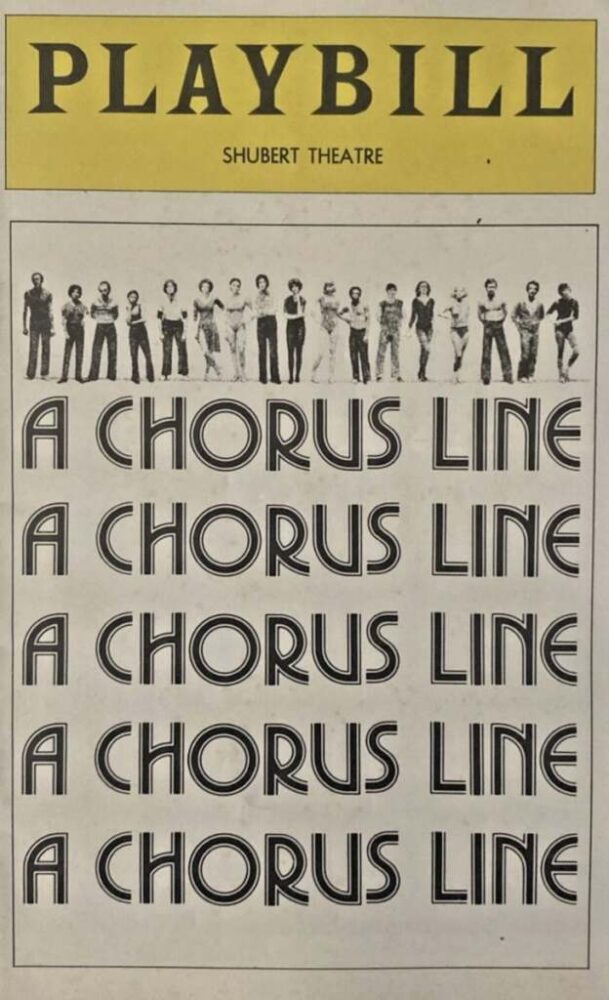
McKechnie originated the role in Bennett’s groundbreaking 1975 musical A Chorus Line, delivering the showstopping “The Music and the Mirror” and winning the 1976 Tony Award for best actress in a musical. In 2019, she was inducted into the Theater Hall of Fame.
Ahead of her East Hampton performance, the season finale of the 2026 Hamptons Summer Songbook by the Sea series, Spark Hamptons caught up with McKechnie for a behind-the-curtain look at A Musical Memoir — the stories she’ll share, some of the songs she’ll sing and what audiences can expect Saturday night.
SPARK HAMPTONS: What inspired A Musical Memoir?
DONNA McKECHNIE: I designed it for the Laurie Beechman Theatre, where I have a standing residency. I love putting my cabaret shows together. My last one was all Sondheim, and I took it around the country.
This one was inspired by the 50th anniversary of A Chorus Line at the Shubert Theatre. It was quite an occasion. I never reflect on things while I’m working. I’m always looking ahead to the next thing, the job after that. I don’t live in the past.
But there I was, standing on the Shubert stage 50 years later, in the same spot, doing a scene. And I thought, “This is really profound. When does this ever happen?”
I couldn’t help but think about all the different things that had happened in that theater and throughout my career. That became the narrative for this show. I pay homage to all these people I’ve worked with and tell the personal side and the professional side. It’s fun and light and breezy.
What can audiences expect to hear?
The show covers about 65 years. It’s cabaret, but it’s theater cabaret. The story is about a young girl from the Midwest who runs away to New York to become a dancer on Broadway. That’s the story.
I start at the beginning and recreate the New York I saw in 1959 — what I saw, what I played, where I went, the singers I listened to.
I open with “Everything’s Coming Up Roses” because there’s nothing more show business than that, and then I do “A Lot of Livin’ to Do.” That brings me into the story of coming to New York, asking my parents if I could go, them saying no — and running away.
I do “Being Alive” from Company and pay homage to Dean Jones, who was my first Bobby. There’s “I Got Lost in His Arms” from Annie Get Your Gun and “One for My Baby,” where I talk about some personal things.
I also do “At the Ballet” from A Chorus Line. That song was based, in part, on some of my childhood memories, so we’ve recreated it with my personal story.
And I talk about working with Bob Fosse on his last production, the national tour of Sweet Charity, and Gwen Verdon teaching me the role. There’s also “Send in the Clowns.” I played Desirée in A Little Night Music in regional theater, and that was a wonderful experience.
Every song has a reason for being there. It takes you through the story.
You mentioned running away to New York. How did that actually happen?
I grew up in the suburbs of Detroit. I was this sweet little ballet girl, and my parents were very protective of me.
A New York company came through Detroit, and I went to see what the audition looked like. I wasn’t even going to audition. Someone said, “Here are some dance clothes,” and I ended up being the only one picked. I got my Equity card when I was 15 or 16.
A few months later, the director called me about going on tour. I asked my parents, and they said no. To me, with all that teenage angst, it felt like a life-or-death situation. I thought this was my only chance to do something with my life.
So I planned my escape. A friend drove me to New York, and I called someone I knew in the company and said, “I’m in New York. Can I stay with you?” She told me to come over immediately — and then called my father.
Eventually, my parents let me take the job. That changed my life.
I was fueled by that desire. I knew I had to show them I could work. I danced at Radio City, worked very hard and eventually got my first Broadway show, How to Succeed in Business Without Really Trying. Then they were able to breathe a little.
When you were creating A Chorus Line, did you have any sense that it could become what it became?
Everybody believed in Michael Bennett. He could be incredibly creative and artistic, but he also knew how to be commercially successful. He could do that juggling act.
This was very important to him. He wanted it to be his own expression, and people believed in him so much — Marvin Hamlisch, Ed Kleban, Joe Papp. Everybody supported him.
The first workshop was not successful. It was really bad. Marvin quit three times, and Michael had to keep bringing him back.
Then, during the second workshop, I heard “At the Ballet” for the first time and thought, “This is going to be so good.” It was gorgeous. It perfectly described a dancer’s feelings and motivation.
But even Michael had no idea how far-reaching it would become or that it would speak to people for so many years and generations.
Why do you think A Chorus Line still connects with people 50 years later?
It’s timeless because it’s about the human condition — growing up, being a teenager, having a dream. It’s not just about dancing.
Being “on the line” is a metaphor.
I would get letters from football players who talked about being on the line on the field, or doctors who had retired and wanted to start another career. My character always represented a second chance.
And it goes back to those beginnings when you had a dream, those childhood dreams that kept you going. Everybody can relate to that.
You worked with an extraordinary group of people — Sondheim, Fosse, Bennett, Hamlisch, Gwen Verdon. What did you learn from being around them?
It was all about the work.
Whether you were Stephen Sondheim, Marvin Hamlisch, Michael Bennett, Joe Papp — everybody had that passion for the work. And the work wasn’t always perfect. Sometimes it wasn’t good. Sometimes it could be really bad.
But to be in the room where it happens with so many great people was like going to university every time I did a show.
The lesson was: Never give up on yourself. Keep working. That is finally the great satisfaction — when you set out to do something and you achieve it.
All the other stuff is outside noise. Everybody likes awards. Everybody likes to be applauded. But that’s not the most important thing. — Donna McKechnie
That’s what I gathered over time from working with all of these people: They really cared about their work.
I learned so many lessons just by being around them. You don’t have enough time in life to learn or do everything yourself, but you can learn from the people around you.
I saw people I had put on a pedestal go back to the drawing board. It doesn’t all come out perfectly.
You also had the chance to work with some of the performers you had idolized growing up. What was that like?
Gwen Verdon and Chita Rivera were my icons, my beacons, especially for the dancing roles. To go from seeing the shows they created to actually being with them and working with them — I never took that for granted. Ever.
And every dancer loved Fred Astaire. His dancing was perfection. He worked so hard on all of his numbers.
I had grown up watching these great performers in movies, and suddenly, through A Chorus Line, there I was meeting them. Years later, I worked with Leslie Caron. I had been that little girl looking at her on the screen and being inspired by her, and now I was working with her.
Your own career has had difficult chapters as well as extraordinary highs. What did you take away from coming through those experiences?
That’s one of the reasons I wrote my book (Time Steps: My Musical Comedy Life). I thought there was so much in my experience that could be inspiring. You can go through something like that at the top of your game, and then you crash and burn and you’re told you may never walk again.
And then I came out the other side. Ten years later, I opened at the Shubert again in the same role. Oh, my God. That was such a personal victory.
But the story is bigger than me. I thought, I have to write this someday. Maybe it can inspire people.
We’re told so many things about ourselves and about our destiny. You don’t have to give your power away. Even if you’re frightened, don’t let people tell you what your destiny is.
Don’t abandon yourself. — Donna McKechnie

You teach and mentor performers now as well. What do you try to pass along to them?
I teach all the time. I teach at the Manhattan School of Music, and a few months ago I received an honorary doctorate, which I never expected. I didn’t even graduate from high school.
Every show I did was like going to a university class. All of that has to count for something, and it’s wonderful to be able to pass it on.
I go back to the text. The play is the thing.
Every great director asks: What is the story about? What is this scene about? As an actor, you can make so many different choices, but go back to that one sentence: What is this scene or this song about? What is it about to you? How do you personalize it?
Then you use your imagination.
What do you love about the Hamptons?
The food is good. It’s a beautiful place, and I love the farms. I’ve been out to visit friends, and it’s a delightful way to live in nature.
I’ve spent more time in Sag Harbor. I love the American Hotel — it’s a classic, one of the best places ever — and I love the theater there. It’s gorgeous. I can see why everybody goes.
And how are you feeling about bringing A Musical Memoir to the Hamptons?
I’m really excited. I really love this show. I did it because I was inspired by the gift that keeps giving, A Chorus Line, and it’s one of my favorite things I’ve ever done.
I have fun with it. People laugh in all the right places, and I’m really excited to bring it there, see some old friends and meet some new friends.
We’re also going through a difficult time, and any time I can rise above it all and entertain people, I think people need that. They need the music, the stories, the inspiration.
I feel like it’s a real gift and an honor to be able to do it.