The newly built Fort Pond Bay estate, designed by Piero Lissoni and listed by Douglas… Read More →


The newly built Fort Pond Bay estate, designed by Piero Lissoni and listed by Douglas… Read More →

The 23rd annual festival brings films exploring migration, belonging and resilience to Southampton, Sag Harbor… Read More →

Democratic nominee says he won’t be “shamed into silence” as years-old photos become the latest… Read More →

The discount grocer is leaving Westhampton Beach — and there’s already a plan for what… Read More →
East Hampton brokers Julie Pinkwater and Will Metzger make the brokerage move with $160 million… Read More →

From prix fixe dinners and $25 burger-and-beer nights to bottomless mussels, lobster specials and happy… Read More →

A high end Hamptons store, a high maintenance family, and the clutch decision that revealed… Read More →

The best fall festivals, fairs, film, food, music and harvest events across the Hamptons and… Read More →

Feline panleukopenia can be fatal, particularly for kittens and unvaccinated cats, and even indoor cats… Read More →

Olivia Colman, Alexander Skarsgård, Amanda Seyfried, John Turturro, Jesse Eisenberg and Ron Howard are among… Read More →
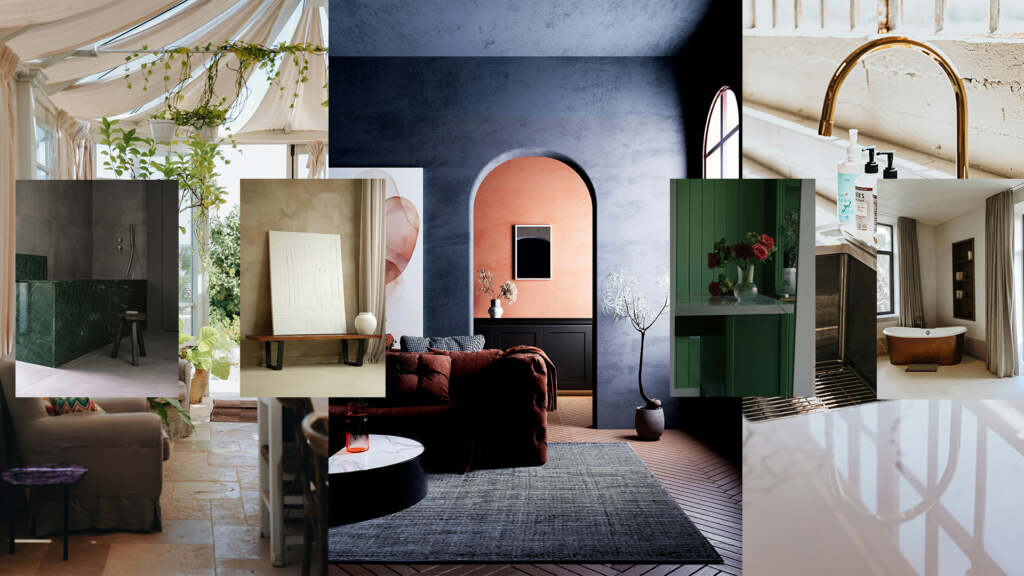
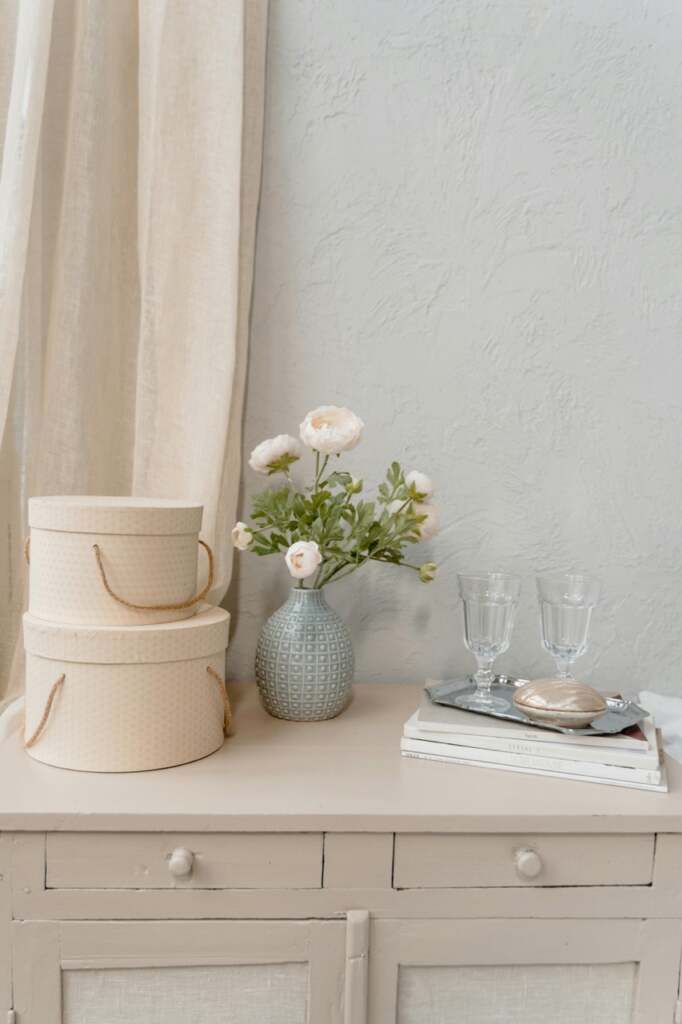
In 2026, homes are all about warmth, character, and showing off your personality, a big change from the super-clean, gallery-like styles we’ve seen for years.
American homes are changing a lot. Remember when everything was super simple and white? Well, things are swinging the other way now. The houses that stand out are full of color and made with stuff that has its own history and imperfections.
But it’s not just about piling up a bunch of stuff. It’s more about moving away from the boring, perfect looks that used to be all over social media. Now, it’s about having heart, using interesting textures, and appreciating things made by hand.
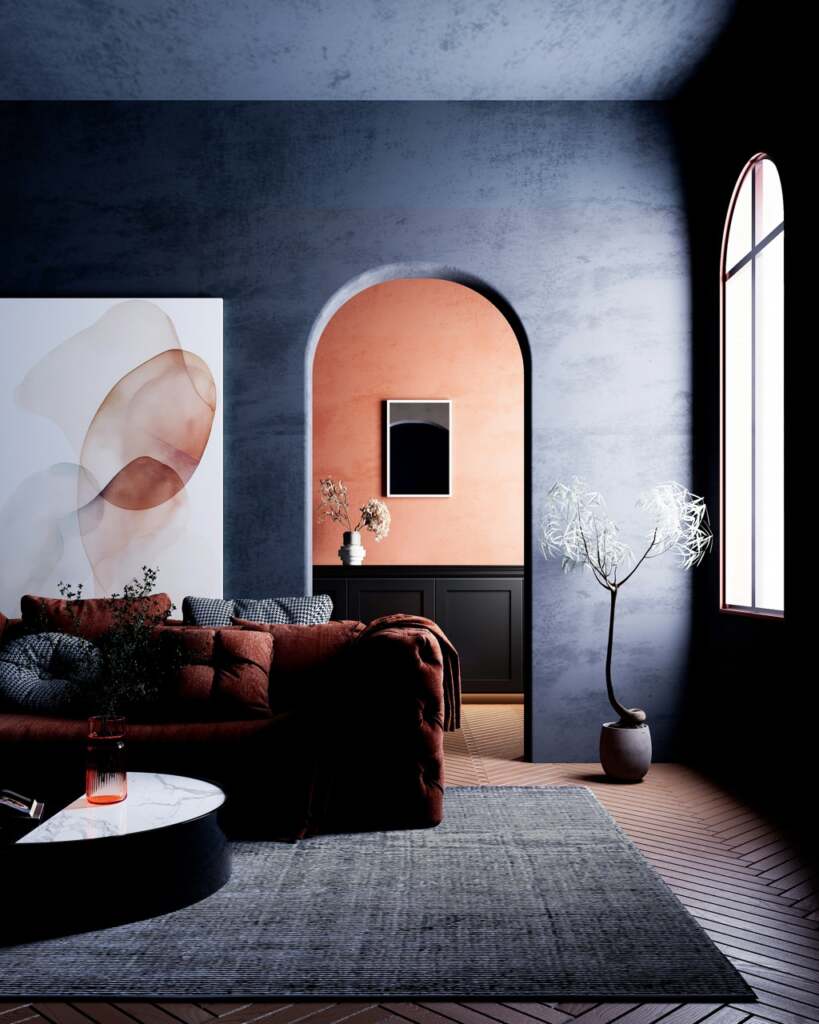
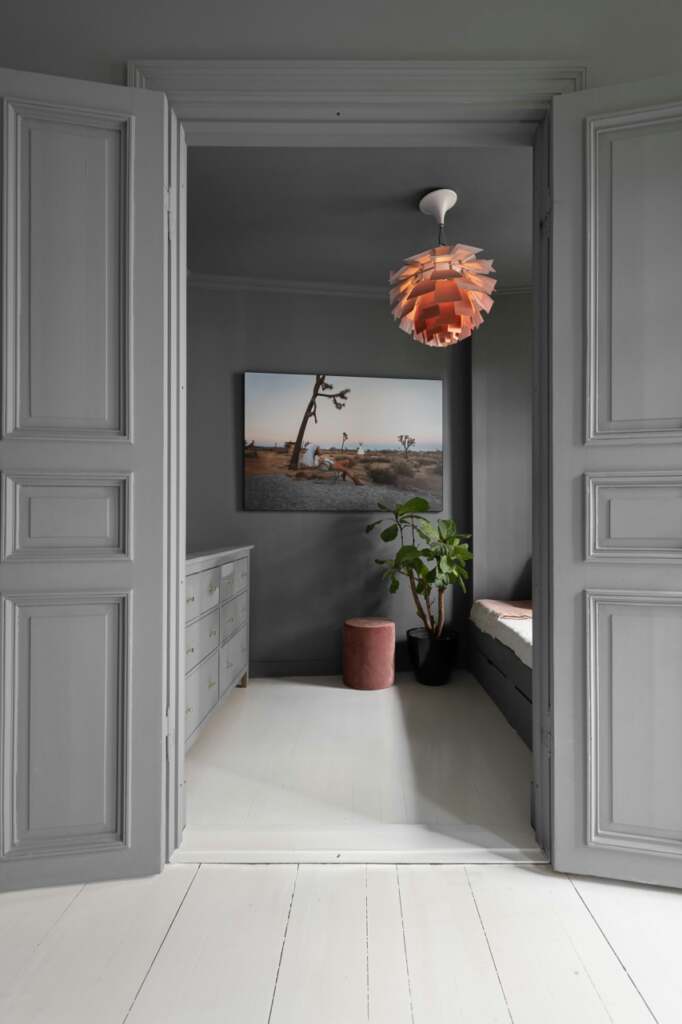
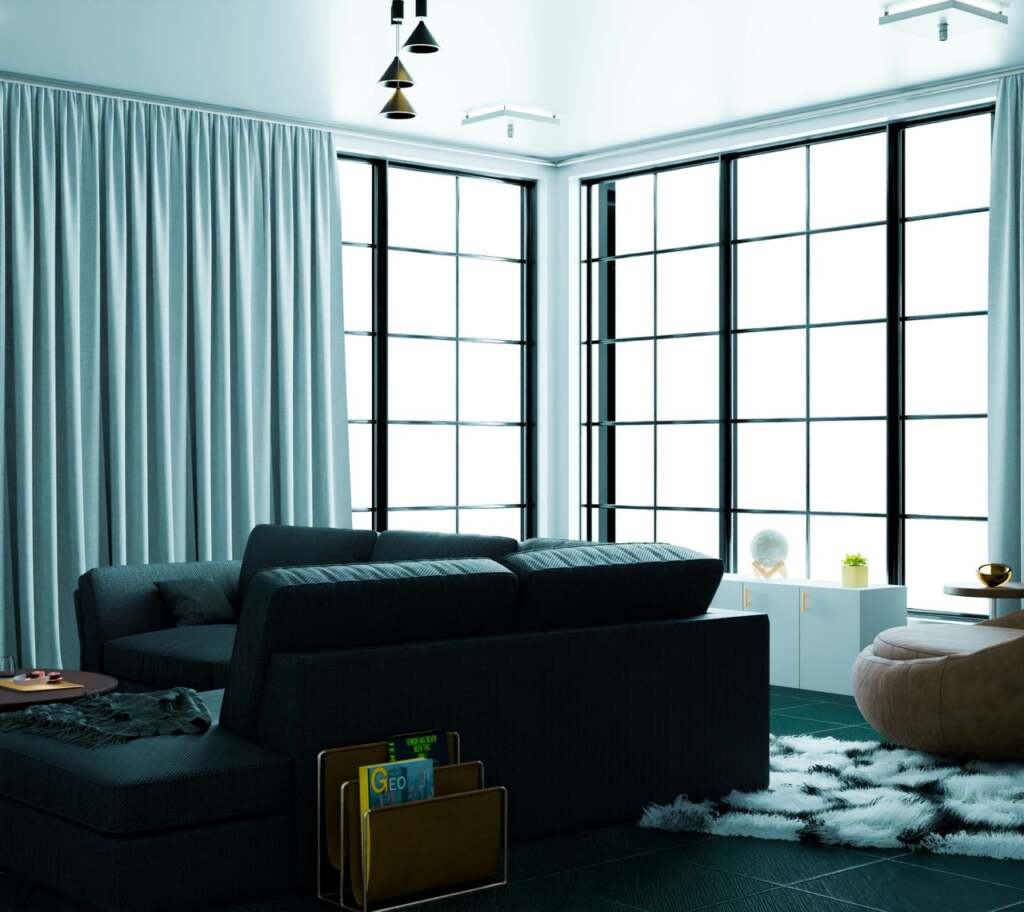
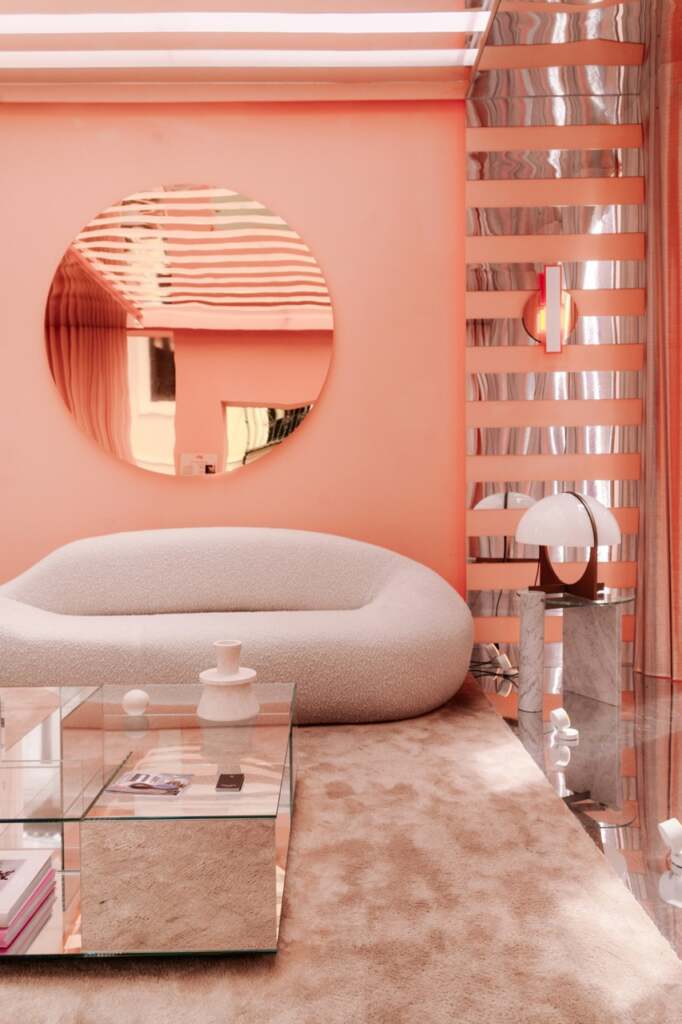
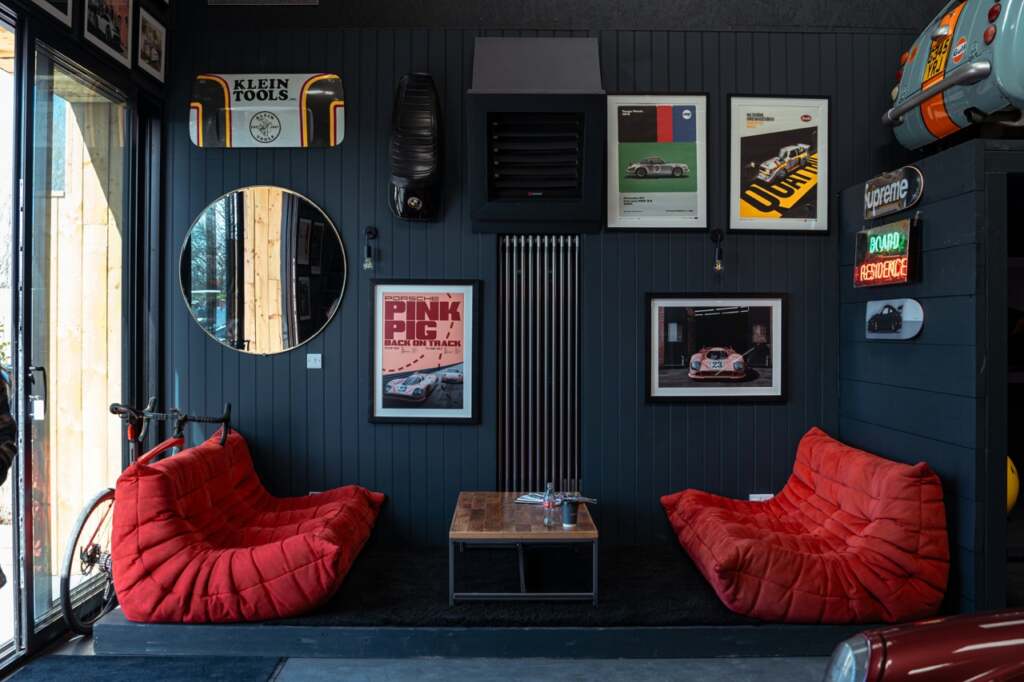
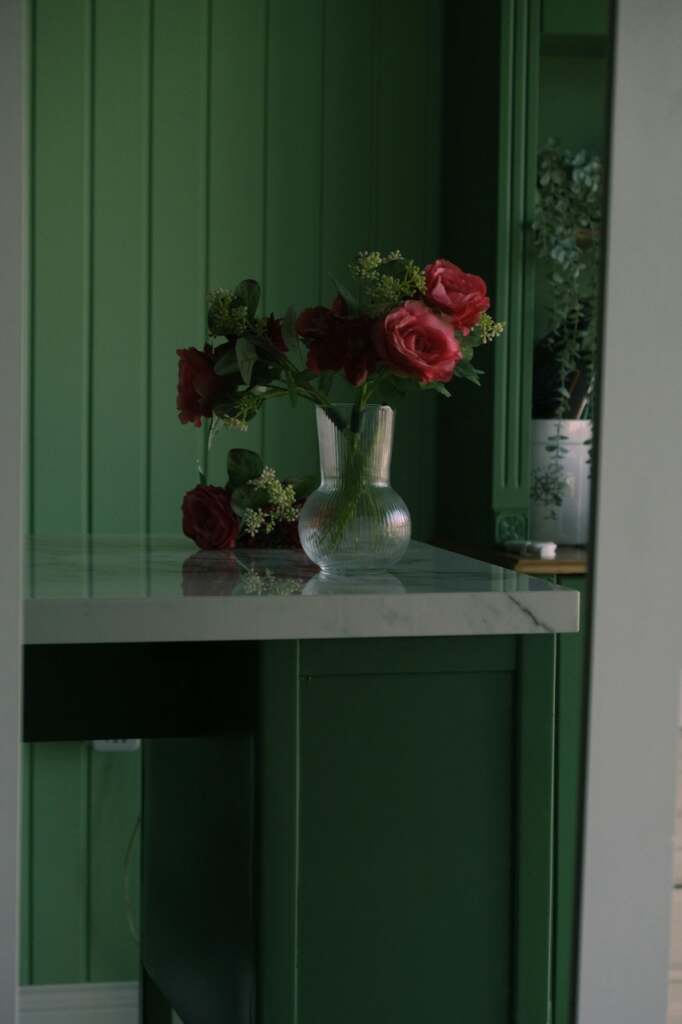
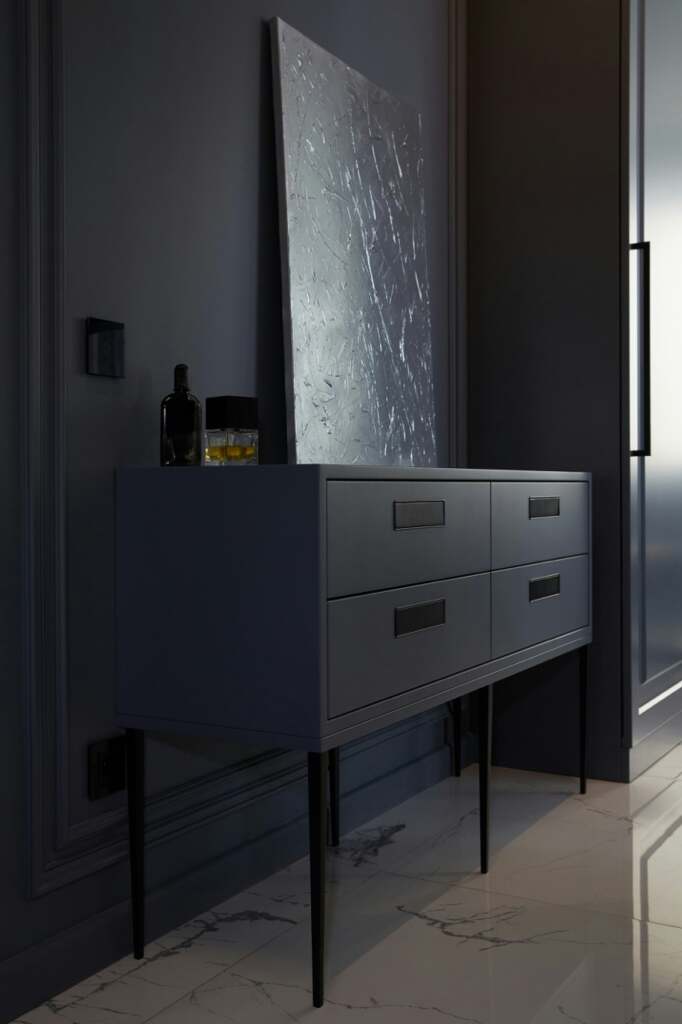
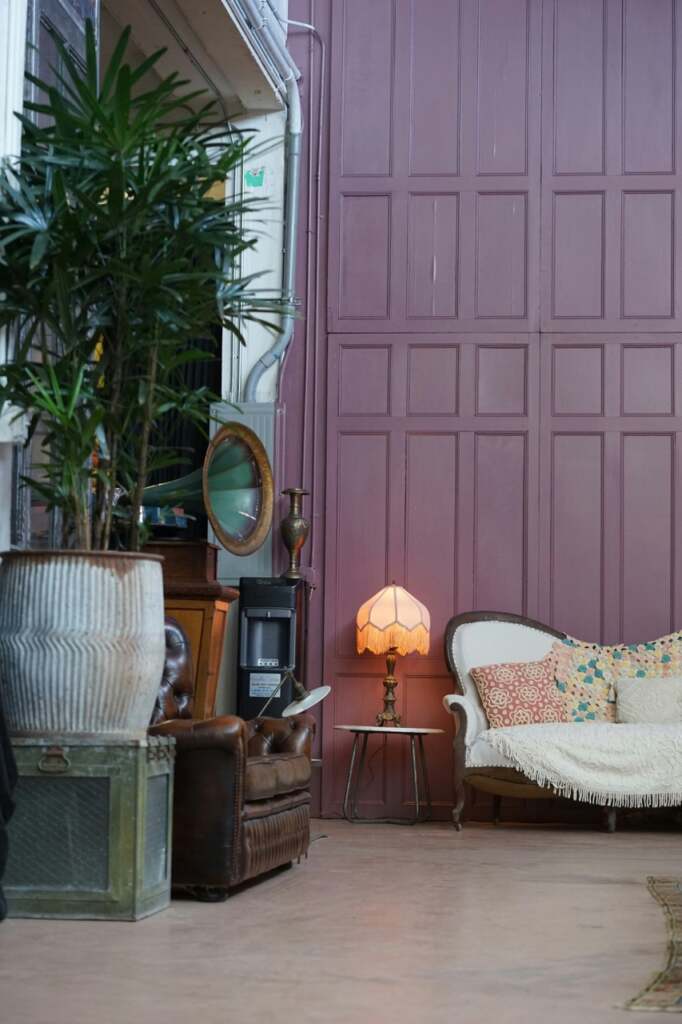
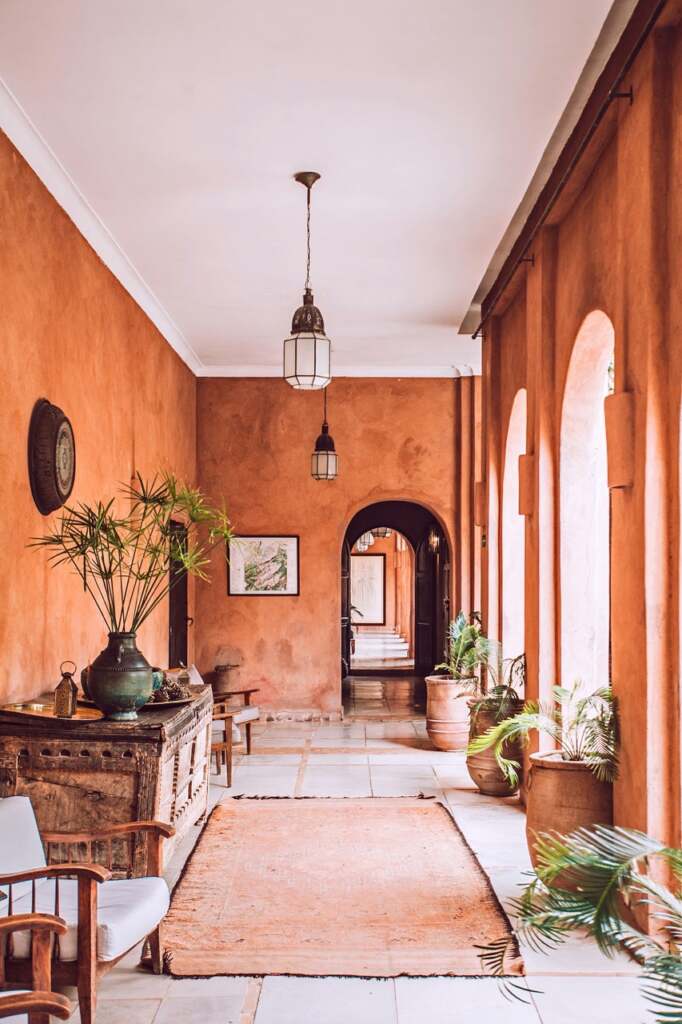
One of the first things you’ll find is that gray is out! Instead, people are using lots of one strong color on walls, ceilings, and even doors. It turns rooms into places you can really feel, not just backgrounds. This trend is called “color drenching.” It extends a single saturated hue across every surface—walls, ceilings, trim, doors, even furniture—abandoning white ceilings to create immersive spaces that feel either dramatically energetic or serenely cocooned.
Think deep purple, green like olives, warm spice colors, and clay red. You might see a small bathroom in dark gray, which makes it feel cozy instead of tiny. Or a bedroom covered in purple, like a safe space to get away from the constant buzz of today’s world.
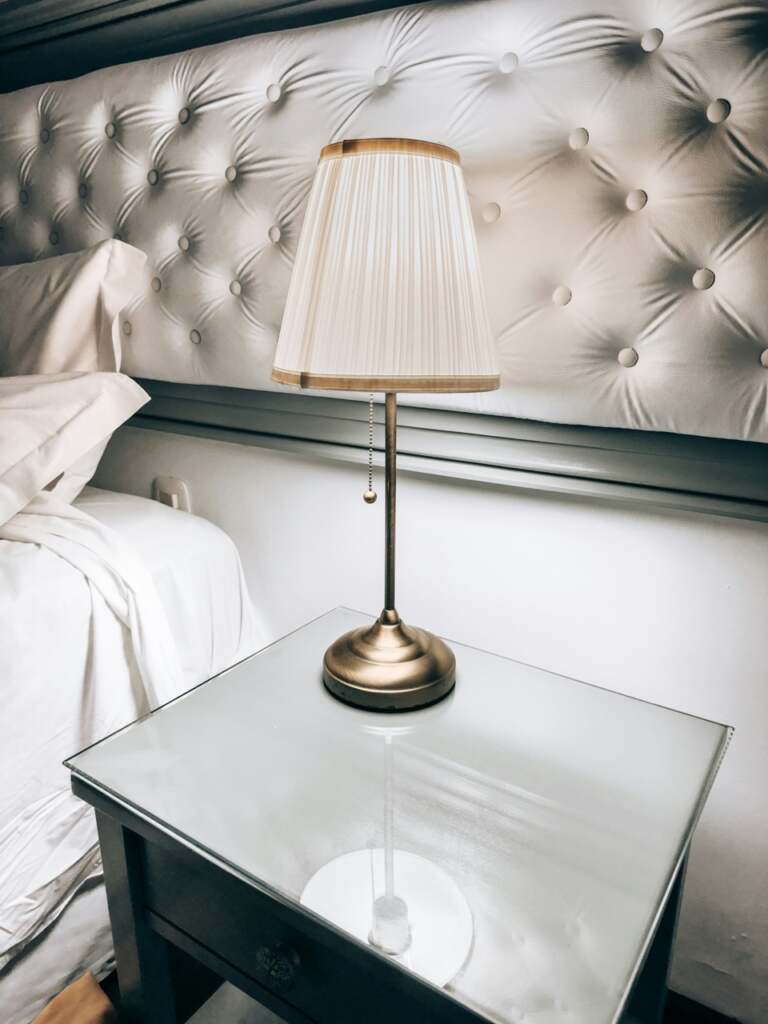
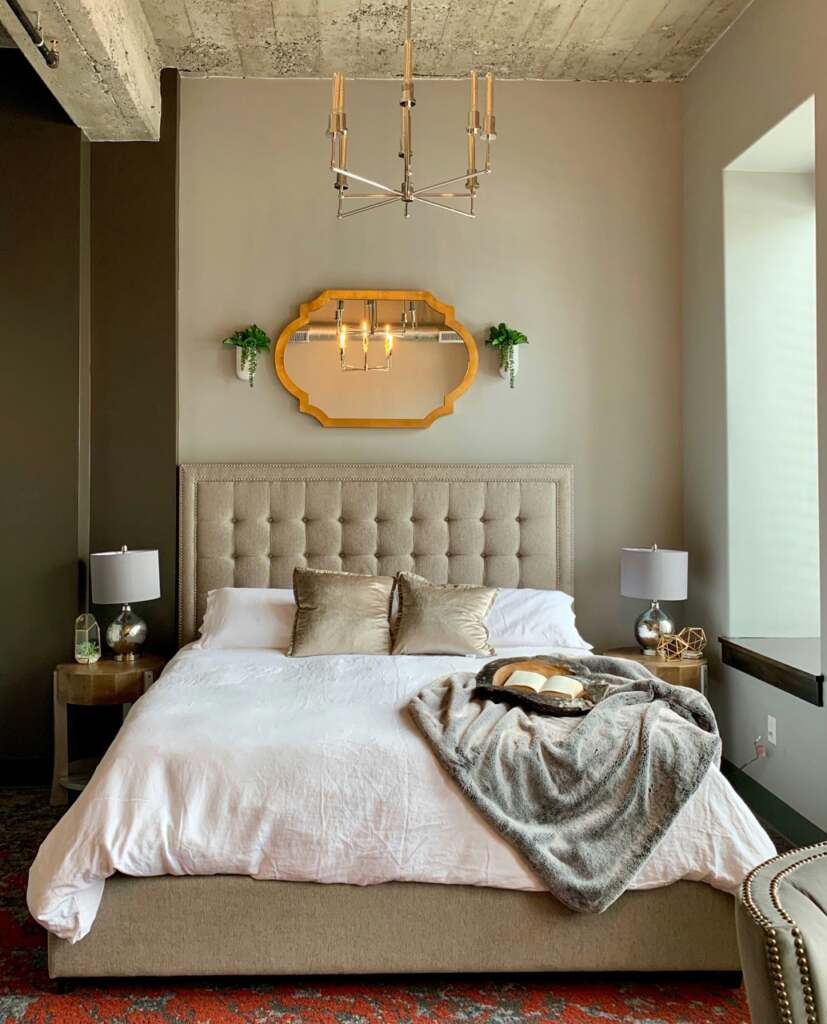
It’s simple: after everything that’s happened, people want to feel safe and comfy at home. That’s why bedrooms are getting soft headboards, padded walls, and layers of silk, wool, and linen. Forget sharp, modern edges – these rooms use soft, round shapes that soak up sound and light, so you can really relax.
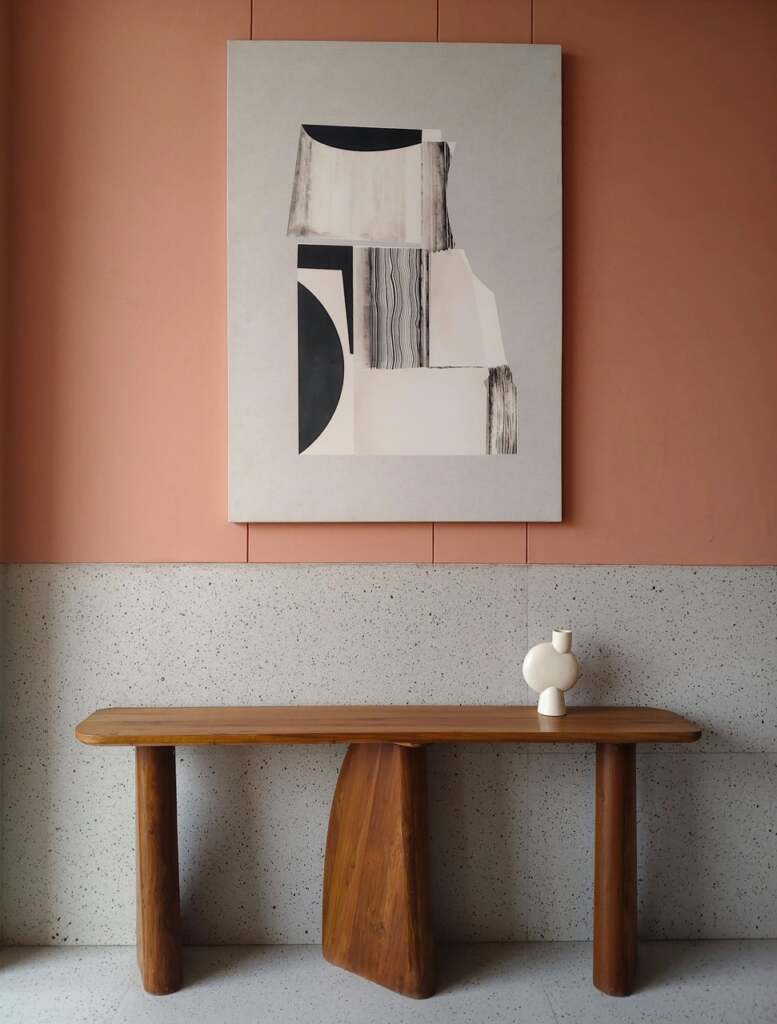
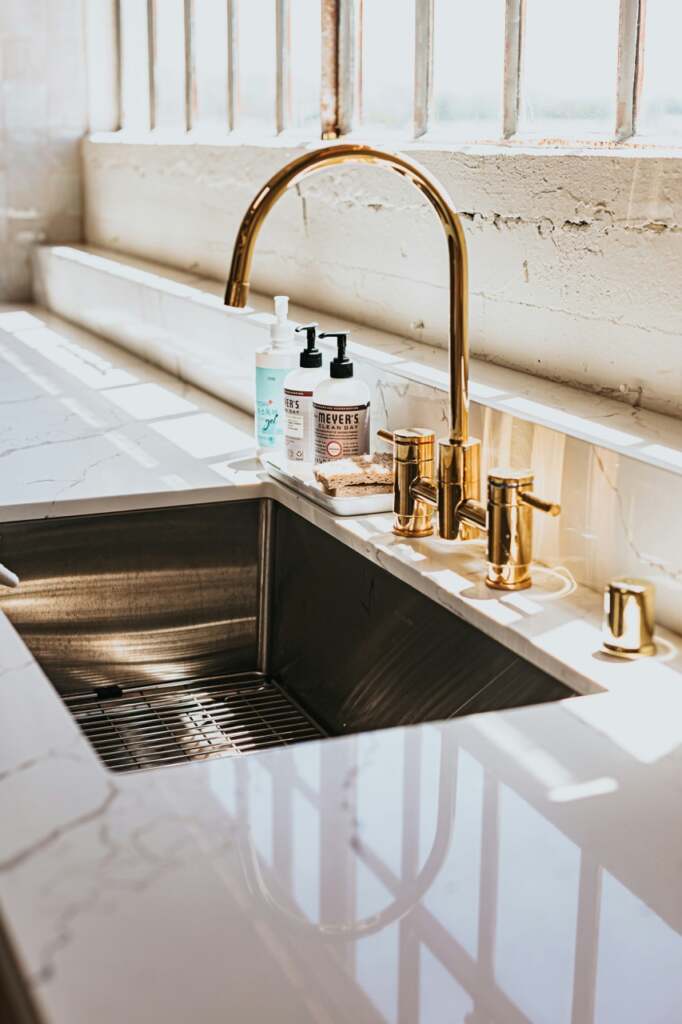
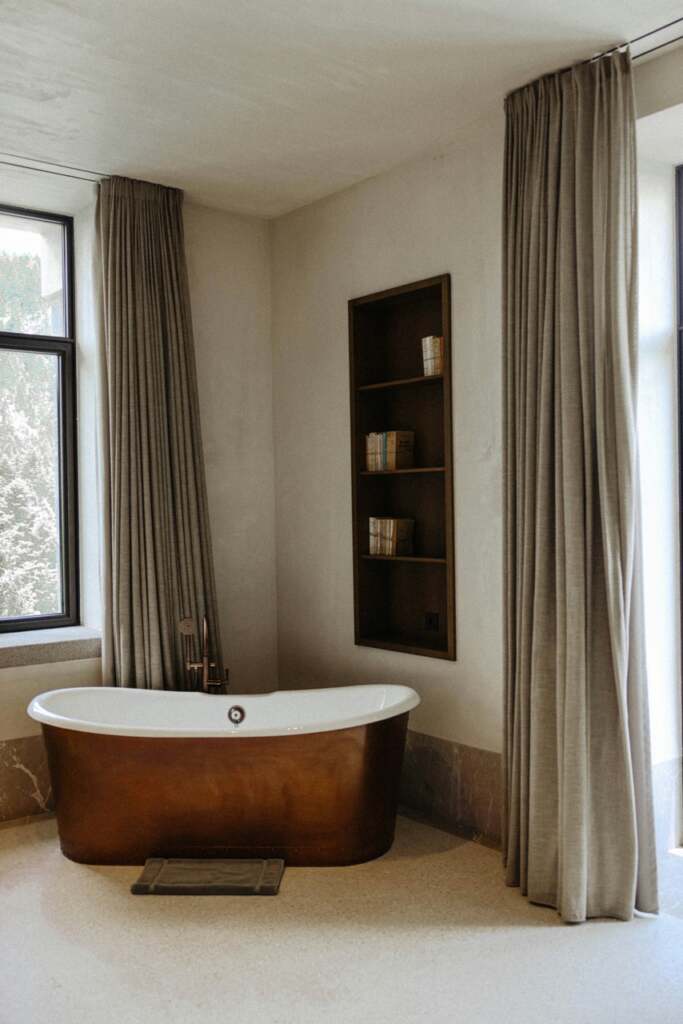
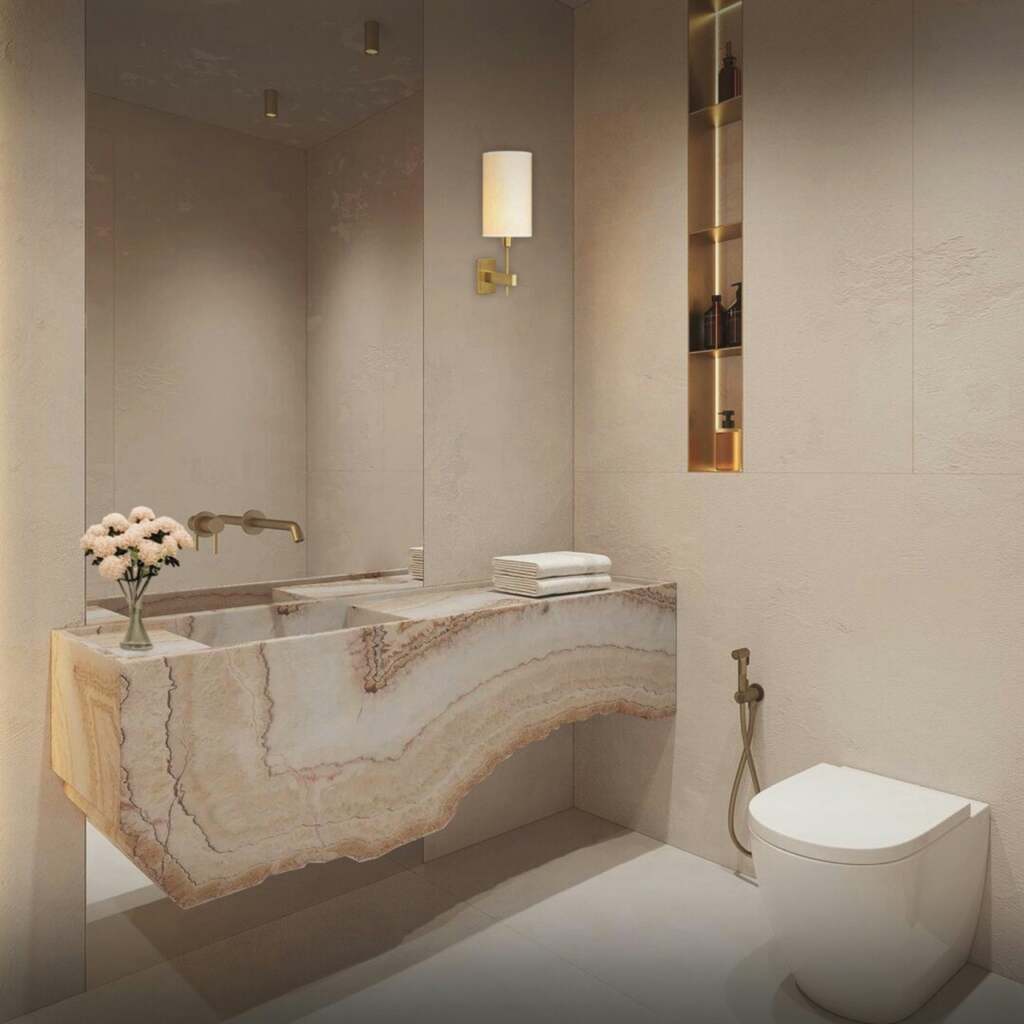
At the same time, people are really liking things that get better with age. Brass that changes color when you touch it is the new favorite for kitchens and bathrooms. Old bronze, metals rubbed by hand, and wood that isn’t perfect are popular because they change over time.
This means we’re seeing beauty in a new way. Instead of wanting everything to look brand new forever, we like things that show how they’ve been used. A brass faucet gets darker where you touch it, telling a story. A wooden counter shows water marks and knife cuts, showing all the meals you’ve made.
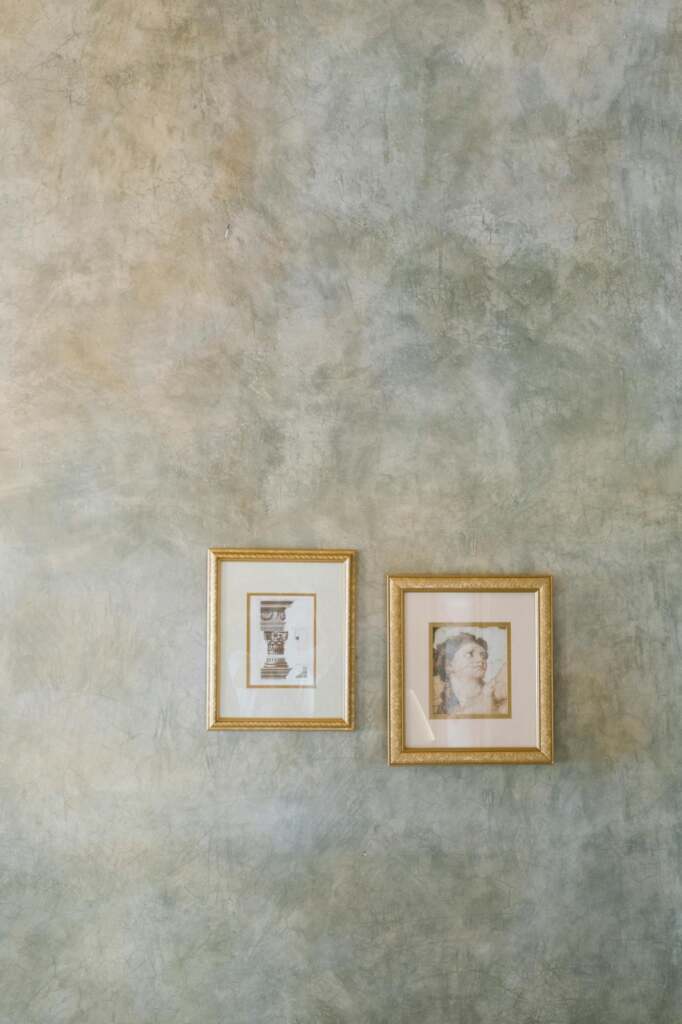
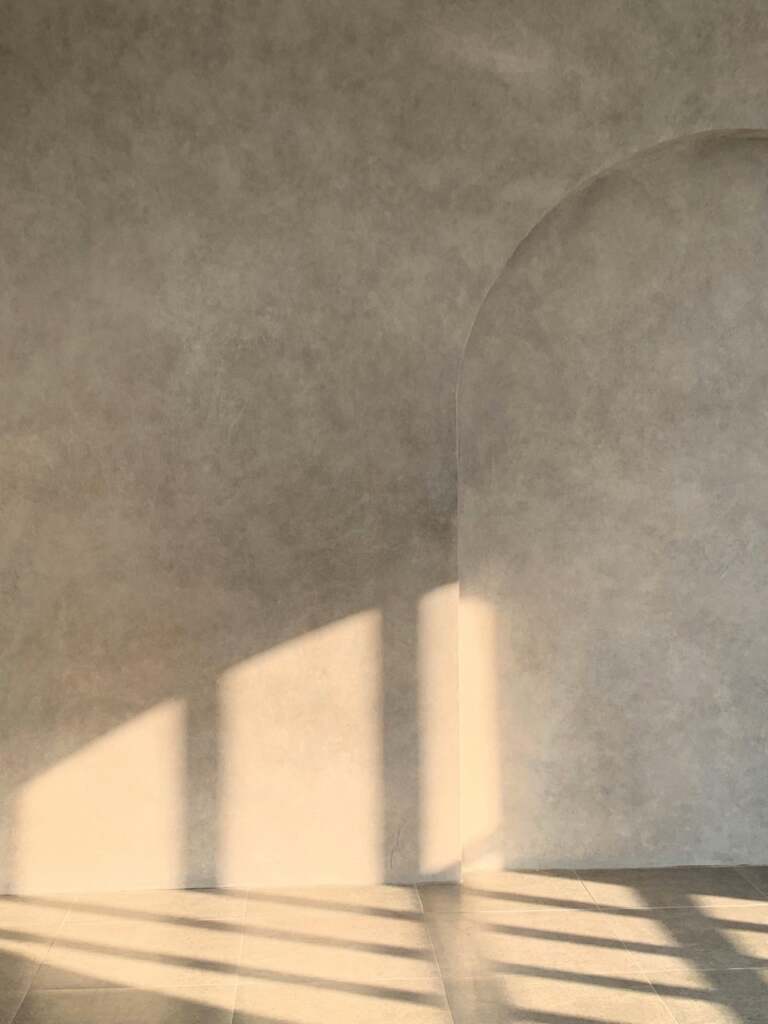
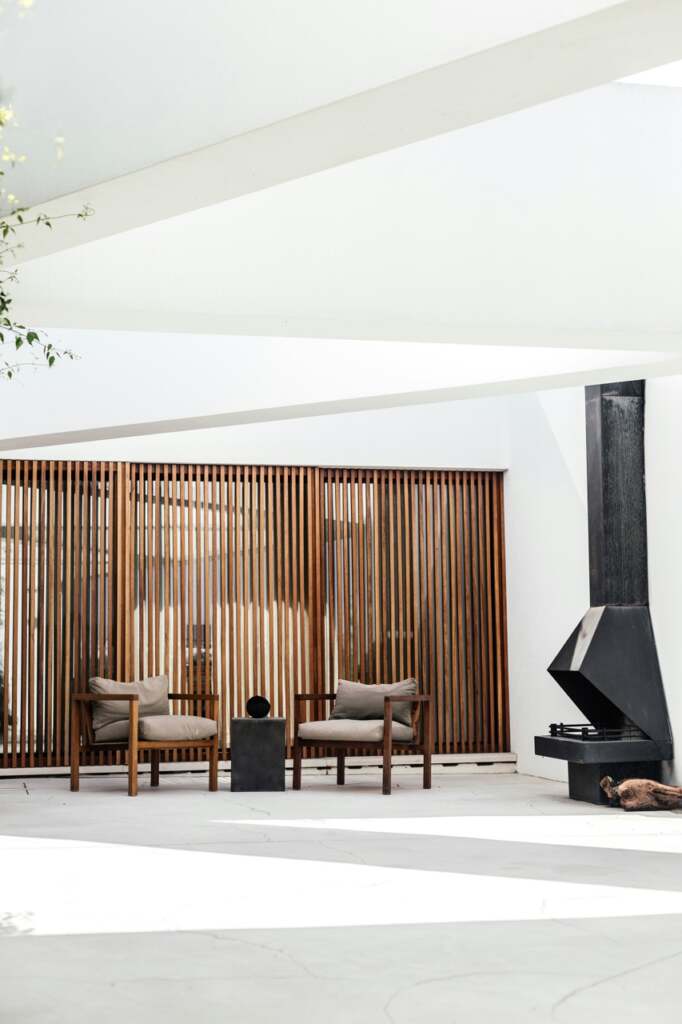
It’s not just about faucets and counters. Walls with plaster that looks a little uneven are replacing plain paint. They play with light in cool ways, so the walls feel alive. Stone with strong patterns, wood with lots of grain, and handmade tiles with rough edges are all part of a style that mixes natural stuff with fancy designs, making spaces feel real and stylish.
The cheap, trendy furniture that was so popular a few years ago isn’t cool anymore. Now, people want homes that look like they’ve been put together slowly, with things that mean something.
This way of decorating is about collecting, not just finishing. You might see a table from the 1950s next to a modern lamp and a new painting. It’s not about copying a certain time period, but about telling a story with each piece.
Antique shops are getting busy again, especially for things from the 70s and 80s that used to be seen as outdated. Wooden furniture, lamps with painted details, and even pillows with stitched designs are coming back into style, adding something different to simple, modern rooms. The scratches and faded color on an old wooden table now make it more valuable, not less.
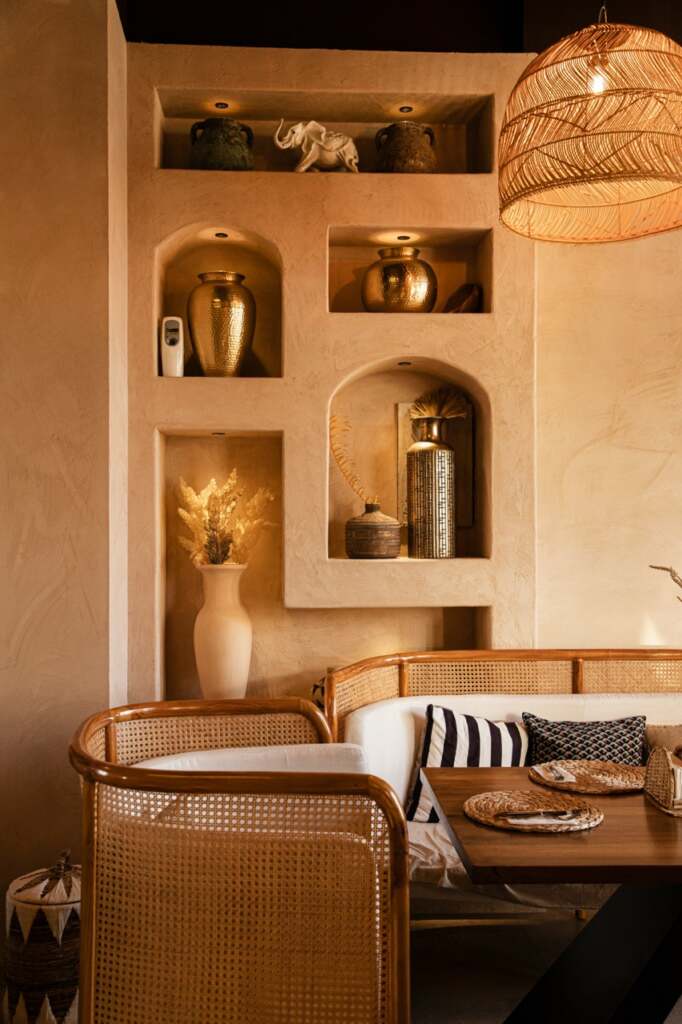
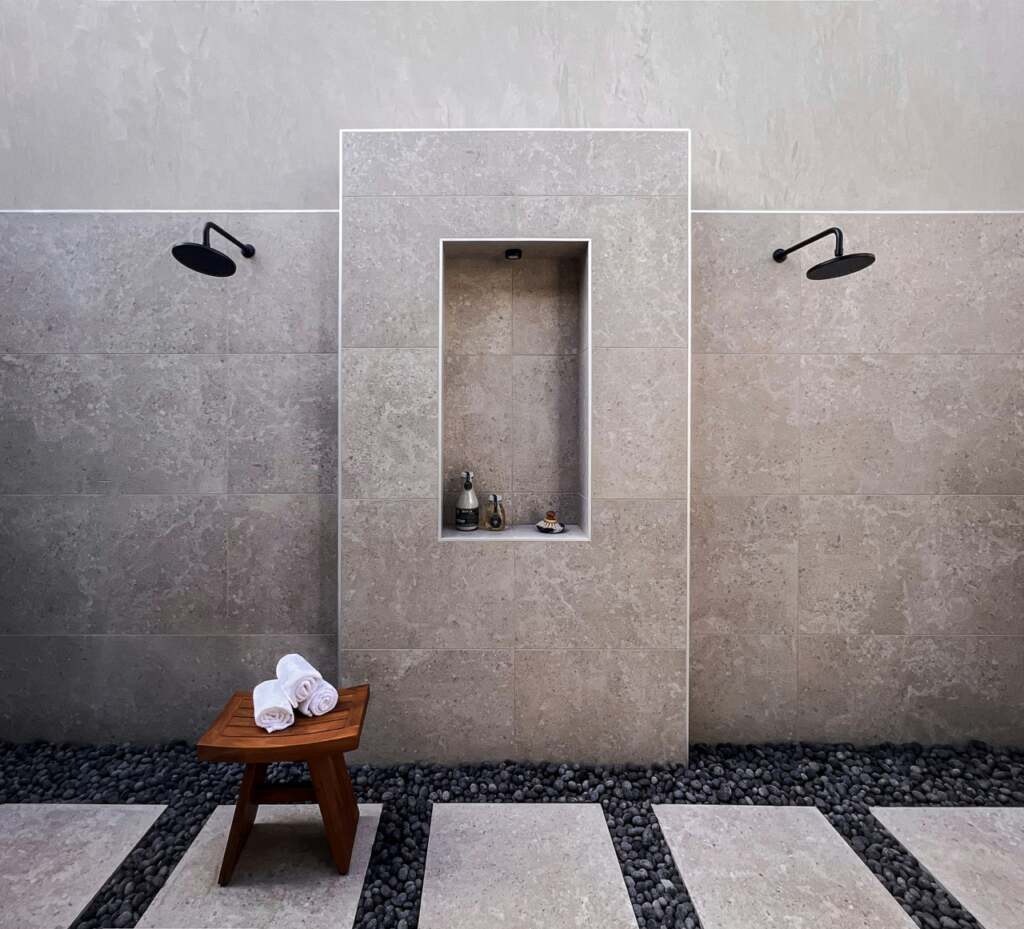
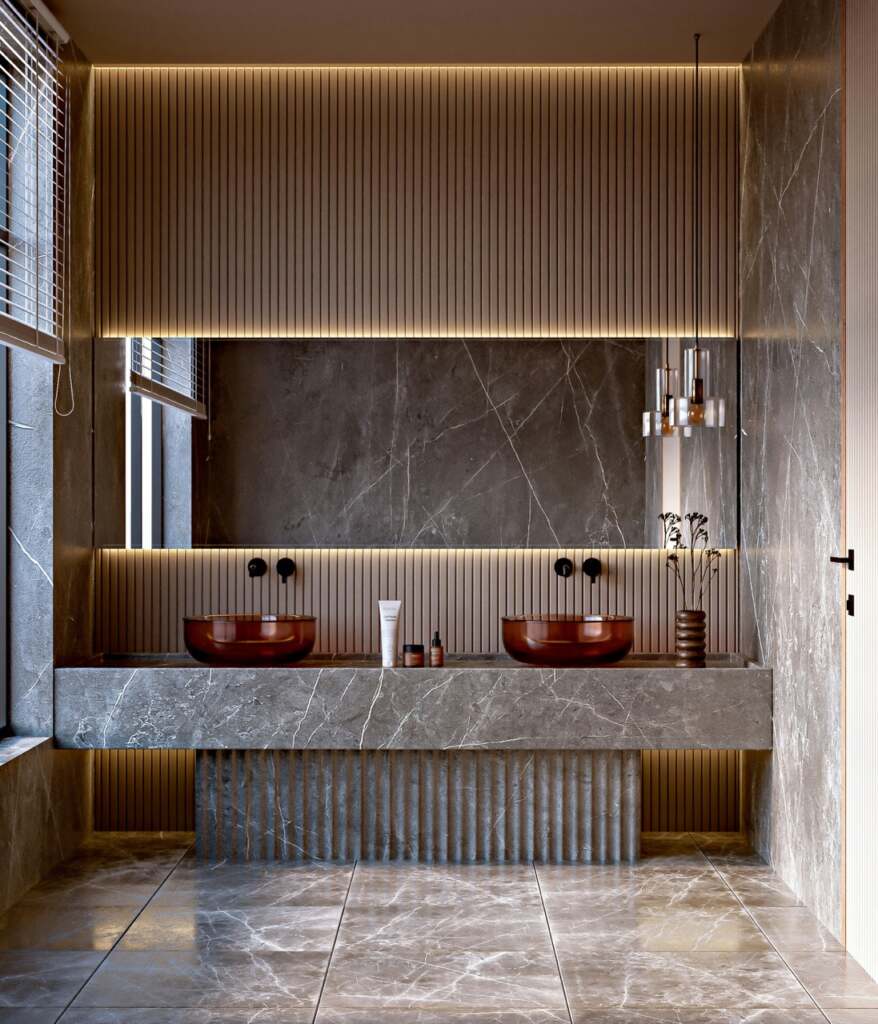
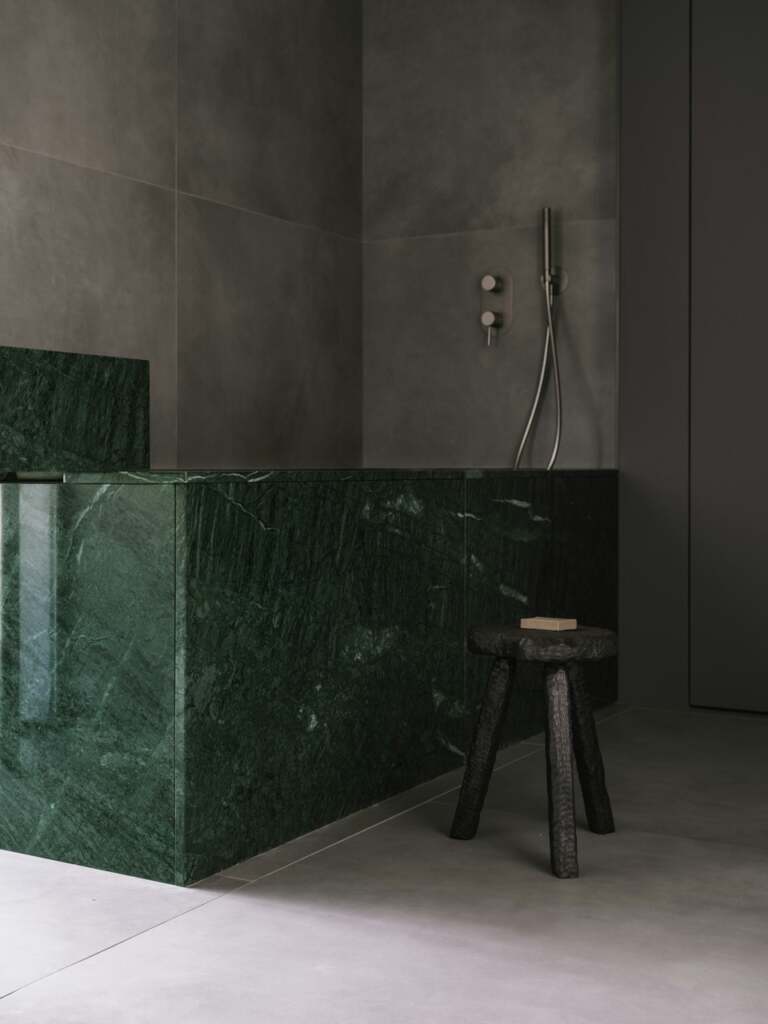
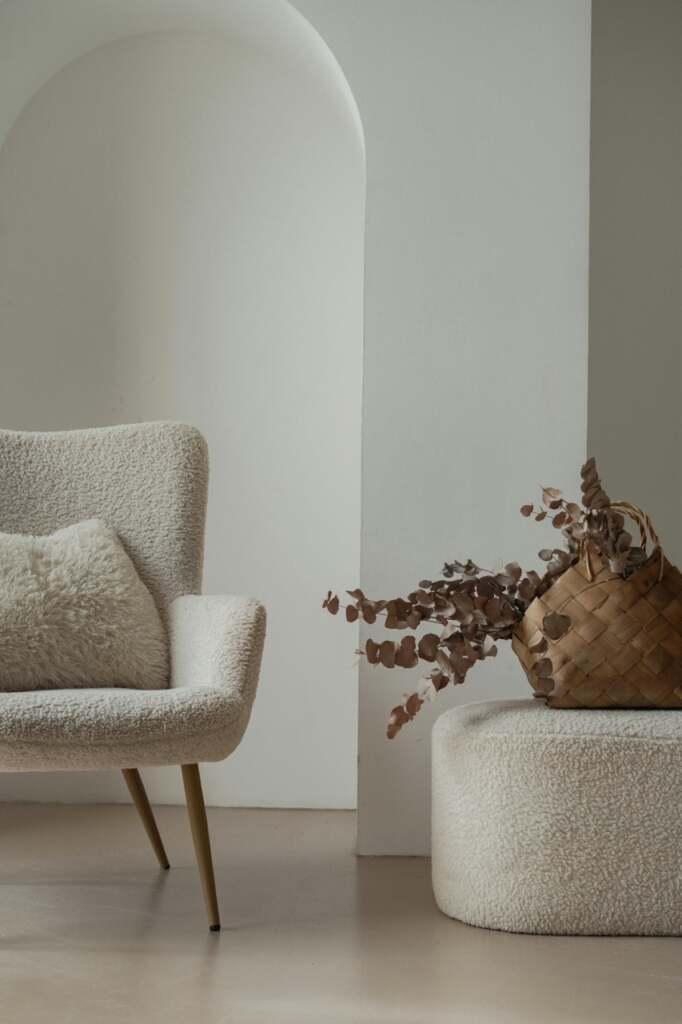
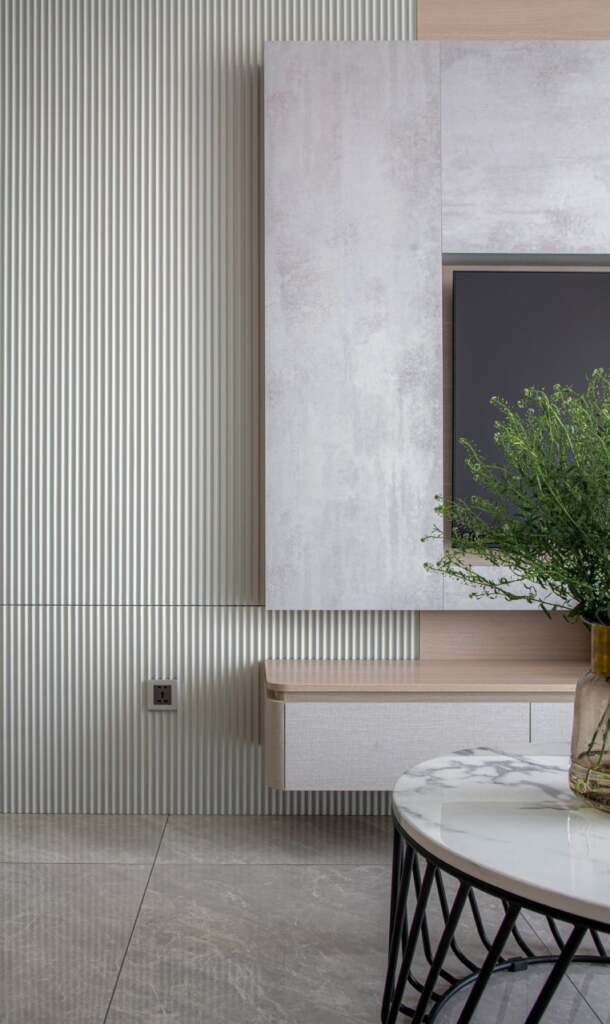
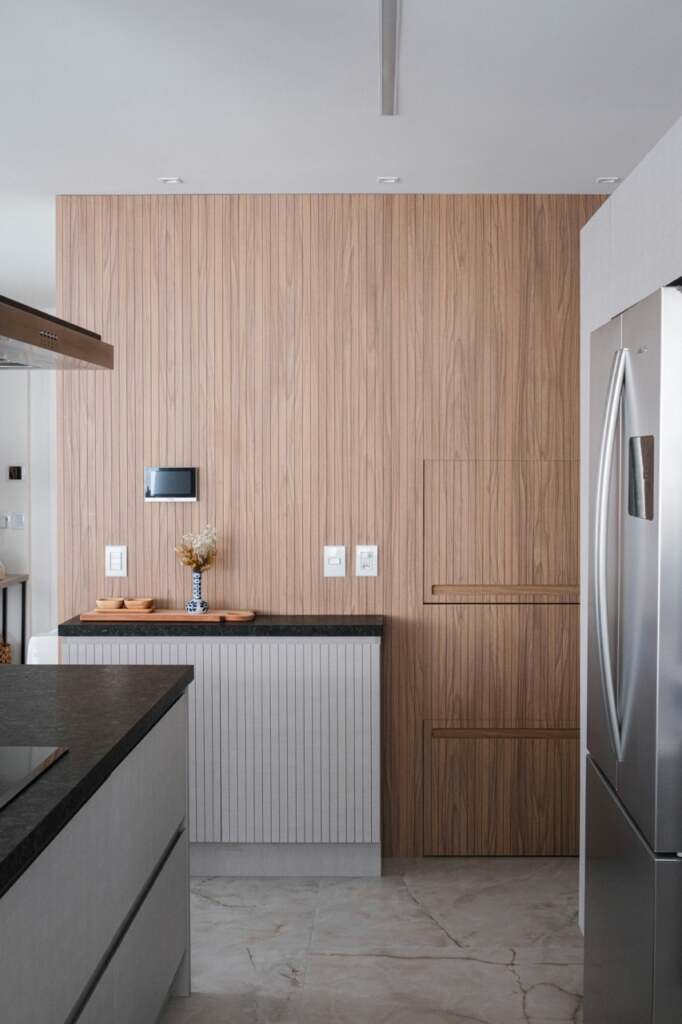
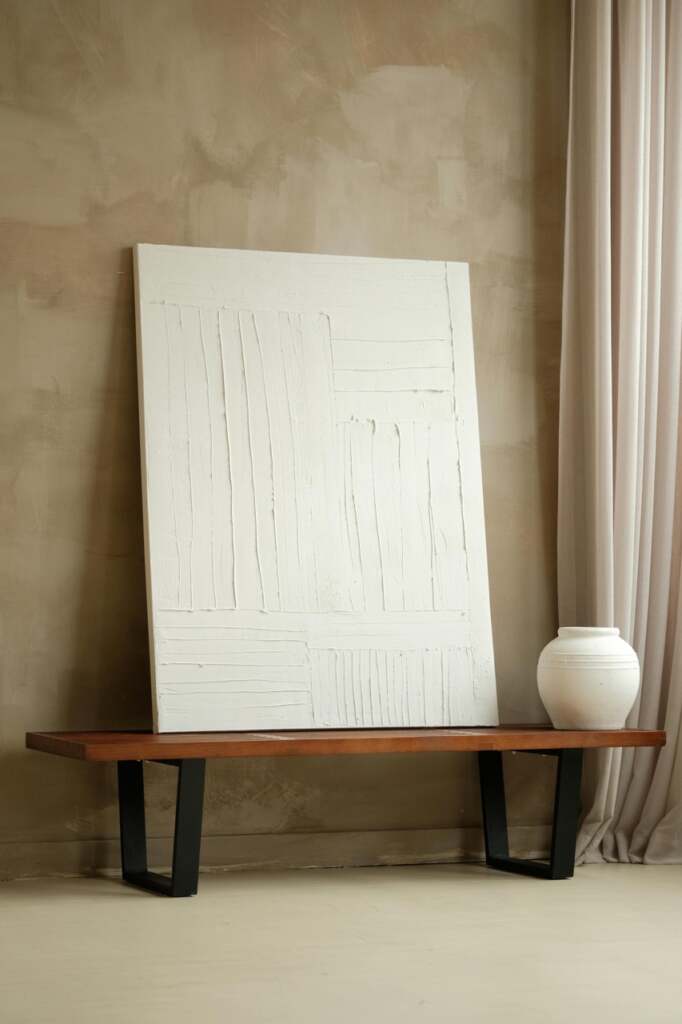
Smooth surfaces are disappearing. Instead, texture is a key part of how rooms look. Grooves carved into cabinets, fireplaces, and kitchen islands add interest to plain walls. It makes things feel alive without adding clutter, and it plays with light in cool ways.
Walls are becoming textured. Wallpaper that looks like grass is being used in modern apartments to make them feel warmer. Tapestries and big fabrics are back as wall decorations, helping with sound and looking good. Even ceilings are getting attention, with paint, wallpaper, or special moldings that make you look up and notice.
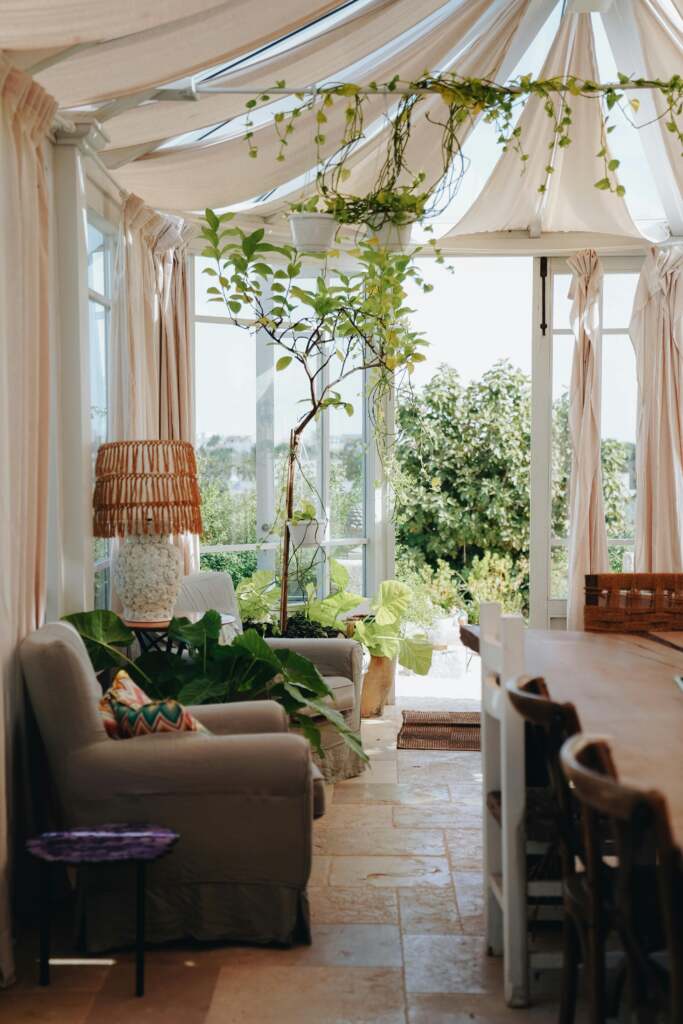
Indoor plants were big a few years ago, and now it’s becoming more sophisticated. Instead of just having a lot of plants, people are making real links to nature. This means using lights that change with the time of day, materials that clean the air like wool, and colors that come from nature.
Big windows that show gardens or green spaces are more important than wall space for art. In cities, paintings of nature are used to bring the outdoors in. The colors in these pictures – greens, grays, blues – influence the colors in the room, connecting the inside and outside.
One surprise is that people are moving away from open floor plans. Now that many people are working from home, they need separate spaces – an office they can close off, a quiet place to read, a dining room away from the kitchen. People are putting in doors and walls that were taken out before.
This shows that people want homes that can be used in different ways, not just one big space for everything. An office with a door is now a luxury, showing that you can have privacy in a world where you’re always working.
All these changes have one thing in common: homes should show who you are, not just be perfect for social media. The best homes feel like they could only belong to the people who live there.
This shows that American design is growing. After trying different styles, people are realizing that the best spaces are those that grow slowly, accept imperfections, and feel good to be in. The result is homes that are less like design projects and more like, well, homes.