The discount grocer is leaving Westhampton Beach — and there’s already a plan for what… Read More →


The discount grocer is leaving Westhampton Beach — and there’s already a plan for what… Read More →

East Hampton brokers Julie Pinkwater and Will Metzger make the brokerage move with $160 million… Read More →

From prix fixe dinners and $25 burger-and-beer nights to bottomless mussels, lobster specials and happy… Read More →

A high end Hamptons store, a high maintenance family, and the clutch decision that revealed… Read More →

The best fall festivals, fairs, film, food, music and harvest events across the Hamptons and… Read More →

Feline panleukopenia can be fatal, particularly for kittens and unvaccinated cats, and even indoor cats… Read More →

Olivia Colman, Alexander Skarsgård, Amanda Seyfried, John Turturro, Jesse Eisenberg and Ron Howard are among… Read More →
The annual waterfront festival returns Sept. 19-20 with whaleboat races, the fall arts and crafts… Read More →

Bonnie Kay Haydon, mother ofuth Vanessa Trump, is asking $3.75 million for the renovated three-bedroom… Read More →

From New York Fashion Week and the U.S. Open finals to the 100th Feast of… Read More →
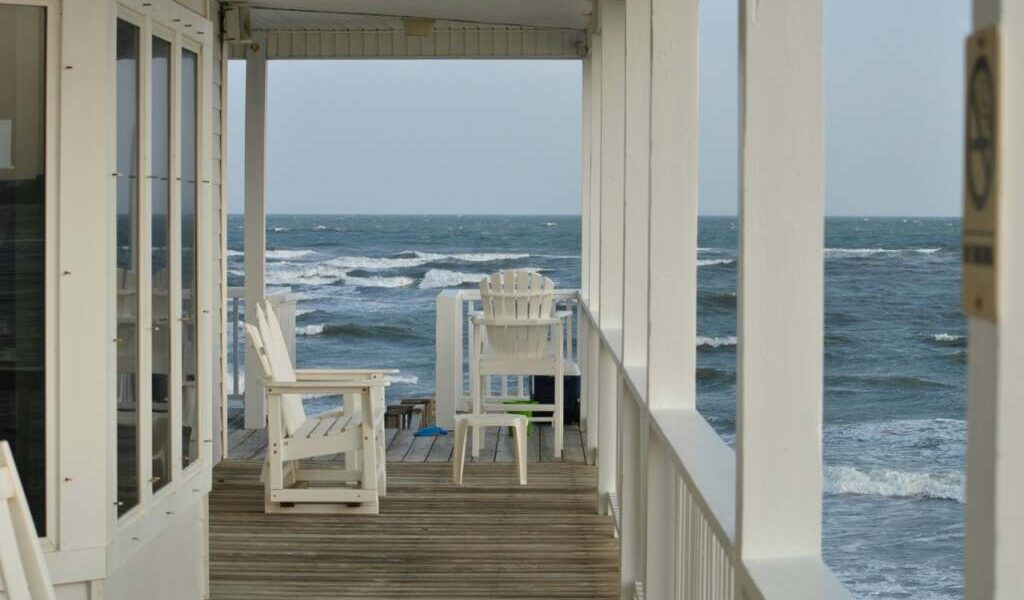
The Hamptons has never been more expensive.
By the close of 2025, the median home price ticked up to a dizzying $2.34 million. Deals north of $10 million? Up 75 percent in a year. Waterfront estates still fetch jaw-dropping sums, and buyers aren’t just circling — they’re fighting it out for what’s left of the prime land. From the outside, the party looks endless.
 But then you talk to the insurance companies.
Behind closed doors, national and regional insurers have been steadily packing their bags, drifting away from eastern Suffolk County. Some have quit writing new homeowner policies there altogether. The ones hanging on? They’re narrowing what they’ll cover, jacking up premiums, or both — leaving Hamptons homeowners stranded, shopping around for someone willing to take their money. More and more, the backstop is New York’s Coastal Market Assistance Program: a safety net for the properties traditional insurers want no part of.
So what changed? Not demand. The buyers still want in — it’s the risk calculus that’s different now.
On this stretch of coveted American coastline, the sand looks golden, but the ground is shaky. Climate risk isn’t just fodder for think tanks anymore; it’s right there in the actuarial tables. Europe is burning. Asia is burning. Canada is burning. New Orleans is sinking. Venice is sinking. In 2023, 82 out of the top 100 U.S. counties with the steepest homeowner insurance non-renewal rates sat on coasts or in wildfire zones. Policies are scarcer, premiums are climbing, and more people are waking up to find their coverage isn’t a given anymore.
It sounds nuts until you see who’s shopping. Most of the country needs insurance all buttoned up before the house keys change hands — the lender demands it. Here, not so much. In the Hamptons, cash is king. No mortgage, no bank poking around, no one insisting that you lock down insurance before closing.
Of course, the storms and the surf don’t care about your payment method. The risk is still there. It just moves from the insurers to the owners.
For a lot of wealthy buyers, insurance isn’t the main event. It’s a sliver of a much bigger conversation about risk. These days, family offices — the gatekeepers for serious fortunes — sound a lot like risk consultants. They’re investing in flood barriers, reinforcing roofs, raising HVACs, installing backup generators. Some are choosing to self-insure parts of their trophy homes, keeping a chunk of the risk on their own spreadsheets instead of farming it out to an insurance company.
That only flies when you’re sitting on serious cash. It’s not that insurance has vanished. The financial shock absorber is just the family’s own balance sheet now.
Zoom out, and you see this isn’t just a Hamptons thing. Nationwide ditched its private client market last year. In California, surplus insurance fills in as big firms pull back. Swiss Re has started calling catastrophe losses “structural,” not just bad luck. The market is adjusting.
First Street crunches the numbers and projects that rising insurance costs and shifting demand could wipe out $1.47 trillion in U.S. home values by 2055. It won’t happen in one fell swoop, and some places will dodge it better than others. Rich coastal markets like the Hamptons could hold up longer — they’ve got buyers who can eat extra costs that would scare folks away somewhere else.
For now, the Hamptons is the opening chapter of this story — that’s why it’s the real estate market to watch. If you’re shelling out $20 million here, you don’t just care about the house’s bones or the sunset from the deck. You ask if it’ll even be possible to get insurance in 20 years. You wonder how much cash to hold back for big losses. And you think about whether the next generation will want to inherit the house — and all the risk stapled to it.
Once, that kind of talk happened behind closed doors between an owner and their insurance agent. Now, the conversations are happening inside family offices and investment committees, right alongside portfolio reviews and succession plans.
For ages, wealth management was about growing money, saving on taxes, thinking three moves ahead. These days, it’s about climate resilience too. And, crucially, insurability.
If you want to know where luxury real estate is headed, look here — the Hamptons is an early signal. Home prices shout confidence, while the insurance demands whisper caution. And both are right.
Today’s price tag is about what buyers will pay now.
Tomorrow’s cost? That depends on who’s left holding the risk.