The Hamptons International Film Festival opens, Sag Harbor’s music fest gets its rain-delayed encore, and… Read More →



The Hamptons International Film Festival opens, Sag Harbor’s music fest gets its rain-delayed encore, and… Read More →

The nonprofit is launching a bilingual civic engagement initiative to help residents across the East… Read More →

After last weekend’s storm forced a postponement, the Sag Harbor American Music Festival is back… Read More →
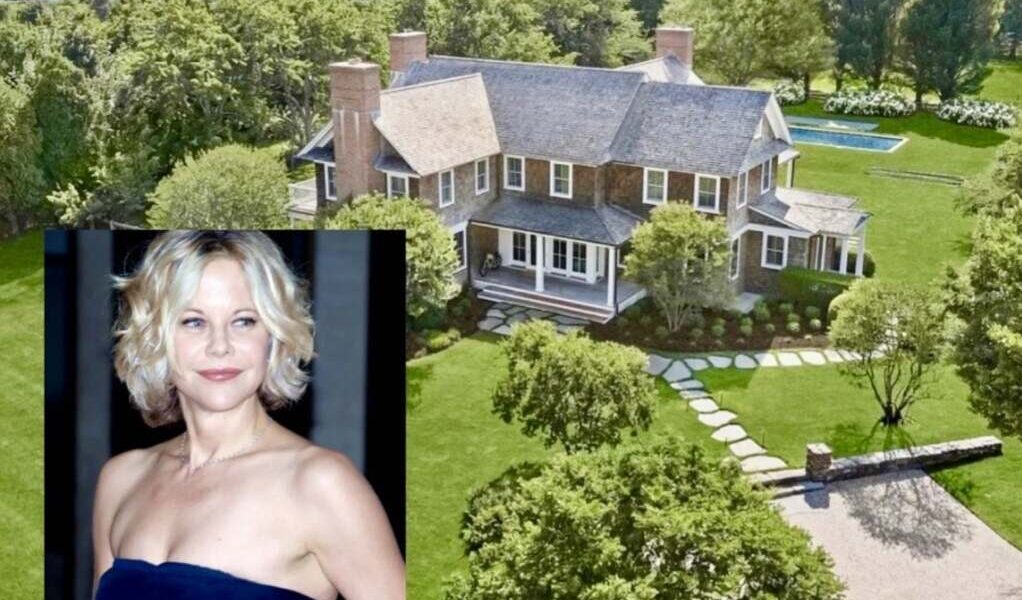
The actress found a buyer within weeks for the Bridgehampton estate; the deal has now… Read More →

From a 45-year-old country fair to Oktoberfest, waterfront eats and a little sleight of hand,… Read More →

From I Play Rocky and Amanda Seyfried to Chris Rock’s Misty Green, Spotlight films, documentaries,… Read More →

Kiki de Montparnasse and Southampton’s Charlie Fox team up on a new cashmere collection that… Read More →

For 75 years, Sherle Wagner has transformed the most utilitarian room in the house into… Read More →
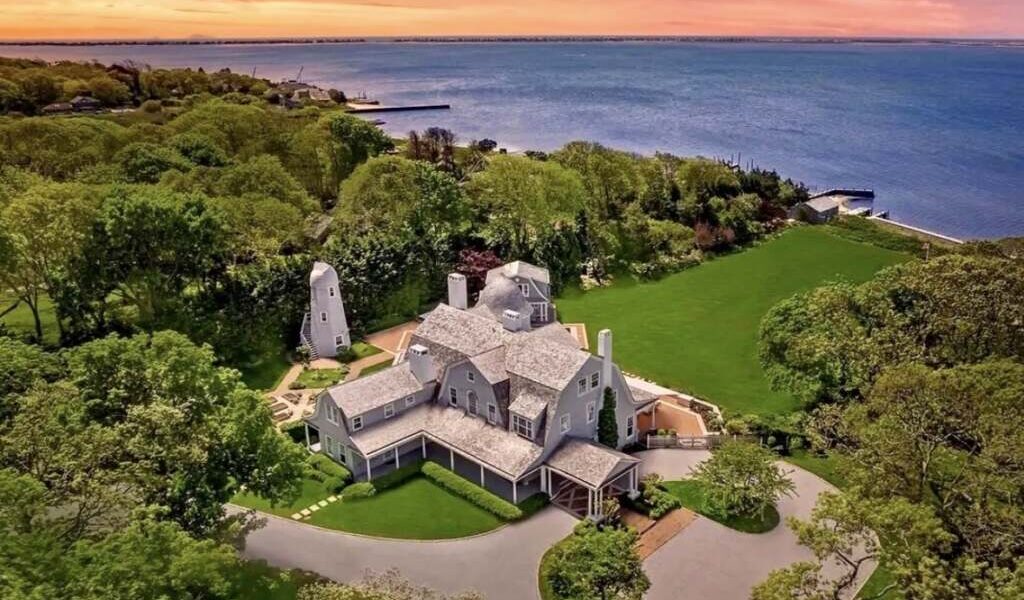
The former New York governor has purchased historic Seatuck Lodge, a sprawling Hamptons compound with… Read More →

The free annual festival takes over the historic Parsons Blacksmith Shop grounds Oct. 3 with… Read More →
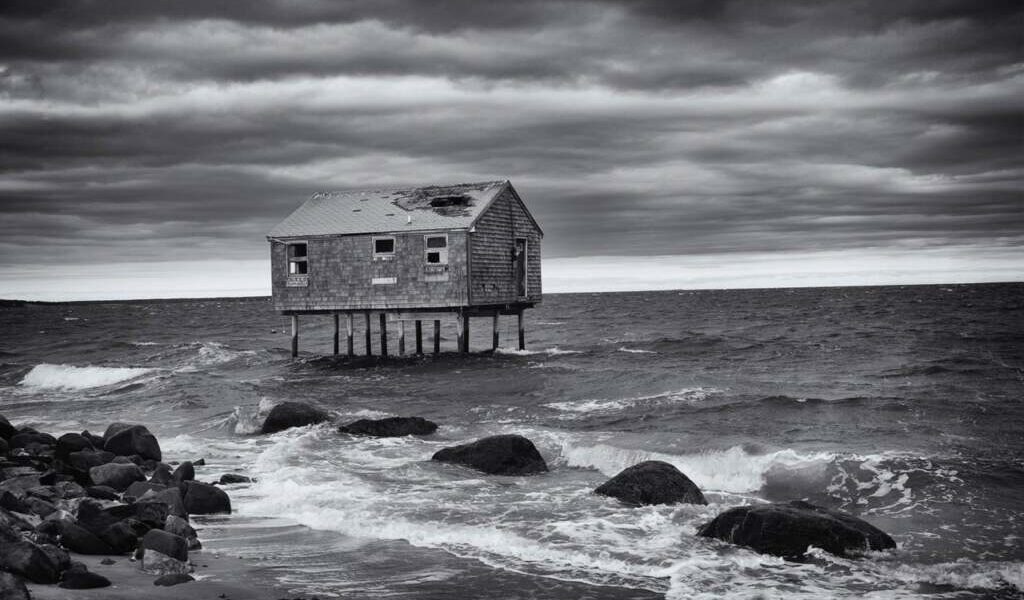
For years, it stood out there in East Hampton — like a dare.
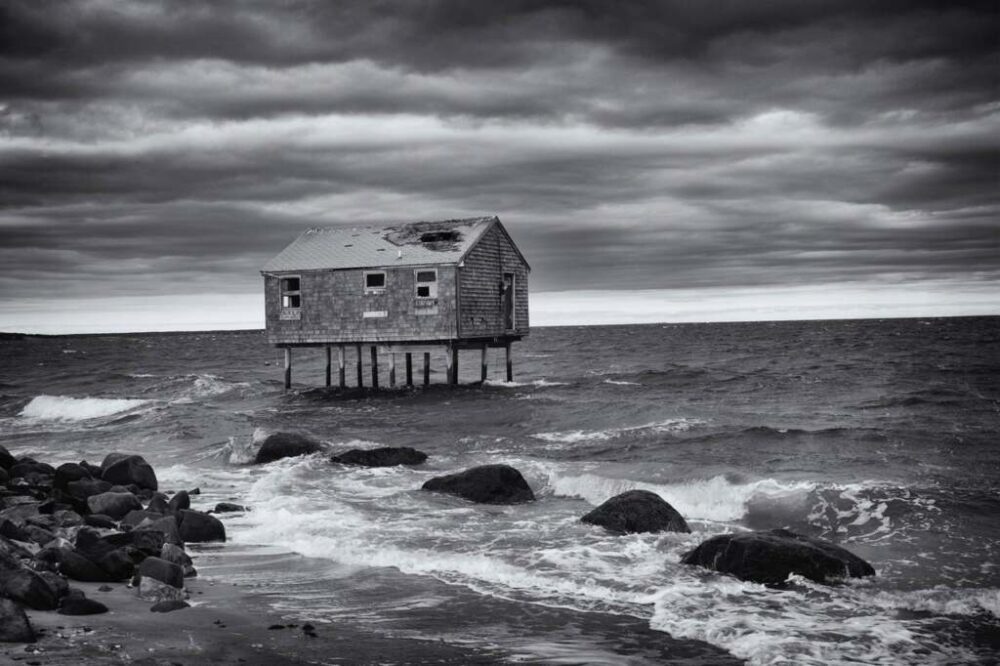
The little house on stilts off Mulford Lane in Lazy Point — small, square, improbably upright in the middle of Gardiners Bay — looked less like real estate and more like an idea. Built around 1950, back when the East End was not yet shorthand for hedge funds and hydrangeas but a scrappier, saltier outpost at the far edge of Long Island.
After World War II, Lazy Point was a fishing spot — a getaway for city workers. Police officers, dockworkers and tradesmen bought land cheaply. Deals were casual, sometimes sealed with a handshake and cash. There were few inspections or permits; that was part of the charm. People came for the water, the quiet and a chance to escape the city.
The stilt house was one of several cottages built along the shore, raised on wooden posts to outlast the tides. Inside, it was simple: a living room with sweeping views, a small kitchen, a bedroom and a bathroom. Over time, electricity, a septic system, heat and a phone line were added, turning it from a shack into a home.
Summers were the best — early morning fishing, bike rides on the beach, bonfires at night. Children slept in the attic. Neighbors shared food. It wasn’t fancy, but it was friendly, and that was the whole point.
Lazy Point itself began simply. Menhaden plants once operated nearby, and the smell was so strong it kept large-scale development away.
While other parts of the Hamptons grew increasingly upscale, this stretch remained grounded. A community formed here because few others wanted it.
Then the shore began to disappear.
The beach along Gardiners Bay shrank over the years. The stilt house, once on solid ground, edged closer to the water. By the early 2000s, the bay surrounded it at high tide. Neighbors who remembered it firmly on land in the 1990s watched as it became isolated — standing alone in the water like an accidental art installation about time and tide.
Ownership changed hands occasionally, often at modest prices given its precarious location. Hard to maintain a house the bay was steadily reclaiming. Repairs were complicated by regulations. Insurance was eventually canceled once the structure sat fully in the water. Power was shut off. Though never officially condemned, it stood empty — suspended between land and sea.
But then, that lonely house got famous.
As its footing weakened, its image strengthened.
Photographers captured the lone stilt house at sunrise and sunset, its reflection shimmering across Gardiners Bay. The image circulated widely online and on social media, becoming shorthand for resilience — or stubbornness — depending on who was looking.
Over time, the cottage came to represent something larger than itself: a working-waterfront Hamptons that felt increasingly out of reach.
On Jan. 31, after years of storms and advancing erosion, winter ice crushed its supports and the house fell into Gardiners Bay. Debris was later cleared from the shoreline.
What disappeared that day was more than a house.
The stilt cottage had come to symbolize a version of the Hamptons that now feels almost mythical — a place where working families could afford a small retreat by the water, before oversized estates and brand-driven summers reshaped the coastline.
In the end, Gardiners Bay did what money and market forces could not. It erased the last physical trace of that earlier chapter at Lazy Point.
All that remains are photographs, stories and the memory of a small house on stilts that once stood between land and sea — a reminder that even here, nothing is permanent.