The actress found a buyer within weeks for the Bridgehampton estate; the deal has now… Read More →



The actress found a buyer within weeks for the Bridgehampton estate; the deal has now… Read More →

From a 45-year-old country fair to Oktoberfest, waterfront eats and a little sleight of hand,… Read More →

From I Play Rocky and Amanda Seyfried to Chris Rock’s Misty Green, Spotlight films, documentaries,… Read More →

Kiki de Montparnasse and Southampton’s Charlie Fox team up on a new cashmere collection that… Read More →

For 75 years, Sherle Wagner has transformed the most utilitarian room in the house into… Read More →

The former New York governor has purchased historic Seatuck Lodge, a sprawling Hamptons compound with… Read More →
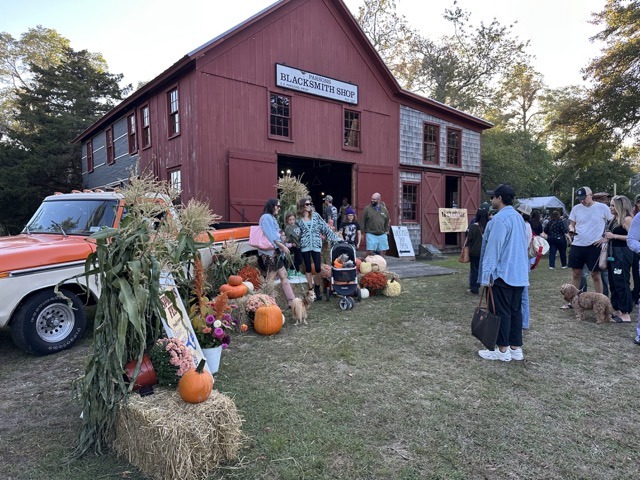
The free annual festival takes over the historic Parsons Blacksmith Shop grounds Oct. 3 with… Read More →
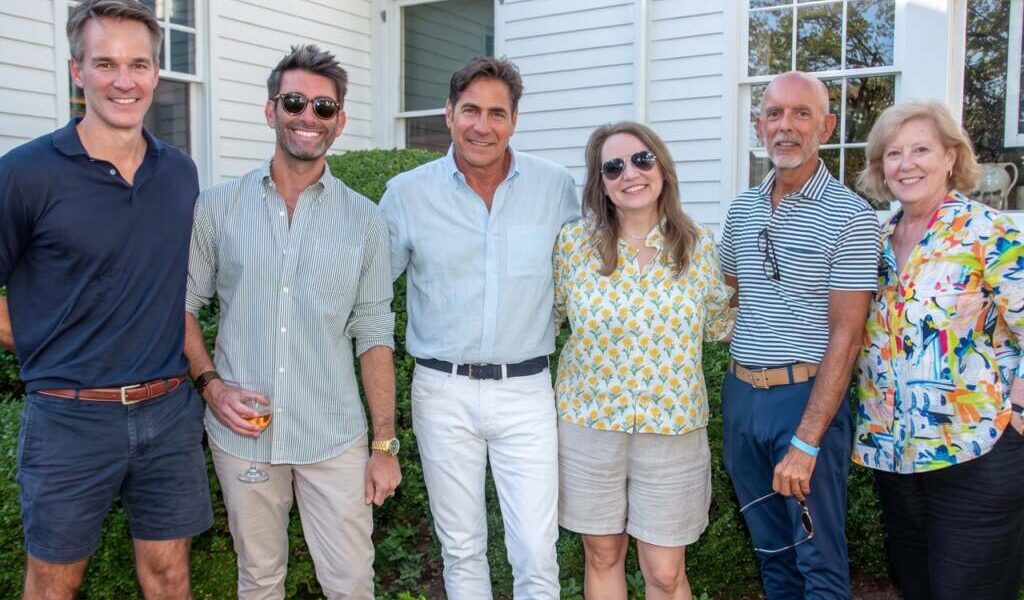
Southampton History Museum’s annual Insider’s View offered a rare look at distinctive properties across the… Read More →

More than a year after the 33-year-old fashion entrepreneur was found dead aboard a boat… Read More →
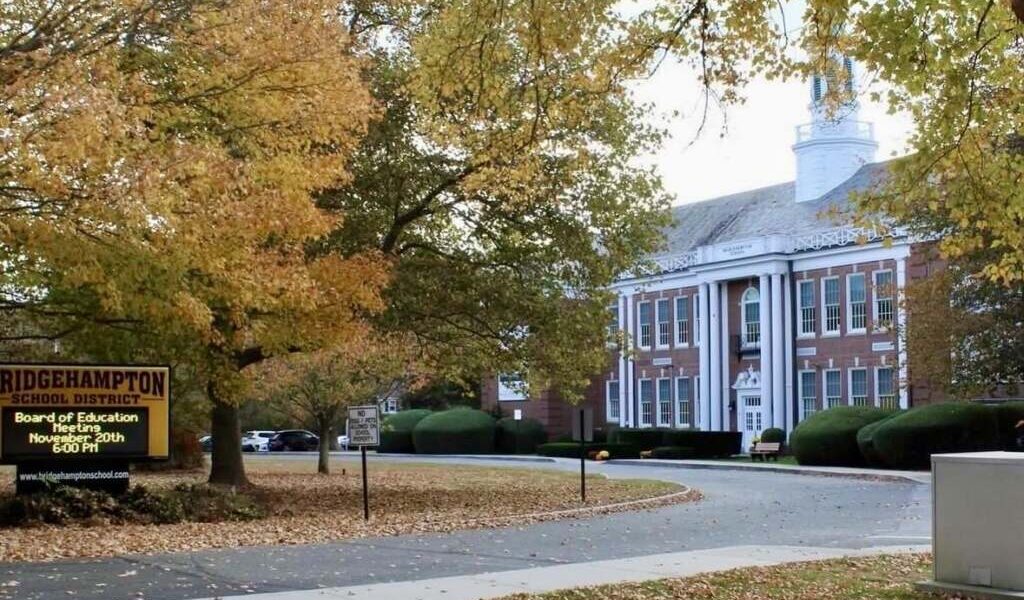
Nassau dominates the national list, while Westhampton Beach leads East End districts in Suffolk; Bridgehampton… Read More →

For more than three decades, Leslie Gelb listened, documented, and earned the trust of Chris Liles, a self-taught Native American artist in East Hampton whose life was marked by extreme abuse and trauma — and ultimately transformed through art.
The result is “Wake the Bear,” an unflinching memoir of survival, resilience, and creativity, told in Liles’ own words and shaped over decades of conversations.
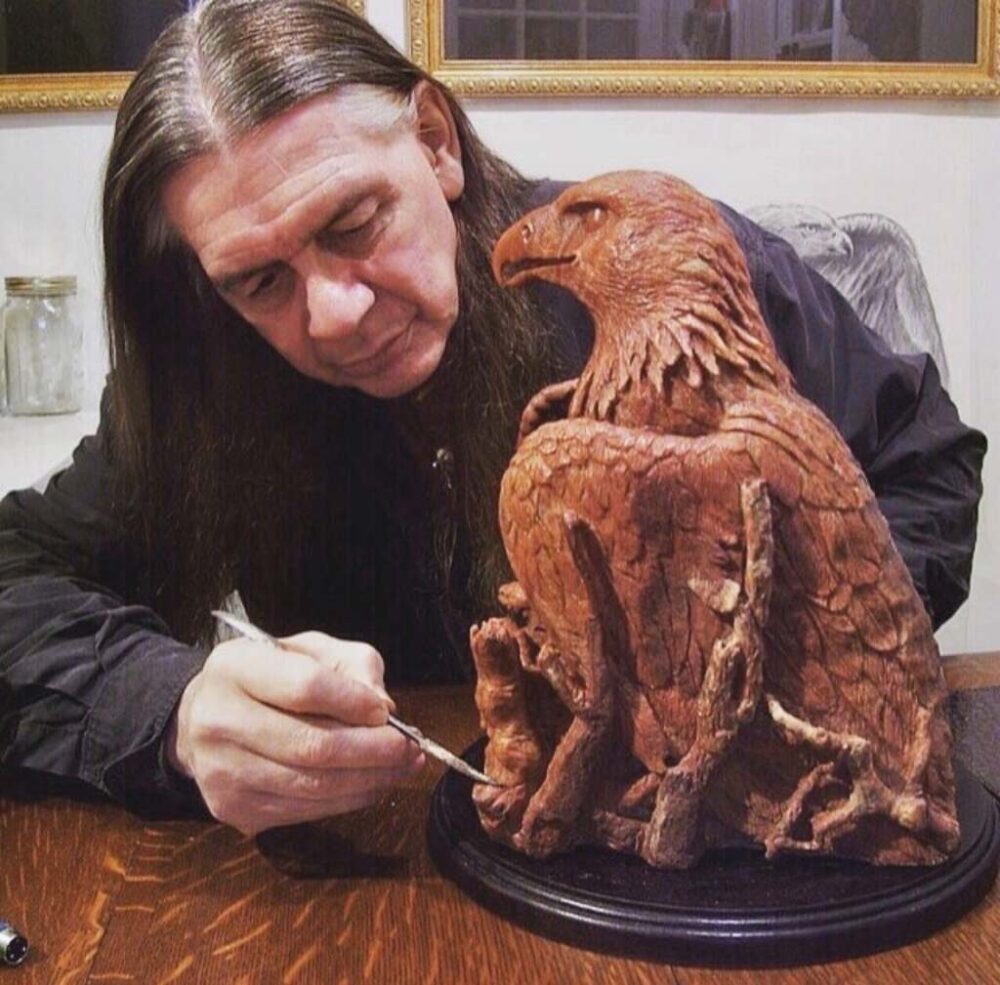
The relationship began in 1993, when Liles — an artist of Irish and Lakota Sioux heritage — walked over to Gelb’s yard sale on Cedar Ridge Road off Springy Banks, in East Hampton.
“Chris was personable,” Gelb says. “I’d go across the street to watch him sculpt, and he’d talk and talk. A couple of weeks after we met, he was waiting for Paul McCartney to pick up a commissioned drawing of his then-wife Linda’s horse, Cricket.”
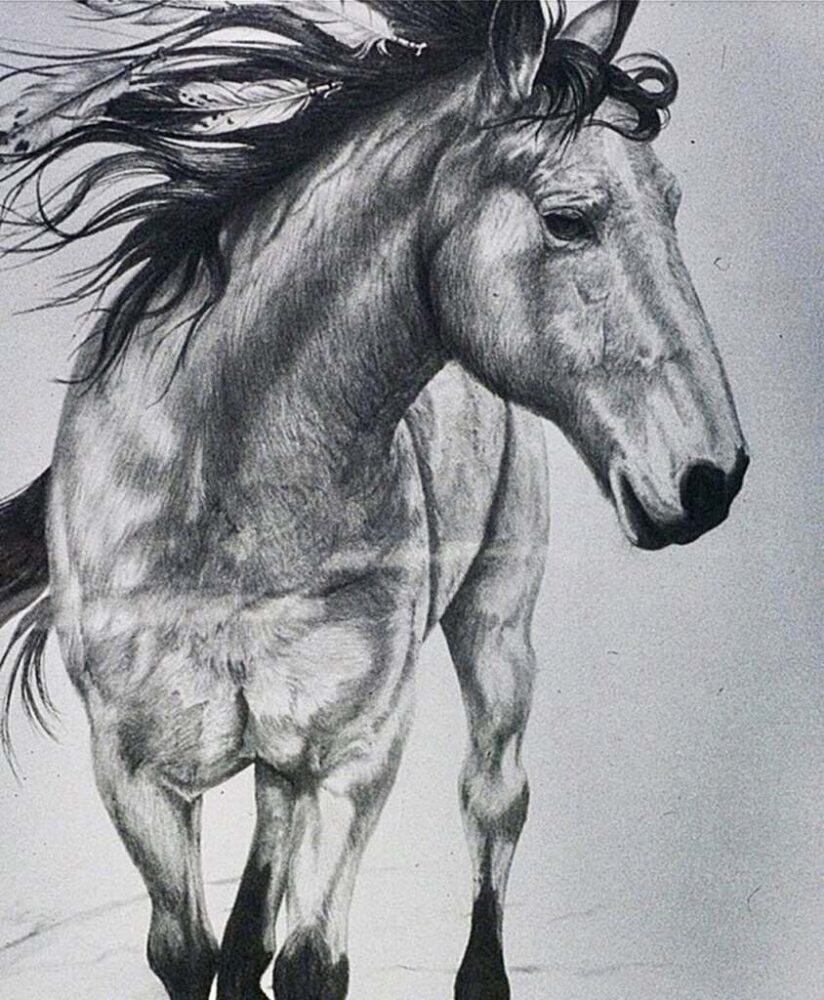
As Liles started opening up to Gelb about his life, she had one thought: ‘This has to be shared.’”
Gelb began bringing a recorder, asking questions, and documenting Liles’ story while he worked.
He described a life shaped by more than 30 foster homes, extreme abuse, racism, and instability. The two agreed never to discuss Vietnam, where he served two tours.
What emerged over time was a deeply raw account: imprisonment, escape, PTSD, rage, shame, and suffering — alongside creativity, spirituality, and self-belief.
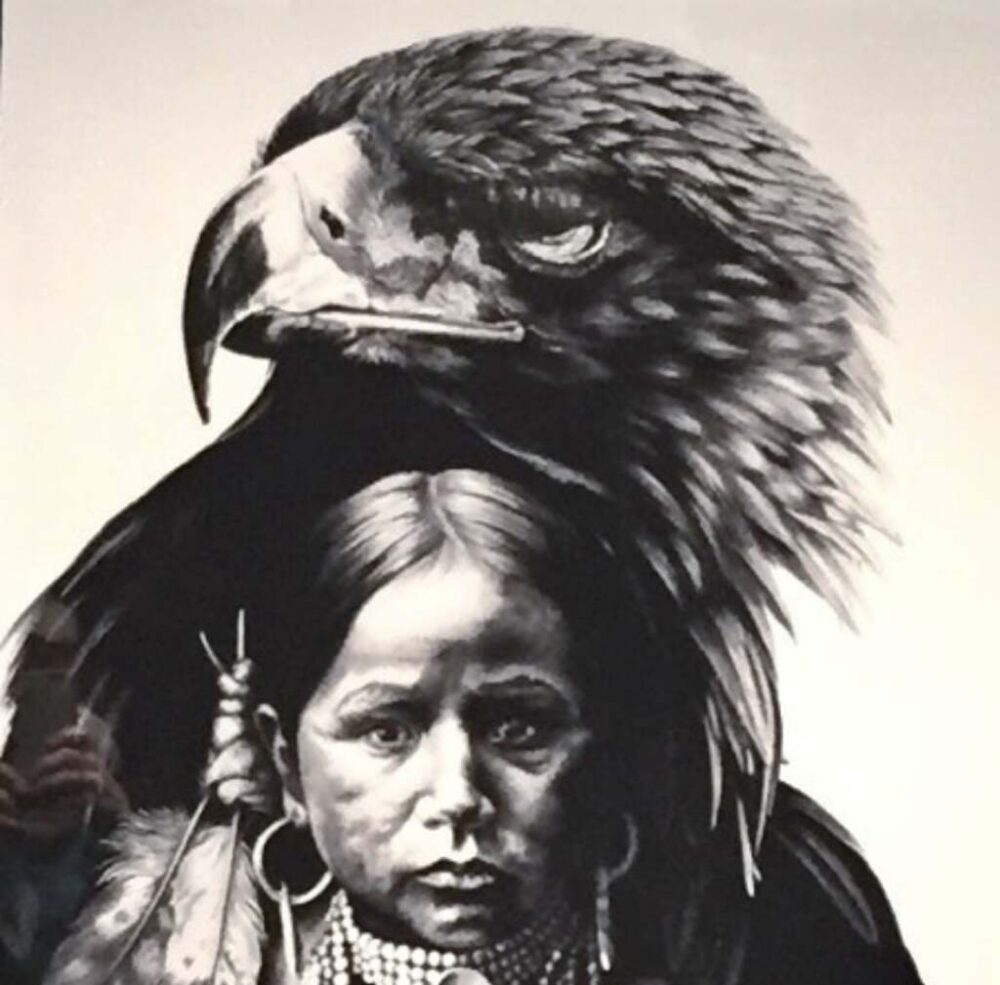
Art became Liles’ way through.
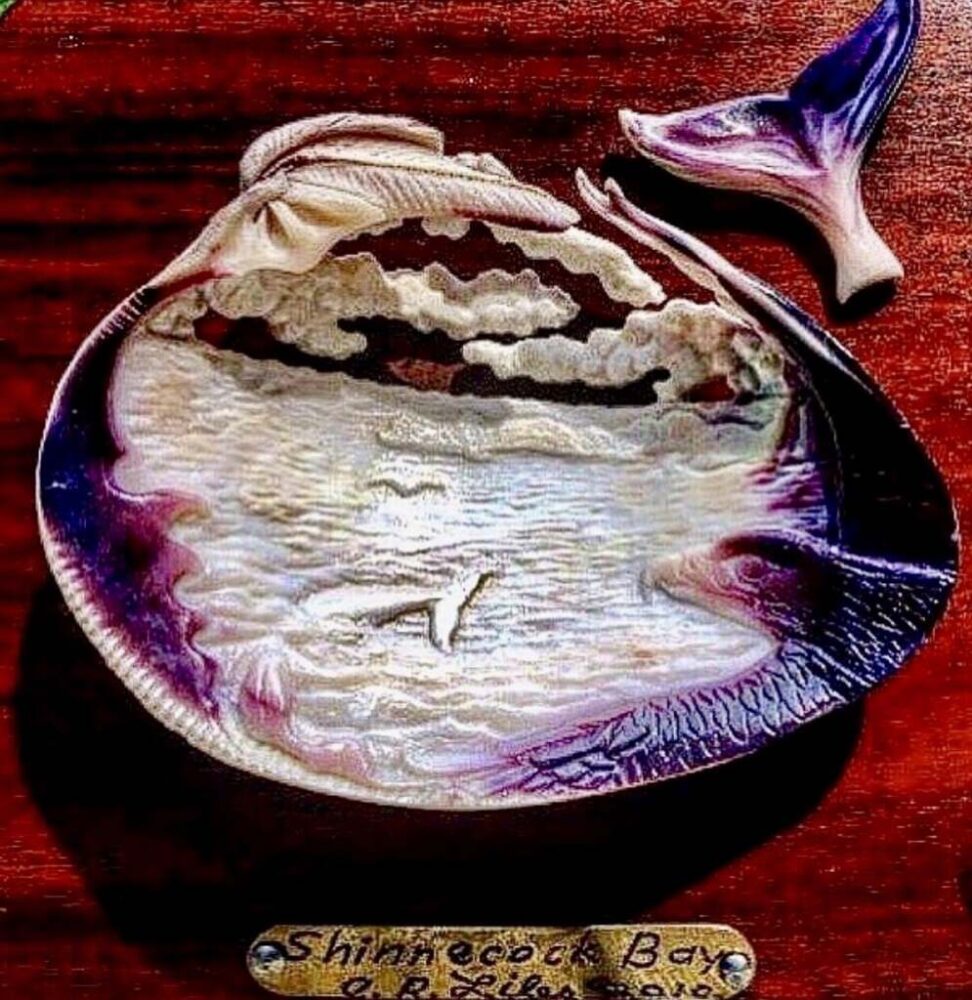
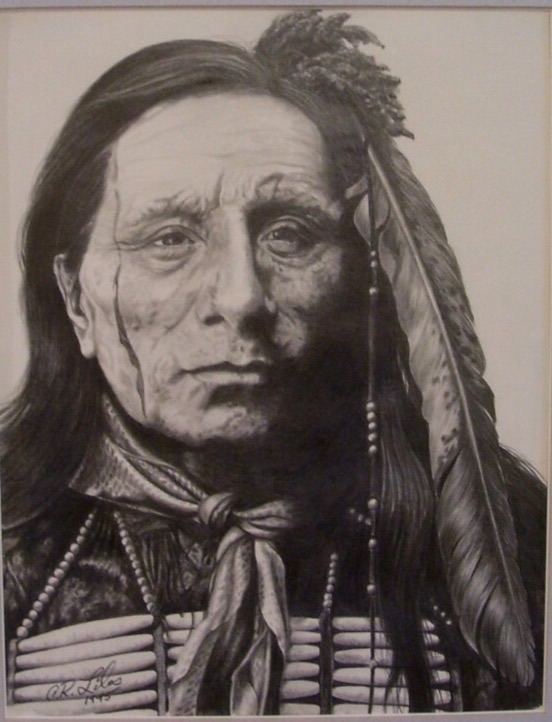
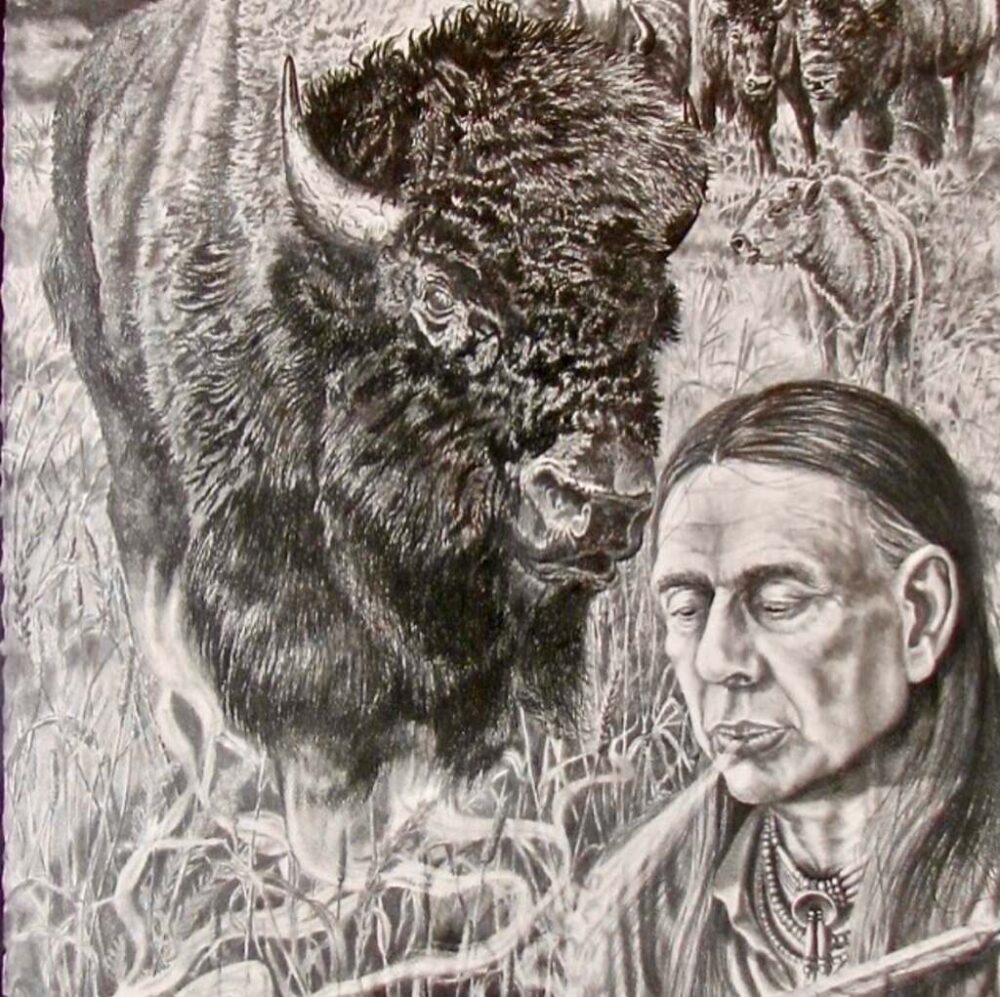
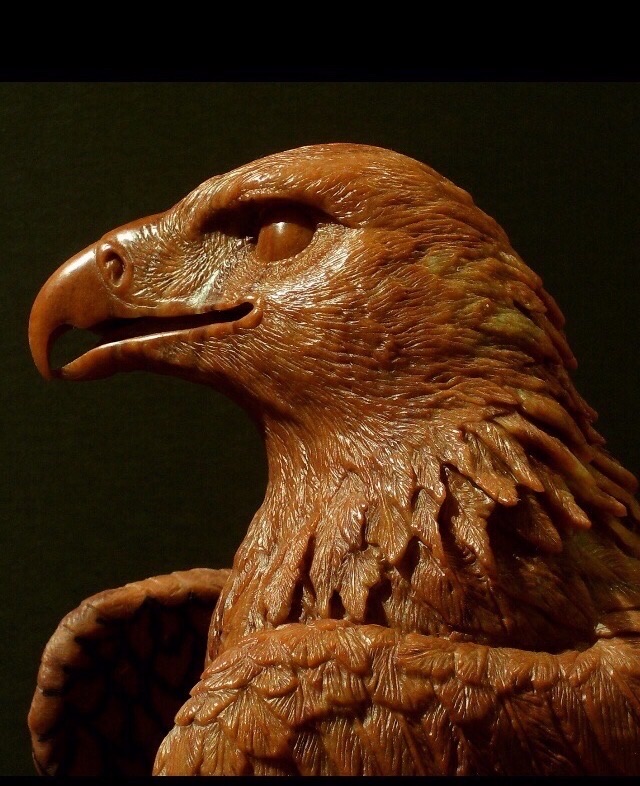
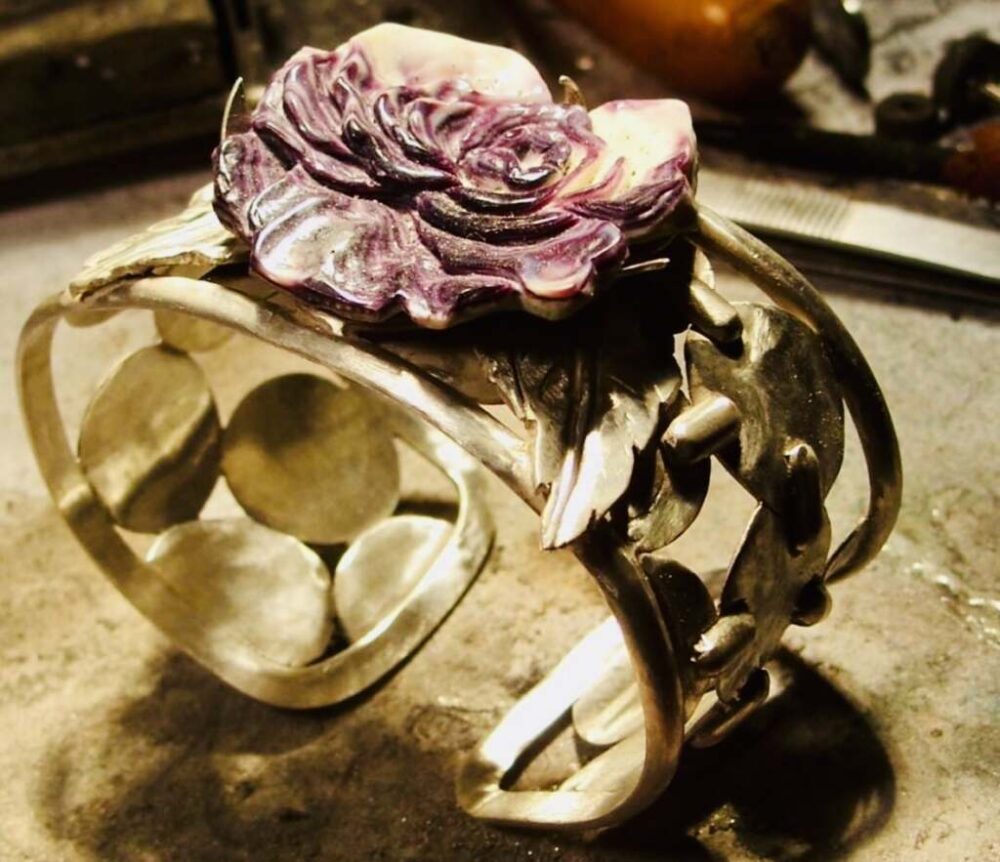
He drew, sculpted, and created — as a child, often in secret — as a means of survival. His work spans alabaster sculpture, painting, drawing, jewelry, furniture, and design.
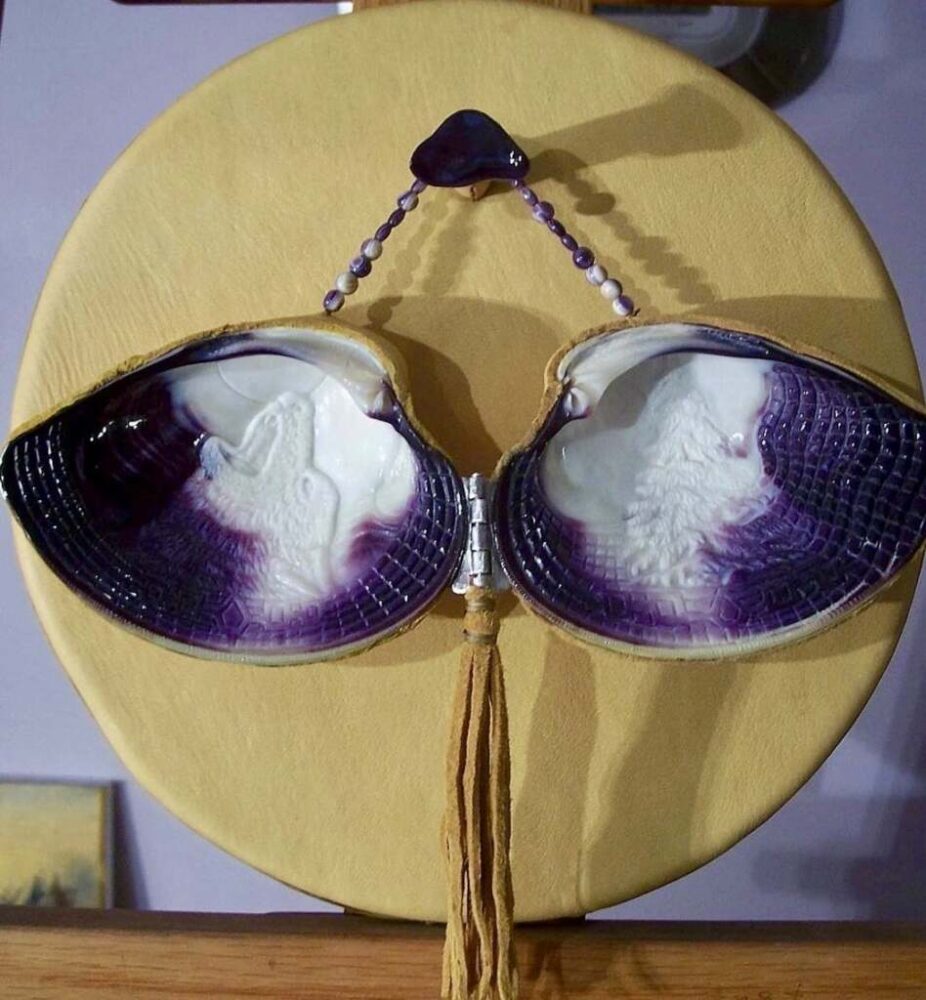
For most of the 33 years Gelb lived in East Hampton, telling his story became her passion project. Even as life intervened and the project was sidelined at times, she kept returning to it — drawn to both the emotional depth of his work and what it revealed.
There was a reason he began creating at age 3.
“Wake the Bear,” released Feb. 3, 2026, was accepted into the Authors Night just one month after publication — a rarity for a first-time, self-published author.
Gelb credits longtime friend Julie Ratner for being her advocate.
Ratner, who lives near Liles and knows both his work and his history, immediately recognized the significance of the book. She submitted copies directly to key figures behind Authors Night, including event co-chair Sheila Rogers and authors reception chair Patti Kenner.
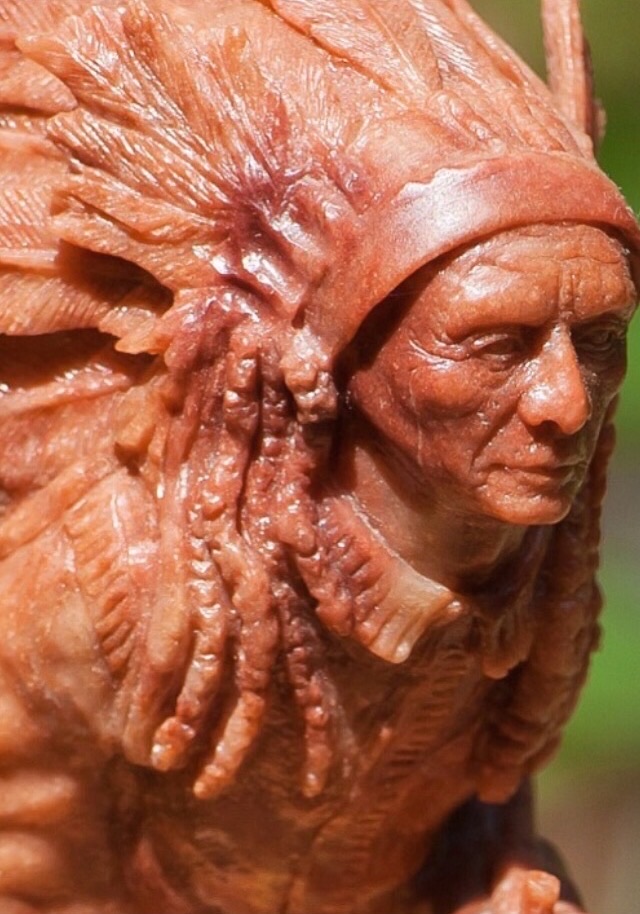
Ratner has been personally connected to Liles’ journey — at one point housing his belongings and artwork when he was forced out of the small apartment where he had been living above a garage in East Hampton.
She did not hesitate — and she was clear about why:
“Chris has had an extraordinarily painful, difficult life, and he persisted. And one of the reasons he persisted is because Leslie — years ago — saw a very special part of this man who was wounded. She saw the brilliant artist, the incredibly kind and decent person, and that his art saved him. Leslie was his safe haven. She is a kind and beautiful person and gets what matters in the world.”
Shortly after submitting the book, Gelb received a 7 a.m. message from Ratner saying she had entered “Wake the Bear” for the second Saturday in August — and that it had been accepted.
After decades in the making, momentum is building quickly.
Social media creators are picking up on “Wake the Bear.” Podcast invitations are coming in, along with conversations about other outlets for the story. Gelb holds the movie rights and is open to all possibilities.
Her focus is clear: getting Chris’ story out.
She wants the book to open discussions about identity, foster care, dysfunction, art, and survival — and ultimately to find its way onto high school and college reading lists across disciplines.

Authors Night on Aug. 8 will mark a full-circle moment.
Gelb, who left East Hampton in 2019 after more than three decades, now lives in Palm Springs with her spouse, Dafna Priel, and their son, Bobby Priel-Gelb, who created the cover art.
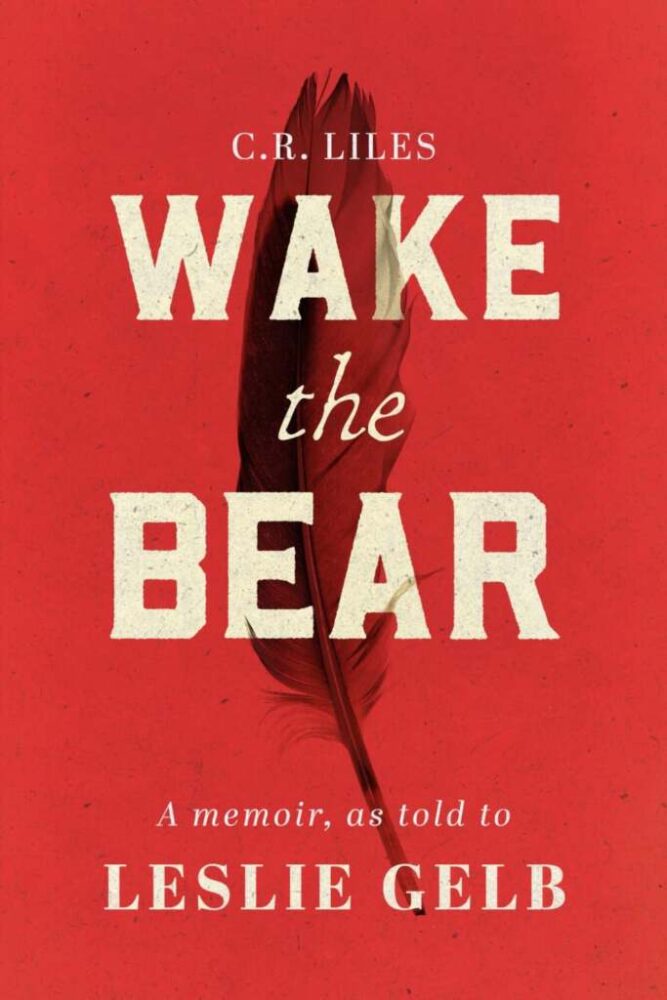
“I have to thank Bobby,” she says. “He told me, ‘Just get it out — don’t edit it anymore, don’t look for blurbs — get it out.’ And I did. And I stopped at the right place.”
The title is highly metaphorical.
“The bear hibernates, and only comes out when he’s safe and he’s ready,” says Gelb. “I think Chris is so strong in his spirit and his authenticity, his decency as a human being, intact I think he has emerged from this dark, dark cave.”
What impressed you about Chris’ story?
The resilience of the human spirit. I thought, this is a movie. It was so cinematic. Every time he talked, I was seeing it. Thirty-five foster homes, the violence, two tours of Vietnam, prison first in Florida where he escaped, and then a Huntsville, Texas, prison. It was like a “Dead Man Walking” movie. At age 21, he was put in with hardened criminals and told he was not going to leave except feet first. The abuse, the racism — and then, of course, his incredible art.
Where did Chris grow up?
Upstate New York, in Elmira. His parents were in New York, and he was put into foster homes. Chris’ mother struggled with severe alcoholism, and the environment he grew up in was deeply unsafe and chaotic.
At one point, after living in Rochester, he moved to Florida to get out of the cold. He was a terrific cook and got a job as a chef, but he suffered from nightmares about his childhood.
He went out at 2 a.m. to have a cigarette and take a walk and was stopped by police, who questioned him extensively. He had long hair, Native American. They brought false charges against him, and he was sent to Broward County jail, where he thought for sure they would kill him.
Why did he join a biker gang?
When he got out of prison, all he was doing was his art. It was the only world that took him away because he was so ruined. The only people he felt accepted him then were bikers, who were really messed up. It was a very violent time. He joined a notorious biker gang — where he met his first wife — who wanted to live a life like Bonnie and Clyde. He didn’t know what love was though he really wanted it.
In prison, he did so much art that they turned the laundry room into an art space. He was a good prisoner. All he wanted to do was paint, sculpt, and draw.
How did Chris end up in East Hampton?
After leaving that world, he wanted a peaceful life. He began working for artist Colin Webster-Watson, who had a lot of socialite clients and offered him a job in New York helping with his work. Chris ended up in East Hampton and began building a life through his art.

He made sculpture, jewelry, furniture — supporting himself quietly, below the radar, through resilience and discipline.
How did the book come together?
When my son Bobby was in seventh grade, he was assigned The Absolutely True Diary of a Part-Time Indian. It is a first-person narrative about a young Native American boy who is bullied and processes life through drawing cartoons. That made me think Chris’ story could be told in a similar way — as a memoir in his own voice.
It took years to shape it into a story the way Chris told it.

I thought maybe it could be for young adults, maybe it would get young boys reading — statistically they are the worst readers.
I decided to self-publish because it is hard to get an agent, and with a publishing house, they own it and make decisions like the cover. I did not want anyone else to own it.
How does Chris feel about the book?
Chris is thrilled. He has not read the book because he lived it and does not need to read it. The other day he said maybe he will read it, but it is very hard for him. He is proud of it and hopes it helps people going through adversity.
Will he be at Authors Night?
I do not know if Chris will show up. Maybe he would do a quiet room vs. one-on-one with big crowds. I hope he goes.
Why do you think Chris trusted you?
I think I have a very gentle demeanor. I am not judgmental. I listened and I cared. a lot. And I love him — we are like family. We talk every day, at least once or twice. We joke that I am the “Chris whisperer.”
Is he still making his art?
Yes. His trauma never goes away — childhood violence, war, prison, gang life. You push it out and create your own safe world, and for him that is art. He creates the most unbelievable things in that small space.
What books would you compare “Wake the Bear” to?
Finding Fish, The Glass Castle, The Lost Boy, and The Absolutely True Diary of a Part-Time Indian. It is closest to “Finding Fish” and “The Glass Castle.”
What is your hope for “Wake the Bear”?
The hope is that Chris’ story will resonate across generations — that if he did not turn bitter, there is hope.
Parents need to protect children. So many systems in this country fail young people. It should be every child’s birthright to be born into a loving family, and when that does not happen, tragic things can follow.
The message is also simple: listen — listen to children. That was part of Chris’ story. Nobody listened to him.
You listened to him.
I did. It must mean something.
Leslie Gelb has been a lifelong advocate for children at risk, supporting organizations that uplift young people, including The Felix Organization, which enriches the lives of children in foster care. Inspired by her father, Victor Gelb, a former president of National Big Brothers of America, she has dedicated much of her life to helping others. She is currently working on a book project about the poet and performer Margot de Silva, titled Liquid Kiss.
“Wake the Bear” is available on Amazon.
Gelb will be in East Hampton signing copies at Authors Night on August 8, 2026.
Instagram: @lesliegelb
Authors Night website: authorsnight.org