The 1977 abstract by the legendary Springs, East Hampton, artist led a $61.1 million London… Read More →

The 1977 abstract by the legendary Springs, East Hampton, artist led a $61.1 million London… Read More →
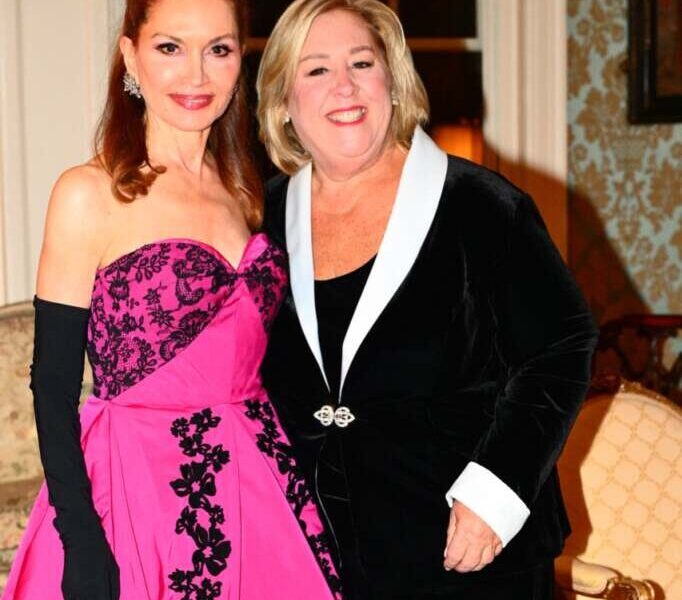
An evening honoring outstanding community leaders at the NYC home of Jean Shafiroff, hosted by… Read More →
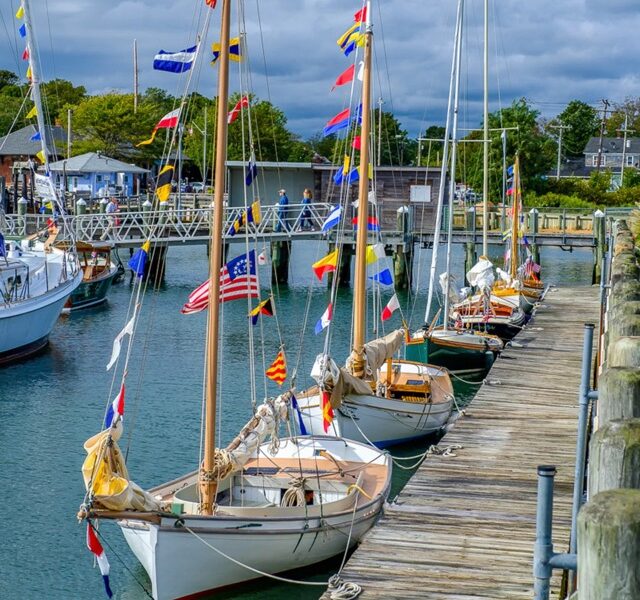
From a major waterfront celebration to Broadway performers, autumn festivals and a few unexpected outings,… Read More →
From big-name performers to local celebrations and a few unexpected outings, here’s where to go… Read More →

With deer mating season underway, AAA warns Hamptons and North Fork drivers to stay alert… Read More →
Union finds a new Southampton home, CVS Pharmacy prepares to open at Bridgehampton’s new Target,… Read More →
The Ronkonkoma airport, owned and operated by the Town of Islip, takes the No. 1… Read More →

The bestselling author and clinical psychologist brings her approach to conscious parenting to Ross School… Read More →
The brothers, whose crimes extended to the Hamptons, face sentencing Oct. 27. Prosecutors cite at… Read More →
From ‘The Studio’ co-creator Alex Gregory, the new series explores wealth, ambition and the relationships… Read More →
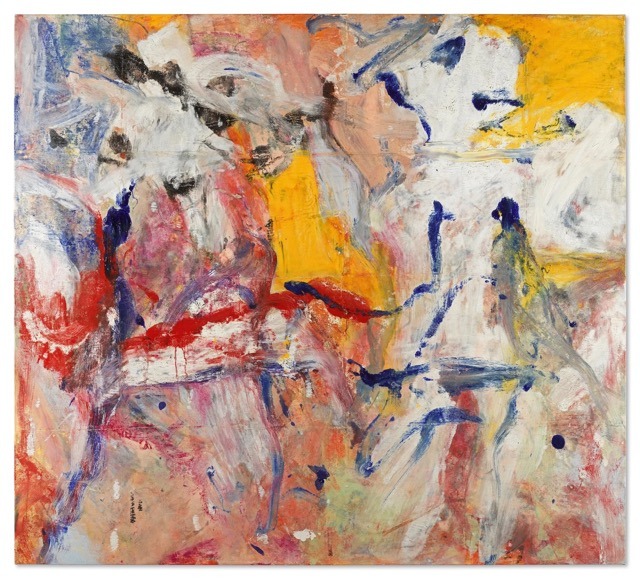
A Willem de Kooning painting from 1977, created during one of the artist’s most celebrated periods in East Hampton, sold for $12.9 million at Sotheby’s London on Thursday, Oct. 15, leading a $61.1 million contemporary art auction at a time when the international art market is undergoing a significant recalibration.
For the Hamptons, where de Kooning lived and worked for decades in Springs, the sale is another reminder of the extraordinary artistic legacy rooted in this small East Hampton community. It also raises a larger question for collectors, galleries and investors: In a market increasingly described as undergoing a reset, which works continue to command top prices?
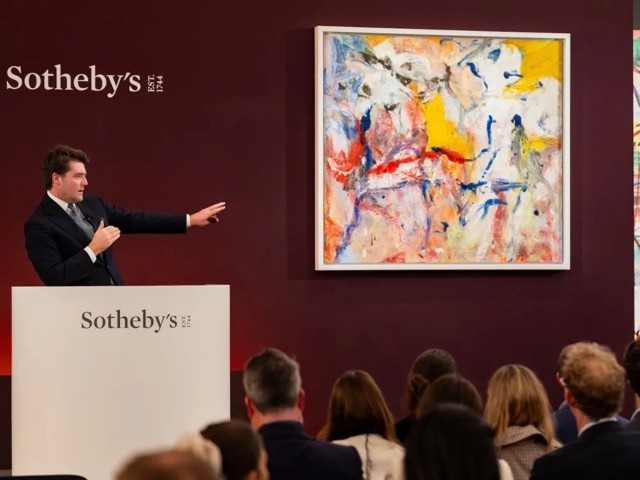
The untitled, 5-foot-wide abstraction carried a presale estimate of $10.6 million to $15.9 million. It sold for $12.9 million, including fees, after hammering at approximately $10.9 million, according to ARTnews, which covered the auction. The de Kooning last came to auction at Sotheby’s in 2015 in New York, when it fetched $6.1 million.
The painting last appeared at Sotheby’s New York in 2015, when it fetched $6.1 million. Its latest sale price was more than double that figure, although the comparison does not account for inflation, transaction costs or the seller’s actual return.
According to Artnet, the result also marked the highest price paid for a de Kooning work at a European auction.
De Kooning, one of the defining figures of Abstract Expressionism, began visiting the East End in the 1940s and moved permanently to Springs in 1963. His studio became the setting for some of the most important work of his later career.
He was part of an extraordinary artistic community that included Jackson Pollock and Lee Krasner, whose home and studio on Fireplace Road helped establish Springs as a center of postwar American art.
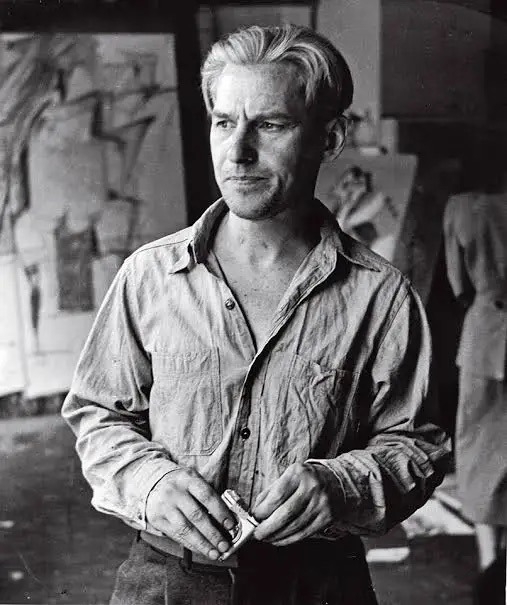
But the East End was more than a place to live. Its landscape fundamentally changed de Kooning’s painting.
The water, shifting light, beaches and open vistas reminded the Dutch-born artist of his native Holland. In a 1972 interview with art critic Harold Rosenberg, de Kooning described the unusual colors he observed when light struck the water and grass, and how he incorporated those tones into his paintings.
By 1975, after devoting considerable attention to sculpture and other media, he returned to painting with renewed energy. The large, richly colored abstractions that followed, particularly those of 1977, are considered among the high points of his career.
The painting sold in London belongs to that period, making its East Hampton connection especially significant. The colors and movement that collectors prize today were shaped in part by the landscape surrounding his Springs studio.
The Sotheby’s sale coincides with an exhibition at the Parrish Art Museum in Water Mill that explores the very artistic community that helped shape de Kooning’s career.
Abstract Expressionism: The East End, 1940 to Today, on view through Feb. 14, 2027, traces the movement’s development on the South Fork and its continuing influence on contemporary artists.
The exhibition includes work by Willem and Elaine de Kooning, Lee Krasner, James Brooks, Charlotte Park and other artists whose lives and careers were intertwined with the East End.
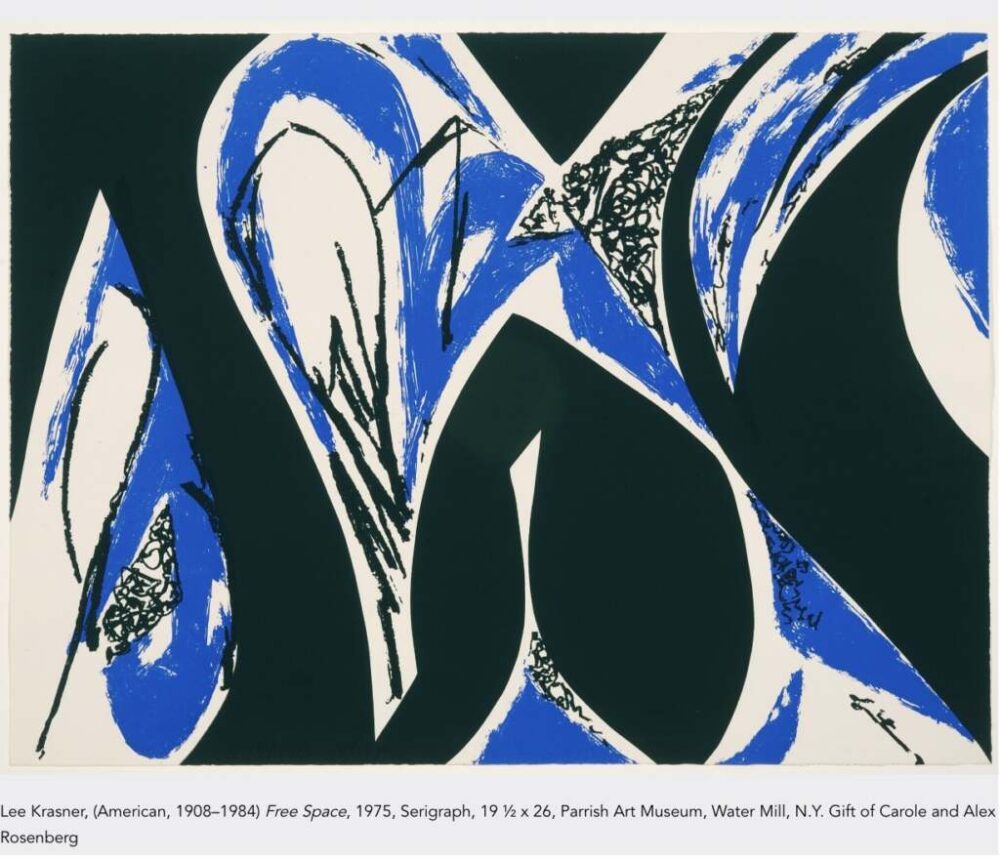
It also revisits the early relationships that helped establish Springs as an artistic destination. Pollock and Krasner encouraged Willem and Elaine de Kooning to spend time at their Springs home in 1948, part of a network of friendships that would help transform the region into an important center of American art.
The exhibition includes paintings and sculpture by Willem de Kooning from the 1970s and 1980s, providing a particularly timely opportunity to consider the work of the artist whose 1977 abstraction has just commanded nearly $13 million in London.
Despite de Kooning’s strong showing, the Sotheby’s sale reflected the caution that has characterized much of the high-end art market.
The auction brought in $61.1 million, including fees, against a presale estimate of $55.3 million to $77.8 million. The hammer total, which excludes auction house fees, was approximately $48.9 million, below the low estimate.
Of the 34 lots offered, 28 sold. Works by Banksy, Georg Baselitz, Lucian Freud and other prominent artists failed to find buyers. Three additional works, including pieces by Damien Hirst and Anselm Kiefer, were withdrawn before the auction.
“I would say the market is very cautious,” art historian and consultant Ivana Miloradovic told ARTnews at the sale. She observed that many works either underperformed or sold near the bottom of their estimates.
Yet the picture was hardly one of universal weakness. A day earlier, Christie’s London generated $289.4 million across two evening sales, more than double the comparable total last year, while dealers at the Frieze art fairs reported encouraging sales.
The contrasting results suggest that collectors are still spending substantial sums, but are increasingly discriminating about quality, rarity and price.
The term “reset” has become increasingly common in discussions of the art market following the extraordinary spending of the pandemic years and the subsequent slowdown in high-end transactions.
According to the 2026 Art Basel and UBS Global Art Market Report, worldwide art sales rose 4% in 2025 to $59.6 billion following two consecutive years of declines. But the recovery was uneven, and the market remained below its 2022 peak.
Public auction sales increased 9%, while the combined postwar and contemporary art category declined 2%, marking its fourth consecutive year of falling sales values.
The report also revealed a striking divide between the highest end of the market and more modestly priced works. Auction sales of artworks priced above $10 million increased 30% in value in 2025, while sales below $50,000 declined 2%.
The findings suggest that the market is not experiencing a uniform decline. Instead, demand is increasingly concentrated around exceptional works with established art-historical importance, while other segments face greater pressure.
De Kooning’s $12.9 million sale fits that pattern.
De Kooning remains one of the most valuable American artists in the world.
His 1955 painting Interchange reportedly changed hands privately for approximately $300 million in 2015, placing it among the most expensive artworks ever sold. His auction record stands at $68.9 million for Woman as Landscape (1954-55), sold at Christie’s New York in 2018.
The London sale was not a new record for the artist, but its significance lies in the sustained demand for an important painting from his celebrated late-1970s period.
Other works at Sotheby’s produced more mixed results. Gerhard Richter’s Abstraktes Bild (1992) fetched $8.9 million, including fees, after hammering below its low estimate. A 1969 Mark Rothko abstraction brought just under $5 million.
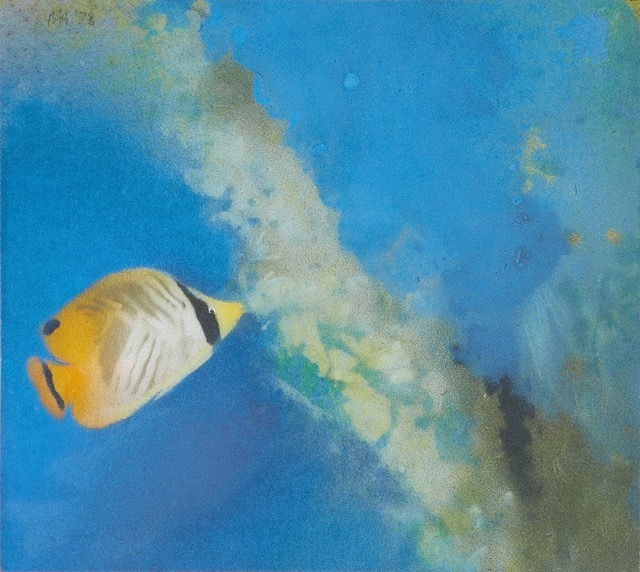
Meanwhile, Michael Andrews’ Butterfly Fish (1978) far exceeded expectations, selling for approximately $933,000 and setting an auction record for a work on paper by the British artist.
For collectors on the East End, where contemporary art has become an increasingly prominent part of the cultural and economic landscape, these results offer a useful reminder that the art market is not one market moving uniformly up or down.
Artist reputation, the period in which a work was created, provenance, condition, rarity and the expectations of sellers can all influence the outcome.
Even among the most celebrated names, not every painting commands the same level of interest.
Long before the Hamptons became an international destination for collectors, galleries and art fairs, de Kooning and his fellow Abstract Expressionists were creating works that would help redefine American painting.
Their influence is still visible in the region’s museums, studios and contemporary art community.
The latest Sotheby’s sale offers a striking measure of that legacy. Nearly 50 years after de Kooning painted his 1977 abstraction, a work informed by the light and landscape of Springs remains a major attraction on the international auction stage.
And in a market where collectors are increasingly selective, the artistic history of the East End continues to carry considerable weight.
IF YOU GO
Abstract Expressionism: The East End, 1940 to Today
Through Feb. 14, 2027
Parrish Art Museum, 279 Montauk Highway, Water Mill
The exhibition explores the artists who established the East End as a center of Abstract Expressionism and the movement’s lasting influence.
https://parrishart.org/exhibitions/abstract-expressionism/