From a waterfront Thanksgiving feast and writers salon to Christmas cocktails, live music and a… Read More →


From a waterfront Thanksgiving feast and writers salon to Christmas cocktails, live music and a… Read More →
In a free Nov. 15 program, Sag Harbor Cinema pairs two films about the psychological… Read More →
The parents of Cesar Albarracin Guncay allege negligence and inadequate supervision during the fatal school… Read More →

After selling out WHBPAC in 2025, the comedian returns to Westhampton Beach on Nov. 7… Read More →

The former Gin Lane residence of the legendary Pop Art pioneer, offered for the first… Read More →

The 61-year-old attorney, who held key positions in East Hampton Town government, is accused following… Read More →

LUNCH Lobster Roll is teaming up with Color Me Mine Bridgehampton for an evening of… Read More →

From Thanksgiving feasts and hands-on pie making to a holiday market, tree lighting and cocktails… Read More →
With waterfront access, a proud year-round community, a little Long Island roadside history, and homes… Read More →

Big-name comedy, legendary music, art & film, restaurant deals, an oyster celebration and Veterans Day… Read More →
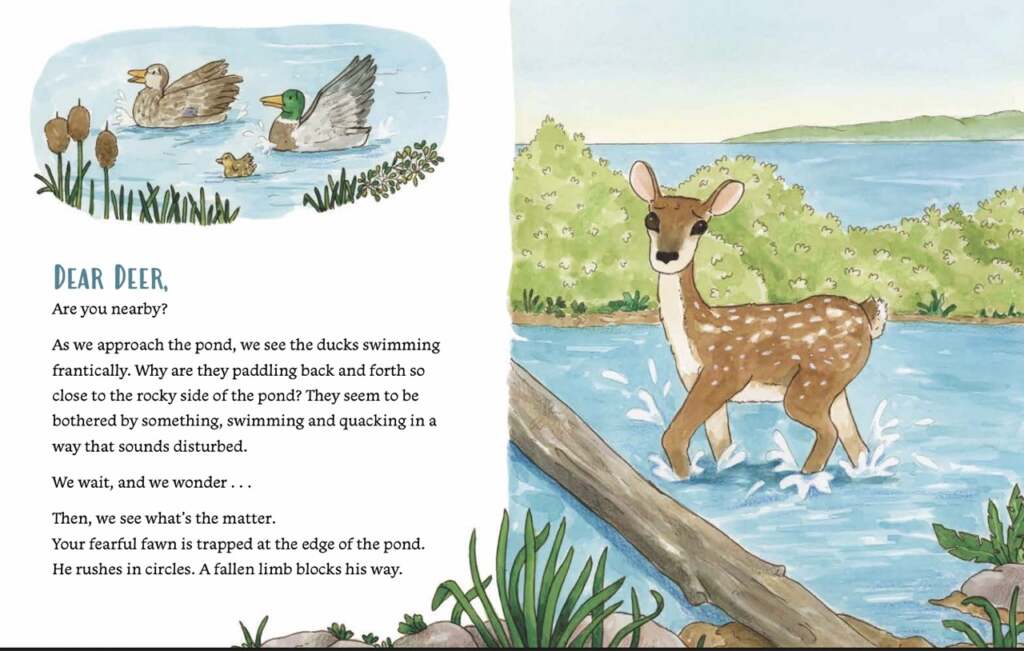
Anyone who has spent time on the East End knows the sight of a deer emerging from the woods, pausing in a clearing or wandering across a lawn. Sometimes there’s a fawn close behind, a scene that can stop even the busiest among us in our tracks. But what happens when a young deer needs help? And how do we know when to intervene — or when to let nature take its course?
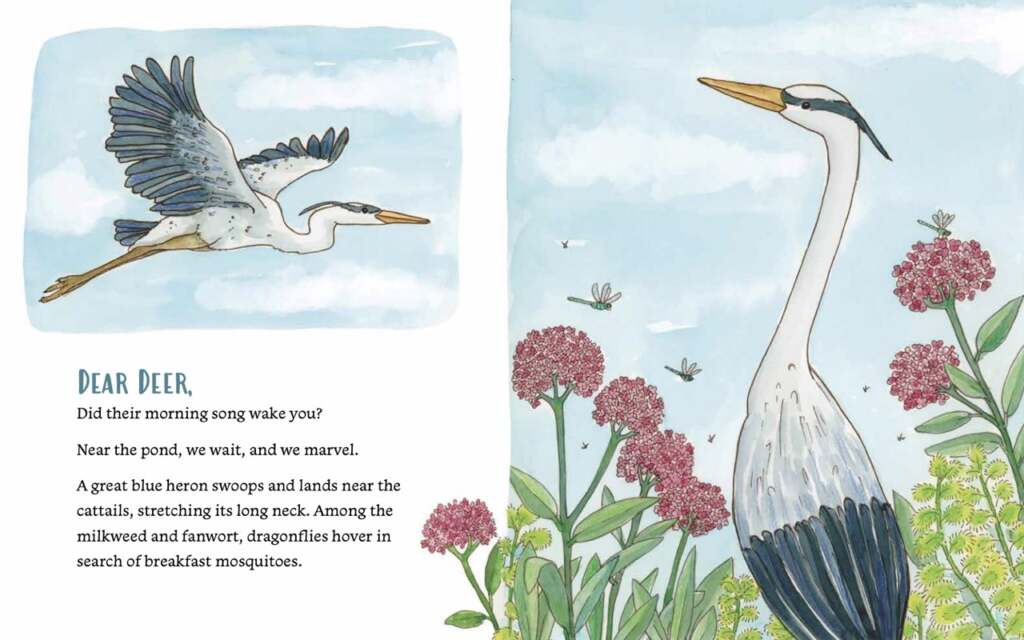
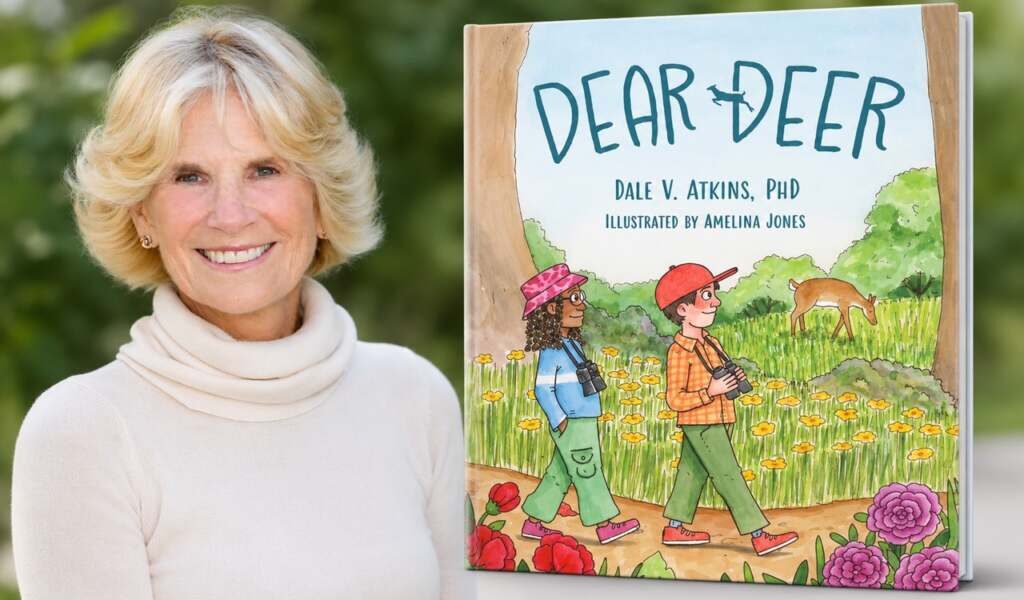
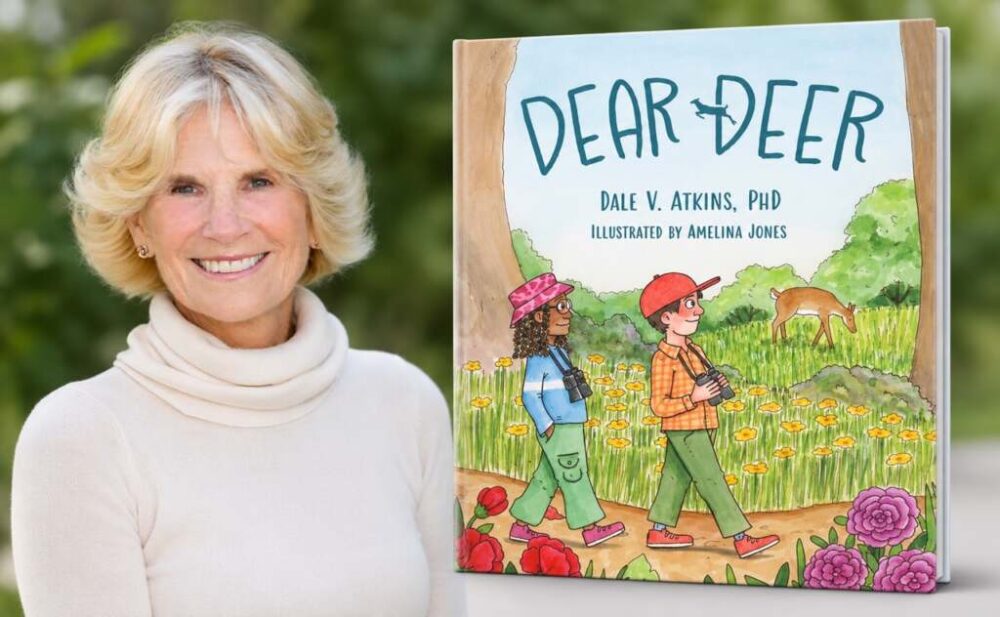
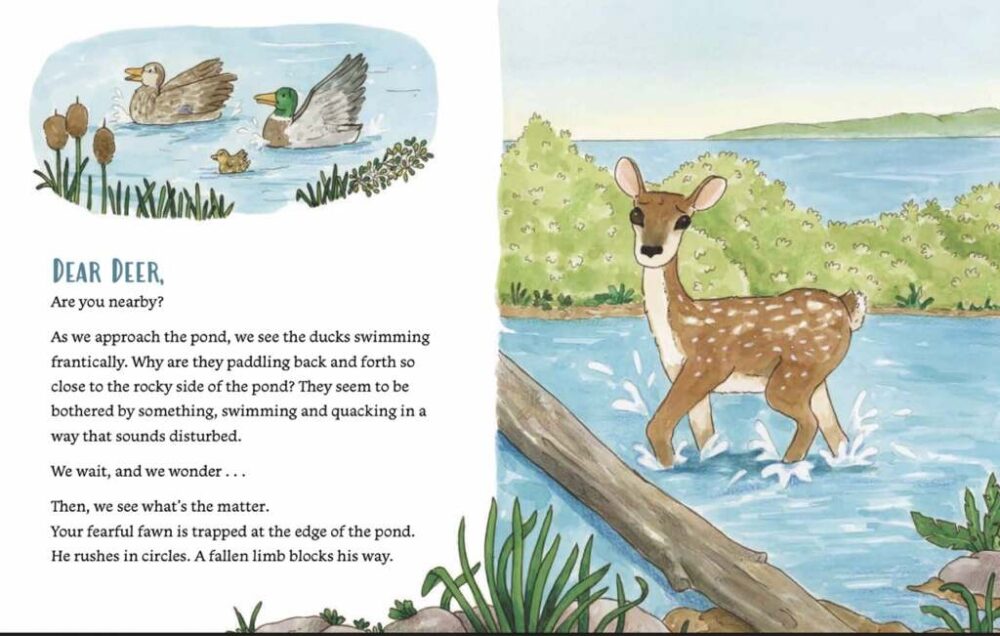
That’s the question at the heart of Dear Deer, the award-winning new children’s book by Dr. Dale Atkins, a psychologist, author and longtime contributor to NBC’s TODAY. Beautifully illustrated by Amelina Jones, the story follows two adventurous children who encounter a doe and her timid fawn while exploring the woods. When the fawn finds itself in distress, the children face a dilemma: How can they help without doing harm?
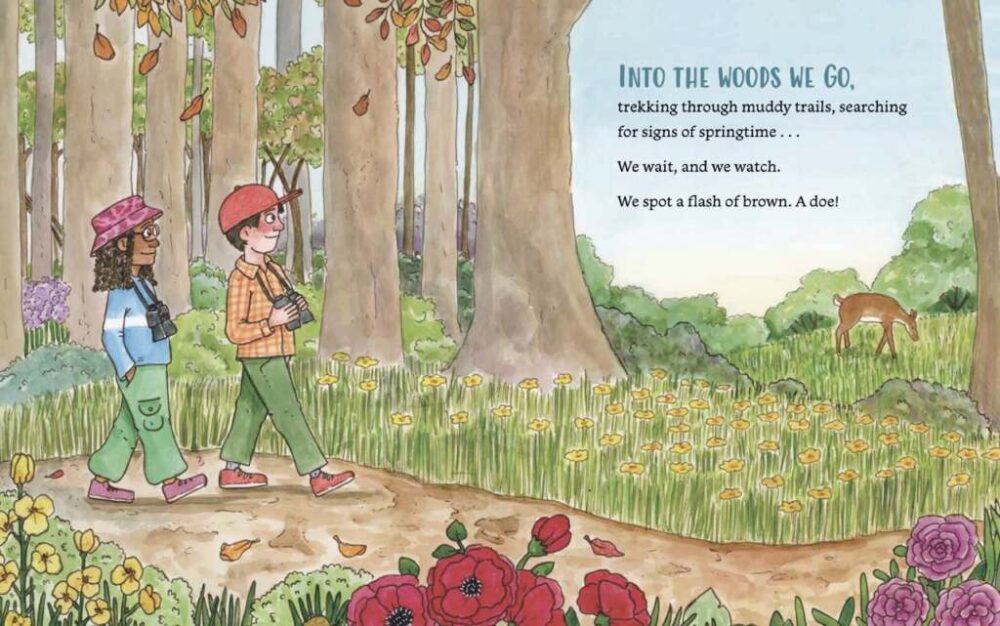
Dear Deer is a story of childhood discovery, empathy and the importance of paying attention to the world around us. Published by Mascot Books, it was named a July Pick of the Month by Amy’s Bookshelf and Podcast and a 2026 PenCraft Book Award runner-up in the Children’s Nature Books category.
For Atkins, who has spent more than 40 years helping people navigate relationships, family life and emotional challenges, those lessons extend well beyond the pages of a children’s book. A lifelong nature lover, she regularly shares her walks and observations about the natural world on social media, finding connections between what she sees outdoors and the ways we think, feel and relate to one another.
The author of nine books, Atkins also published The Turquoise Butterfly earlier this year, a tribute to her late mother that gently explores grief, loss and the bonds between generations. It received a 2026 PenCraft Book Award in the Children Dealing With Emotions category and a Literary Titan Gold Book Award.
Spark Hamptons spoke with Atkins about the restorative power of nature, raising empathetic and resilient children, and finding meaningful connections in a world of screens.
Spark Hamptons: Nature has always been important to you. What is it about being outdoors that affects us so deeply?
Dale Atkins: Being able to be in nature reminds us consistently that we are, first of all, a part of it, not separate from it.
In nature, you’re constantly in awe. And it requires that we notice things. “I was here last year, and that tree was shorter.” It requires that we pay attention.
You have to slow down when you’re in nature. And if you do, then you have this incredible response. There are some wonderful studies that talk about changes in every aspect of your physical being, as well as your emotional and mental well-being.
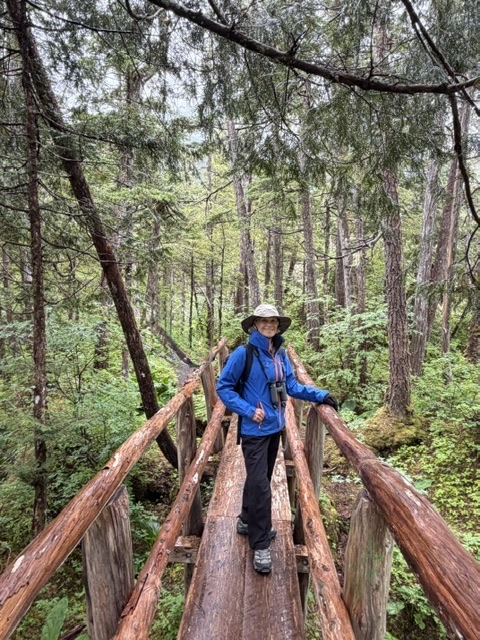
I’ve always loved nature, and it’s always been a place for restoration, for dealing with grief, for dealing with problems. I go out and I try and find a different solution, and I look at something in nature.
That’s how the nature walks started during COVID. I would look at something and say, “Well, that’s interesting. What is the link with human biology and human behavior?”
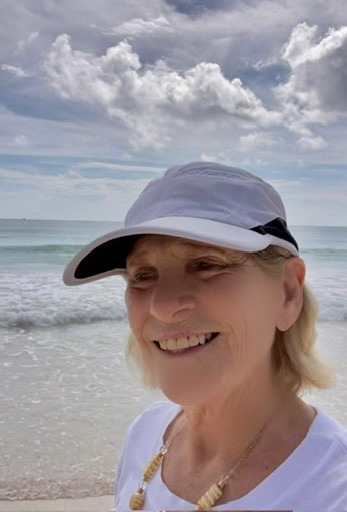
It never ceases to amaze me and inspire me. I feel whole when I’m in nature. I don’t feel bifurcated. I don’t feel like I’m split. I don’t feel like there are 8,000 things requiring something of me. I just want to be there and walk and pay attention to the sounds and the sights and the colors.
And then I come back restored, and I can do a lot of things that I didn’t think I’d be able to.
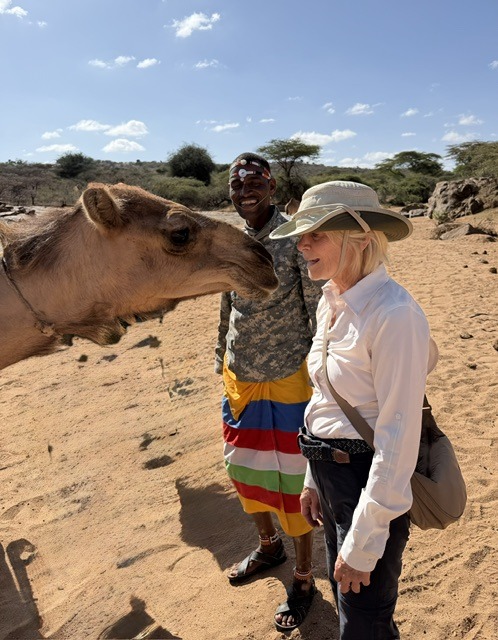
How does spending time in nature help children develop empathy and resilience?
When you develop a relationship with an animal that you’re watching and you’re connected with, you really want to try and see what it’s like for them.
What’s it like for them when it’s cold? What’s it like for them when there are other animals looking?
And then once you can start to do that, and you can try to problem-solve, then it seems to transfer. Some of the studies are showing that empathy transfers to human relationships, and it’s very much connected to resilience in kids. It’s just remarkable.
What are some of the biggest challenges you’re seeing in families today, particularly when it comes to children and their parents?
I can shout from the rooftops about how important it is for kids to get off their phones for chunks of time and go into nature, or watch a plant grow, or look at a tree on your street, and engage in a conversation about it with your child.
I think that one of the biggest challenges is just being able to get the attention of the children and their parents, and really have undivided attention. Because what the message often is when somebody is engaged in something else is, “That’s more important than you are.”
I’m not saying that a child has to be number one all the time. But the message when you’re trying to communicate with your kid about something is, “Oh, isn’t that pretty? Wow, look at the different shape on that leaf from that one. And what do you think about the bark on this? Did you notice the difference?”
Noticing and paying attention is something that you can really teach, but you can’t teach it if you’re not doing it.
I really believe that children need to have people who they can depend on for anything, and that they teach them skills to be independent, but they do it gently and lovingly.
There are fewer distractions when you’re out in the park or watching the ocean. Once you relax, kids will talk much more. People will be much more conversant because you come in the back door.
You don’t have to be a therapist to be able to make links with things.
You also see children struggling with expectations. How can parents help?
Parents need to be really honest and not whitewash our histories, because I see a lot of kids, particularly of parents who are very accomplished, think that their parents never had a struggle and never had difficulty.
And they think they’re all supposed to be very accomplished, very competent, without having failures, without having hiccups.
A lot of these kids suffer early on from impostor syndrome. They pretend that they’re really able to do stuff or understand stuff that they don’t.
I just think that not feeling that connection is what kids are suffering from.
Sometimes the parents say, “Oh, well, I can’t compete with the phones.” Well, actually, it’s not a competition. It’s really kind of setting some rules that make sense.
What kinds of rules do you recommend when it comes to electronics?
Dale Atkins: I’m certainly not in favor of either-or. I’m in favor of trying to find a balance that works for your family.
I think the first thing is, if people are able to eat a meal together on a regular basis, there shouldn’t be any phone around.
And when somebody has a question, “Oh, well, let’s just check.” And they are back on the phone. No, you don’t have to check right now. Either you use your memory and try and figure it out, or you say, “We’ll do it later.”
I think there need to be device-free activities and moments. After a movie, put your devices away so that you can have a real conversation.
There are so many interpersonal skills that kids growing up on devices are not learning. Just ways to interact that are human skills, human interactive skills.
So I guess my direct answer to your question is, you say, “This isn’t working. This isn’t working for me.” And I really feel that I want to have in our family — which is a phrase I always love, “in our family” — “this is what I feel is missing. Let’s try it.”
I would also elicit the kids’ responses. “When is a good time for you that we all put our devices away and we just watch a movie, or we talk, or we read an article together?”
But the parents have to drive it, because most kids are not going to suggest it.
The parents think it’s going to be a knockdown, drag-out fight. It often isn’t.
You start small.
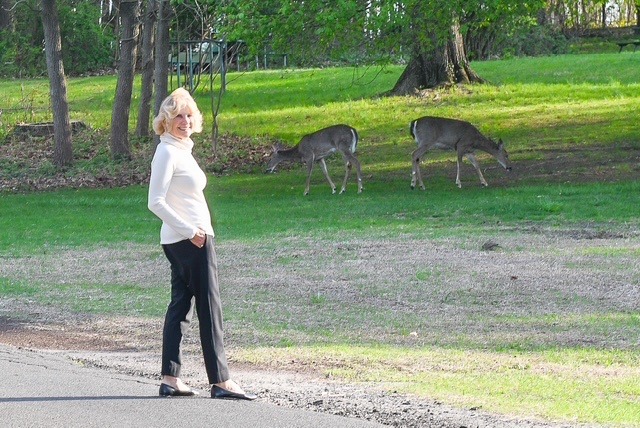
And even a short walk together can make a difference?
Absolutely. You feel the connection. You feel the energy, and it’s different.
I really like when people can tune into that and say, “My God, my shoulders are not under my ears. And I feel so much more relaxed just when we took this short walk.”
Just in the city, if you’re going across town, try to go through the park. Or if you’re going downtown, go over five more blocks and go to the park, and just put your phone away.
That’s another way to disconnect from the craziness and reconnect with yourself and what’s important to you.
You’ve written two children’s books this year. Are there more stories you want to tell?
Dale Atkins: I was working on a book about osprey, and then my dog died. My magnificent Samson died, and he was 18 years old, 18 years and eight months.
He and I were inseparable, and as I was going through his things, I realized that I have so much stuff, because he and I were a therapy dog team. He helped so many people.
It may be too early for me, but I think I might write a book about a therapy dog.
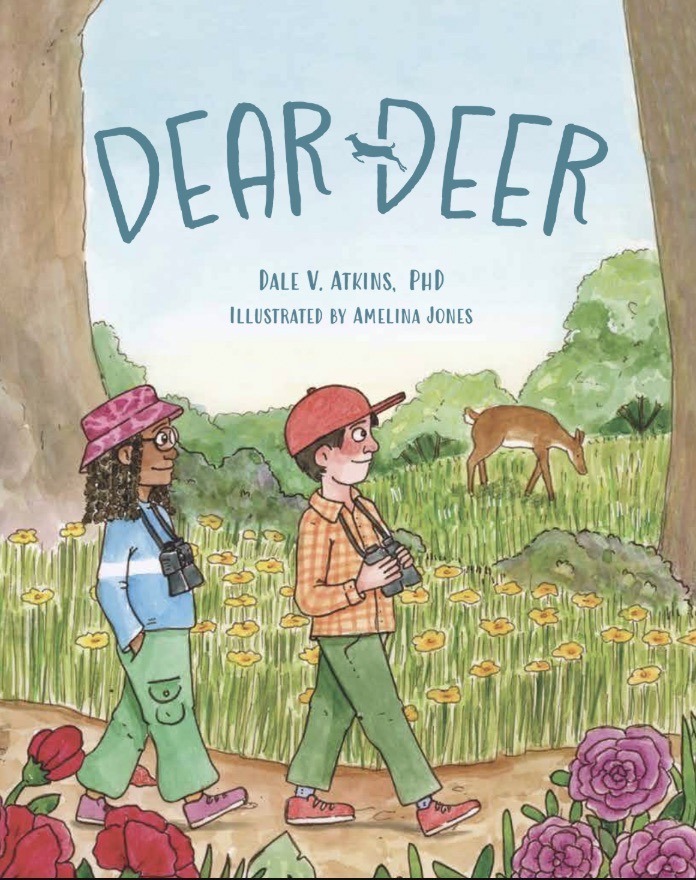
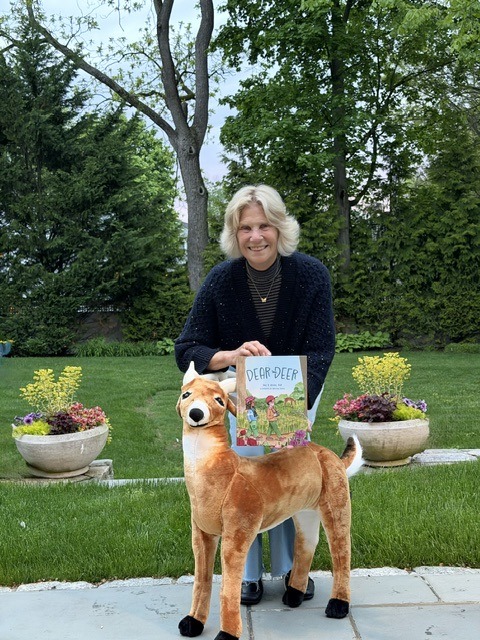
Dear Deer, written by Dr. Dale Atkins and illustrated by Amelina Jones, was published June 2, 2026, by Mascot Books. The illustrated hardcover is recommended for ages 3–8.
Where to Find Dear Deer
Dear Deer is also available through booksellers. Hardcover ISBN: 9798891388277.