Democratic nominee says he won’t be “shamed into silence” as years-old photos become the latest… Read More →



Democratic nominee says he won’t be “shamed into silence” as years-old photos become the latest… Read More →
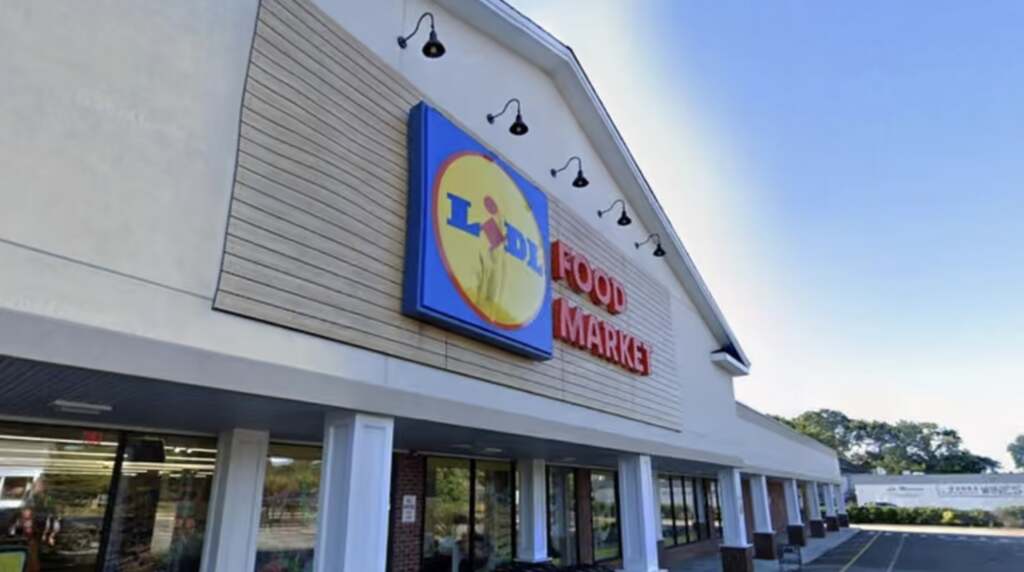
The discount grocer is leaving Westhampton Beach — and there’s already a plan for what… Read More →
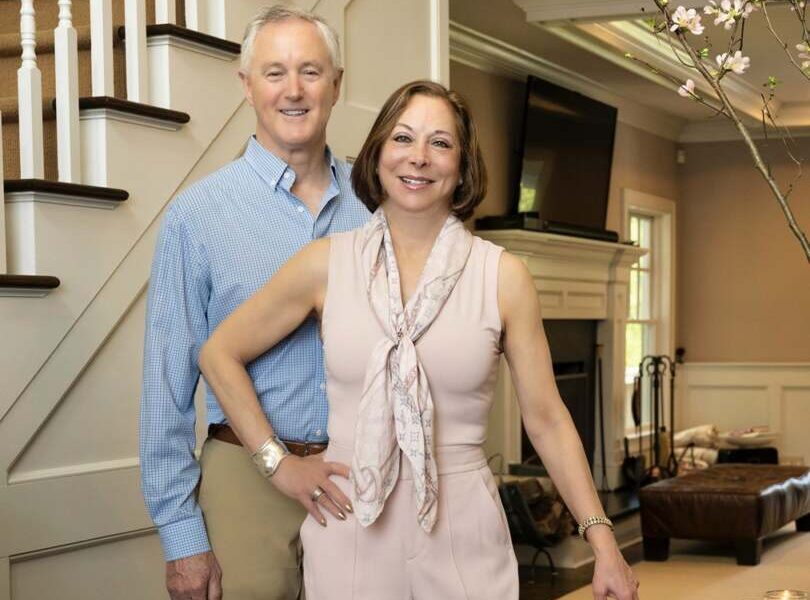
East Hampton brokers Julie Pinkwater and Will Metzger make the brokerage move with $160 million… Read More →
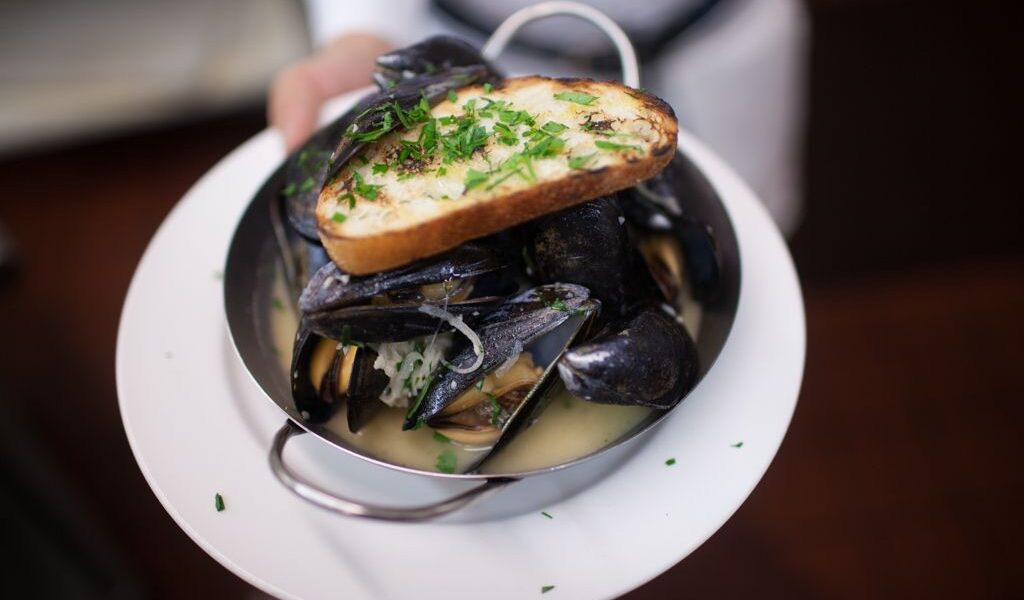
From prix fixe dinners and $25 burger-and-beer nights to bottomless mussels, lobster specials and happy… Read More →

A high end Hamptons store, a high maintenance family, and the clutch decision that revealed… Read More →
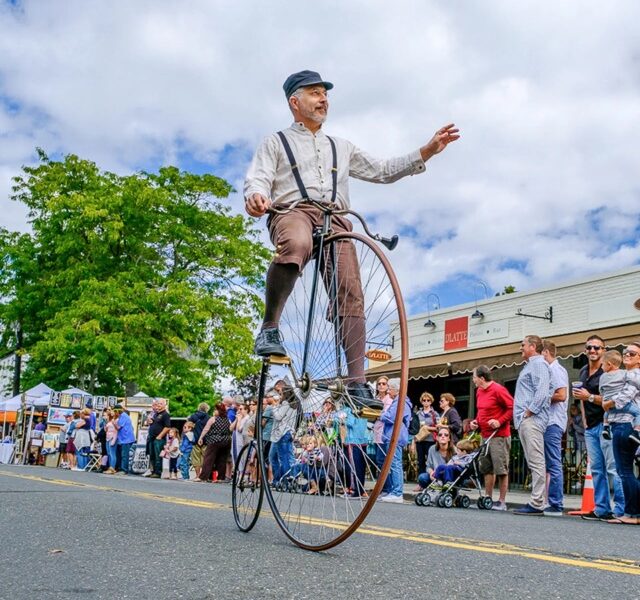
The best fall festivals, fairs, film, food, music and harvest events across the Hamptons and… Read More →
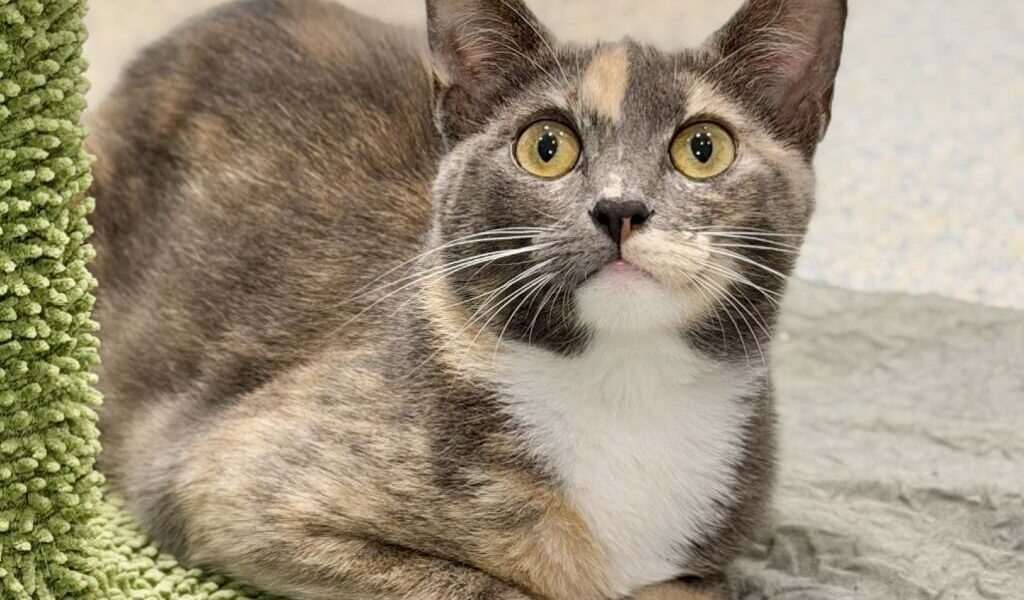
Feline panleukopenia can be fatal, particularly for kittens and unvaccinated cats, and even indoor cats… Read More →
Olivia Colman, Alexander Skarsgård, Amanda Seyfried, John Turturro, Jesse Eisenberg and Ron Howard are among… Read More →
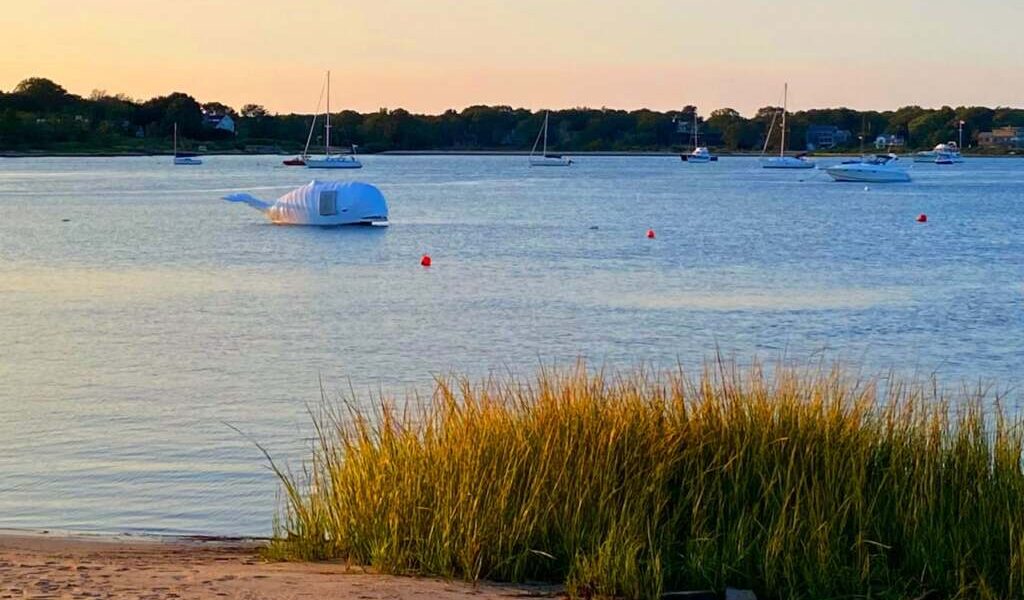
The annual waterfront festival returns Sept. 19-20 with whaleboat races, the fall arts and crafts… Read More →
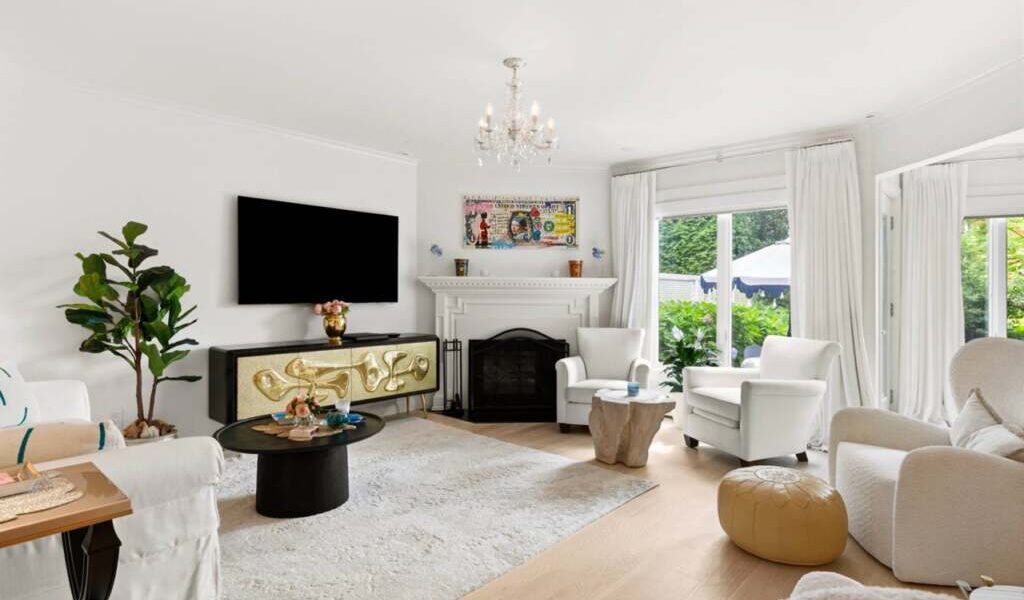
Bonnie Kay Haydon, mother ofuth Vanessa Trump, is asking $3.75 million for the renovated three-bedroom… Read More →
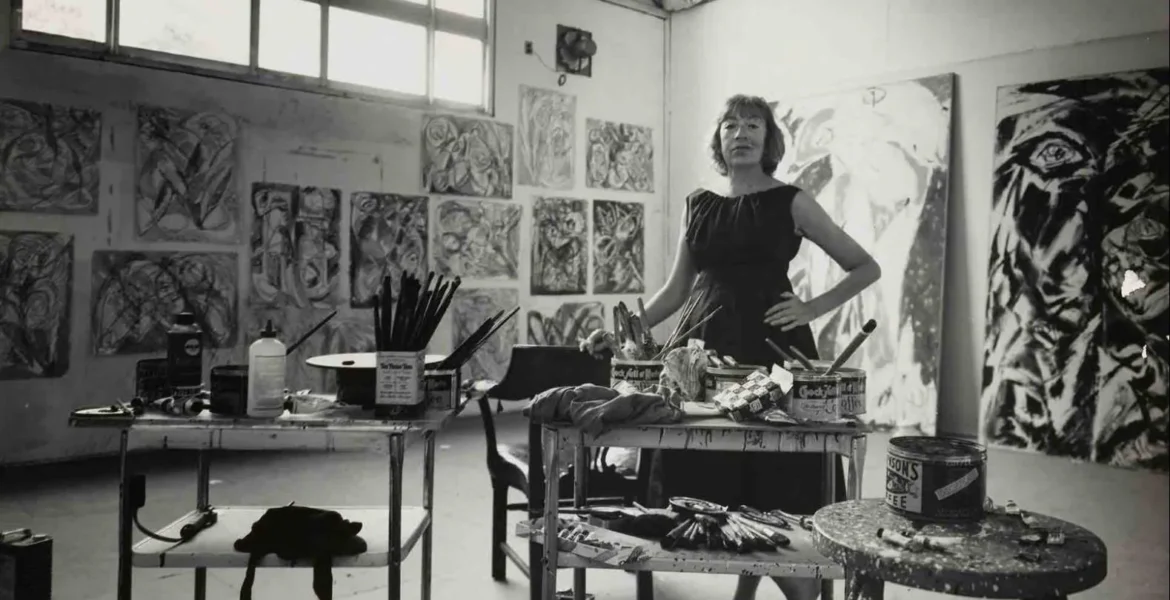
Before the Hamptons became a summer playground for celebrities, hedge funders, and anyone with a reliable helicopter, the East End was another world entirely. Picture acres of potato fields rolling under open skies, sleepy fishing communities, and artists chasing something they couldn’t quite name but knew when they saw it — the famous Hamptons light? They got hooked on the slant of the light, just enough space to breathe, and endless quiet. And while the legend tends to focus on brooding men with a brush, it was women who kept the artistic flame burning.
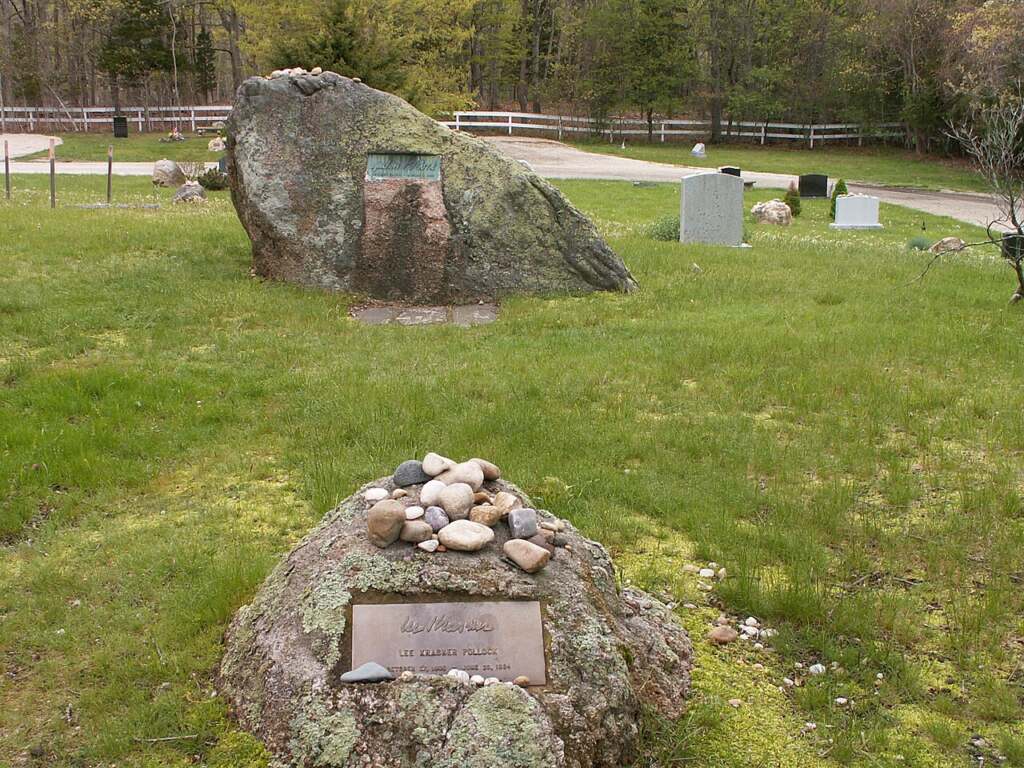
These women did a lot more than paint. They built schools, opened galleries, wrote checks for museums, and made sure exhibitions happened so generations of artists had more than just an easel and a longing. This is a big reason why the Hamptons aren’t just about real estate envy but also about a genuine cultural scene.
Things started to shift in the late 1800s, when the Long Island Rail Road decided to take a chance and send its tracks all the way out east. Suddenly, places like East Hampton, Southampton, and Sag Harbor were just a train ride away from Manhattan’s creative class. Among the first to set up camp were Mary and Thomas Moran, with their canvases full of windswept landscapes. Their art helped put the East End on the map as a sanctuary where nature calls the shots.
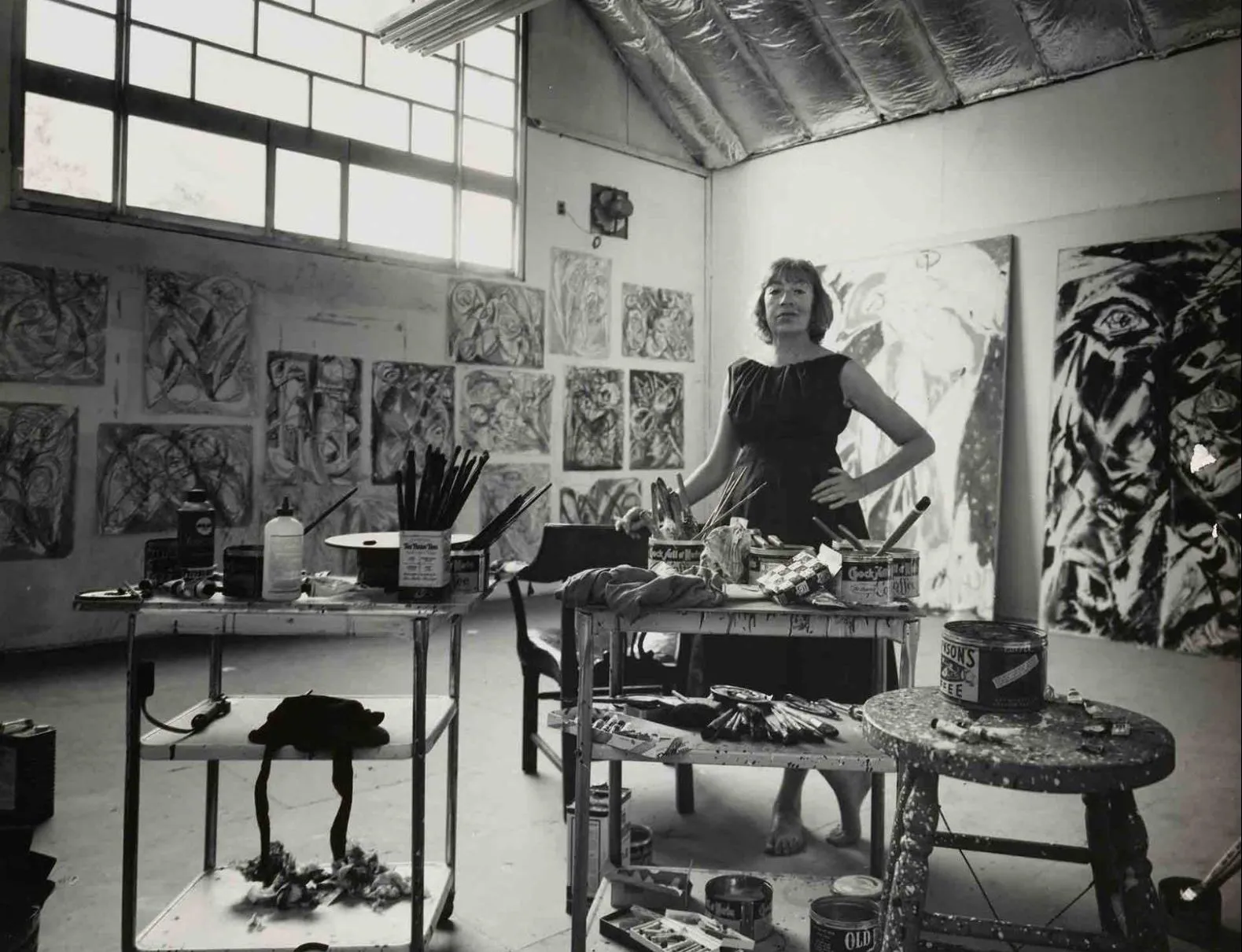
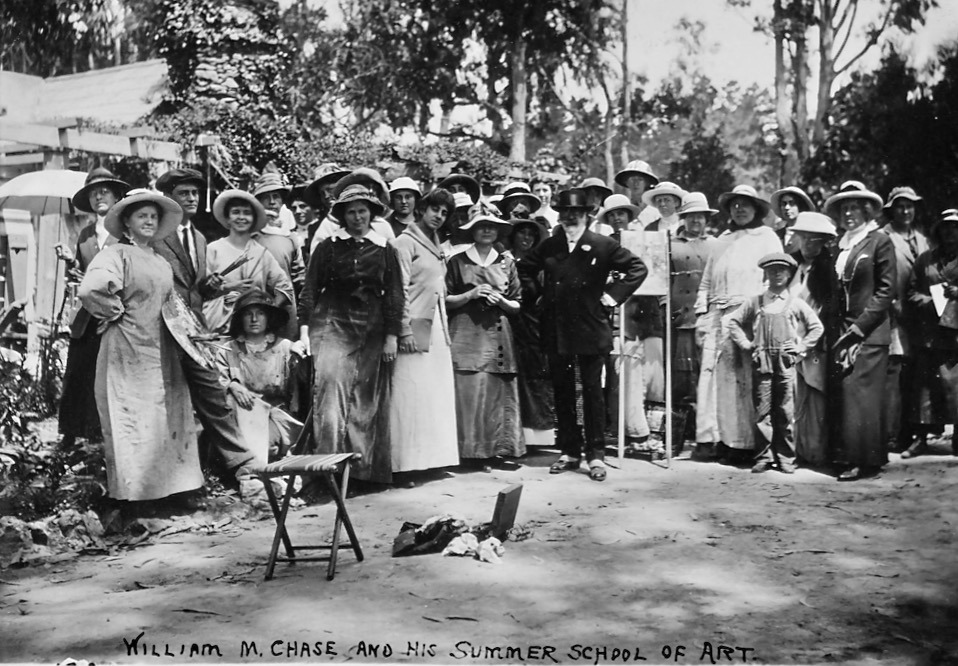
Not long after, Janet Ralston Chase Hoyt — a philanthropist with vision and resources — launched the Shinnecock Hills Summer School of Art in Southampton. She brought in the famous William Merritt Chase and turned the place into America’s first-ever plein air painting school. It was a big deal for art history, especially since she insisted women could be both students and teachers at a time when most doors were closed.
By the early 1900s, artists weren’t just passing through. They were setting down roots and forming a real community.
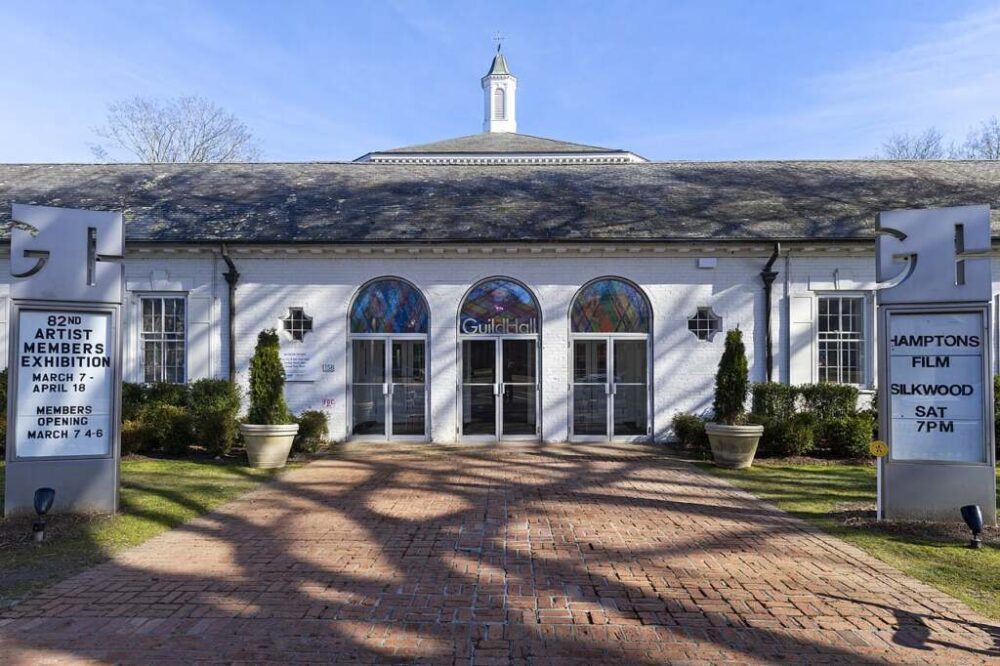
Another landmark moment came in 1930, when philanthropist Mary Woodhouse anonymously donated the land and an initial financial gift to create Guild Hall in East Hampton. The cultural center opened the following year, in 1931. It’s still a centerpiece for the Hamptons art world, but back then its shows introduced the public to talents who would later change American art — think Abstract Expressionism before it was fashionable.
During the postwar boom, New York’s art world spilled east. The 1950s and ’60s became a golden age when modest cottages and studio spaces were still affordable for working artists. Painters who split their time between Manhattan and the Hamptons created an informal creative pipeline, with the success of Lee Krasner and Jackson Pollock in Springs helping draw fellow artists east. Before long, the East End had become one of America’s leading centers of postwar art, stretching from Springs to Southampton.
Women were never on the sidelines. Elaine de Kooning, Helen Frankenthaler, Jane Freilicher, Grace Hartigan, Mercedes Matter, Connie Fox, and Perle Fine all lived and worked on the East End, helping cement the Hamptons as one of the defining homes of Abstract Expressionism and postwar American art.
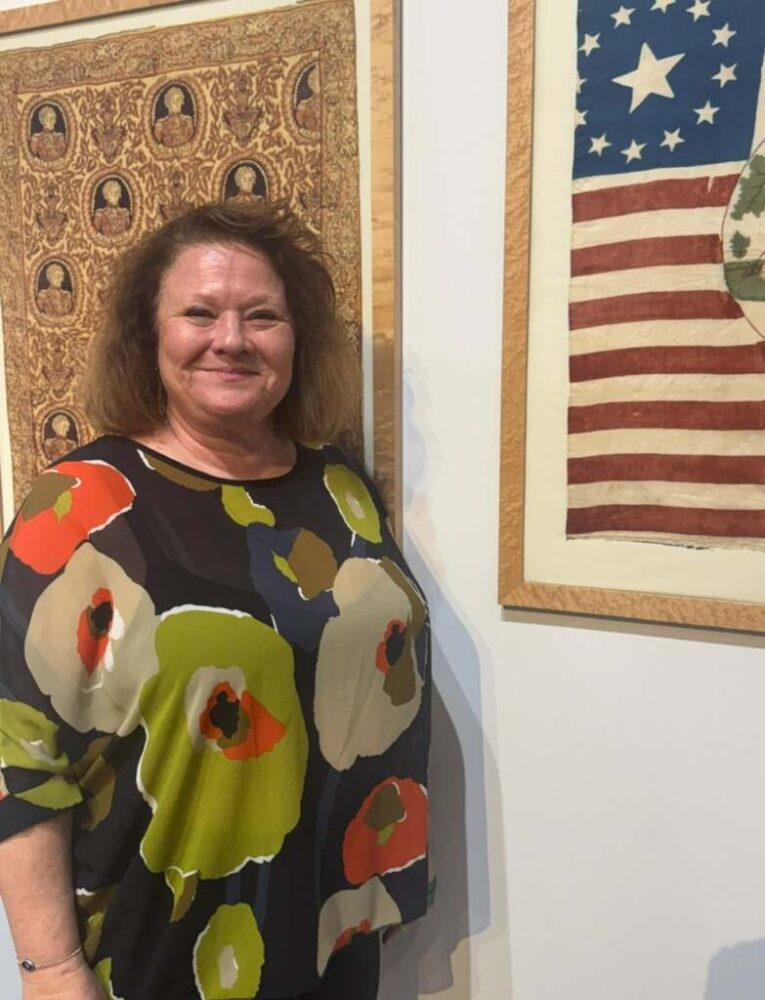
Look at Christina Mossaides Strassfield. She’s been documenting, championing, and expanding women artists’ legacies since the late 1980s at Guild Hall, and currently at the Southampton Arts Center ,where she is the executive director. Exhibition after exhibition, she puts a spotlight on both old-school Abstract Expressionists and contemporary newcomers. Thanks to her, the East End outpaces plenty of “major” galleries and museums in showing solo exhibitions by women.
“I remember when studying art history in college that there were just three women artists in Janson’s History of Art textbook, and thinking that just wasn’t right,” says Christina Strassfield.
“When I became a curator, I felt the need to seek out women artists whose work deserved to be brought to the attention of others and to champion their work. I’m forever grateful to have met so many women of the Abstract Expressionist movement and to have seen those who followed them — such as Nina Yankowitz, Pat Steir, Michele Stuart and Joan Semmel — receive the recognition they deserve.”
But it’s not just the nonprofit world. The commercial gallery scene owes much of its success to women as well. Dealers like Josephine Little, Arlene Bujese, Ruth Vered and Elaine Benson opened influential galleries that connected collectors with artists and helped establish the Hamptons as a serious destination for contemporary art long before today’s booming market.
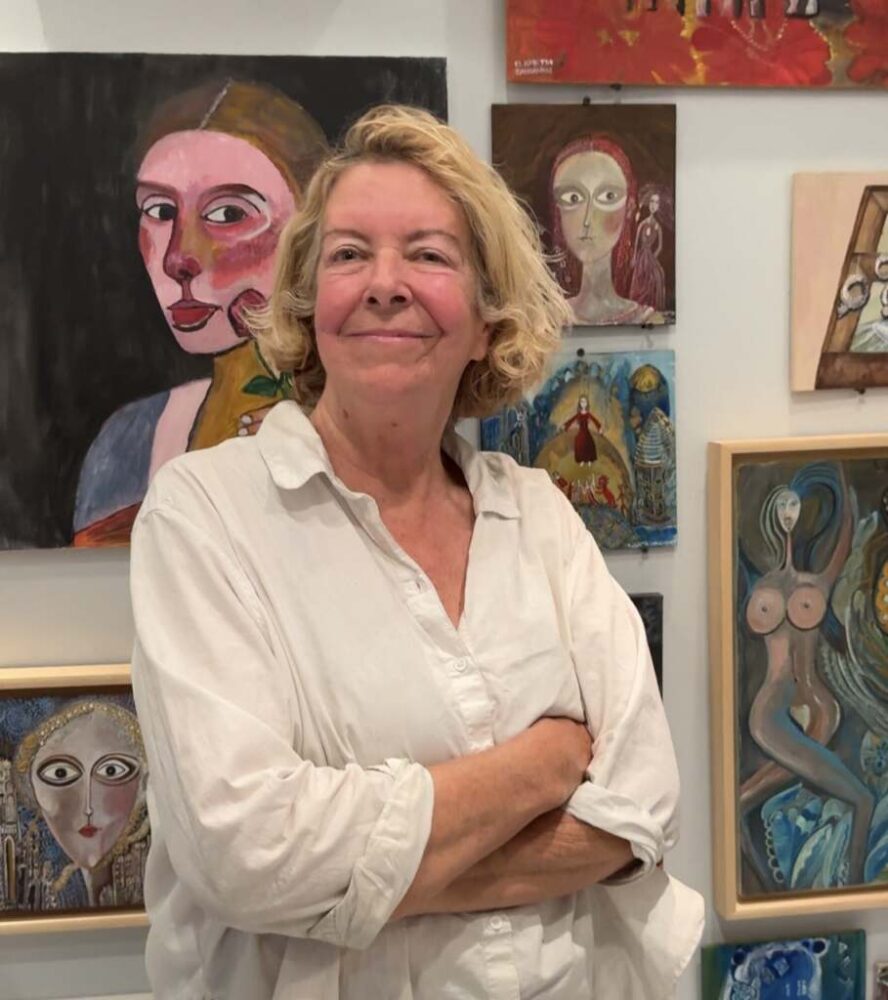
Fast-forward to today, and women are shaping nearly every corner of the East End art world — a radical change from an era when female artists could barely get their work on museum walls. Art dealers, curators and gallery owners such as Julie Keyes, whose Keyes Art gallery is on Main Street in Sag Harbor, continue that tradition by presenting thoughtfully curated exhibitions featuring both blue-chip and emerging artists.
The Parrish Art Museum keeps leaning in, mounting shows for Helen Frankenthaler, Audrey Flack, Charlotte Park, Alice Aycock, and Connie Fox, while also digging into how women shaped abstraction and the very DNA of the East End’s art history.
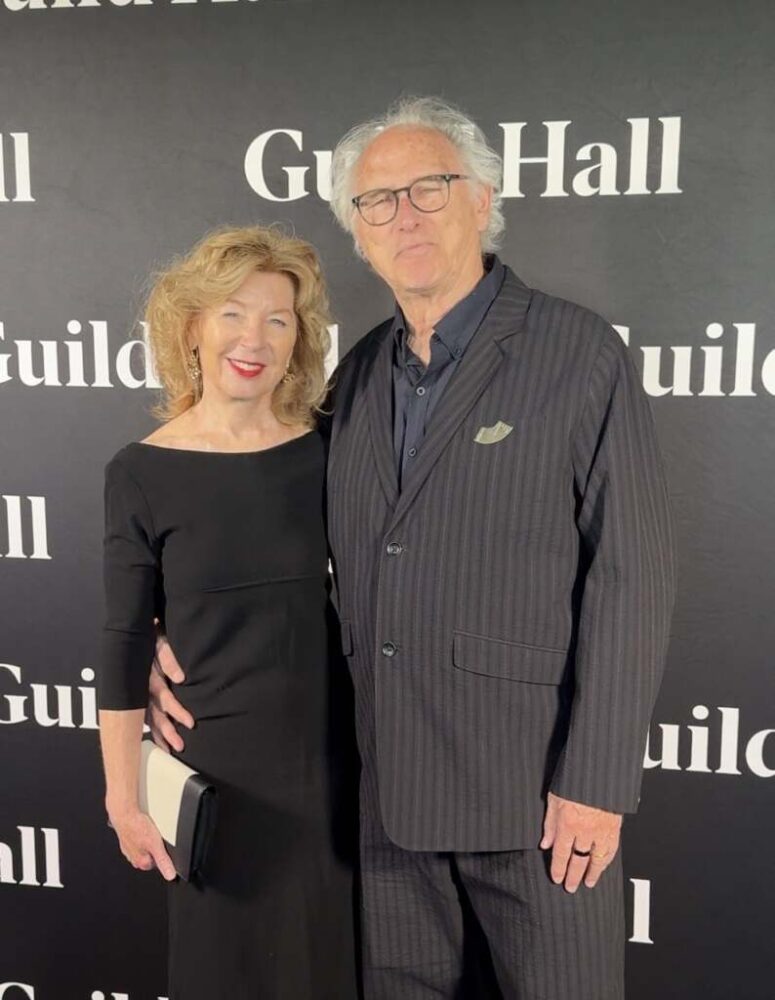
And don’t miss April Gornik’s latest move: The Church in Sag Harbor. With Eric Fischl, she took over a 19th-century church and turned it into one of the most exciting arts venues around, linking today’s creatives with the old souls who walked those beaches before them.
When you pull it all together — the artists, the patrons, the curators, the dealers — you see something bigger than a scene. You see a whole identity where art isn’t an afterthought.
So the beaches pull in the crowds, and the rosé flows all summer. But the enduring legacy of the Hamptons? That belongs heavily to the women who gave the region their vision, their doggedness, and sometimes their life savings — just as much as to those first artists transfixed by the famous Hamptons light.